REVIEW · TORONTO
Toronto: Distillery District Historic Walking Tour
Book on GetYourGuide →Operated by Go Tours Canada · Bookable on GetYourGuide
Toronto’s Distillery District feels like a time machine. In just one hour with Go Tours Canada, you’ll walk among Victorian industrial buildings and hear how Gooderham & Worts helped shape Toronto’s early years.
I also love the way the guides use storytelling to connect the architecture to the people behind it, including the roller-coaster rise and fall of the distillery empire. A fair consideration: this is an easy, short walk, so if you’re craving hours of museum-style detail, you may want to extend your visit on your own after.
In This Review
- Key things you’ll notice fast
- A one-hour tour that gives you real bearings
- Gooderham & Worts: why this place matters beyond whiskey lore
- Victorian industrial architecture you can actually understand
- How your guide turns a walk into a story you’ll remember
- Price and time: why $20 feels fair for what you get
- What about tastings—should you choose a different tour?
- Where the tour ends—and how to use that momentum
- Quick fit check: who this tour is best for
- Should you book this Toronto Distillery District historic walking tour?
- FAQ
- How long is the Distillery District Historic Walking Tour?
- How much does it cost?
- Where do I meet the tour?
- What language is the tour offered in?
- Is the tour wheelchair accessible?
- Do I need an ID?
- What should I wear or bring?
- Is the walking difficult?
- Is there a minimum age?
- Can I get a refund if I cancel?
- Is alcohol tasting included?
Key things you’ll notice fast
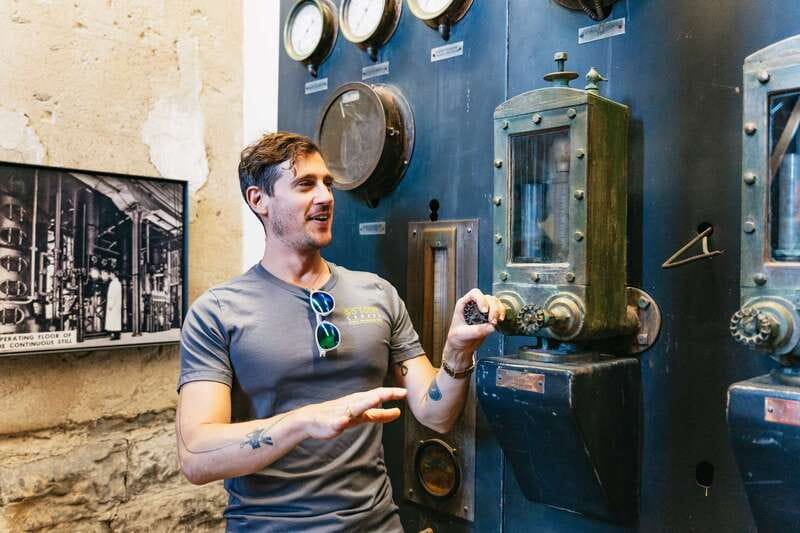
- Inside access: you get chances to see select buildings where the public usually can’t wander freely
- Gooderham & Worts made human: rise-to-glory, then fall-from-grace, plus business tension and oddball local lore
- Victorian industrial architecture: the district is built around some of the best-preserved industrial brickwork in North America
- A guide who works the room: names you may hear from include Eric, Erik, Devin, Nicole, Tom, and Milo, all known for energetic narration
- Toronto’s wild early years: you’ll hear how the city’s rough edges collided with the distillery business
- Easy walking, clear pacing: the route is designed for a smooth one-hour experience
A one-hour tour that gives you real bearings
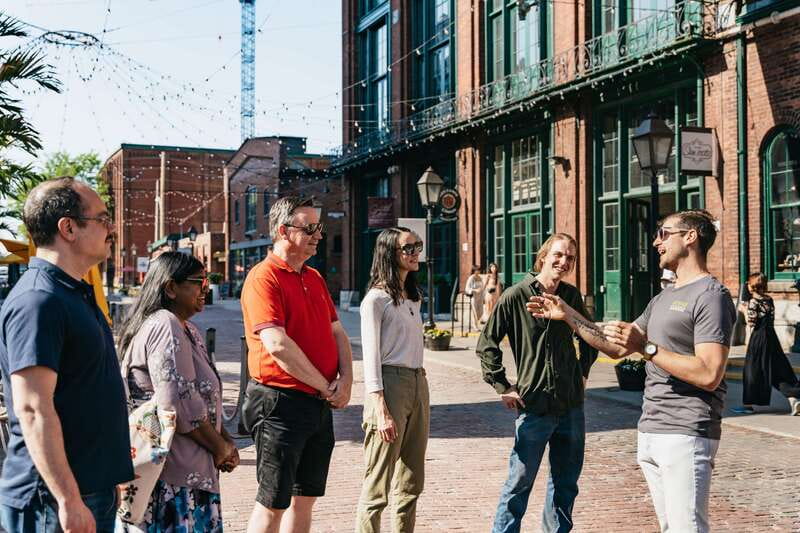
The Distillery District can look like an attractive corner of Toronto—cobblestones, old brick, boutiques, and places to eat. But the guided part is what turns it from a pretty stroll into a place with context.
In this tour format, you start at the Go Tours Canada office at 11 Gristmill Lane (near the Red Heart at Parliament St. and Mill St.), then move through the district with a guide calling out what matters. Expect the hour to feel like a guided walk with stops for explanation—short enough to keep the story moving, long enough to notice patterns.
The value here is pacing. You’re not stuck in one building for ages. You also don’t spend the whole time outside, wishing you could see more. Guides generally balance exterior sights with interior moments, which is a big reason people walk away saying they learned more than they expected.
You can also read our reviews of more walking tours in Toronto



Gooderham & Worts: why this place matters beyond whiskey lore
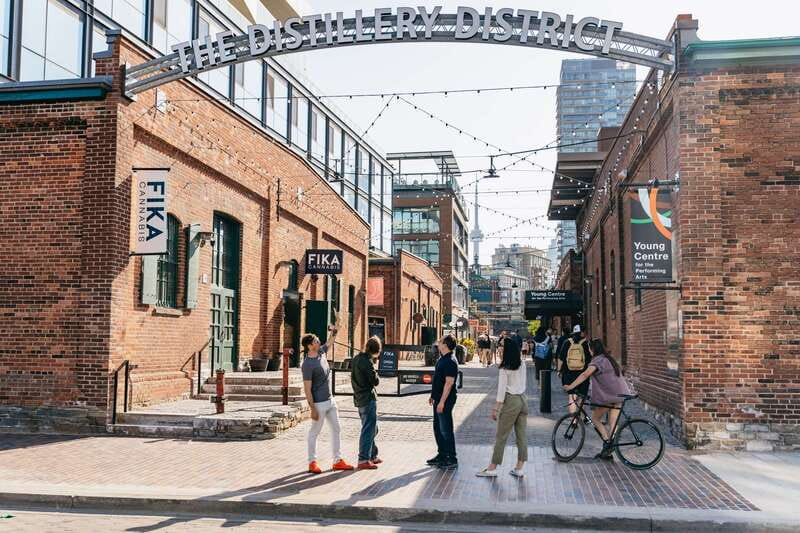
At the center of the story is Gooderham & Worts, the distillery that helped make the district historically significant. The tour frames the company as more than a brand—it’s a window into how a young Toronto industrialized and how money, politics, and personalities could move fast.
You’ll hear about the distillery’s rise to prominence and the eventual decline. You’ll also get the kinds of details that make history feel less like a textbook chapter and more like something people argued about, planned around, and worried over.
One theme that comes up in the guide storytelling: the distillery’s relationship to the surrounding geography when the area was developing—especially how close the lake was to the original property compared to today. That contrast helps you understand why the distillery landed where it did and how the area changed over time as Toronto grew and the waterfront shifted farther from the center of activity.
The other theme is the city’s early edge. The tour’s not shy about describing the rough-and-ready nature of Toronto’s formative years, when an industrious distillery operation could sit right alongside chaotic local life. It’s an easy way to see how industry and street life were tangled together.
Victorian industrial architecture you can actually understand

Most people notice the look of the Distillery District—Victorian buildings, brickwork, and a street layout that feels preserved. The tour helps you read the buildings like clues.
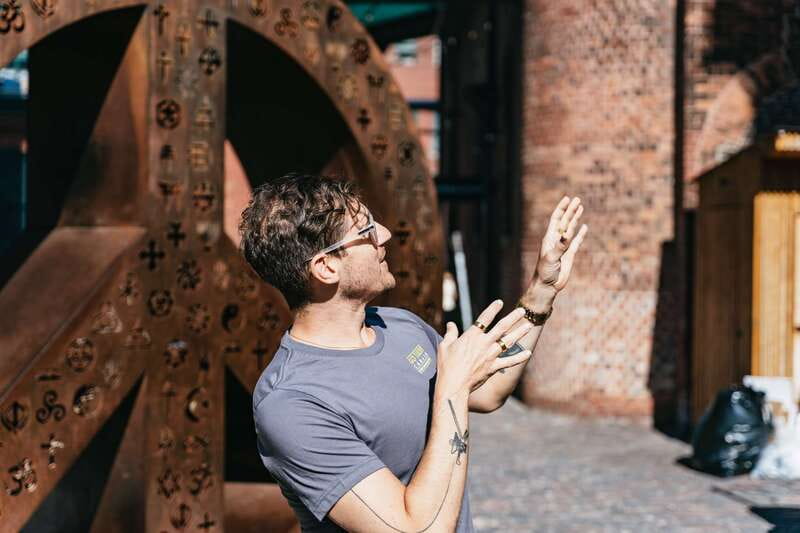
You’re walking through what’s described as the largest and best-preserved collection of Victorian industrial architecture in North America. That’s not just marketing. When a guide points out functional design—thick walls, industrial proportions, and the way buildings were built for production—you start to see why these structures held up and why they were worth preserving.
Some standout moments from past tours include the chance to get inside certain spaces, where you can see construction choices up close. People have also singled out an especially striking white building with very thick walls, which is the kind of detail you’d miss if you were just snapping photos from the street.
Why this matters: architecture that once served industry becomes a stage for modern life. Today you’ll find indie restaurants, bars, boutiques, galleries, outdoor sculptures, and theaters lining these old lanes. The tour doesn’t ask you to ignore the present. Instead, it shows you what the buildings were designed to do—and then you can appreciate the reuse with a better understanding of how the bones stayed intact.
How your guide turns a walk into a story you’ll remember

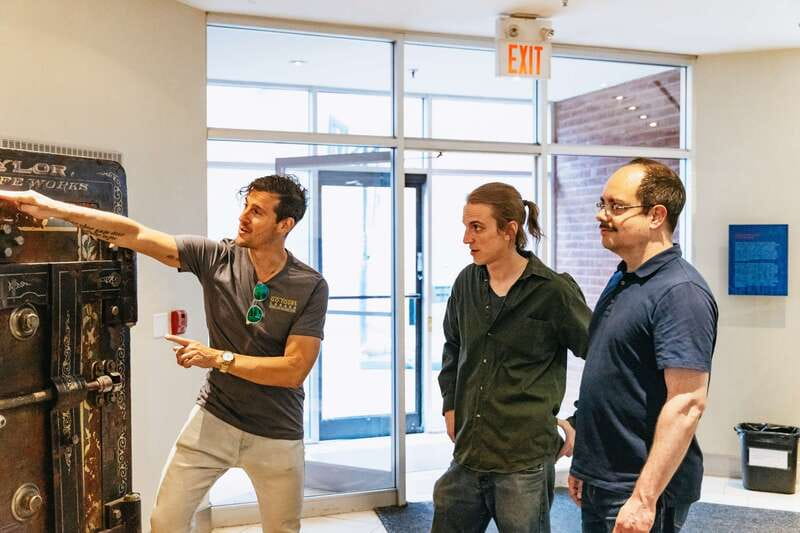
A big reason this tour rates so highly is the energy of the people leading it. You may hear guides like Eric, Erik, Devin, Nicole, Tom, or Milo—and the common thread is that they don’t just list facts. They connect them.
In practice, that means:
- You’ll get business intrigue and personal stories, not just dates
- You can ask questions and get answers that tie back to what you’re seeing
- You’ll hear social details too, including how jobs created by distillery work affected communities, with specific attention to opportunities for women that had real social impact
You can also expect a slightly playful tone. Several guide accounts emphasize humor that makes the heavy topics—industry, labor, rise and fall—feel easier to handle. The best guides do two jobs at once: keep you moving and keep you thinking.
If you’re the type who wants a tour to feel like a conversation with someone who genuinely enjoys the subject, this is the right format. It’s also a good choice for locals who think they already know the Distillery District. The guide angle tends to reveal how much you can miss when you’ve walked past a place for years.
Price and time: why $20 feels fair for what you get
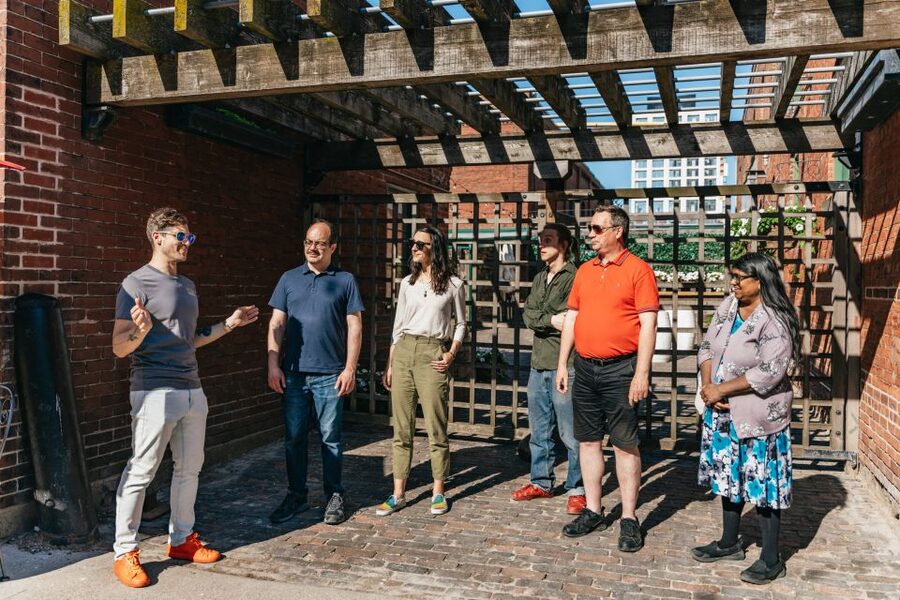
The tour costs $20 per person for about one hour, with sales tax included. That’s the key value question: is it worth paying for a guided hour versus walking it on your own?
For me, the answer is yes—if your priority is understanding. If you just want photos and snacks, you can do that without paying. But if you want the story of Gooderham & Worts, plus why the buildings are so well preserved, plus the context of Toronto’s early years, an hour with a strong guide compresses a lot of learning.
Also, $20 doesn’t buy you a long program, and that’s okay. You’re paying for focused interpretation. The goal is to help you leave with the ability to look at the architecture and make sense of it.
Practical tip: bring comfortable shoes. The pace is described as easy walking, but cobblestones still deserve respect.
You can also read our reviews of more historical tours in Toronto

What about tastings—should you choose a different tour?
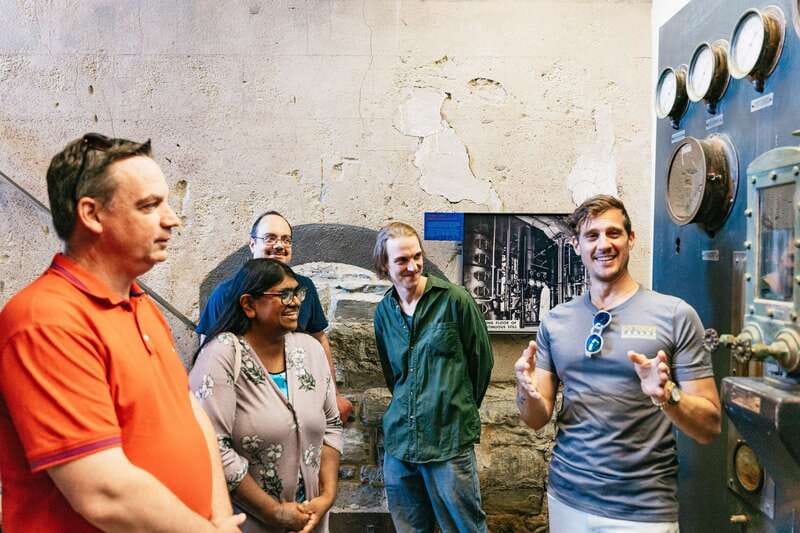
This specific walking tour focuses on architecture and history. If you want alcohol tasting, the information provided points you toward the Prohibition & Spirits Walking tour, which adds a flight of spirits at the end.
That’s the decision point. If you’re primarily there for stories and building design, stick with this one. If you’re there to sample alcohol and connect it to the Prohibition-era storyline, the other tour is the better fit.
One more thing: some guides and departures have included small tastings like chocolate at the end. Because your schedule and what’s offered can vary, the safest move is to ask at check-in if you want to know what the finishing touches will be for your departure.
Where the tour ends—and how to use that momentum
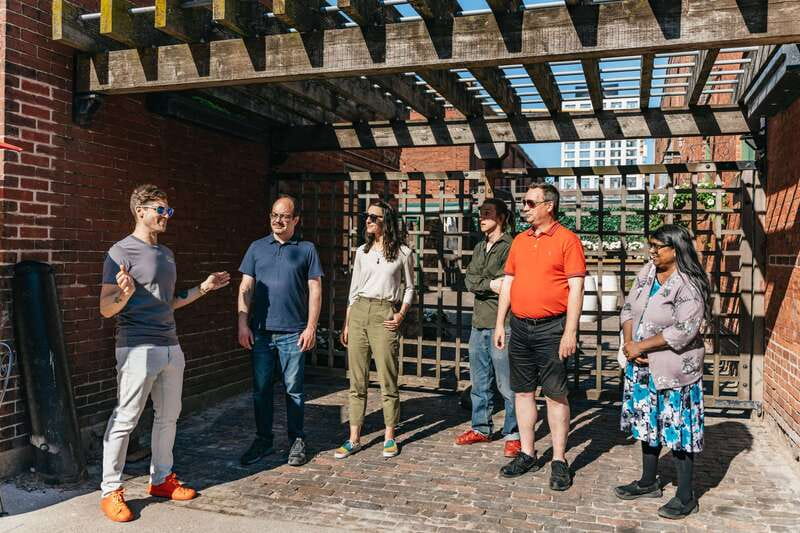
The tour loops back to Go Tours Canada after the hour in the district. That’s useful. You’re not left scrambling for what to do next—you’ve got bearings, and you can explore with better eyes.
Use the time after the tour like this:
- Revisit the places your guide highlighted and look for the production-era logic in what you see
- Browse boutiques, galleries, and sculpture spots with a sense of why they were preserved
- If you’re hungry, pick a meal while you’re still in the story mode—so you’re not just eating, you’re continuing the experience
The Distillery District is also a great evening option because it’s designed for strolling, and its mix of modern businesses inside historic structures makes it feel like you’re walking through multiple time periods at once.
Quick fit check: who this tour is best for
This one-hour format works especially well if you:
- Want architecture + story without committing to a half-day
- Are visiting Toronto for the first time and want a guided entry point
- Like learning the social and economic side of history, not just the trivia
- Prefer an easy walking experience with strong narration
It may be less ideal if you:
- Want deep museum-style detail for every building
- Plan to skip exploring after and need a longer program to feel satisfied
- Are only motivated by alcohol tasting (in that case, the Prohibition & Spirits option makes more sense)
Should you book this Toronto Distillery District historic walking tour?
If you want to understand why this area looks the way it does—and why the Gooderham & Worts story still echoes in the streets—book it. For $20 and an easy, one-hour pace, you’ll get the kind of guided clarity that helps you enjoy the district twice: during the walk and afterward.
Book it too if you care about guides who tell stories with energy and answer questions on the spot. The repeated praise for guides like Eric, Erik, Devin, Nicole, Tom, and Milo points to the same practical truth: in a place full of pretty buildings, your guide is what makes it click.
If you’re torn between this and a tasting-focused program, use one rule: stories first, tasting later—unless tasting is your main goal, then choose the Prohibition & Spirits tour.
FAQ
How long is the Distillery District Historic Walking Tour?
The tour lasts 1 hour.
How much does it cost?
It costs $20 per person, and sales tax is included.
Where do I meet the tour?
You check in at 11 Gristmill Lane, Toronto, ON M5A 3C4, located within the Distillery District near the Red Heart at Parliament St. and Mill St.
What language is the tour offered in?
The tour guide speaks English.
Is the tour wheelchair accessible?
Yes. The activity is listed as wheelchair accessible.
Do I need an ID?
You should bring a passport or ID card.
What should I wear or bring?
Wear comfortable shoes, and bring a camera. A passport or ID card is also recommended.
Is the walking difficult?
The walking level is easy.
Is there a minimum age?
It’s generally recommended for ages 10 years and above.
Can I get a refund if I cancel?
Yes. There’s free cancellation up to 24 hours in advance for a full refund.
Is alcohol tasting included?
This tour focuses on history and architecture. If you want alcohol tasting, the info says to book the Prohibition & Spirits Walking tour for a spirits flight at the end.