REVIEW · KEITUM
Keitum: Guided Village Walking Tour
Book on GetYourGuide →Operated by Jörg Ridder · Bookable on GetYourGuide
Keitum has a way of slipping under your skin fast. In just 2.5 hours, this guided village walk strings together thatched roofs, artisan workshops, and a serious dose of Stone Age history at the waterline. I like how the route feels like you’re moving through real Keitum—small lanes, walls, and gardens—rather than a checklist of landmarks.
Two things I especially liked: you get quiet, close-up views of the village (the kind you miss when you just drive through), and the tour reaches the shoreline to connect Keitum’s present to its deep past. One thing to consider: the program is guided with a specific storyline, and if you expect a super “classic” walk-your-way-through-every-fact tour, you might feel a bit surprised by the pacing and focus.
In This Review
- Keitum Guided Village Walk: Quick Hits
- A 2.5-Hour Story Walk Through Keitum’s Frisian Soul
- Starting at Keitum Mitte Bus Station: How the Tour Flows
- Thatched Roofs, Narrow Lanes, and Workshop Windows
- Keitum’s Green Heart: Walled Gardens, Old Homes, and the 1640s
- How the Wadden Sea Makes the Stone Age Stops Feel Real
- Price and Value: Why $22 Works Here
- Weather, Shoes, and the Real North Sea Test
- Who Should Book This Keitum Walk (and Who Might Skip It)
- Should You Book the Keitum Guided Village Walking Tour?
- FAQ
- Where does the tour start?
- Does the tour include hotel pickup?
- How long is the guided walking tour?
- What language is the live guide?
- Is the tour outdoors?
- What should I bring?
- What is included in the price?
Keitum Guided Village Walk: Quick Hits
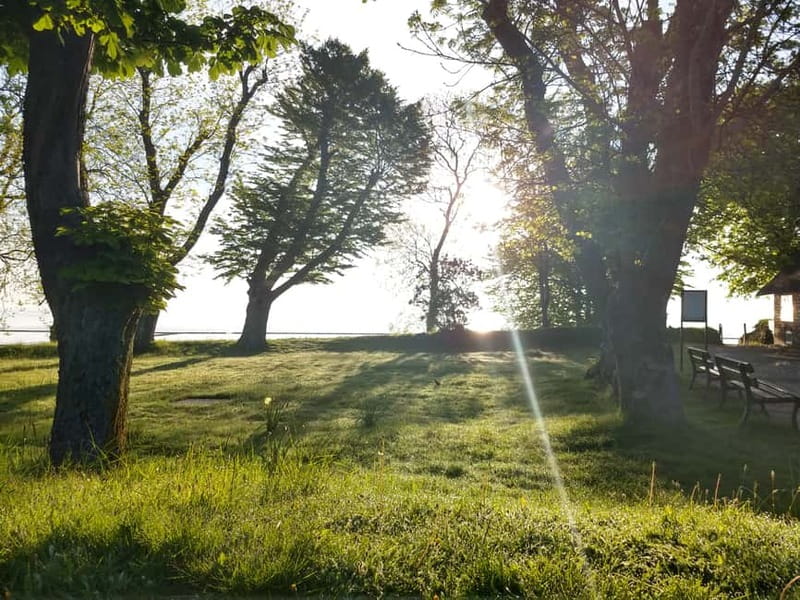
- Guide-led storyline by Jörg Ridder that ties homes, work, and history into one walking narrative
- Frisian village texture: curving alleyways, scenic walled gardens, and old thatched roofs
- Crafts you can picture along the way, including glassblower and goldsmith workshops
- A real sea-edge finish with open views toward the Wadden Sea
- Stone Age stops at Harhoog and Tipkenhoog—ancient burial mounds right by the shoreline
A 2.5-Hour Story Walk Through Keitum’s Frisian Soul
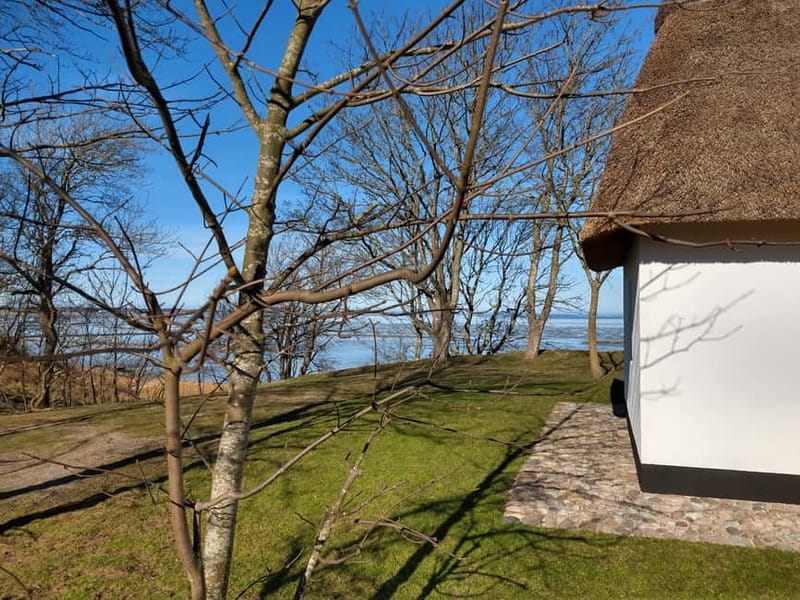
Keitum isn’t trying to be big or flashy. It’s the opposite: a small island village where architecture, gardens, and coastal air do half the talking for you. This Keitum: Guided Village Walking Tour is built around that feel, so you spend your time walking streets and paths that actually look like everyday Keitum—not a staged route that feels removed from real life.
The backbone of the experience is the way the guide connects different time periods. You start with the physical village—houses, walls, roofs, and lanes—and then you learn why Keitum became known for an artisan scene and a cultural tradition. Then you shift to the coast, where the Wadden Sea setting gives context to the village’s long reach into the past, including the Stone Age burial mounds.
It’s also a good example of value for money. At $22 per person for a 2.5-hour live-guided walk, you’re not just paying for someone to point at buildings—you’re paying for interpretation, timing, and a route that links everything into one coherent walk.
You can also read our reviews of more walking tours in Keitum

Starting at Keitum Mitte Bus Station: How the Tour Flows

Your meeting point is simple and central: Keitum Mitte bus station. There’s no hotel pickup, so you’ll want to be there a few minutes early and let your shoes do the work right from the start. The tour ends back at the same meeting point, which is handy for planning your next meal or rest stop without rerouting through the island.
The flow is what makes this walk feel smooth. You begin in the center of Keitum, where you get a quick read on the village style—especially the thatched roofs and North Sea island architecture. From there, the route bends through narrow, curving alleyways and smaller paths that make the village feel like it’s unfolding around you.
The last part is the “payoff.” You move from the village interior toward the shoreline, and that transition matters. You go from enclosed lanes and gardens to open, windy sea views. Then you stop at the burial mounds (Harhoog and Tipkenhoog), where the setting turns the history lesson from abstract to tangible.
Thatched Roofs, Narrow Lanes, and Workshop Windows
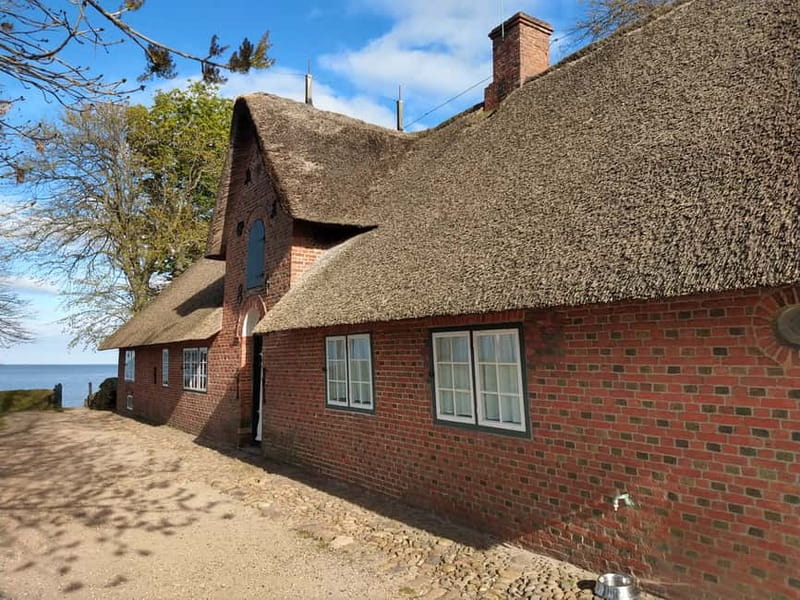
In the first stretch, I love how the guide makes you pay attention to details that are easy to ignore when you’re sightseeing solo. You’ll see typical North Sea island architecture—including classic thatched roofs—and you’ll walk through curving lanes where the village layout naturally slows you down.
This is also where Keitum shows its artisan character. As you stroll, you’ll pass glassblower and goldsmith workshops. Even if you’re not shopping, these stops give you a sense of how craftsmanship fits into the village’s everyday identity. You’re learning about Keitum today, not just reading an old postcard.
And because the streets are narrow, the tour has a built-in rhythm. It’s not constant “look here, take a photo.” It’s more like: walk, turn a corner, get a sightline to a garden or a roofline, and then hear the story that goes with it. For many people, that’s what makes a walking tour feel worth doing.
Keitum’s Green Heart: Walled Gardens, Old Homes, and the 1640s
After the center, you head deeper into the village’s residential character, often described as the island’s green heart. Here the scenery shifts from rooftops to walls, gardens, and homes clustered along quieter paths. You’ll see traditional Frisian-style wall boundaries and scenic gardens that feel protected and intentional.
One detail that stuck with me from the tour description is the age range of what you’ll pass. Some homes are as old as 1640, which is the kind of fact that can turn a pleasant stroll into something you remember. It’s not just trivia, either. When you’re looking at aged architecture while you hear how the village developed, the place starts making sense as a long-lived community rather than a collection of old buildings.
The guide also shares Keitum’s role in broader island life. You’ll hear stories about the whaling economy and the village’s cultural scene from the 18th century. That matters because it explains why the village isn’t only about quiet houses. Keitum’s history includes work tied to the sea and a cultural thread that’s still part of the village atmosphere.
How the Wadden Sea Makes the Stone Age Stops Feel Real

The best moment on this walk comes near the end: you head out toward the shoreline and the coastline opens up. Suddenly you’re no longer threading through lanes. You’re dealing with wide views, sea air, and the feeling of open space. The Wadden Sea side of Keitum is where the tour’s timeline tightens—Stone Age roots stop being a distant concept.
This section is also practical. North Sea weather can shift quickly, and the shoreline gives you that real, fresh breeze sensation the tour promises. It’s a good reminder to wear proper footwear and accept that you’re going to feel the outdoors.
Then you reach the ancient burial mounds: Harhoog and Tipkenhoog. Stopping here is more than a photo op. It anchors everything you learned earlier—homes, walls, village life—in a long human presence on this coast. You’ll learn about Keitum’s Stone Age roots from your guide right at the site, not from a distant viewpoint.
Price and Value: Why $22 Works Here
Let’s talk value in plain terms. $22 per person for a 2.5-hour live walking tour is a fair price when (1) the walk is guided and timed well, (2) the route includes multiple story points, and (3) you’re not stuck waiting around.
This tour earns its price in three ways:
- It’s not only architecture. You get village layout, artisan context, and specific historical themes (including whaling and cultural life), then you finish with Stone Age burial mounds.
- You get a guided route to the shoreline. Walking from Keitum center to the right coastal spots on your own isn’t impossible, but a guide makes it efficient and purposeful.
- You’re outdoors the whole time. For many people, that’s part of the appeal: the walk itself is the attraction, and the interpretation stays attached to what you’re seeing.
If you’re the kind of traveler who likes long museum-style explanations, you’ll probably find the pace manageable but focused. If you want a classic “local highlights” overview only, the specific storyline might feel more tailored than you expect.
Weather, Shoes, and the Real North Sea Test
This tour runs rain or shine, so you’ll want to treat it like an outdoor plan, not a “maybe.” Bring comfortable shoes first—this kind of walking around village paths and shoreline-adjacent areas is not the time for fragile soles. Also pack rain gear and dress for changing conditions.
Practical note: even when it isn’t pouring, shoreline wind can feel sharp. If you’re used to milder climates, dress a little warmer than you think you need. The tour’s outdoor timing means you’ll feel the weather, and that’s part of the Keitum experience—fresh air, breezes, and the sense that the sea shapes daily life.
Who Should Book This Keitum Walk (and Who Might Skip It)
I think this tour is a strong fit if you want a deeper connection to a small place. You’ll enjoy it if you like walking at a relaxed pace, stopping to learn why a village looks the way it does, and ending with a meaningful historical site by the water.
It’s especially good for:
- couples and solo travelers who want a guided path without committing to a full-day excursion
- people who enjoy architecture plus interpretation, not just photos
- anyone curious about Sylt beyond beaches and big-ticket viewpoints
It may be less ideal if:
- you only want a quick, general overview and don’t care about the Stone Age shoreline stops
- you don’t speak German and you’re uncomfortable relying on nonverbal cues like signs or photos, since the guide is German-speaking
Should You Book the Keitum Guided Village Walking Tour?

I’d book it if your goal is to understand Keitum as a living village shaped by craft and coast, not just to tick off buildings. The route is compact but purposeful: old homes and gardens in the center, artisan work in the middle, and Harhoog and Tipkenhoog at the sea edge. For the money, it’s a good mix of atmosphere and specific historical anchors.
If you’re sensitive to weather, wear gear and plan for wind. If you want a super standard “classic tour,” know that this one is guided with a distinct program under Jörg Ridder. For the right mindset, that specificity is exactly what makes it memorable.
FAQ
Where does the tour start?
It starts at the bus station named Keitum Mitte.
Does the tour include hotel pickup?
No. Hotel pickup and drop-off are not included.
How long is the guided walking tour?
The duration is about 2.5 hours.
What language is the live guide?
The live tour guide speaks German.
Is the tour outdoors?
Yes. The tour takes place rain or shine, so you should bring weather-appropriate clothing and rain gear.
What should I bring?
Bring comfortable shoes, rain gear, and clothing suited to the weather.
What is included in the price?
The tour includes a guide and the walking tour itself. Food and drinks are not included.