REVIEW · VILNIUS
Regular walking tour of Soviet Vilnius
Book on Viator →Operated by Vilnius with Locals tours · Bookable on Viator
Soviet Vilnius reads like a thriller. This 2.5-hour guided walk is one of the most direct ways to connect the KGB-era details to the streets you see today, and I especially like the personal, place-based stories (guides such as Tadas or Ieva are often called out for making it click). It’s also practical: you start in Old Town and end near where you began.
The main drawback is simple—this is a lots-of-walking outing, so if your feet run out early, your enjoyment will too. Dress for cold and wear shoes you trust.
In This Review
- Key highlights to know before you go
- Starting at Gediminas Monument: how the tour sets the tone fast
- Green Bridge (Zaliasis Tiltas): propaganda you can still picture
- From Lukiskiu Square to the Planetarium: Soviet Vilnius in motion
- The former KGB headquarters: history you can’t treat like sightseeing
- Soviet-era icons: Palace of Concerts and Sport, Opera, and the House of Scientists
- Independence through basketball: a surprising thread that lands
- January 1991 events: where the route turns serious
- How long it really takes (and where the walking fatigue hits)
- Price and value: why $24.20 can work even if you’re not a hardcore history buff
- Who should book this Soviet Vilnius walk
- Quick planning tips so the tour feels easy, not exhausting
- Should you book this tour?
- FAQ
- Where do I meet for the tour?
- How long is the tour?
- Is the tour offered in English?
- How much walking is involved?
- What locations does the tour pass or stop at?
- Does the tour include admission tickets?
- Where does the tour end?
- Does the tour run in bad weather?
- What group size should I expect?
- Can I cancel and get a refund?
Key highlights to know before you go
- Cathedral Square start: You launch from the Gediminas Monument area, right in the Old Town core.
- Green Bridge (Zaliasis Tiltas) propaganda story: Learn what used to be on the bridge until summer 2015.
- KGB headquarters from the street: You’ll see the former KGB headquarters area, with stories tied to Vilnius under USSR rule.
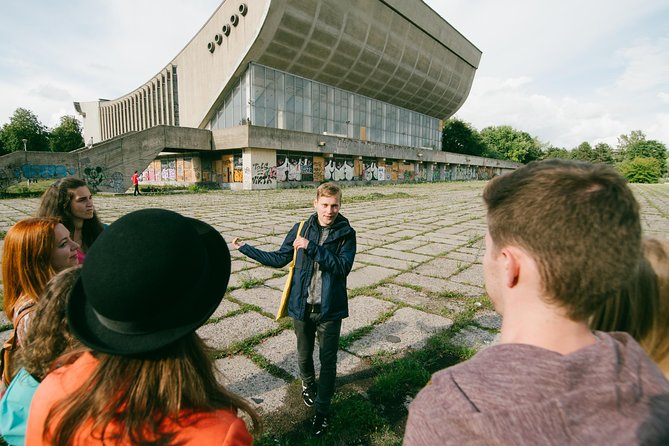
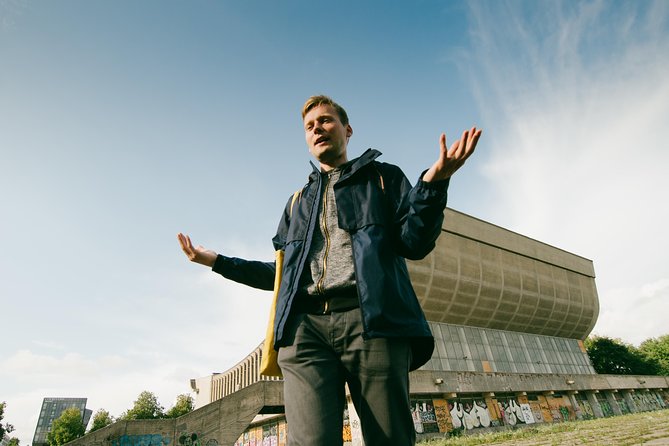
- Soviet-era architecture stops: Palace of Concerts and Sport, Opera and Ballet Theatre, and the House of Scientists are woven into the narrative.
- Independence through basketball: You’ll hear how basketball became part of Lithuania’s independence story.
- January 1991 context: The tour ties Soviet architecture to the events leading up to Lithuania’s turning point.
Starting at Gediminas Monument: how the tour sets the tone fast
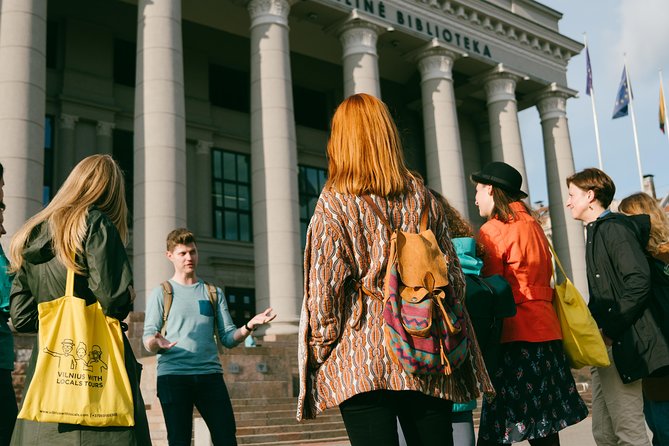
You meet near the Gediminas Monument in Cathedral Square (Katedros a.), which is a smart starting point. You’re already in the Old Town area, and the guide can frame what you’ll see as more than “cool buildings”—it becomes a political map of Vilnius under Soviet control.
From there, the walk quickly shifts into story mode. Soviet-era Vilnius isn’t only about monuments; it’s about how the city grew, where power was placed, and how public life worked day to day. That’s why this tour works well early in your trip. If you’ve only got a day or two in town, this gives you a set of reference points you can build on afterward.
If you get a guide like Tadas, his style (as people describe it) tends to connect the big Cold War timeline to the blocks of the city you’re actually standing in. Other guides, such as Ieva, are often praised for balancing serious subject matter with an easier conversational flow.
You can also read our reviews of more walking tours in Vilnius
Green Bridge (Zaliasis Tiltas): propaganda you can still picture
One of the most interesting stops is the Green Bridge (Zaliasis Tiltas). The tour focuses on what used to sit on that bridge as Soviet propaganda sculptures—and the detail that matters is the “until summer 2015” part. That gives you a real sense of how long these political messages stayed visible, and why their removal still feels like part of Lithuania’s ongoing shift.
The value here isn’t just spotting the structure. It’s learning how the same piece of city infrastructure can be used to shape public thinking. Bridges are everyday routes. When propaganda rides along those routes, it stops being “museum history” and becomes something you almost feel in your commute.
Practical note: bridges are exposed. If you’re visiting in colder months, bring a layer you can add or remove without turning the walk into a workout.
From Lukiskiu Square to the Planetarium: Soviet Vilnius in motion
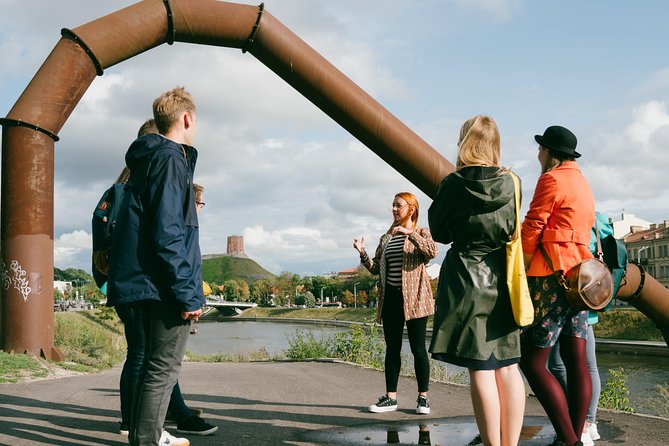
As you move along, you’ll pass key public landmarks—Lukiskiu Square and the Planetarium are part of the route. This is where the tour often feels different from a list-of-sights walk. Instead of jumping from one landmark to the next, the guide keeps pulling the story into place: how the Soviet system shaped how people gathered, what spaces were emphasized, and how the city’s layout supported the era’s priorities.
It’s also an effective section for first-timers. You get a sense of scale and geography. Vilnius can feel compact, but Soviet planning emphasized certain big “anchors,” and the tour helps you notice them.
If you like architecture but also want it to mean something, this segment delivers. You’re not just looking at buildings—you’re learning why they were positioned where they were.
The former KGB headquarters: history you can’t treat like sightseeing
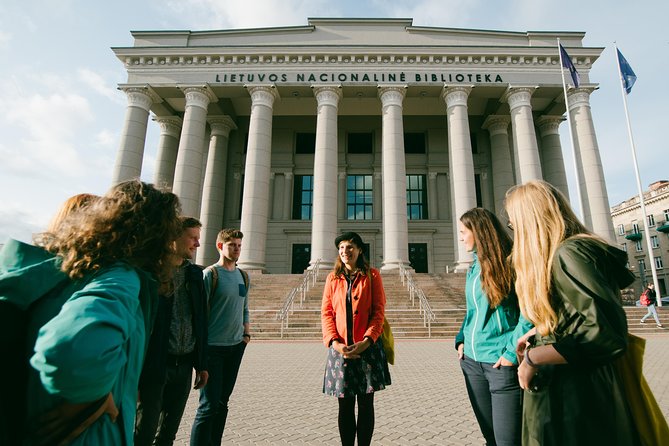
The tour’s big gravity point is the former KGB headquarters area. You’ll hear KGB-related stories as you go, including how spy culture and Soviet power worked in Vilnius.
Two things make this stop worth your time:
- You see the location as a street-level reality, not a distant concept.
- The guide ties the site to the wider Soviet-era control system, so the “what happened here” has context.
One important caution, based on real-world feedback: this experience is a walking tour focused on viewing. If you want to spend time inside a specific KGB museum or exhibit, don’t assume the walk automatically includes it. If that interior visit is a must for you, confirm expectations before you go so you’re not stuck outside with a half day you can’t replace.
Soviet-era icons: Palace of Concerts and Sport, Opera, and the House of Scientists
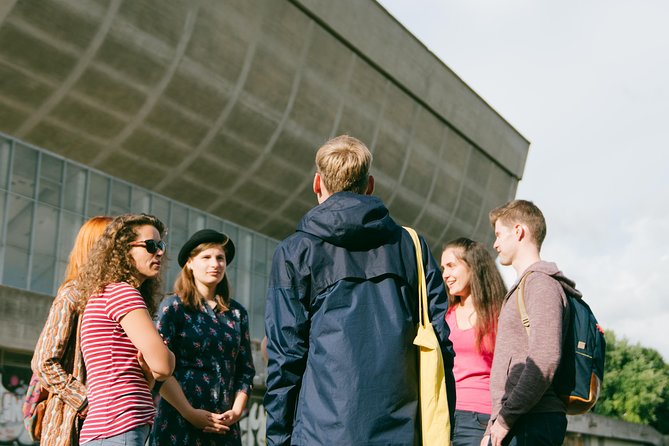
This walk also gives you the Soviet “look” you came for—but it doesn’t stop at style. Several standout architectural stops are part of the story:
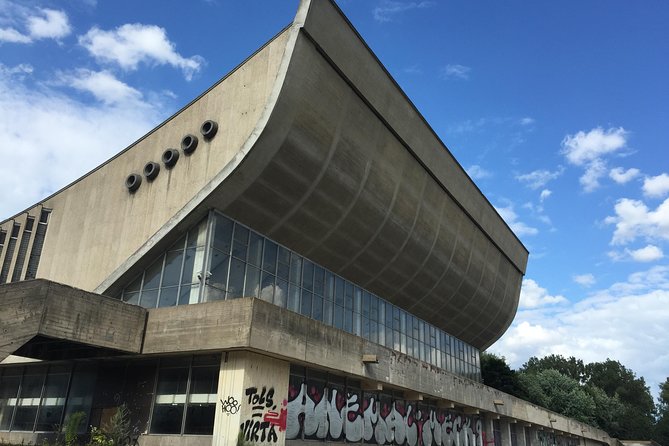
- Palace of Concerts and Sport: One of the most recognizable Soviet-era structures on the route, included as an example of how culture and public life were staged.
- Opera and Ballet Theatre: You’ll see it in the Soviet-era context, which helps explain how major institutions fit into the political climate of the time.
- House of Scientists: Another key stop that reinforces the idea that Soviet modern life had its own civic rhythm.
What I like about these stops is that you can appreciate them even if you don’t know much Cold War history. The guide’s job is to connect what you see—materials, scale, public purpose—to what you’re meant to understand about the era.
And if you do already know some Cold War history, keep an eye on how the tour goes beyond slogans. The best moments tend to be when the guide translates big events into the lived experience of daily life—how people navigated the system, how public spaces shaped behavior, and how normal life kept happening alongside fear.
Independence through basketball: a surprising thread that lands
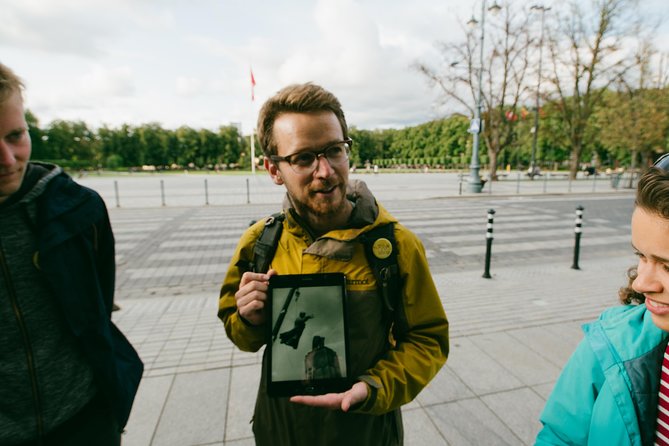
You also get a detail that makes the tour more than a straight line from USSR to collapse: you’ll hear about the role that basketball played in Lithuania’s independence and how Lithuania and Vilnius were incorporated into the USSR.
This matters because it gives you a different kind of context than buildings alone. Sports can be political without being propaganda. When you learn how basketball fed national pride and identity, you see why the late Soviet period wasn’t only about repression—it was also about growing collective resolve.
If you like stories that show how people maintained spirit under pressure, this is one of the parts you’ll remember after the walk ends.
January 1991 events: where the route turns serious
The tour includes Soviet architecture and the events of January 1991. Even without turning it into a lecture, this kind of stop is important because it explains why the Soviet story in Lithuania ends the way it does.
This is also the section where good guiding really matters. You’re dealing with heavy history. The best tours handle it with clarity, not shock value, and then return you to the city—so you leave understanding the stakes behind the landmarks.
If you prefer a tour where the emotional weight is present but not overwhelming, the pacing seems designed for that. Reviews often praise guides who keep the atmosphere lighter even while the subject is serious.
How long it really takes (and where the walking fatigue hits)
The tour runs about 2 hours 30 minutes to 2 hours 50 minutes. Plan for the full range, not the “quick version,” because there’s a lot of walking.
That means your feet and attention are the two limiting factors:
- Your shoes matter.
- Your energy matters.
This is the kind of tour where it helps to start the day with a snack and water. You’ll be outdoors in Old Town streets and through public areas, and the tour operates in all weather conditions. If it’s cold, your body will want you to rush your mind. Don’t let it. Step into the story and slow down as the guide speaks.
A “heads up” from feedback: some people found the walk long and tiring, and they wished they’d known more about the walking load in advance. So I’d treat comfortable shoes as mandatory, not a nice-to-have.
Price and value: why $24.20 can work even if you’re not a hardcore history buff
At $24.20 per person, this tour sits in the budget-friendly zone for guided experiences that include multiple major stops. The value isn’t just the guide time; it’s the density of the subject matter.
You get:
- a structured route through important Soviet-era locations,
- guided explanation in English,
- and ticket coverage for part of the experience (the first segment includes an admission ticket).
Also, the group size caps at 30, which helps the guide keep a readable pace and answer questions without turning it into a noisy shuffle.
If you’re the type who thinks, I’ll just read about Soviet Vilnius later, you might lose something. This tour helps you see the city’s political layers in real space. That makes later self-guided exploring faster and more satisfying.
Who should book this Soviet Vilnius walk
This tour is a great fit if:
- you’re visiting Vilnius for the first time and want an organized way to understand the Soviet imprint,
- you like architecture but also want it connected to real events,
- you enjoy guide-led storytelling and Q&A,
- you want a practical route that covers major Soviet-era landmarks in one go.
It’s less perfect if:
- you expect an inside visit to a KGB museum as part of the standard walk,
- you already know Soviet-era Baltic history in detail and want something more advanced or less repetitive,
- walking long distances on your feet is a problem.
Quick planning tips so the tour feels easy, not exhausting
Here’s how to set yourself up for a smoother walk:
- Wear comfortable shoes. Real walking is part of the deal.
- Dress for the weather because the tour runs in all conditions.
- Have a plan for what you want next. The tour ends in Kudirkos Square, about a five-minute walk from where you started, so you can pivot quickly to more sightseeing or food.
- If you’re aiming for the KGB Museum experience specifically, verify museum access ahead of time rather than assuming.
Should you book this tour?
If you want a focused, street-level introduction to Soviet Vilnius—KGB context, Soviet architecture, and the January 1991 thread—this is one of the smartest ways to spend a half day. The strongest proof is the consistent high recommendation rate and the repeated praise for guides like Tadas and Ieva who make the history feel personal and tied to real places.
Just go in with two expectations set clearly: it’s a walking tour, and the KGB stop is about seeing the former headquarters and hearing the story, not automatically replacing a museum visit you might want separately. If that matches your goal, book it.
FAQ
Where do I meet for the tour?
You meet in front of the Gediminas Monument in Cathedral Square, Katedros a., 01143 Vilnius.
How long is the tour?
The tour lasts about 2 hours 30 minutes to 2 hours 50 minutes.
Is the tour offered in English?
Yes, the tour is offered in English.
How much walking is involved?
Lots of walking is included, so comfortable shoes are important.
What locations does the tour pass or stop at?
You’ll pass or see places such as the Green Bridge (Zaliasis Tiltas), Lukiskiu Square, the Planetarium, the former KGB headquarters, and Soviet-era landmarks including the Palace of Concerts and Sport, the Opera and Ballet Theatre, and the House of Scientists.
Does the tour include admission tickets?
The first stop includes an admission ticket.
Where does the tour end?
The tour ends in Kudirkos Square, about a 5-minute walk from the original departure point.
Does the tour run in bad weather?
Yes, it operates in all weather conditions.
What group size should I expect?
The tour has a maximum of 30 travelers.
Can I cancel and get a refund?
Yes. You can cancel up to 24 hours in advance for a full refund.