REVIEW · NEW DELHI
3-Hour Old Delhi Heritage Walking tour with Rickshaw ride
Book on GetYourGuide →Operated by Go City Adventures · Bookable on GetYourGuide
Old Delhi hits fast. This guided route strings together Jama Masjid and the Khari Baoli spice market, with markets and food that explain how the city actually works. I like that it keeps you moving in the right places without turning the day into stress.
A possible drawback: Old Delhi is crowded, and you’ll be on your feet for hours, plus dress rules at worship sites mean you’ll want to pack smart.
In This Review
- Key highlights before you go
- Old Delhi on foot: the value of having a guide
- Meeting point, pickup, and how you actually start
- Jama Masjid: the big Mughal moment with fewer headaches
- Dariba Kalan and Kinari Bazaar: silver lanes and wedding-jewelry energy
- Naughara photos and the Jain Temple pause for calm
- Paranthe Wali Gali: the food stop that resets your whole day
- Chandni Chowk: why you pass through the classic artery
- Gurudwara Sis Ganj Sahib and the community kitchen effect
- Khari Baoli: spice-market rickshaw ride you’ll remember
- Price and logistics: is $10 really a deal?
- What to bring (and what to avoid)
- Who this tour suits best
- Should you book this Old Delhi heritage walk?
- FAQ
- How long is the Old Delhi heritage walking tour with rickshaw ride?
- Where do I meet the guide?
- Is pickup and drop-off included?
- Do I need a ticket for Jama Masjid?
- What should I wear and bring for places of worship?
- Are there restrictions on luggage or clothing?
- Is there free cancellation?
Key highlights before you go

See Jama Masjid via a separate entrance so you spend less time stuck at the busiest points.
Cycle rickshaw time inside Khari Baoli gives you a slow look at spices and shop life, not just a photo stop.
Paranthe Wali Gali food break is built into the route, so you eat well instead of hunting in the chaos.
A well-paced mix of markets (Dariba Kalan and Kinari Bazaar) plus neighborhood photo moments around Naughara.
Gurudwara Sis Ganj Sahib includes the community kitchen experience, which changes the mood from street noise to service.
Guides who manage crowds and logistics show up again and again in feedback, including names like Suraj, Javed, Deepak, and Anes.
Old Delhi on foot: the value of having a guide
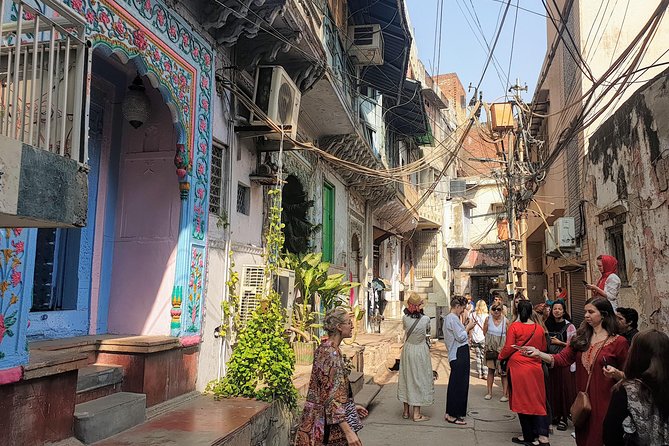
Old Delhi can feel like a TV screen turned up too high: noise, smells, scooter horns, and shop signs everywhere. What makes this tour work is that you’re not wandering randomly. You’re guided through a logical loop—big landmark first, then smaller lanes and markets—so you start understanding the city instead of just surviving it.
I also like the way the tour balances major sights with everyday places. You get the kind of contrast that makes Old Delhi memorable: Mughal grandeur at Jama Masjid, then the tight trade streets of Dariba Kalan and Kinari Bazaar, then the food energy of Paranthe Wali Gali, then the spice-market atmosphere at Khari Baoli.
For $10 per person (and often longer than the 3-hour headline), the value is mainly the structure. You’re paying for time-saving navigation and a guide who helps you interpret what you’re seeing while the streets stay safely manageable.
You can also read our reviews of more walking tours in New Delhi


Meeting point, pickup, and how you actually start
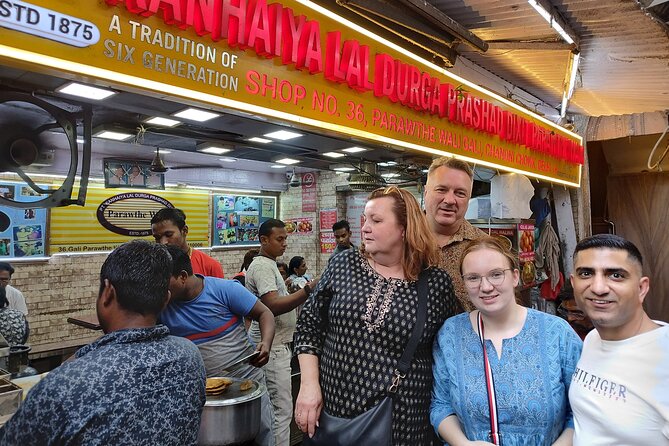
You can meet outside United Coffee House in Connaught Place, with instructions to exit Gate 4 of Rajiv Chowk if you’re coming by Metro. If you prefer less hassle, pickup and drop-off are offered from multiple Delhi-area locations, including hotels and even airports or railway stations.
That matters because Old Delhi logistics can be tricky on your first day in town. In real-world terms, you want a smooth handoff into the neighborhood so you don’t lose your first hour sorting out transit while everyone around you is moving.
The tour also runs with guides in several languages—English, French, German, Italian, and Spanish—so you’re less likely to miss the storytelling that ties the sights together.
Jama Masjid: the big Mughal moment with fewer headaches
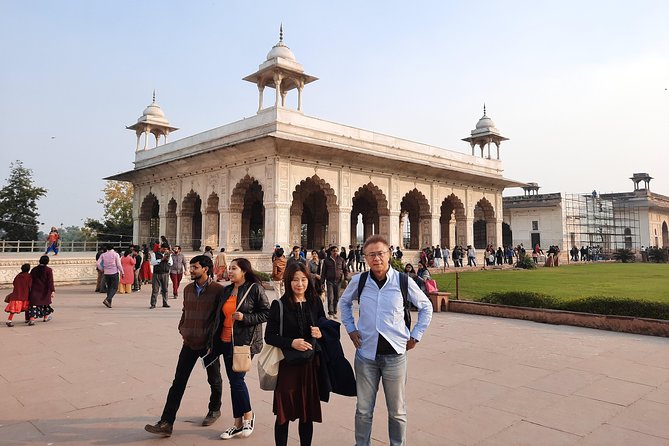
You start at Jama Masjid, India’s largest mosque, with its famous Mughal domes and minarets. It’s the kind of stop that immediately resets your understanding of Delhi: this isn’t just markets and traffic; there’s serious monumental architecture here.
You’ll explore the courtyards and the main areas with a guide who can help you read what you’re looking at. One practical win: the tour includes skip-the-line access via a separate entrance, though Jama Masjid entry tickets are not included—so plan to pay for that part separately.
Dress rules apply here (knees and shoulders covered), and you’ll need to remove shoes at places of worship. The good news is that your tour provides a safe place to store them, which keeps your focus on the visit instead of your footwear.
Dariba Kalan and Kinari Bazaar: silver lanes and wedding-jewelry energy
After the mosque, you slide into the lanes of Dariba Kalan (silver street) and then Kinari Bazaar. These are the kinds of streets where the names matter: Dariba Kalan is tied to silver work, and Kinari Bazaar is known for shiny trims and traditional adornments that show up in clothing and festive wear.
What you’re looking at is not just merchandise. It’s a working craft economy, with people selling and making items right in the flow of daily street life. A guide helps you notice the differences: what’s made here versus what’s sourced, what’s meant for weddings and ceremonies, and how the market rhythm changes as you walk deeper.
This section is also where I’d call out patience. You’re moving through narrow passages with crowds and storefronts squeezed close. If you’re claustrophobic or easily overwhelmed, the guiding and crowd management is a big reason people rate this tour so highly.
Naughara photos and the Jain Temple pause for calm

The tour includes a photo stop around Naughara, where you can see colorful heritage homes. It’s a quick moment to step back from the commercial intensity and get some visual breathing space.
Then you visit an ornate Jain Temple. This part is valuable for two reasons: it adds a different religious tradition to the day, and it gives your senses a break from the loudest market energy. Expect intricate carvings and a calmer atmosphere once you step inside.
If you’re traveling in warm weather, bring a scarf and use it like you mean it. The scarf helps you meet dress requirements and it also works as sun coverage and a barrier against dust.
You can also read our reviews of more historical tours in New Delhi
Paranthe Wali Gali: the food stop that resets your whole day
Paranthe Wali Gali is where the tour turns from sightseeing to eating, and that’s not a small detail. Stuffed paranthas are the focus, and the guide shares stories about Old Delhi culinary traditions and living food culture.
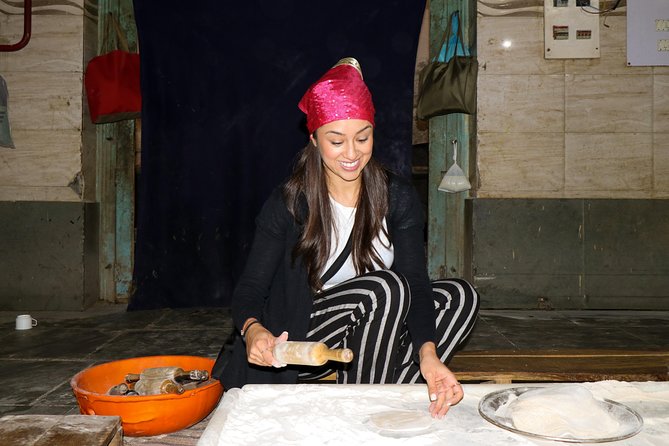
This is the kind of meal stop that helps you understand the city’s identity. The paratha isn’t just food; it’s a local ritual. After walking through lanes all morning, eating something hot and spiced gives you the energy to keep going without turning the rest of the tour into a slog.
One more practical point: Old Delhi meals can be spicy and intense. If you’re not a spice fan, tell your guide up front so they can guide you toward what you’ll actually enjoy.
Chandni Chowk: why you pass through the classic artery

Chandni Chowk appears in the route as another guided sightseeing segment. It’s a recognizable name for most first-time visitors, and it helps connect the day’s stops into one bigger story: Old Delhi’s commercial spine.
You’re not doing this to check a box. You’re walking it with context, so you see how the city’s older trading patterns still shape where people go, what they buy, and how the streets funnel movement.
Chandni Chowk is also a good reminder that Old Delhi changes by the block. Streets can feel chaotic outside a storefront and surprisingly coordinated inside it. A guide helps you notice that difference fast.
Gurudwara Sis Ganj Sahib and the community kitchen effect
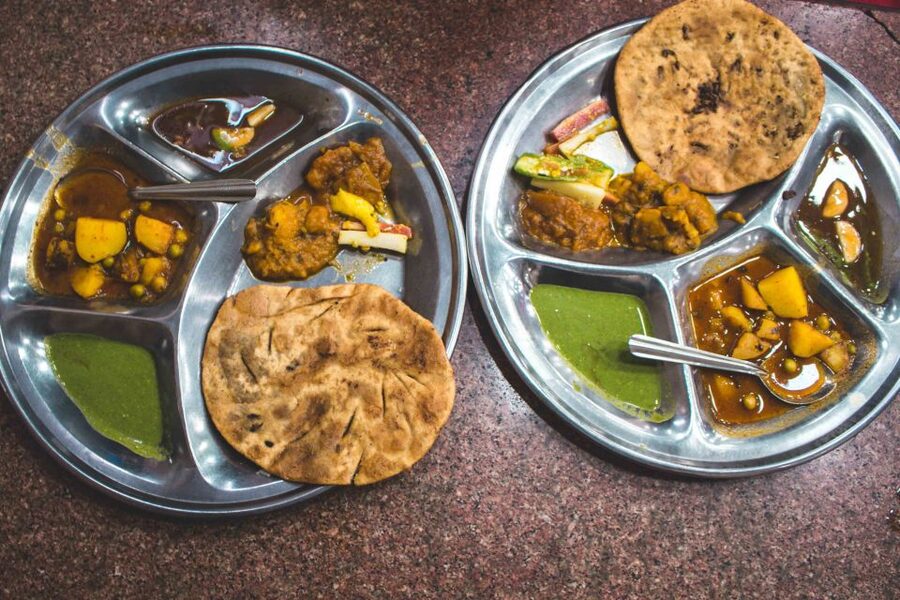
One of the most meaningful parts of the day is Gurudwara Sis Ganj Sahib. You get a guided visit with time to explore the site, including the bustling community kitchen that represents selfless service.
This stop shifts the tone in a way the markets can’t. You’re still in a living religious space, but the energy is directed toward service rather than sales.
Like at other worship sites, you’ll need your shoulders and knees covered, and you’ll remove shoes. If you’re taking photos, follow any on-site guidance from staff and your guide—religious spaces often have specific rules even if visitors are present.
This is also where the right guide makes a difference. In feedback, people highlight how guides like Anes keep things organized and safe on crowded days, and this is the kind of stop where calm guidance really matters.
Khari Baoli: spice-market rickshaw ride you’ll remember
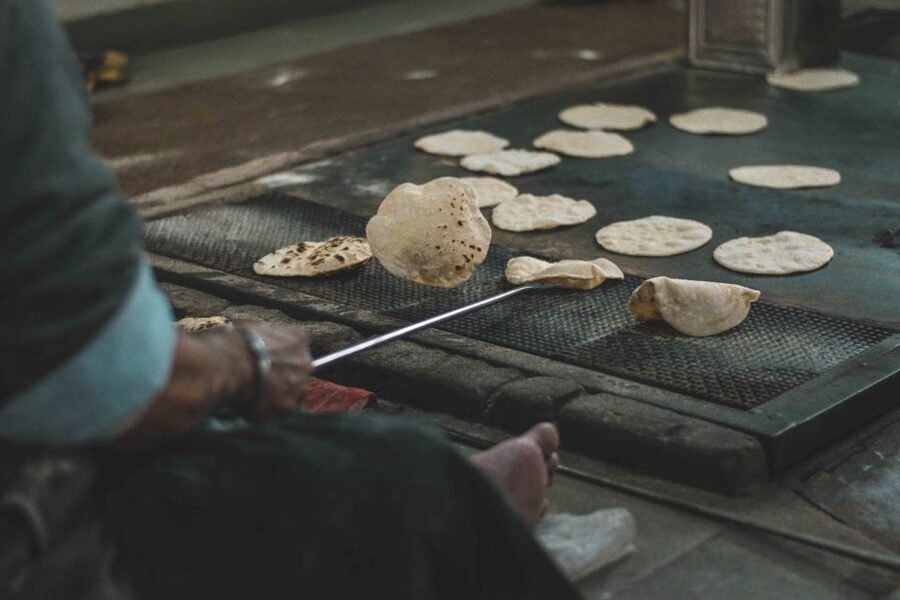
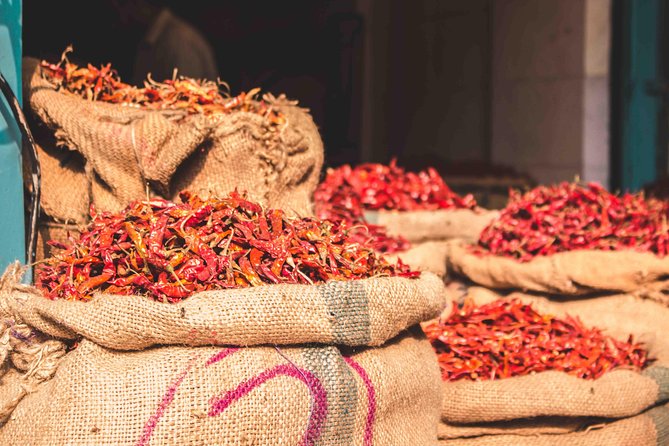
Khari Baoli is described as Asia’s largest spice market, and the tour gives you the chance to experience it more slowly—by cycle rickshaw. The ride through back lanes makes a huge difference. Instead of just standing at the edge of shops trying to look, you get a moving view of the spice trade.
You’ll interact with shopkeepers to learn everyday cooking uses and even mentions of Ayurvedic benefits of spices. Even if you already know the basics, it helps to hear it from people working with the products every day.
Optional shopping happens here, and the tour includes time to browse at your own pace. If you buy spices, the emphasis is on safely sealed spice packs to take home—so you’re not stuck guessing what will leak or go stale on the trip.
As always, be smart with your budget. Shopping is optional, and personal expenses aren’t included. If you’re just there for the experience, you can simply focus on tasting stories and learning how the spice market works.
Price and logistics: is $10 really a deal?
At $10 per person, the price looks like a bargain, but the real question is what you get for that money. You get:
- guided interpretation through major sights and market lanes
- hotel or airport/rail pick-up and drop-off (depending on your option)
- a mix of walking plus rickshaw movement
- rickshaw-based time in the spice market
- multilingual guide support
That combination is the value. The biggest cost in a place like Old Delhi isn’t only money; it’s time and nerves. When your guide helps you navigate crowds, choose where to pause, and keep you oriented, you buy back energy for the rest of your trip.
Transport also feels handled well in feedback. People mention guides managing metro logistics and multiple rides smoothly, which is a big deal if you’re on a tight schedule and don’t want to waste the day solving directions.
What to bring (and what to avoid)
This tour is short on patience for sloppy packing. Bring comfortable shoes, plus a sun hat and sunscreen. A scarf helps with both sun protection and the coverage rules at worship sites.
Avoid shorts and any large bags or luggage. Pets aren’t allowed, either.
If you’re sensitive to heat or crowd noise, plan to pace yourself. You’ll be walking through busy lanes, and you may want water breaks even if the tour includes food at Paranthe Wali Gali.
Who this tour suits best
This tour is a great fit if:
- you want an Old Delhi introduction without getting lost
- you enjoy markets, food, and cultural stops in the same day
- you like having a guide manage crowds and route decisions
- you want rickshaw rides for a different perspective
It may not be the best fit if:
- you need wheelchair accessibility (it isn’t suitable for wheelchair users)
- you hate walking for hours or you’re strongly affected by crowds
- you want a very calm, low-stimulation sightseeing day
Should you book this Old Delhi heritage walk?
I think you should book it if this is your first real look at Old Delhi and you want a guided hit of the essentials: Jama Masjid, market lanes, parathas, a major Sikh shrine, and the spice market by rickshaw. The guide support, plus skip-the-line access at Jama Masjid, helps you spend your energy on seeing instead of negotiating your way through.
Skip it only if you know you can’t handle dense crowds and standing/walking around busy streets. Otherwise, this is one of the more efficient ways to make Old Delhi feel understandable fast.
FAQ
How long is the Old Delhi heritage walking tour with rickshaw ride?
The duration is listed as 3 to 7 hours, depending on the selected option and starting time.
Where do I meet the guide?
The meeting point is outside United Coffee House in Connaught Place. If you’re coming by Metro/subway, exit from Gate 4 of Rajiv Chowk.
Is pickup and drop-off included?
Yes, pick-up and drop-off from hotel or accommodation and also from the airport or railway station are included options, with pickup offered from several Delhi-area locations.
Do I need a ticket for Jama Masjid?
Jama Masjid entry tickets are not included, even though the tour includes skip-the-line access via a separate entrance.
What should I wear and bring for places of worship?
You must cover knees and shoulders at places of worship. Bring comfortable shoes, a sun hat, sunscreen, and a scarf, and expect shoes to be removed at worship sites.
Are there restrictions on luggage or clothing?
Yes. Shorts, pets, and luggage or large bags are not allowed.
Is there free cancellation?
You can cancel up to 24 hours in advance for a full refund.