REVIEW · NUREMBERG
Nuremberg: Free Walking Tour
Book on GetYourGuide →Operated by Nuremberg Free Walking Tour - The Original · Bookable on GetYourGuide
Old Nuremberg tells stories fast. This free-style walking tour (you’ll see why it’s not really just about photos) follows the city’s arc from medieval power to Nazi-era darkness and then to post-WWII rebuild, led by a born-and-raised local Andreas.
I love how the tour keeps history human, not textbook. You’ll get specific stops like Albrecht Dürer’s House and the churches and civic buildings of the old town, with real local context and lots of Q&A time.
One possible drawback: the topic range includes the Nazi era and how Nuremberg dealt with that legacy. If you want only carefree sightseeing, this might feel heavy in the middle.
In This Review
- Key Highlights You’ll Feel on the Walk
- From Schöner Brunnen to Hauptmarkt: Getting Oriented in Real Nuremberg
- St. Sebaldus Church and the Old City Hall: Why Nuremberg’s Pride Looked Like Stone
- The Imperial Castle: Power, Strategy, and a Sense of Scale
- Albrecht Dürer’s House: Art as Another Kind of Power
- Weissgerbergasse: Half-Timbered Charm and Everyday Culture
- Hangman’s Bridge: Franz Schmidt and the Stories That Don’t Feel Like Legends
- WWII, Doom, Reconstruction, and Dealing With Nazi Heritage
- Price and Value: How a “Free” Tour Still Helps You Spend Smart
- What Logistics Actually Matter: Language, Group Size, and Comfort
- Who This Tour Fits Best
- Should You Book Nuremberg Free Walking Tour?
- FAQ
- How long is the Nuremberg walking tour?
- What’s the meeting point?
- Is the tour truly free?
- What languages are offered?
- Is there free cancellation?
- Can I reserve without paying now?
- What should I bring?
- Which major sites are not included?
- Is it a small group?
Key Highlights You’ll Feel on the Walk
- Schöner Brunnen start: a classic way to orient yourself before the story speeds up
- Hauptmarkt Nürnberg: the city’s daily-life stage, not just a square on a map
- St. Sebaldus Church: religious architecture with cultural meaning
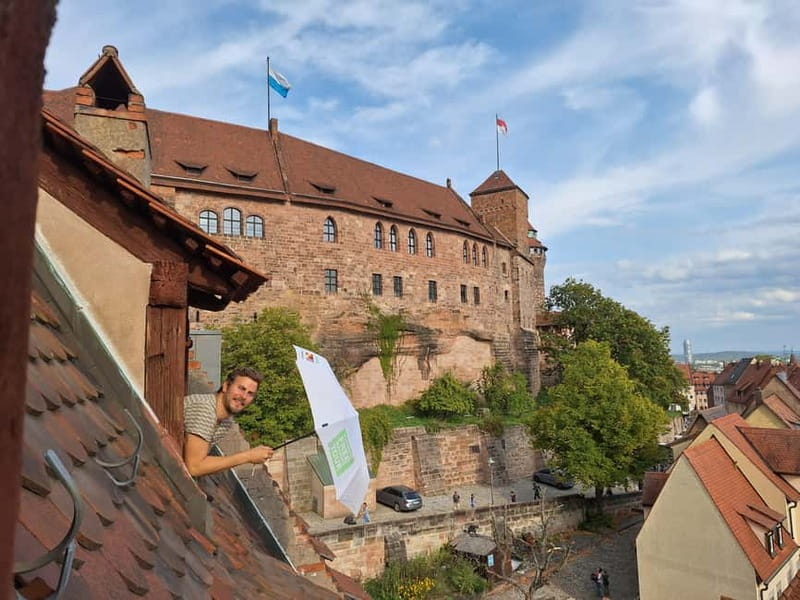
- Imperial Castle viewpoints: power and place, side by side
- Franz Schmidt stories: a surprising, more nuanced angle on a notorious figure
- Rebuild after WWII + Nazi-heritage handling: how the city moved forward
From Schöner Brunnen to Hauptmarkt: Getting Oriented in Real Nuremberg
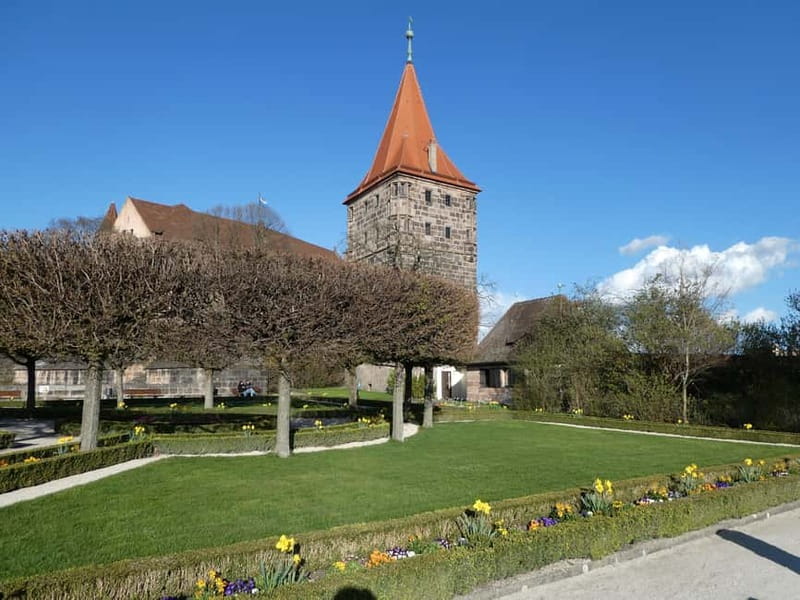
The tour starts at Schöner Brunnen, the kind of landmark that makes you feel like you’ve stepped into an old postcard without trying too hard. From there, you’ll walk into Hauptmarkt Nürnberg, where Nuremberg’s story has always been on display—trade, civic life, and the everyday rhythm of the old city.
What I like about this opening is the pacing. You don’t just hear dates. You hear what those places were for. Andreas frames the early “golden age” period in a way that makes medieval prosperity feel logical, not random.
And yes, you’ll be in the center of it early—so wear comfortable walking shoes right away. This tour is about moving through the city, not standing around waiting for the next explanation.
You can also read our reviews of more walking tours in Nuremberg

St. Sebaldus Church and the Old City Hall: Why Nuremberg’s Pride Looked Like Stone
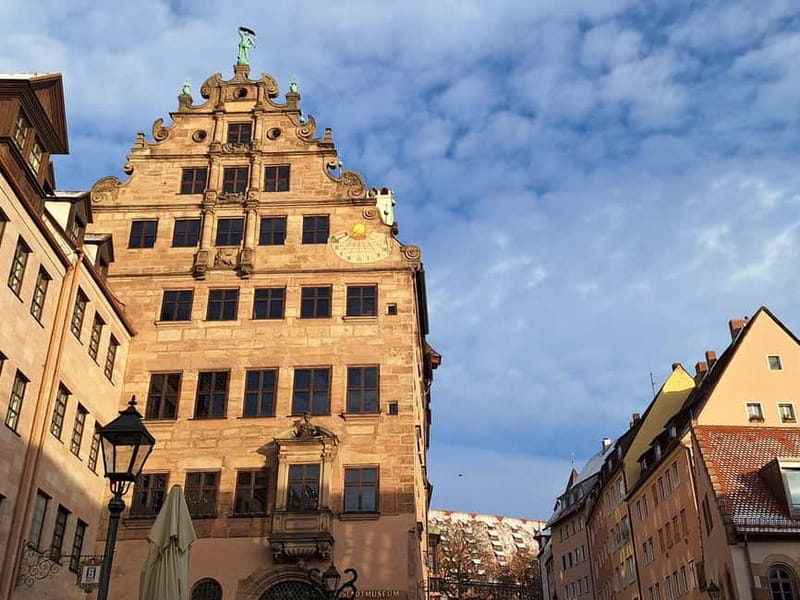
Next up are two big “identity” stops: St. Sebaldus Church and the Old City Hall Nuremberg. Churches in German cities aren’t just religious buildings; they’re also anchors of community and art, built to last. City halls do the same job for civic power—this is where authority becomes visible.
I like the way the tour connects architecture to power. You’ll walk in front of grand structures and learn why they mattered across different eras, including how Nuremberg shifted from medieval strength into darker chapters later on. It makes the buildings feel like witnesses, not backdrops.
Practical note: these stops can attract crowds in peak hours, so come ready to listen closely and keep your questions coming. The tour is designed for a steady flow with guided time at each location.
The Imperial Castle: Power, Strategy, and a Sense of Scale
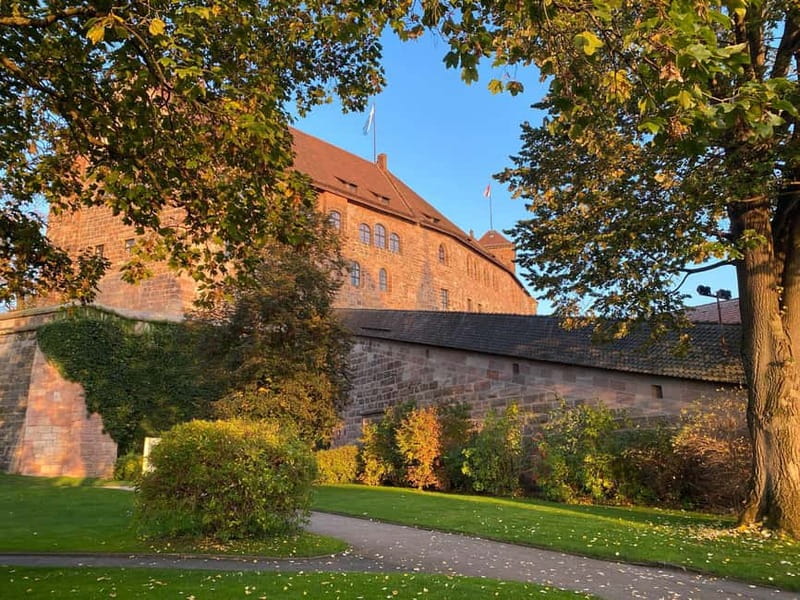
Then you’ll reach the Imperial Castle of Nuremberg. Castles always sound dramatic in brochures, but the real value here is scale. From the castle area, you can sense how control and defense shaped the city’s layout.
This is also where the tour’s timeline feels most tangible. You’re not only learning about the Middle Ages. You’re seeing how the city’s role changed over time, then hearing how later periods left their own marks on Nuremberg’s identity.
If you like history that has a physical “where” attached to it—castle above, city below—this stop will click fast. Bring a camera, but also take a minute to look beyond the frame. The point isn’t just the view; it’s what the view explains.
Albrecht Dürer’s House: Art as Another Kind of Power
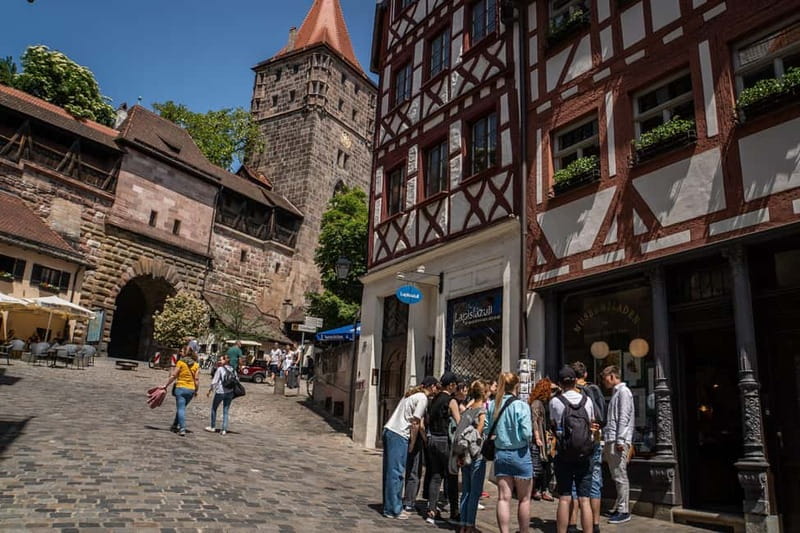
One of the most memorable stops is Albrecht Dürer’s House—the tour presents it as the home of one of Germany’s most important artists. That matters because the story doesn’t treat Nuremberg like it only produced politicians and soldiers. It also produced ideas, design, and cultural influence.
I like that the guide doesn’t turn this into a dry art lecture. Instead, you get context for why Dürer fits Nuremberg’s “Golden Age” image—and how a city’s creativity often mirrors its confidence.
This stop is also a nice emotional reset. After civic and military structures, you get something more personal: a sense of what people were building with their minds, not just their hands.
Weissgerbergasse: Half-Timbered Charm and Everyday Culture
The walk continues to Weissgerbergasse, a place where Nuremberg’s medieval feel shows up in the details. Expect the classic half-timbered character and the kind of street atmosphere that makes you slow down without realizing it.
The tour frames this area as part of Nuremberg’s culture, not only its architecture. You’ll also get the guide’s take on typical Nuremberg specialties and where to find good options, so the sightseeing isn’t floating in theory. It becomes actionable: you leave knowing what to look for when you want to eat like the city.
Tip: use this segment to ask questions. This is a good moment to tailor your next day—what neighborhoods to wander next, what to skip, and what’s worth your time if you only have a day or two.
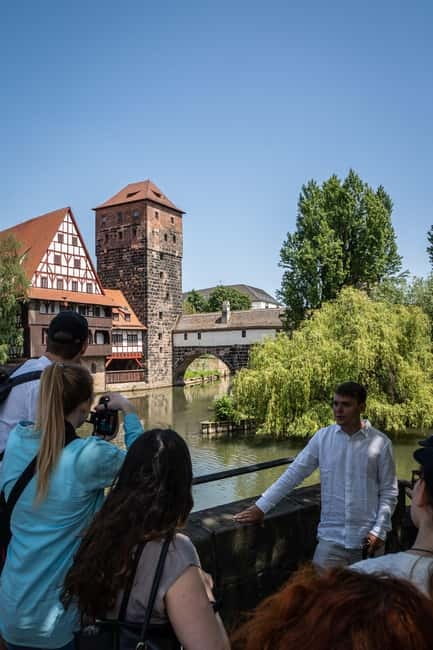
Hangman’s Bridge: Franz Schmidt and the Stories That Don’t Feel Like Legends
One of the most talked-about stops is Hangman’s Bridge—and it comes with a standout story about Franz Schmidt, the hangman. The tour’s angle is the part that stays with me: it explains why Schmidt was more friendly than you might assume from the title.
This is the kind of storytelling that makes history feel close. You start thinking about people as humans shaped by their jobs and the rules around them—not as spooky characters from a distance. Even if you don’t agree with every detail, the lesson is solid: Nuremberg’s past is complicated, and it’s your job (with a guide) to read between the headlines.
WWII, Doom, Reconstruction, and Dealing With Nazi Heritage
Here’s where the tour takes a serious turn. You’ll hear the story of Nuremberg’s “doom” in WWII, followed by how the city was rebuilt afterward. The guiding goal is to show what came after destruction—not just what happened during it.
The tour also addresses Nuremberg’s path to dealing with the heritage of the Nazi era. What I appreciate is the balance in tone: it doesn’t pretend the past is simple, and it doesn’t rush past the hard parts like they’re awkward filler. Instead, you get a guided understanding of how a city lives with a legacy it never asked for in the shape it ultimately took.
Important consideration: this portion can be emotionally heavy. If you’re sensitive to difficult history, plan your day with breathing room afterward. A café stop or a short rest will help you process the story without feeling rushed.
Also worth knowing: the tour is not trying to cover everything. For example, the courthouse of the Nuremberg trials and the former Nazi rally grounds are listed as not included. So if those are your must-dos, you’ll likely want separate plans.
Price and Value: How a “Free” Tour Still Helps You Spend Smart
The price shown for this experience is $3.54 per person, and it’s presented as a free walking tour style. Even at that low cost, the bigger value isn’t the money—it’s the local narrative packed into about 2 to 2.5 hours.
You get a lot for the time: multiple major landmarks, a connected timeline (medieval to 3rd Reich to post-WWII), and practical guidance like where to find good Nuremberg food. That combination matters. A history tour that only talks facts leaves you with questions. A history tour that also points you toward what to do next saves you time—and that’s real value.
Plan to tip if you feel it was worth it. Tips aren’t included, and some guides (and group culture) run better when you’re ready at the end. Carrying a bit of cash can make that part easier.
What Logistics Actually Matter: Language, Group Size, and Comfort
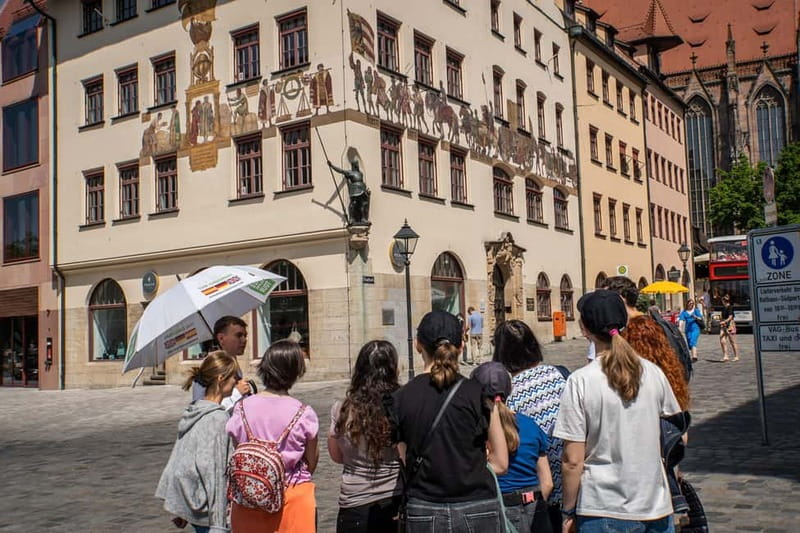
This is a live walking tour with a guide in German, Spanish, or English. The experience is designed for a small group, which usually means you’re not lost in a crowd and you can ask questions without yelling over ten conversations.
You’ll be walking for roughly 2 to 2.5 hours, so your biggest “prep” is simple:
- Comfortable shoes
- Water
- Dress for the weather forecast
And one more thing: the route includes outdoor time. On hotter days, shade can make a difference, so don’t assume every stop will feel cool and comfortable.
Who This Tour Fits Best
I think this tour is best if you like history that connects to place. If you enjoy learning why buildings and streets look the way they do—and you’re okay with the difficult chapters—this walk gives you a strong framework for Nuremberg.
It also works well for a first visit. With landmarks clustered in the old center, you get oriented quickly and leave with a clearer idea of what to explore on your own.
If you prefer strictly light entertainment, you might find the WWII and Nazi-heritage discussion too much. The same content that makes it meaningful can feel like a lot if you’re in a purely vacation-mode mood.
Should You Book Nuremberg Free Walking Tour?
Yes—with one condition. Book it if you want a guided walk that covers the city’s full story, including the uncomfortable parts, and you’ll value food tips and local context along the way.
Skip it only if you’re hoping for a purely feel-good highlights tour with no heavy historical themes. The tour’s strength is exactly that it doesn’t dodge the past.
FAQ
How long is the Nuremberg walking tour?
It runs about 2 to 2.5 hours, with a guided walking pace between stops.
What’s the meeting point?
Meet at Schöner Brunnen. Look for the white umbrella with the green symbol.
Is the tour truly free?
It’s called a free walking tour, and the price shown is $3.54 per person. A tip for the guide is not included.
What languages are offered?
The guide provides the tour in German, Spanish, and English.
Is there free cancellation?
Yes. You can cancel up to 24 hours in advance for a full refund.
Can I reserve without paying now?
Yes. There’s a reserve now & pay later option.
What should I bring?
Bring comfortable walking shoes, water, and consider a camera. Dress for the weather.
Which major sites are not included?
The Courthouse of the Nuremberg trials and the former Nazi rally grounds are listed as not included.
Is it a small group?
Yes. It’s offered as a small group experience.