REVIEW · NEW ORLEANS
New Orleans French Quarter Architecture Walking Tour
Book on Viator →Operated by NOLA Tours · Bookable on Viator
French Quarter buildings talk when you listen. This small-group architecture walk turns familiar street scenes into something you can actually read, from Spanish-to-American changes to the big landmarks around Jackson Square and St. Louis Cathedral. I also like the relaxed pace (max 14) and the chance to ask questions as you go. One catch: when the streets get busy or noisy, it can be a little hard to catch every word.
If you want a French Quarter intro that feels practical—not just trivia—this fits. The stop-and-stroll format makes it easy to notice details you’d otherwise walk right past.
In This Review
- Key Highlights You’ll Care About
- Why This French Quarter Architecture Walk Makes Sense
- Price and Value: $40 for a Local, Licensed Guide
- Meeting at 523 St Ann St. and What the Walk Feels Like
- Stop-by-Stop: From French Quarter Basics to Royal Street Clues
- Getting Oriented in the French Quarter
- Jackson Square: The Cathedral-Cabildo-Presbytere Block
- St. Louis Cathedral: From Wooden Parish Church to Big Cathedral
- Cabildo: Building Style and Civic Significance
- Presbytere: Past Role, Present Status
- Chartres Street: Spanish-Era to American-Period Transitions
- Royal Street: Learn to Identify Building Types
- Guides Make the Difference: Storytelling + Details
- Weather, Footwear, and When to Go
- Who This Tour Is Best For
- Should You Book This French Quarter Architecture Walking Tour?
- FAQ
- How long is the New Orleans French Quarter architecture walking tour?
- How many people are in each tour group?
- Where do I meet the guide?
- Is the tour offered in English?
- Do I need to pay extra admission fees at the stops?
- What should I bring?
- What happens if weather is bad?
Key Highlights You’ll Care About
- Max 14 people means less crowd stress and more time for questions
- Landmark circuit covers Jackson Square, St. Louis Cathedral, Cabildo, Presbytere, plus key streets nearby
- Architecture through time shows how French and Spanish styles influenced what you see today
- Spot the building types on Royal Street, with help identifying stylistic clues
- Guide storytelling adds context (you’ll hear people-history and construction explanations, not just dates)
Why This French Quarter Architecture Walk Makes Sense
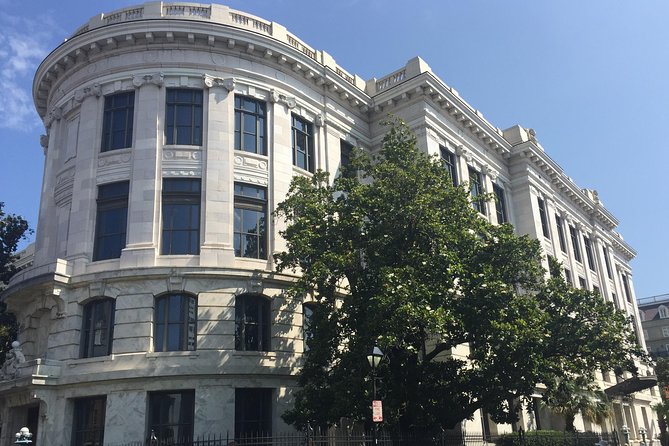
New Orleans can feel like one long photo op. This tour helps you slow down enough to notice what’s behind the photos. The big win is that you’re not just looking at pretty facades—you’re learning how styles, materials, and historical influences shaped the buildings around you.
You get a clean arc in about two hours: start with a quick orientation, then hit the major squares and streets where the architectural influences show up most clearly, and end with the stroll-and-spot-your-own clues on Royal Street. It’s a smart way to get your bearings fast before you wander on your own later.
The group size matters here. With up to 14, you’re not stuck listening to a guide projected at the back row. Instead, you can ask follow-up questions when something catches your eye.
You can also read our reviews of more walking tours in New Orleans



Price and Value: $40 for a Local, Licensed Guide
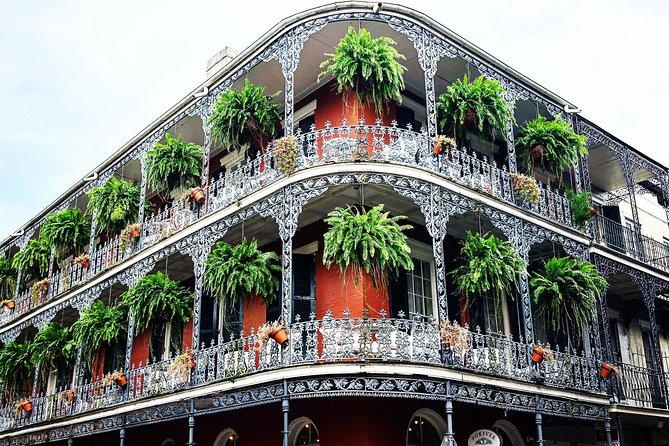
At $40 per person for around two hours, you’re paying for more than walking. You’re paying for a licensed, insured local guide with serious local familiarity and the ability to connect architecture to the city’s story.
What makes the price feel fair is the blend of:
- Landmark stops that anchor your understanding (not random house fronts)
- No extra admission fees listed for the stops you visit
- Time to ask questions, which is where a tour like this earns its money
Also, this is the kind of experience where the value keeps paying off after the walk. You leave with a better eye for what you’re seeing—so the French Quarter stays interesting even once the tour ends.
Meeting at 523 St Ann St. and What the Walk Feels Like
The tour starts at 523 St Ann St. and ends back at the same meeting point. That’s handy: you don’t need to re-plan transit or route at the end.
It runs in English and uses a mobile ticket. If you’re the type who likes to stay organized, this is easy: check in, meet your guide, and go.
You should also plan on real walking. This isn’t a bus tour or a sit-and-watch museum route. Bring comfortable walking shoes, and use sunscreen and an umbrella if the forecast looks questionable. (New Orleans weather has a way of changing its mind.)
Stop-by-Stop: From French Quarter Basics to Royal Street Clues
Here’s how the tour unfolds, and what each stop is good for.
Getting Oriented in the French Quarter
You begin with a short history intro that sets the stage for everything that follows. It’s not meant to be overwhelming—just enough context so the buildings stop feeling random. If you’re new to the city, this early grounding pays off quickly.
What I like about this start is that it frames what you’ll see next. You get a sense of how the French and Spanish periods influenced the built environment, and why New Orleans doesn’t look like a generic American city.






Jackson Square: The Cathedral-Cabildo-Presbytere Block
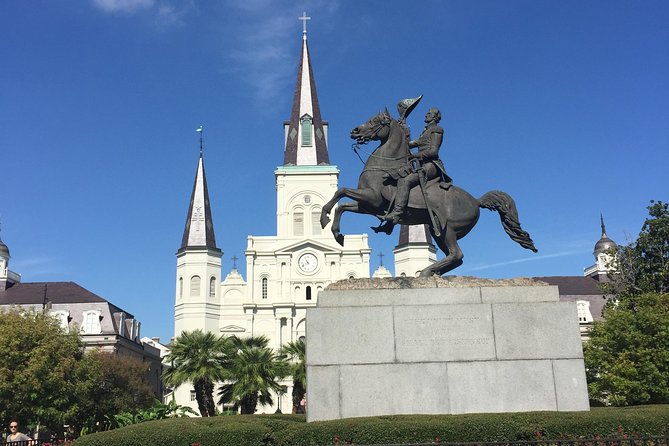
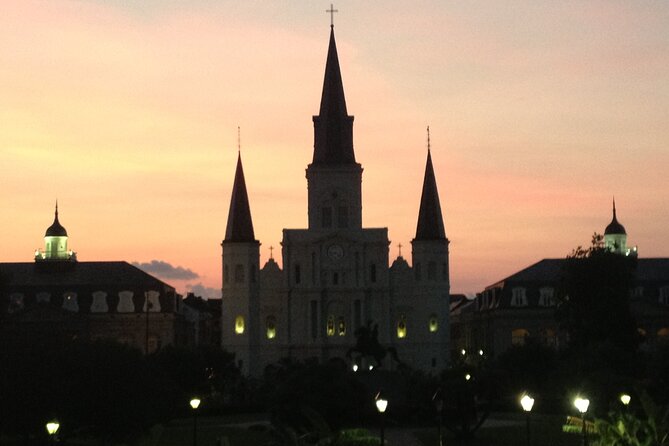
Next comes Jackson Square, where the guide walks you through the major buildings lining the park—especially the Cathedral, Cabildo, and Presbytere. You’ll also hear about the Pontalba Buildings, which is one of those topics that helps the square feel less like a postcard and more like a working piece of city planning.
This stop is especially useful because it’s the architectural hub. Once you understand what these structures represent and how they relate to the Spanish/French era and later changes, the rest of the Quarter starts to click.
A practical note: this area is often lively. If you’re someone who really needs audio clarity, position yourself where you can hear without jostling.
St. Louis Cathedral: From Wooden Parish Church to Big Cathedral
At St. Louis Cathedral, you get the story of how this church started much humbler—beginning as a wooden parish church—before becoming the grand building you see now.
This is a great stop if you like cause-and-effect history. The guide’s framing helps you understand how a city’s growth shows up in architecture: bigger ambitions tend to produce bigger structures over time.
Even if you’ve walked past the Cathedral before, the explanation helps you notice details with new context.
Cabildo: Building Style and Civic Significance
The tour then moves to Cabildo, where the guide focuses on the building’s historical era, significance, and style. This stop isn’t just about admiring a facade—it’s about understanding why this structure mattered to the city’s public life.
If you enjoy stories about how communities governed themselves, this part will feel like a turning point. Cabildo is where architecture meets civic purpose.
Presbytere: Past Role, Present Status
At the Presbytere, you’ll hear the building’s history and where things stand today. This stop helps you connect the dots between what a building was for and what it became as the city changed.
A lot of visitors read New Orleans buildings as static. This tour nudges you to think of them as evolving tools—adapted for changing needs, not preserved in time.
Chartres Street: Spanish-Era to American-Period Transitions
Then you get a longer stretch devoted to Chartres Street. The guide points out buildings with historic significance that span from the Spanish era into the American period.
This section is valuable because it teaches you to compare eras visually. You start to pick up on how later influences alter design choices, even when the neighborhood identity stays strong.
One reason Chartres is a smart stop: you’ll see the architectural timeline without needing to move far. It’s a compact way to understand transitions in the Quarter.
Royal Street: Learn to Identify Building Types
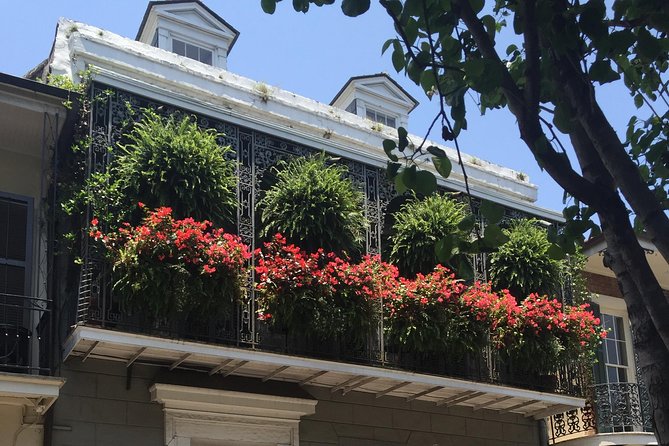
The final practical-feeling stop is Royal Street, a great strolling corridor for shops and restaurants. Here, the guide turns the architecture lesson into a skill: you learn more about how to identify different types of buildings.
This is where the tour becomes useful for your own wandering. Once you’ve been trained on what to look for—shape cues, stylistic markers, and period hints—you’ll notice more as you walk on your own after the tour ends.
If you like shopping, this is also a good moment to slow down and browse. Some guides have been known to recommend specific places to check out nearby after the architecture talk, like an antique store on Royal Street that one guide highlighted—so if something catches your interest, ask your guide what to stop for.
Guides Make the Difference: Storytelling + Details
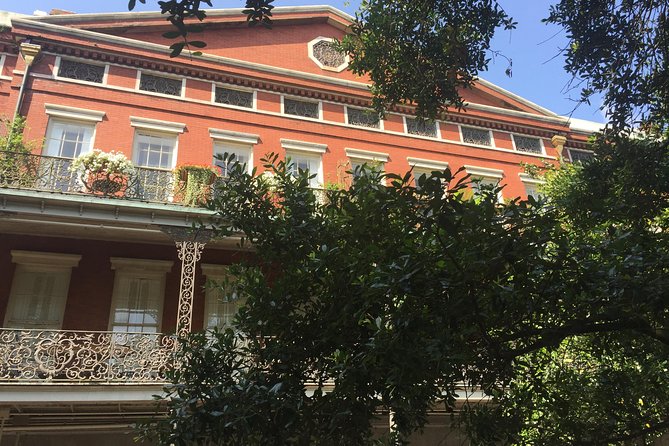
The architecture is the headline, but the delivery is what keeps people coming back. The experience is run by local guides who bring personality and local attachment into the stories.
In the wild, you might hear a guide use visual aids like a binder with photos and historical info, which helps connect events to the architecture you’re standing next to. You might also get story-driven emphasis on the role of strong Creole women and how people’s influence shaped the community and its buildings. Another guide style you could run into: a friendly, humorous tone (including dad-jokes) that makes a cold or rainy walk feel easier.
Not every guide teaches in the same voice, and if you’re sensitive to audio (busy corners, loud sidewalks), you may find some segments harder to follow. Still, the consistent theme is that guides don’t treat this like a checklist—they explain the why behind the look.
And you’re not limited to history lectures. Guides often share practical tips for what to see and do after the tour, so the walking route becomes part of a bigger plan for your trip.
Weather, Footwear, and When to Go
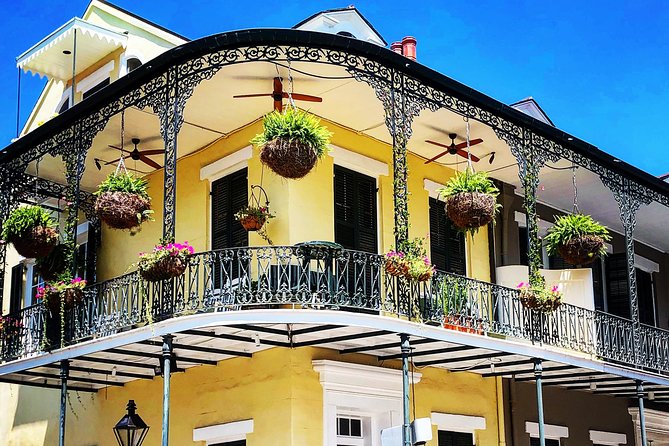
This tour requires good weather, meaning you shouldn’t count on it running if conditions are poor. New Orleans can swing quickly, so come prepared.
Bring:
- Comfortable walking shoes (the Quarter is uneven in spots)
- Sunscreen if it’s bright
- An umbrella if there’s any chance of rain
If it’s hot, a good guide will manage the route with shade and pacing in mind. If it’s cold, it can help to take advantage of sunny patches when the guide tries to steer the group to drier, warmer areas.
Who This Tour Is Best For
This is a strong fit if you:
- Want a focused introduction to French Quarter architecture without a deep-school lecture
- Enjoy walking tours that include both buildings and the people behind them
- Plan to spend more time in the French Quarter afterward and want a better eye for what you’re seeing
- Travel with teens or mixed-age groups who might not want a museum day
It’s also a great option for couples and solo travelers. The small group size keeps it social but not chaotic.
If you’re expecting a highly technical architectural seminar with heavy jargon all the way through, you might feel it’s more accessible than academic. The tour is designed to connect architecture to story and neighborhood context.
Should You Book This French Quarter Architecture Walking Tour?
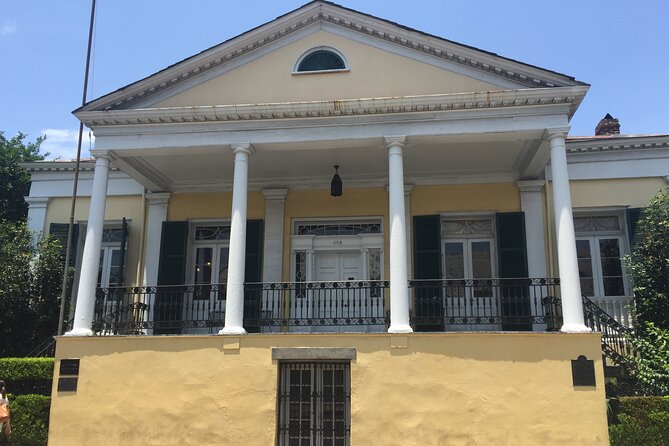
Yes, if you want a smart, small-group way to start your French Quarter trip. For $40, you’re getting a local guide, landmark-heavy coverage, and a real skill: learning how to identify building types and interpret what French and Spanish influences did to the city’s architecture.
Book it early in your visit. You’ll get more out of the rest of the Quarter once you understand what you’re looking at. And if you care about hearing every detail, aim to stand where you can see and listen without getting pushed around by foot traffic.
If you like your tours with a little story, a little humor, and plenty of questions, this one has your name on it.
FAQ
How long is the New Orleans French Quarter architecture walking tour?
It runs for about 2 hours.
How many people are in each tour group?
The tour is limited to a maximum of 14 travelers.
Where do I meet the guide?
The meeting point is 523 St Ann St., New Orleans, LA 70116, USA.
Is the tour offered in English?
Yes, it’s offered in English.
Do I need to pay extra admission fees at the stops?
The stop notes list admission tickets as free, and the tour includes the local licensed guide. No extra entry fees are specified for these stops.
What should I bring?
Bring comfortable walking shoes, and consider an umbrella and sunscreen.
What happens if weather is bad?
This experience requires good weather. If it’s canceled due to poor weather, you’ll be offered a different date or a full refund.