REVIEW · LUCCA
Lucca: 2-Hour City Center Walking Tour
Book on GetYourGuide →Operated by Coop. Turislucca · Bookable on GetYourGuide
Two hours can change how you see Lucca. This small-city walking tour is a guided walk through the old town’s biggest landmarks, with a licensed local guide who helps you connect dates, buildings, and stories. I especially like the way you cover both the iconic sites and the everyday lanes that make Lucca feel lived-in.
I love how the walk hits major stops that define the city’s character, including San Michele and the ancient walls. It also feels easy to follow: guides listed for this tour (like Marta, Roberta, and Nadia) are known for clear explanations and humor that keeps things moving at a gentle stroll pace.
One thing to plan around: the tour ends at the cathedral area, but the cathedral interior is optional and costs extra (about €3). If you hate walking, this probably won’t be your favorite way to see Lucca’s core.
In This Review
- Key highlights worth planning for
- Starting at Vecchia Porta S. Donato: where the walk clicks into place
- San Michele and Piazza San Michele: the 1,000+ year anchor
- Piazza Napoleone and Via Fillungo: seeing the city’s daily rhythm
- Torre delle Ore and Torre Guinigi: towers you’ll remember
- San Frediano and Piazza Anfiteatro: layers that still feel real
- The Sixteenth-Century Walls walk: Lucca’s identity in motion
- Lucca Cathedral finish: optional interior and a small extra cost
- Price and value: does $17 really make sense for 2 hours?
- Pacing, guide style, and what to expect in real terms
- Practical advice: shoes, timing, and how to get the most from it
- Who should book this Lucca walking tour (and who might not)
- Should you book? My straight answer
- FAQ
- Where does the tour start?
- How long is the Lucca city center walking tour?
- What sights are included on the walk?
- What languages is the tour offered in?
- Is the Lucca Cathedral interior included in the price?
- How much does the tour cost?
- What should I bring?
Key highlights worth planning for
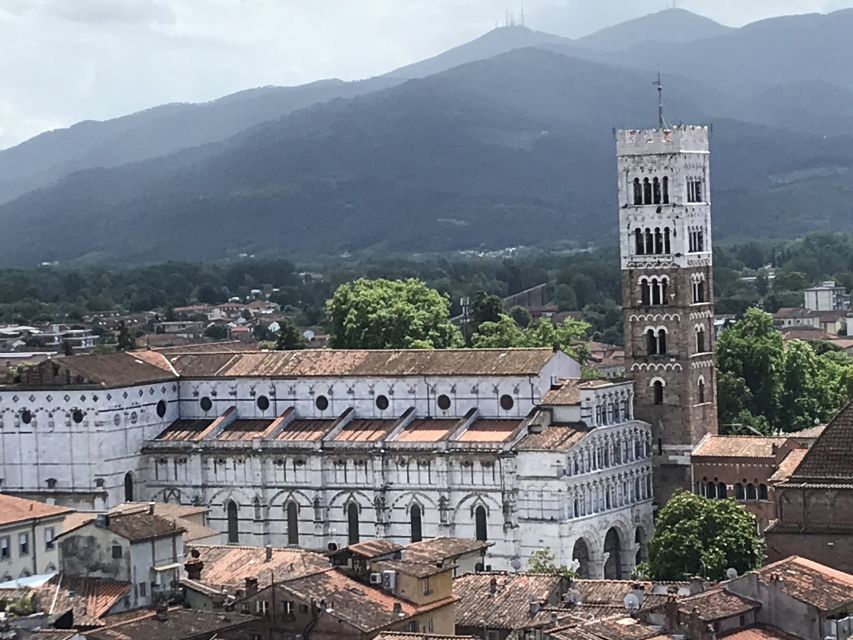
- San Michele in Piazza San Michele: more than 1,000 years of history in one major stop
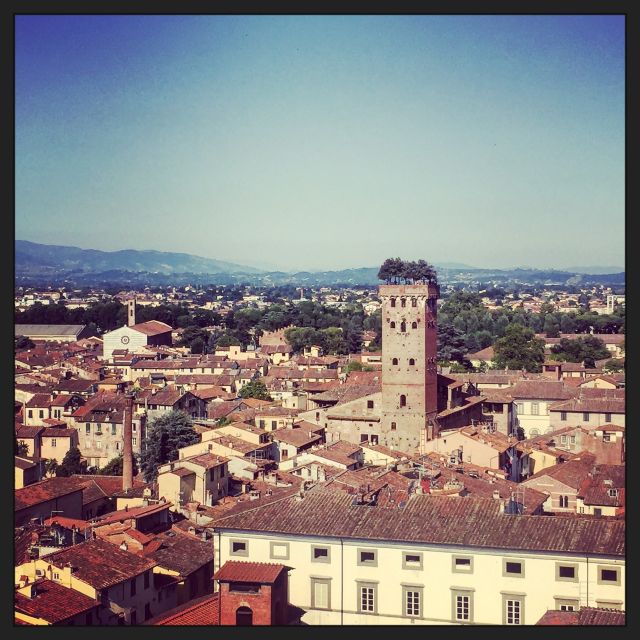
- Lucca’s signature skyline towers: Torre delle Ore and Torre Guinigi on your route
- Via Fillungo: the central street where Lucca’s city-state energy shows up in real life
- Piazza Anfiteatro: a built environment that still feels Roman even after centuries
- Sixteenth-century Walls walking sections: views and a different angle on the city
- Lucca Cathedral area finish: optional interior visit if you pay the small fee
Starting at Vecchia Porta S. Donato: where the walk clicks into place
Most city walks start with a vibe check. This one starts with a very Lucca-style setting. You meet at the Tourist Information Office at Vecchia Porta S. Donato, Piazzale Giuseppe Verdi, 55100 Lucca. That’s a practical spot: you’re in the center, so you’re not spending time crossing the city just to begin.
From there, I like the overall structure of the experience. It’s designed to get you orientated fast—how Lucca is laid out, where the squares sit, and why the city feels “contained” compared to bigger Tuscan destinations. You’re also walking with a professional licensed local guide from Coop. Turislucca, and this tour runs simultaneously in English and Italian.
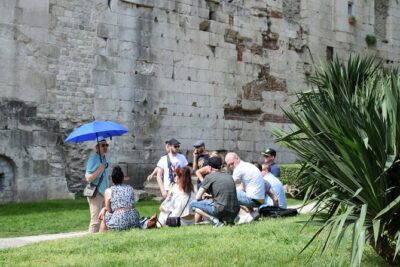
Group size can vary, but at least one recent walk was described as modest (around 15 people). That matters because it helps you hear the guide without fighting the noise. You’ll still want to arrive a few minutes early so you’re not rushing onto a street that’s narrow and busy.
You can also read our reviews of more walking tours in Lucca
San Michele and Piazza San Michele: the 1,000+ year anchor
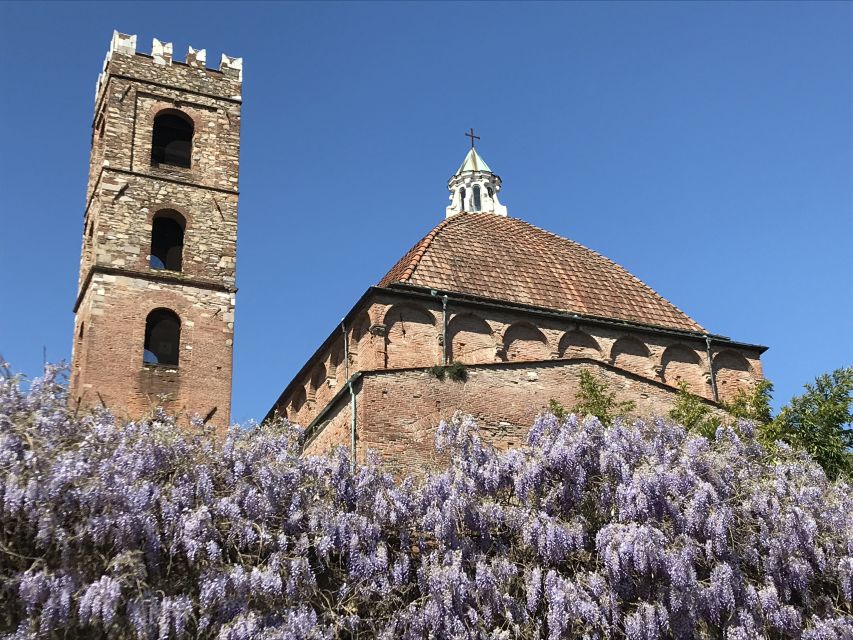
The first “big stop” energy comes from San Michele, a church that’s over 1,000 years old. Even if you’re not a hardcore architecture person, this is the kind of landmark that helps you understand why Lucca mattered. The guide frames it as more than a pretty facade—this is part of how Lucca kept its identity over centuries.
Piazza San Michele is where you get the sense of Lucca as a former city-state: compact, self-contained, and proud of its own traditions. Sitting in this space (even briefly) also gives you a visual reset before you start moving again—so the rest of the walk feels like a guided story, not just a list of sights.
If you like “what to notice” moments, this stop is good. The guide’s job here is to make you see details you would likely miss on your own, like how the surrounding urban layout supports the church’s importance.
Piazza Napoleone and Via Fillungo: seeing the city’s daily rhythm
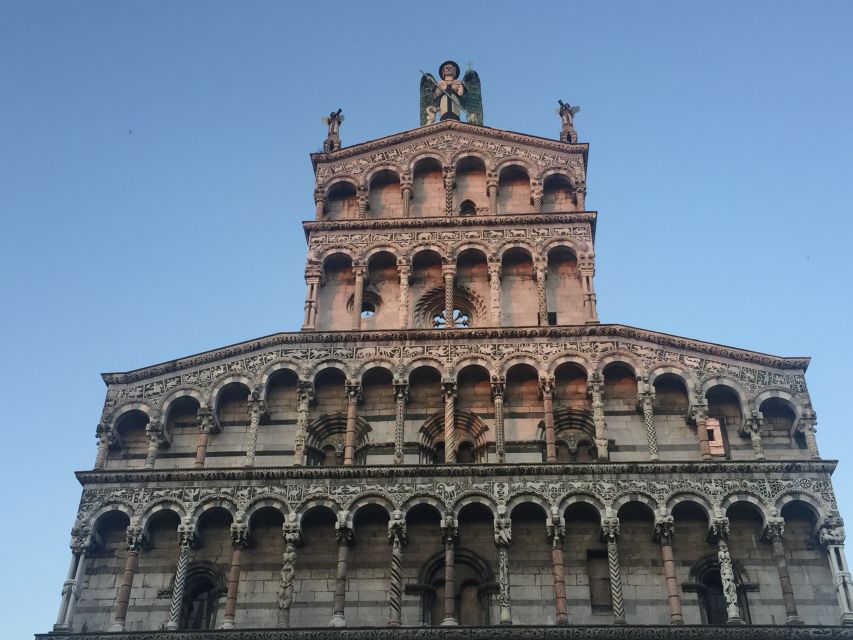
From the church square, you move into more street-level Lucca. Piazza Napoleone gives you another key public space—useful because Lucca’s history shows up in its town squares, not only inside museums.
Then there’s via Fillungo, one of the main arteries in the historic center. I like that the tour includes it because you get an on-the-ground feeling for Lucca. It’s easy to visit a place and only see it from behind ticket lines. This route gives you that “I’m in the city” feeling—shops, street life, and the way the lanes funnel you toward the next landmark.
This is also where your guide’s style matters. Multiple guides associated with this tour (names like Marta, Roberta, Lucia, and Victoria appear in the guide stories) are praised for being engaging and easy to understand. That tends to mean fewer awkward pauses where you’re left wondering what you’re looking at.
Torre delle Ore and Torre Guinigi: towers you’ll remember
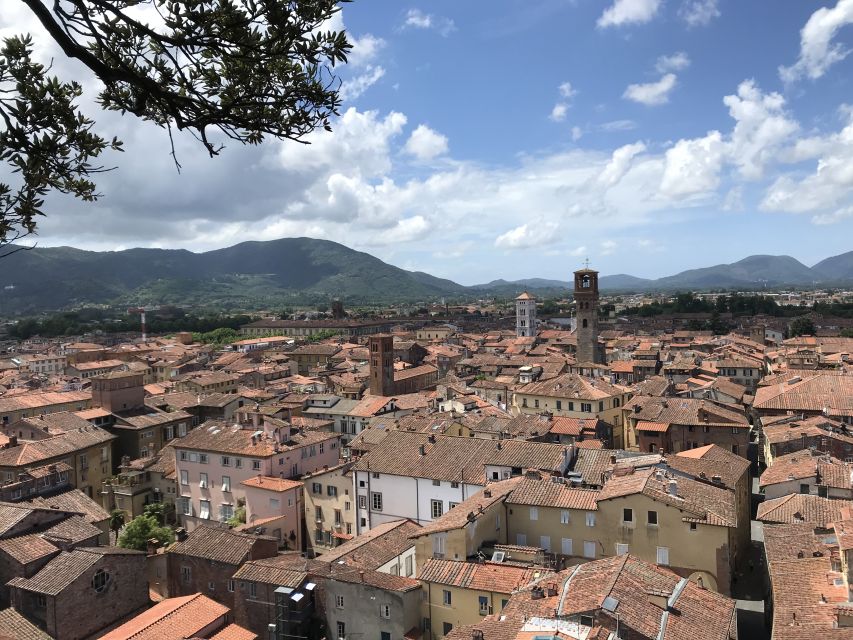
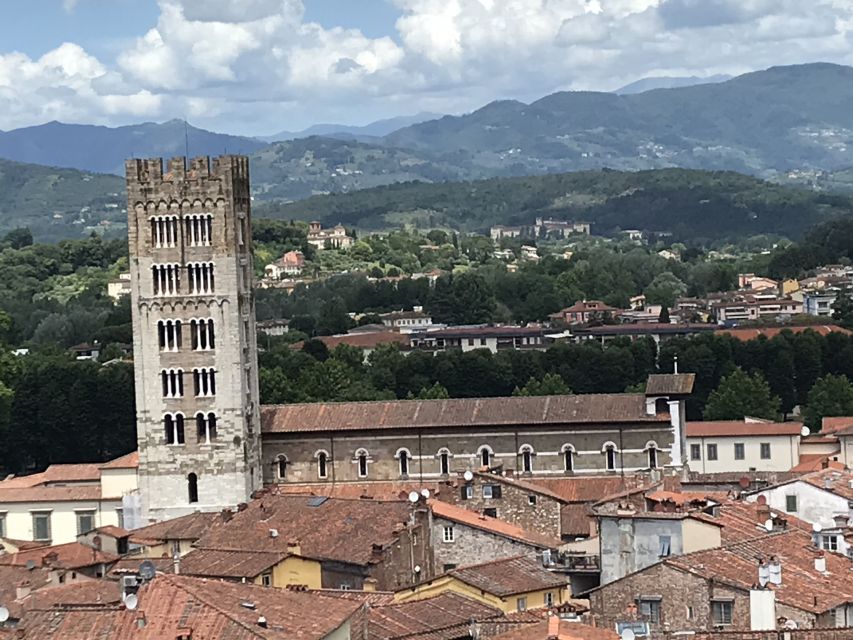
Next come the towers—two very different silhouettes that help you grasp Lucca’s skyline. You’ll pass by Torre delle Ore (often tied to timekeeping) and Torre Guinigi, famous for its distinctive feature and overall presence.
Here’s why I think this part of the walk is worth your attention: towers turn the city into a geography lesson. You start seeing Lucca as a set of sightlines and elevations, not just streets and facades. Even from ground level, you can feel how the city’s defensive history and civic pride shaped building choices.
If you enjoy photo moments, this is your best stretch. Take a breath and stop when the guide pauses for a point—these are the moments you’d regret speeding past later.
San Frediano and Piazza Anfiteatro: layers that still feel real
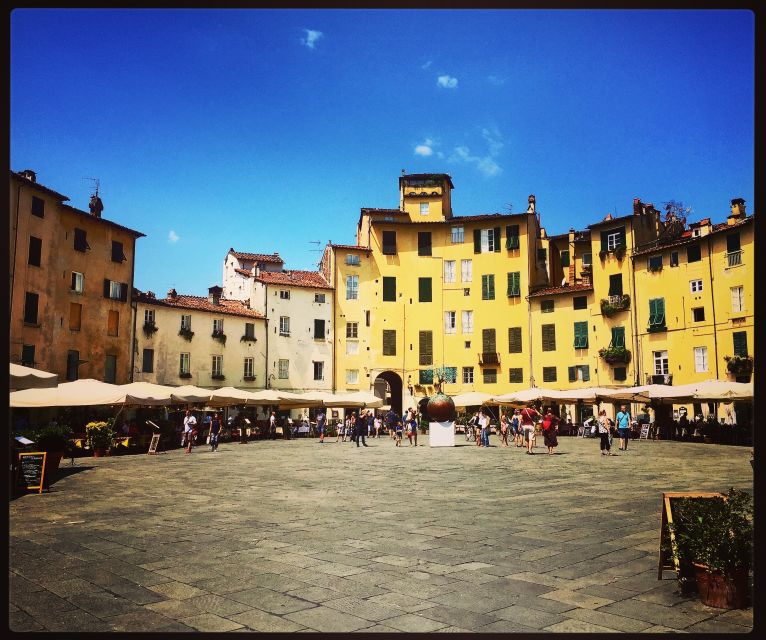
After the towers, the tour shifts from “signature skyline” to “city layers.” You’ll visit San Frediano and then Piazza Anfiteatro.
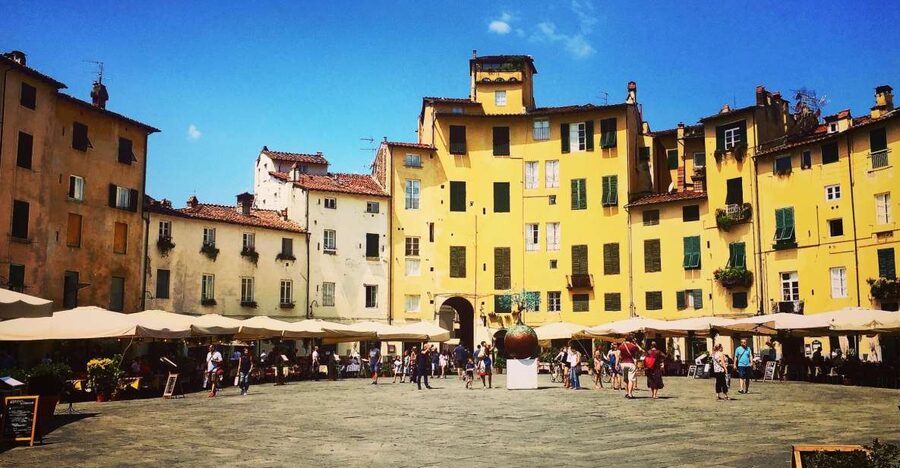
Piazza Anfiteatro is the kind of stop that surprises people. It’s tied to Lucca’s Roman inheritance—an old amphitheater footprint that still shapes the square’s form. The effect is practical: the architecture around you explains why Lucca feels so distinct as you walk. It’s not a theme park. It’s a town where ancient structure continues to influence modern life.
San Frediano adds another layer, helping you see Lucca as a place with religious and civic anchors spread throughout the center, not concentrated in just one museum district. If you like stories that connect why buildings got built where they did, this stop delivers.
The Sixteenth-Century Walls walk: Lucca’s identity in motion
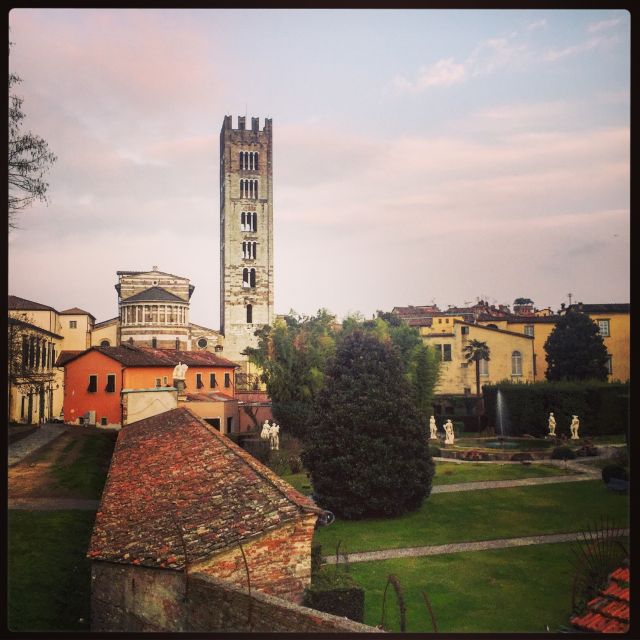
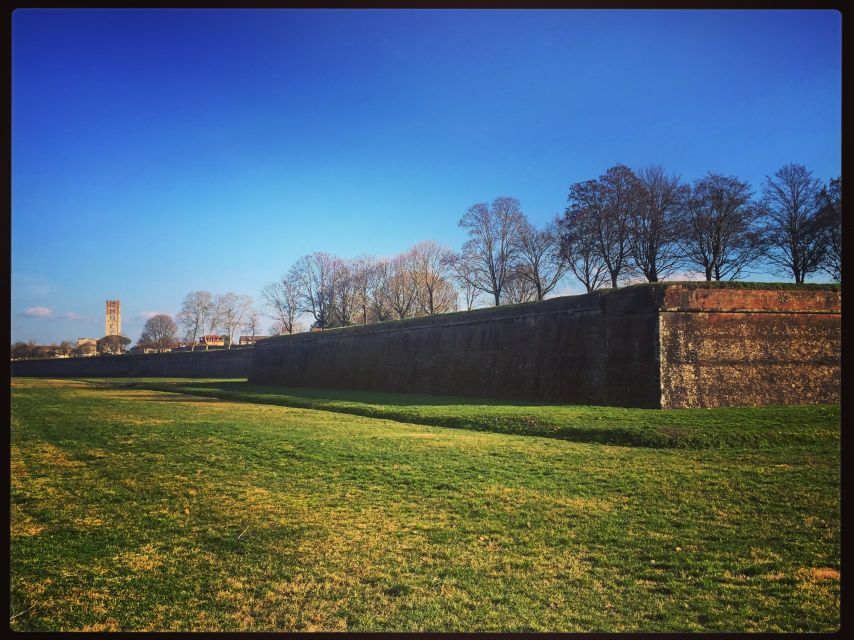
The centerpiece for many people is the sixteenth-century walls. You’ll walk along Lucca’s ancient wall system as part of the tour, and it’s one of the best ways to understand the city quickly.
Why this matters: walls change the way you move through a place. You stop thinking like a pedestrian in streets and start thinking like someone surveying a city. Your eyes naturally scan rooftops, street patterns, and the relationship between landmarks.
This is also where the walking pace tends to feel “gentle stroll” rather than a race. One of the strongest themes in guide feedback is that the time flies—partly because the pace is manageable, and partly because the guide connects the sights with stories and anecdotes.
Practical tip: wear comfortable shoes. The walls are walkable, but you’re still on an old-city route where the ground can be uneven.
Lucca Cathedral finish: optional interior and a small extra cost
The tour route ends at Lucca Cathedral. You can keep the momentum going in one of two ways:
- If you want the interior, you’ll pay the small entrance fee (about €3) and the guide will show you inside.
- If you don’t, the tour is finished and you can head out to relax—grab a drink in a café or continue exploring on your own.
Even if you’re planning to go inside anyway, I think this structure is smart. It keeps the tour timeline flexible. It also means you’re not forced into paying if you’re short on time or simply prefer to view the exterior.
One more note: the tour is described as ending back at the meeting point, but the activity also states it ends at the cathedral. In practice, that usually means you finish near the cathedral and then wrap up around the central area, so your timing stays workable for lunch or an afternoon plan.
Price and value: does $17 really make sense for 2 hours?
At $17 per person for about 2 hours, this is a solid value for what you get: a licensed local guide, a bilingual experience (English and Italian at the same time), and a route that ties together major civic and religious landmarks.
Here’s the real value math. You’re not just “seeing” Lucca—you’re learning how it fits together. The tour covers multiple headline sights—San Michele, Piazza Napoleone, via Fillungo, Torre delle Ore, Torre Guinigi, San Frediano, Piazza Anfiteatro, the sixteenth-century walls, and then the cathedral area. If you tried to put that route together alone, you’d either waste time or miss the context.
Optional cathedral entry is extra (about €3). That’s not a dealbreaker—more like a choice that lets you control how long you spend at the end.
If you’re the kind of traveler who likes to start a day with a “see it right once” approach, this tour fits. It gives you the mental map you need for the rest of your Lucca time.
Pacing, guide style, and what to expect in real terms
You should expect a walk that’s informative but not exhausting. Feedback about this tour repeatedly emphasizes an approachable pace—described as a gentle stroll rather than a route march. That matters because Lucca’s historic center can feel like it has endless turns.
Guides tied to this experience—like Giorgio, Nadia, Irine, Paula, Anna, and Gregorio—are commonly described as funny and story-driven, with explanations that are easy to follow and remember. Some guides also spend extra time with the group, including time in the cathedral area. That’s a nice upside, but it also means you should keep your afternoon plans flexible.
Also, because the tour is bilingual simultaneously, you’ll hear the guide’s points in both languages as you walk. In a lot of tours like this, that can slow things down. Here, the feedback suggests the guide manages it smoothly so you don’t feel left out.
Practical advice: shoes, timing, and how to get the most from it
This is a city-center walking tour. So your success depends mostly on basics.
- Bring comfortable shoes. You’ll be walking through historic streets and along the walls.
- Be ready to stand and look up at the towers.
- Plan to end near the cathedral, and decide at the end whether the interior visit is for you.
In terms of timing, the tour has check-availability starting times and runs for 2 hours. If you’re trying to fit it around train schedules or a meal, it’s worth checking the departure times before you lock in lunch.
Finally, if you’re sensitive to crowds, go early in the day. Lucca’s center draws people, and your comfort is best when you’re not trying to listen over peak street traffic.
Who should book this Lucca walking tour (and who might not)
You’ll likely love it if:
- You want a guided introduction to Lucca’s main sights without needing a car.
- You like your history explained with stories, not just facts.
- You want the walls and towers in one smooth route.
You might skip it if:
- You dislike walking for two hours.
- You’re looking for something heavily museum-based rather than street-and-monument focused.
- You prefer fully independent travel and don’t want a guide telling you what to notice.
This tour is also a good choice for first-time Lucca visitors. It gives you the “map in your head” you can use for the rest of the trip—where to wander next, what buildings to prioritize, and what you’re actually looking at when you spot a tower.
Should you book? My straight answer
If you’re spending a day (or part of a day) in Lucca and you want the highlights with context, I’d book this 2-hour city center walking tour. At $17, it’s priced like an easy add-on, but it functions like a proper orientation—churches, squares, towers, Roman-era structure, and the sixteenth-century walls in one organized route.
Just go in knowing two things: you’ll be walking, and the cathedral interior is optional for the small extra fee. If that works for you, this is a smart way to start seeing Lucca the right way.
FAQ
Where does the tour start?
The tour meets at the Tourist Information Office (Ufficio Informazioni), address: Vecchia Porta S. Donato, Piazzale Giuseppe Verdi, 55100 Lucca LU, Italy.
How long is the Lucca city center walking tour?
It lasts 2 hours. Starting times depend on availability.
What sights are included on the walk?
You’ll see Piazza San Michele, Piazza Napoleone, via Fillungo, Torre delle Ore, Torre Guinigi, San Frediano, Piazza Anfiteatro, and the Sixteenth-century Walls, with the walk ending at Lucca Cathedral.
What languages is the tour offered in?
The guide speaks English and Italian during the tour (the tour is conducted simultaneously in both languages).
Is the Lucca Cathedral interior included in the price?
The cathedral entrance fee is not included. The cost listed is €3 if you want to visit the interior.
How much does the tour cost?
The price is $17 per person.
What should I bring?
Wear comfortable shoes. The tour is a walking route through the city center.