REVIEW · HUE VIETNAM
Hue Imperial Ancient City Walking Tour
Book on GetYourGuide →Operated by Linh Nguyen · Bookable on GetYourGuide
Hue imperial walls have a way of turning history into something you can touch. On this Hue Ancient City walking tour, I love how the story comes alive around key royal spaces like the Meridian Gate and the Forbidden City, with English narration from Linh Nguyen that connects the Nguyen Dynasty to what Hue feels like today. You’ll walk inside the historic royal complex at a human pace, not as a blur of photos and signage.
Two things I like a lot: first, you get architecture plus meaning, so places like Thai Hoa Palace aren’t just names. Second, the small group size (10 max) keeps the guide’s attention on your questions, and the tour includes moments to rest and wander on your own. It’s also one of the better deals you’ll find in Vietnam history touring, priced at $2 per person for a guide-led circuit.
One consideration: it’s walking-focused (150 minutes listed, but it can run closer to 3.25 hours with pauses), and the flow inside a big complex means you should pay attention when the guide says what you’ll cover later versus what you can explore during short breaks. Also, plan for tips at your discretion, and have some cash ready.
In This Review
- Key highlights at a glance
- Stepping into Hue’s royal layout from the Meridian Gate
- Thai Hoa Palace: ceremonial center, not just another hall
- Dien Tho Palace: understanding life through the queen mother’s residence
- The Forbidden City: the emperor’s private world and why it matters
- How the guide ties Nguyen Dynasty stories to modern Vietnam
- Timing, pace, and what you’ll do during the walk
- Value at $2: what you’re really buying
- Practical tips: what to bring and how to keep it comfortable
- Who this Hue Imperial City walk suits best
- Should you book the Hue Imperial Ancient City Walking Tour?
- FAQ
- What is the duration of the Hue Imperial Ancient City Walking Tour?
- Where do I meet the guide?
- What time does the tour start?
- How many people are in the group?
- Is the tour available in English?
- Is the tour wheelchair accessible?
- What should I bring?
- What is not allowed on the tour?
- How much does it cost?
- Are tips included?
Key highlights at a glance
- Meridian Gate first, so the whole complex clicks in your head
- Thai Hoa Palace and Dien Tho Palace explained as part of royal daily life
- Forbidden City context that goes beyond what signs can tell you
- Small-group size (10 max) with room for questions and short independent time
- English guide-led pacing for an experience that lasts about 2.5 to 3.25 hours
- Strong value: $2 per person for a guided history-focused walk
Stepping into Hue’s royal layout from the Meridian Gate
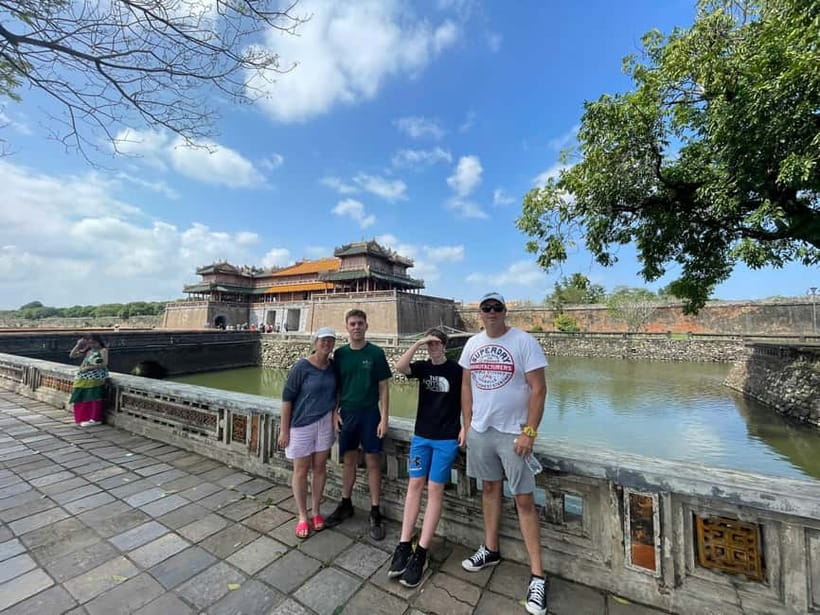
I start this kind of tour at the right place: the front door. Meeting in front of the Imperial City ticket booth at 9:00 AM or 3:00 PM gets you oriented fast, and it matters because Hue’s royal complex is large. Once you’re moving, your guide frames the whole site as a system—how gates, halls, and inner spaces link together—so you’re not just walking from landmark to landmark.
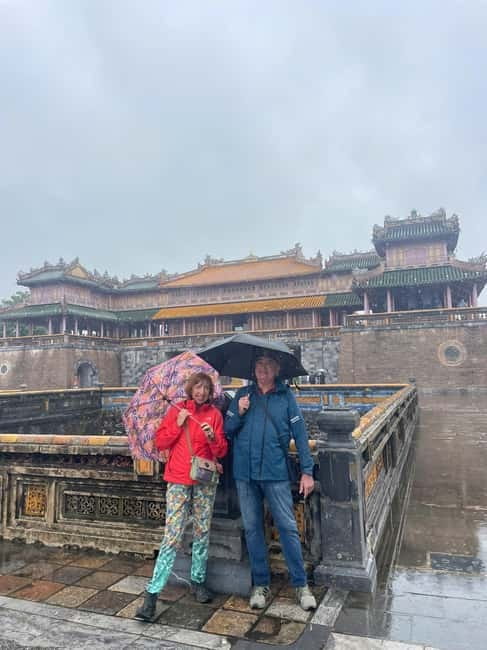
The Meridian Gate is your anchor point. The way it’s presented helps you understand why this entrance was the main threshold. Even if you’ve seen other imperial sites in Vietnam, Hue has its own rhythm, and starting here gives you a clean mental map. Expect a guided walk around important architectural features and gardens nearby, with explanations tied to how the imperial city was designed and what it was built to do.
A small detail that improves the whole experience: the guide uses visual prompts, including photos showing how parts looked in different periods. That makes it easier to imagine what you’re seeing as more than present-day ruins and restored surfaces.
You can also read our reviews of more walking tours in Hue Vietnam
Thai Hoa Palace: ceremonial center, not just another hall
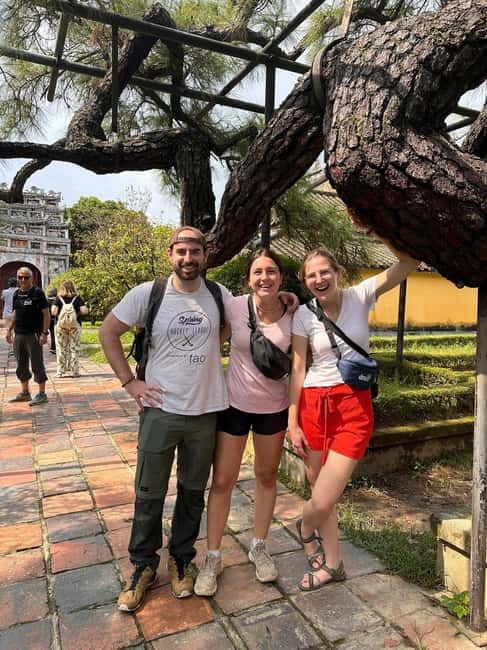
As you move inward, the tour spends time on Thai Hoa Palace, described as the ceremonial main hall. This is one of those spots where the “why” matters more than the “what.” Your guide connects the hall to the royal function of the complex and the larger story of the Nguyen Dynasty.
What I like here is the balance: you get structure and atmosphere. The guide doesn’t treat the palace like a static object; instead, you’re guided to think about roles, ceremonies, and the daily life that surrounded the palace world. If you’re the type who normally reads signs and then shrugs, this is the moment where guided storytelling usually turns you into a listener.
You’ll also have opportunities to pause—short breaks and rest stops are part of how the tour keeps a large site manageable. And you get a bit of time to walk independently in some areas, which is a nice safety valve when you want photos, breathing room, or just to follow your own curiosity without losing the group.
Dien Tho Palace: understanding life through the queen mother’s residence
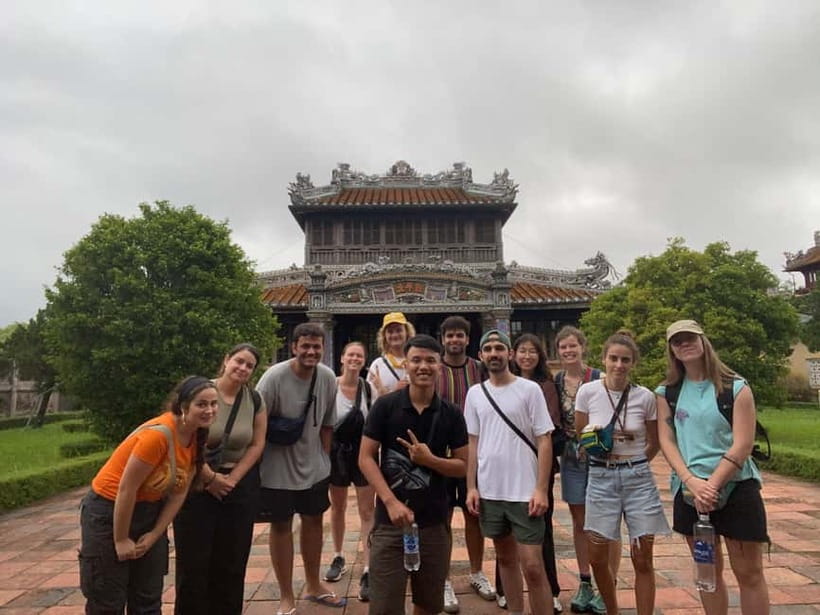
Next comes Dien Tho Palace, identified on the tour as the residence of the queen mother. This stop shifts the focus from the public face of the court to a more personal layer of imperial life. Your guide uses it to explain customs and traditions and to show how people inside the royal complex lived day to day.
I find that this palace-related context is what makes Hue feel different from other history stops. Many tours skim “who ruled” and stop there. Here, the guide uses the residence angle to talk about family roles, court expectations, and the way the Nguyen royal household fit into Hue’s larger community.
If you like human-scale history—how rules shaped real routines—this stop delivers. And because your guide is telling the story in English with strong clarity, it’s easy to keep up, even if you’re hearing unfamiliar terms for the first time.
The Forbidden City: the emperor’s private world and why it matters
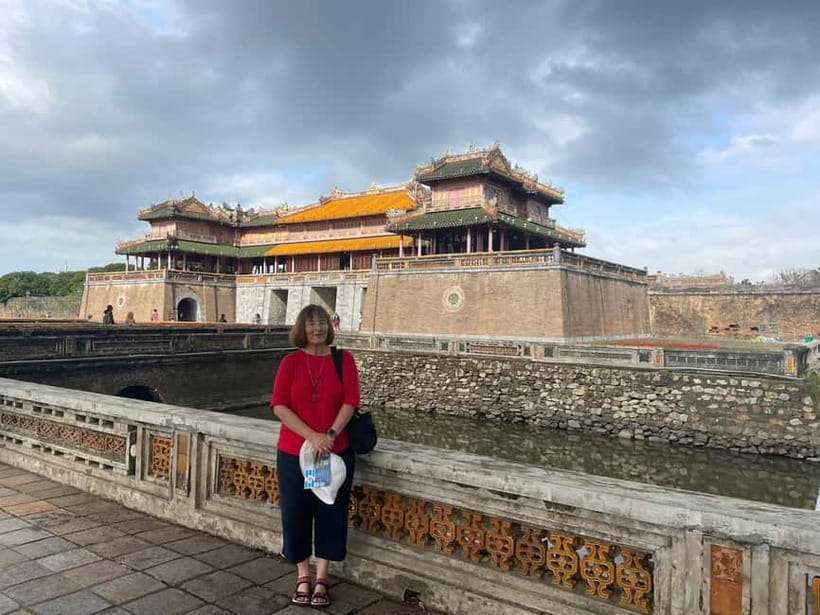
The inner portion is where Hue’s imperial concept becomes most dramatic: the Forbidden City, described as the emperor’s private area. The guide uses this space to explain how the imperial city functioned, and why these inner zones existed.
You’re not just being shown a wall or a gate. You’re being guided through the idea of controlled access—what was meant to stay private, what was for official ceremonies, and how power moved through the complex. It’s the kind of framing that makes later sights in Vietnam history click more cleanly, because you start seeing architecture as a social tool, not just stone.
There’s also a practical bonus: because the Forbidden City is the “center of gravity,” your guide’s storytelling helps you understand why you should pay attention to what you can see here, not just the name of the place. When you leave, you’ll likely remember the layout more clearly, because you’ll have heard the function of each part before you reached it.
How the guide ties Nguyen Dynasty stories to modern Vietnam
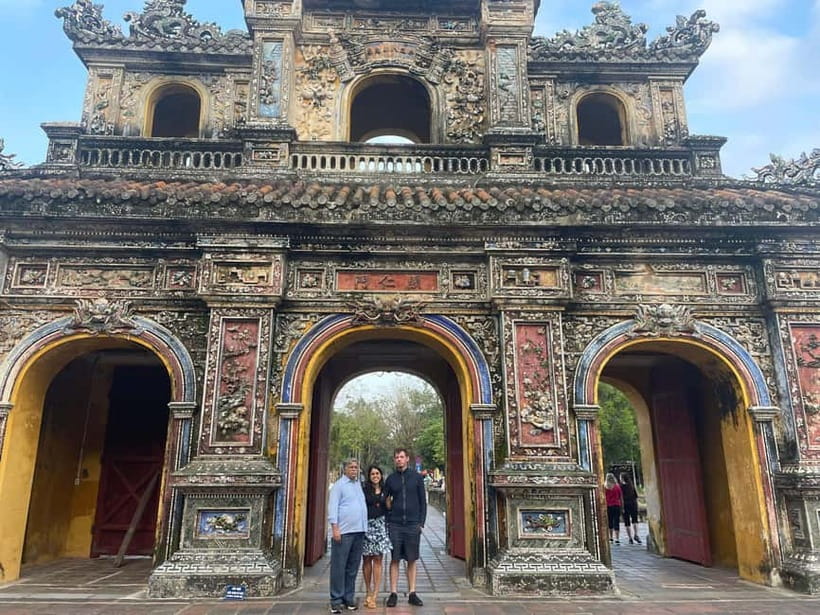
What keeps this tour from feeling like a museum lecture is the way the guide connects royal history to larger national storylines. Linh Nguyen (and other English-speaking guides mentioned by different groups, like Thanh/Thang) reportedly brings in context beyond the gates—covering major eras that shaped Vietnam, including French colonial rule, the fight for independence, and how America’s impact during the war is connected to the area’s later history.
This matters for you if you’re trying to get a working picture of Vietnam’s past without needing a university course. The guide isn’t just repeating dates; it’s connecting political change to the lived experience of Hue. You’ll also notice personal observations sprinkled in—like reflections on how the country has changed over the past 15 years—so the tour feels grounded rather than purely academic.
One more thing I appreciate: the guide asks questions and tries to include everyone in the group. With a small group, that social interaction helps the history land. It’s also where the humor tends to show up—an approach that keeps a 2.5 to 3.25 hour walk from dragging.
You can also read our reviews of more city tours in Hue Vietnam

Timing, pace, and what you’ll do during the walk
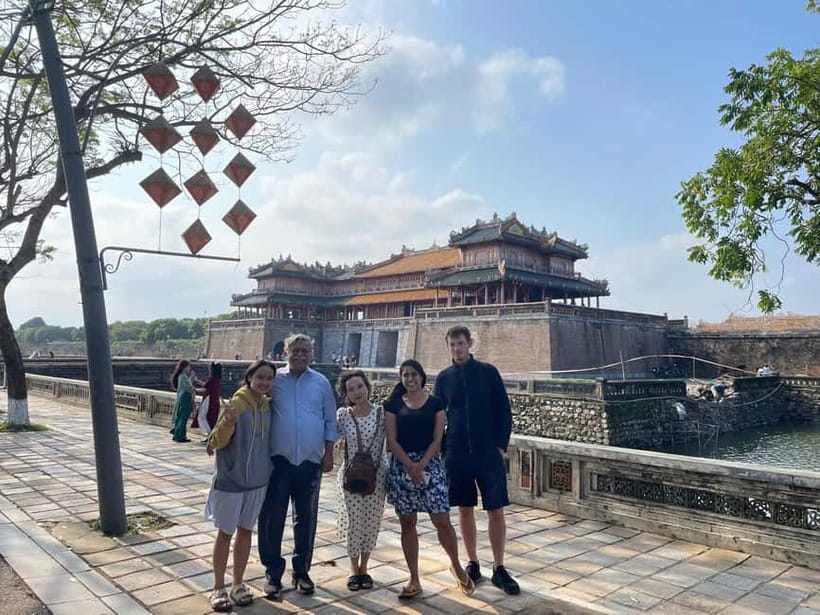
The tour is listed as 150 minutes, but it can stretch closer to 3.25 hours depending on walking pace and how the group moves through pauses and rest time. Either way, it’s a compact history walk. You’re not covering every corner of the Imperial City grounds like a marathon loop, which is a good thing. Hue is big; the tour focuses your attention on the major high-impact areas.
Expect:
- A guided circuit starting at the Imperial City ticket office
- Stops at major royal spaces (Meridian Gate, Thai Hoa Palace, Dien Tho Palace, Forbidden City)
- Architectural features and gardens explained along the way
- Short breaks and some time to explore parts on your own
If you want a smooth experience, do this: before you head in, mentally tag your priorities—what you want most (architecture, royal life, or broader Vietnam history). Then keep an eye out when the guide points out what’s coming next. One common irritation with busy sites is confusion about where you can walk freely during breaks. You can avoid that by simply checking in with your guide whenever the group shifts.
Value at $2: what you’re really buying
Let’s talk price like adults. $2 per person is so low it almost sounds suspicious—until you factor what’s included: a walking tour with a local English guide in a small group limited to 10 participants. The guide work is the expensive part in any city, and here it’s the main product.
So what’s the “catch,” practically? Usually, it’s not the tour itself—it’s what you handle on your side: bringing water and sunscreen, and planning for tips. Tips are entirely at your discretion, but multiple people recommend having cash ready. Also, one practical note from how these tours tend to operate: entry-related costs may be separate depending on the site rules, so it’s smart to budget for that possibility instead of assuming everything is covered by the tour price.
If you’re trying to do one Hue history activity and you want your money to actually go to a guide (not just an “audiobook tour” vibe), this is a strong fit.
Practical tips: what to bring and how to keep it comfortable
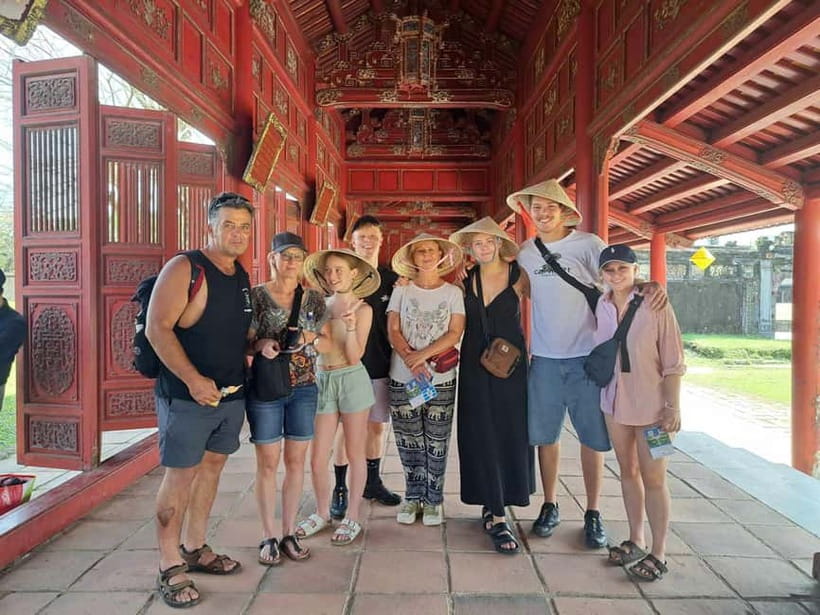
This is a walking-focused outing, so pack like it’s a real day outside.
Bring:
- Sunscreen
- Water
- Cash for the end-of-tour tip (since tips are discretionary but commonly expected)
Wear:
- Comfortable walking shoes
Know before you go:
- Alcohol and drugs are not allowed
Communication helps too. The operator asks for a valid WhatsApp or Vietnamese phone number, so you should be ready for a message confirming your designated time. That kind of clarity reduces the usual stress of meeting in the right place in a large ticketing area.
Who this Hue Imperial City walk suits best

This tour is built for small groups and shared attention, which makes it a good match if you like conversation and context.
It’s especially suitable if you:
- Want a guided explanation of major royal spaces instead of reading alone
- Care about the Nguyen Dynasty and how it’s explained through architecture
- Prefer a pace that includes rest and some independent time for photos
- Appreciate English narration and guide-led Q&A
It may be less ideal if you hate walking, want zero group dynamics, or expect every second to be perfectly structured with no flexibility. That’s not a flaw—it’s just the reality of touring a major historic complex on foot.
Should you book the Hue Imperial Ancient City Walking Tour?
I’d book it if you want Hue’s imperial story explained in a way that’s easy to follow and hard to forget. The big wins are the focus on the core royal spaces—Meridian Gate, Thai Hoa Palace, Dien Tho Palace, and the Forbidden City—and the guide’s ability to tie royal architecture to broader Vietnam history. Add the small-group size and the $2 price, and it’s one of those rare deals where you’re clearly paying for a real human guide.
Skip it only if you’re extremely time-limited, don’t like walking outdoors, or you want to move entirely at your own pace without any group coordination. Otherwise, this is a solid “do it once, do it with context” activity in Hue.
FAQ
What is the duration of the Hue Imperial Ancient City Walking Tour?
The tour is listed as 150 minutes, and it may run closer to 3.25 hours depending on the walking pace and breaks.
Where do I meet the guide?
You meet in front of the Imperial City ticket booth.
What time does the tour start?
There are two meeting times: 9:00 AM and 3:00 PM.
How many people are in the group?
The group is small, limited to 10 participants.
Is the tour available in English?
Yes, the live tour guide provides English.
Is the tour wheelchair accessible?
Yes, it’s listed as wheelchair accessible.
What should I bring?
Bring sunscreen and water.
What is not allowed on the tour?
Alcohol and drugs are not allowed.
How much does it cost?
The price is listed as $2.00 per person.
Are tips included?
Tips are entirely at the guest’s discretion.