REVIEW · HELSINKI
Helsinki walking tour with a city planner
Book on Viator →Operated by Ataman Tours · Bookable on Viator
Helsinki feels different when you walk it with a planner. This 3-hour, small-group walk is a practical city primer, with a local guide using real urban choices to explain Finland’s politics, religion, food, even soccer. Two things I like a lot: the small group size (max 6) and the way Emek frames buildings as stories, not postcards.
I also love that it goes beyond the obvious sights and still stays easy to follow, with short stops where you get context fast. The tour is led by a local guide from Ataman Tours, and Emek’s style stands out for how much he answers and how relaxed the pace feels. One possible drawback: if you only want quiet photo time and zero talking, this won’t be your best match.
In This Review
- Key highlights that matter (and why)
- A small-group Helsinki walk led by Emek (city-planning lens included)
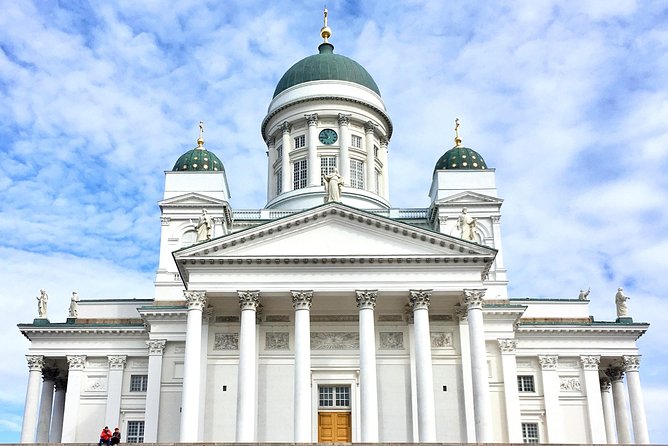
- Senate Square and Helsinki Cathedral: power and faith in the same photo frame
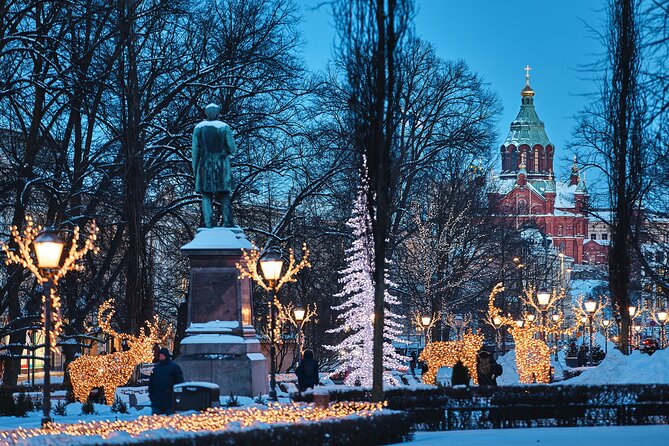
- Presidential Palace and Uspenski Cathedral: a city shaped by borders and identities
- Old Market Hall and Esplanadi Park: where daily life meets civic planning
- The Runeberg statue and Swedish Theater: language shows up in the streets
- Central Railway Station and Oodi Library: old transit meets modern civic pride
- Price and pacing: is $58.07 worth 3 hours?
- Weather, comfort, and how to prep like a local
- Who this Helsinki walking tour suits best
- Final call: should you book this Helsinki walking tour with a city planner?
- FAQ
- How long is the Helsinki walking tour?
- How big is the group?
- What language is the tour offered in?
- What’s included in the price?
- Is admission included for the stops?
- Where do I meet the tour?
- What happens if the weather is bad?
Key highlights that matter (and why)
- Max 6 people means more conversation, not just listening from the back row
- City-planner viewpoint ties architecture to how Helsinki grew and how people live now
- Major landmarks + civic spaces (cathedrals, markets, Central Station, Oodi) give a smart first orientation
- Short, timed stops keep the pace manageable and help you move through downtown efficiently
- English tour with a guide known for Q&A (Emek handles lots of questions and adapts to interests)
A small-group Helsinki walk led by Emek (city-planning lens included)
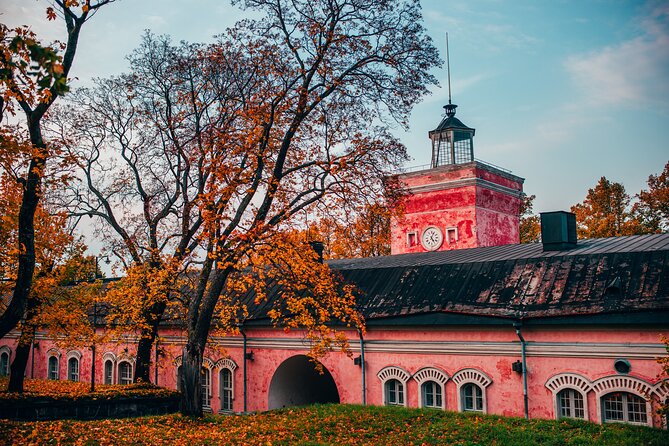
If you have only a few days in Helsinki, you want two things: orientation and stories. This tour delivers both, and it does it with a planner’s way of thinking—how streets, squares, and public buildings reflect what mattered at the time, and what still matters today.
The tour is run by Ataman Tours, and it’s guided in English. The group stays very small (maximum 6 travelers), which makes a difference in a city walk. Instead of hearing one-way narration, you get room to ask questions and steer the conversation. Emek is the name that comes up again and again, and the reviews paint him as a guide who can connect history, politics, architecture, and everyday Finnish life without turning the walk into a lecture hall.
The route is built around downtown landmarks, but the best part is what the guide does with them. You’re not just shown where things are—you’re taught how to read them.
You can also read our reviews of more walking tours in Helsinki



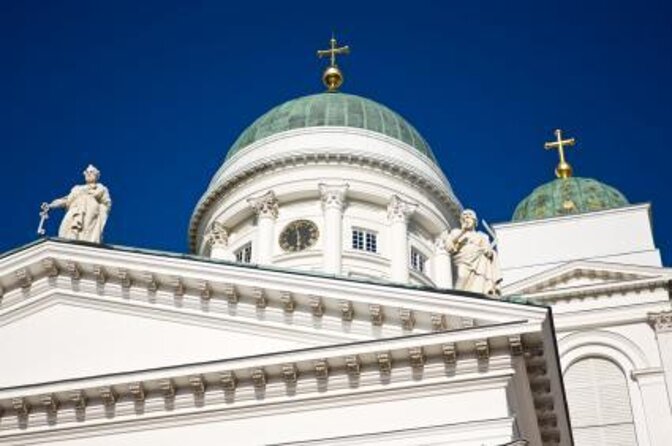
Senate Square and Helsinki Cathedral: power and faith in the same photo frame
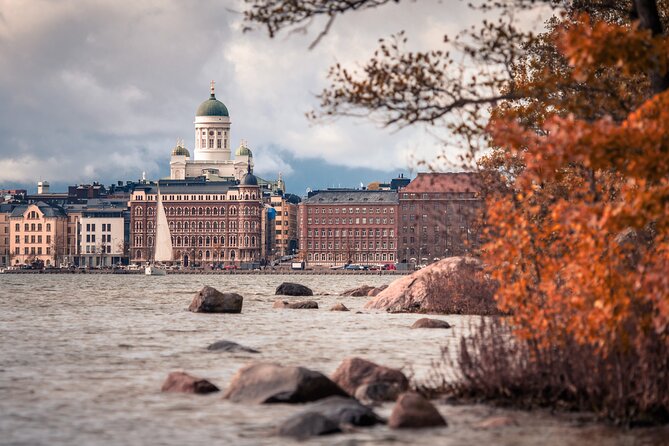
Most downtown walks start with big names. This one starts with a classic: Senate Square. It’s free, and the stop is short (about 15 minutes), so you won’t feel stuck standing around. Instead, you get the kind of framing that makes the square make sense quickly: what it represented as Helsinki developed, and why this central space became a stage for identity.
From there you move to Helsinki Cathedral. The timing is also about 15 minutes, but there’s one practical note: admission is not included. The cathedral itself is free to see from the outside, but if you want to go in, you should expect to sort out the ticket on your own.
What I like about this pairing is that it sets up a bigger theme for the whole walk. You’re looking at a city that grew through decisions by institutions—government, church, and civic planners—then you’re asked to notice how those decisions show up in stone, scale, and placement. If you’ve already seen the cathedral in passing, this is the kind of stop that helps you understand why it looks the way it does and why it landed where it did.
Why this is valuable: even if you’re not an architecture fan, you’ll start recognizing patterns. You’ll look at a facade and think: who built it, and what problem were they trying to solve?
Watch-outs: if cathedral entry matters to you, give yourself extra time and don’t assume it’s included.
Presidential Palace and Uspenski Cathedral: a city shaped by borders and identities
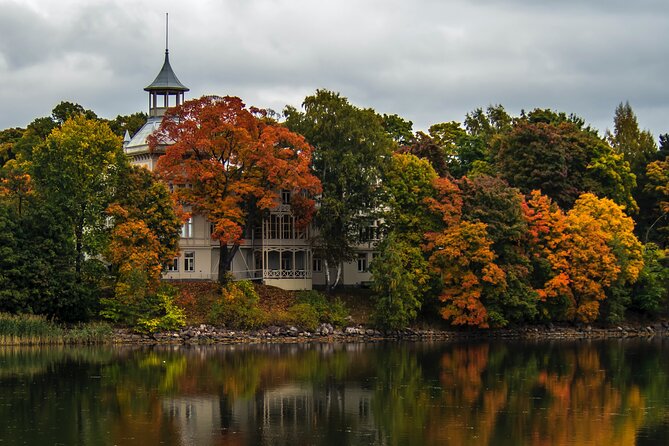
Next up is the Presidential Palace area, with a brief stop of about 5 minutes and free admission. It’s short by design. The goal here isn’t a deep visit—it’s a quick way to anchor the political center of the city in your head.
Then you head to Uspenski Cathedral for about 10 minutes, again with free admission. This stop often becomes one of those moments where you realize Helsinki isn’t just one story. It carries layers—different faith traditions, different cultural influences, and shifts in power over time.
What makes the tour feel different from a standard checklist is the way the guide connects the religious architecture to broader social forces. You’ll hear about the roles churches played historically, how they relate to community life, and how Helsinki’s identity formed in the space between different influences.
Practical takeaway for you: at Uspenski, try to slow down for a moment and look at how the building sits against its surroundings. Even from a quick stop, you can start reading the city like a map of choices.
Possible consideration: if you’re mostly here for interiors and expect long church time, some stops are intentionally short. This is a learning-and-seeing rhythm, not a slow museum day.
Old Market Hall and Esplanadi Park: where daily life meets civic planning
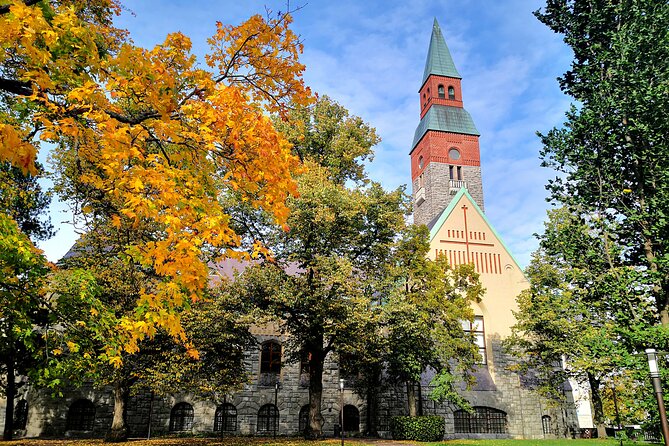
After the cathedral stops, you transition into places that feel more like everyday Helsinki. Old Market Hall is next for about 10 minutes, with free admission. It’s a solid choice on a walking route because it connects food and commerce to the city’s bigger development story—how people gathered, what they traded, and how central markets helped stitch neighborhoods together.
Then the tour heads to Esplanadi Park for about 10 minutes, also free. Parks can feel like filler on some tours, but here it’s about function. A park in the middle of a capital isn’t just decoration; it’s part of how a city manages space for people to meet, walk, and breathe.
If you like tours that explain culture through real places, these two stops are where the guide’s planning mindset really pays off. You learn to see why these spots exist and how they shape the flow of downtown life.
Tip: wear comfortable shoes. This isn’t an exhausting hike, but you’ll be on your feet between stops, and these are the kinds of places where you’ll want to take a few extra steps just to look around.
The Runeberg statue and Swedish Theater: language shows up in the streets
Two quick stops follow: the Johan Ludvig Runeberg Statue (about 5 minutes, free) and Svenska Teatern, the Swedish Theater (about 5 minutes, free). They’re short, but they matter because they connect language and culture directly to visible landmarks.
Helsinki isn’t only Finnish-speaking, and the guide uses these points to explain cultural identity in a way that doesn’t feel abstract. Runeberg anchors the conversation in national literary culture, while the Swedish Theater points to a language history that’s part of how the city developed.
If you’ve heard that Finland is bilingual, this is one of the more practical ways to make that idea real. You’re not just told. You’re shown through monuments and institutions.
Why it works: the tour keeps blending the big themes (identity, history, politics) with street-level evidence.
Possible drawback: if you already know a lot about Nordic literature or theater history, these stops may feel like a short highlight reel. Still, they help tie the walk together.



Central Railway Station and Oodi Library: old transit meets modern civic pride
Now you pivot to two of Helsinki’s most important public hubs. Helsinki Central Railway Station is about a 10-minute stop and free to visit. It’s one of those places where you can see how a city invites movement—both physically and socially. Even if you don’t use the station, you learn how transit spaces help define what downtown feels like.
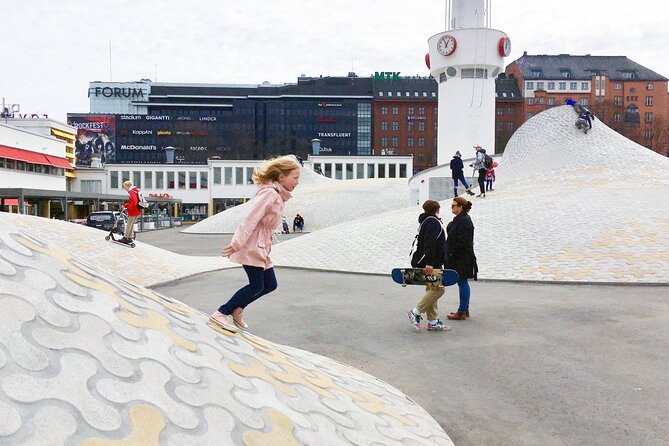
Then comes Central Library Oodi for about 15 minutes, free to visit. This is a standout stop for many people because it’s modern civic design you can walk up to. One of the most repeated themes in the feedback is how much people enjoyed the library moment—both for what it represents and for the guide’s explanations of what the building means in today’s Helsinki.
What you’ll likely appreciate: Oodi isn’t just a pretty building. The way the guide talks about its role makes it easier to understand why public spaces like this get built and maintained. It’s culture you can touch.
If you like architecture: pay attention to how people use the space. The building is designed for everyday public life, not just for tourism.
Price and pacing: is $58.07 worth 3 hours?
At $58.07 per person for about 3 hours, you’re paying for more than “a walking route.” You’re buying a guide who explains the city like an urban planner—architecture, layout, and civic history tied to how Helsinki works.
Here’s why I think the value holds up:
- You’re not paying for admission tickets as part of the price; most stops are free to enter, and the one notable exception is Helsinki Cathedral, where admission is not included.
- Small group size increases the chance you’ll ask questions and get answers that actually match your interests.
- You get a quick orientation that makes later self-guided wandering smarter. After this kind of walk, you don’t just know where places are. You understand why they’re there.
The pacing is designed for downtown. Stops are short and frequent, so the walk feels manageable even with city crowds around you. It’s also described as having a moderate physical fitness requirement, so it’s not designed as a strenuous long-distance route.
One practical consideration: it’s best if you’re willing to walk and listen. If you want a silent stroll, you might feel like the pace is built for discussion.
Weather, comfort, and how to prep like a local
This tour runs in all weather conditions, but it can be canceled due to poor weather, in which case you’d be offered a different date or a full refund. That’s a good sign of realism: you’ll plan for walking outside, but the operator isn’t forcing it in unsafe conditions.
For you, the simple prep checklist is:
- Comfortable shoes (downtown walking adds up fast)
- Weather-appropriate layers (rain or cold can change how enjoyable the walk feels)
- Bring a phone since you’ll have a mobile ticket
- Plan for a short stop rhythm—you’ll want to be ready to move on
Also, it’s near public transportation, so it’s easier to tack onto other parts of your day. Service animals are allowed, and the route is designed for a moderate fitness level.
Who this Helsinki walking tour suits best
This is a strong choice for you if:
- You’ve already seen the big-ticket sights in Helsinki and want a better explanation of what you’re looking at
- You like architecture and city planning, but you don’t want a heavy academic format
- You want a guide who can answer questions about politics, culture, religion, and daily life, not just point out buildings
- You prefer a small group and real conversation over a crowded bus vibe
It’s less ideal if:
- You hate structured stop-and-explain tours
- You want long interior time at each building
- You’re only interested in one narrow topic (like photography-only or food-only)
Final call: should you book this Helsinki walking tour with a city planner?
Yes, I’d book it if you want a smart first orientation that sticks. The combination of small group size, the city-planner way of explaining Helsinki, and Emek’s ability to handle questions makes this feel like more than a highlights walk. You’ll come away with a map in your head and reasons for what you noticed on the streets.
Skip it only if you truly want a silent, unstructured stroll or you expect long indoor museum time at every stop. Otherwise, it’s a solid use of a half-day that pays off the rest of your trip.
If you do book, wear good shoes and show up ready to ask questions. That’s where this tour seems to shine.
FAQ
How long is the Helsinki walking tour?
It’s about 3 hours, with the schedule made up of short stops around downtown.
How big is the group?
The tour caps at a maximum of 6 travelers, which helps with guide interaction.
What language is the tour offered in?
It’s offered in English.
What’s included in the price?
A local guide is included. Food and drinks and transportation to or from attractions are not included.
Is admission included for the stops?
Most stops are listed as free. Helsinki Cathedral is the one stop noted as not including admission.
Where do I meet the tour?
Meet at Aleksanterinkatu 9, 00100 Helsinki, Finland.
What happens if the weather is bad?
It operates in all weather conditions, but if it’s canceled due to poor weather, you’ll be offered a different date or a full refund.