REVIEW · TAIPEI
Taipei Old Town – Taiwan Introduction Walking Tour (Tip-Based)
Book on Viator →Operated by TourMeAway - Free Walking Tour In Taipei · Bookable on Viator
Taipei history moves at walking speed. This tip-based Taipei Old Town introduction pairs big-name sights with street-level Taiwan culture, then strings it all together with human stories about politics, identity, and the island’s layered past. I like how the route isn’t just sightseeing; it’s a guided explanation of why places look the way they do today, from older empires to modern Taiwan.
Two things I really appreciate: you get a clear start for understanding major turning points like the 228 Peace Memorial Park, and you also get stops that feel current and local, including Chengzhong Market and Ximending. One drawback to plan for: it’s a walking tour, so you’ll want comfortable shoes and you should expect weather to matter, since the experience notes good-weather requirements and can shift if conditions are rough.
In This Review
- Key Points That Make This Walk Worth Your Time
- Price and Value: Why $5 Feels Like a Deal
- Where You Start: NTU Hospital Station Exit 4
- 228 Peace Memorial Park: The Emotional Anchor of the Route
- Presidential Office Building: Reading Colonial-Era Architecture in Context
- Chengzhong Market: Everyday Taipei Between Big Sights
- Ximending: The Street-Level “Harajuku” Energy
- Ximen Red House: Japanese-Era Western-Style and Creative Taipei
- Zhongshan Hall: Another Piece of the City’s Public Story
- Comfort Tips That Actually Help (Heat, Rain, and Walking Rhythm)
- Who This Tour Is Best For
- How to Make the Most of Your 2 Hours 15 Minutes
- Should You Book This Taipei Old Town Walking Tour?
- FAQ
- How much does the Taipei Old Town introduction walking tour cost?
- Is this tour really tip-based?
- How long is the walking tour?
- Where do I meet the guide?
- Where does the tour end?
- What’s included in the price?
- Are snacks included?
- What if I’m late or lost during the tour?
- Do I need good weather for the tour?
- What is the cancellation policy?
Key Points That Make This Walk Worth Your Time
- Major history, told in plain language starting with the February 28 Incident at 228 Peace Memorial Park
- Real neighborhood stops, including Chengzhong Market’s everyday snacks and Ximending’s street energy
- Japanese-era Taipei is visible at the Ximen Red House and through the route’s architectural clues
- A guide who works the room, with room for questions and even light humor from guides like Vincent, Leo, James, and Bessie
- Low base cost, tip expected, so you control how much you want to support the guide
- Rain or heat can affect comfort, but guides often try to keep you sheltered and moving efficiently
Price and Value: Why $5 Feels Like a Deal
At $5 per person, this tour’s base fee is almost symbolic compared to what you get: a guided introduction to Taipei’s old core, with context for places you’ll actually revisit on your own later. The structure is also tip-based, meaning the booking price doesn’t include the guide tip. In practice, that makes your “true cost” depend on how much you enjoyed the storytelling and interaction.
If you’re budget-minded, this is one of those options that lets you buy direction for cheap. You’re paying for someone local to connect the dots fast—why a memorial exists, why a colonial-era building looks the way it does, and why modern Taiwan feels different from what most visitors expect. Guides named in past groups, like Vincent, Tâilé, Chester, Veronica, and Bessie, repeatedly focus on the same goal: helping people understand Taiwan beyond a postcard version.
Bring a little extra cash mindset. Snacks aren’t included, and at least one review specifically reminded people to have cash for drinks during the walk. Even if you skip snacks, you’ll probably want bottled water or a quick cold drink when you hit warm street corners.
You can also read our reviews of more walking tours in Taipei


Where You Start: NTU Hospital Station Exit 4
Your meeting point is NTU Hospital Station, Exit 4 at street level. That matters because Taipei is big and metro exits can dump you into very different sidewalks. Arriving with enough time to orient yourself is worth it, especially if you’re new to the city.
If you’re running late or somehow get turned around, there’s also a WhatsApp contact included for joining if lost. That’s a practical safety net for a walking tour where the “start line” is a specific street exit rather than a big landmark everyone can spot from afar.
228 Peace Memorial Park: The Emotional Anchor of the Route
The first major stop is 228 Peace Memorial Park, where you’ll spend about 20 minutes and there’s free admission. This is a municipal park but it’s also a memorial space tied to the February 28 Incident of 1947, a turning point that many guides bring up to explain how modern Taiwanese identity formed through pain, politics, and memory.
What I like about starting here is the tour doesn’t treat history like a lecture you endure. The park becomes the emotional anchor, so later stops make more sense. When you walk past government buildings and older structures, you start noticing why symbols and architecture carry weight in Taiwan’s political story.
There’s also a practical side: because the park is a defined area, it gives you a clean first reset for the route. You get context early, then you’re not walking the rest of the tour trying to guess what things mean.
Presidential Office Building: Reading Colonial-Era Architecture in Context
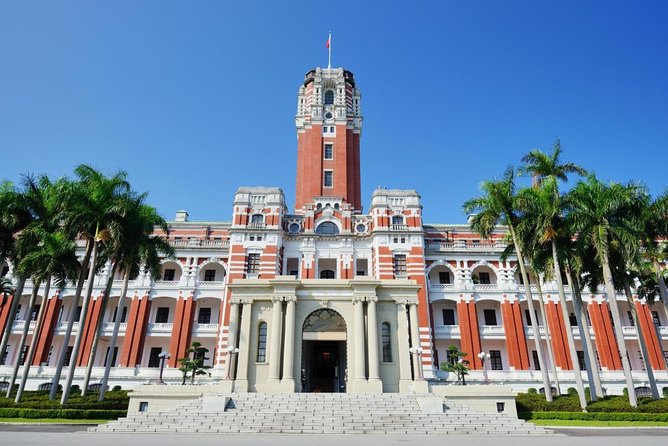
From the memorial area, you’ll head toward the Presidential Office Building, a landmark that visitors recognize even before they know its history. The building originally served as the Office of the Governor-General of Taiwan during the Japanese colonial period, and it later became part of Taiwan’s post-war political landscape.
This stop is valuable because it turns architecture into an explanation. You don’t just see a grand building; you learn how layers of rule and governance are reflected in what gets built and what gets reused. It’s also a reminder that “old town” in Taipei isn’t frozen in time—older power structures still show up in current city life.
Expect the guide to connect this location to themes they’re repeating across the route: how foreign powers influenced daily life, how people responded, and how those experiences feed into what Taiwan talks about today.
Chengzhong Market: Everyday Taipei Between Big Sights
Next comes Chengzhong Market, around a short 10-minute stop. This is where the tour shifts from major monuments to the lived rhythm of Taipei. You’ll see a covered bazaar feel, with the kind of stalls that sell logo T-shirts, household items, and snacks such as ba-wan dumplings.
I love this kind of break on a history-focused tour. It stops the experience from turning into nothing but symbolism. Instead, you get to experience how Taipei mixes past and present in the same day: the political story explains the identity, and then the market shows you what people actually eat and buy as they go about life.
Since snacks aren’t included, you’ll decide on your own. If you want to try something, you’ll probably want small cash ready. Even if you skip food, just observing the flow of the market makes the rest of your Taipei walk feel more grounded.
Ximending: The Street-Level “Harajuku” Energy
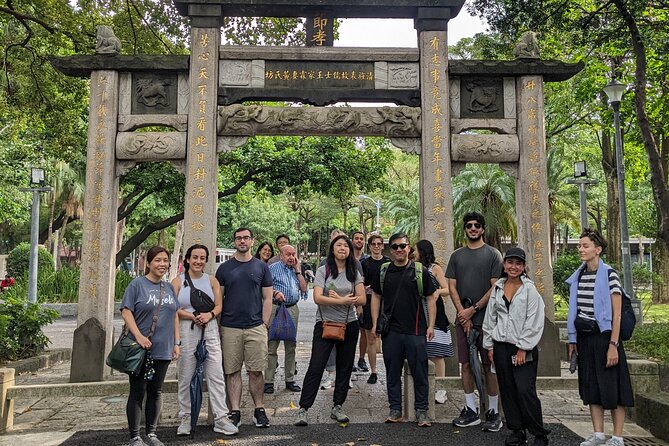
Then you step into Ximending, which the tour frames as a culture center and pedestrian shopping area with fashion shops, restaurants, clubs, and bars. You’ll spend about an hour here, which is enough time to actually look up from the story and feel the place.
This part of the tour is how I’d describe a good “orientation” stop. You can leave with a mental map of where the action is, plus a sense of the vibe: youth fashion, street-style browsing, and late-day energy. It’s also where you can start pairing what you learned with what you see. If your guide talked about identity and change, Ximending becomes a practical example of how Taiwan expresses creativity and modern culture in public space.
One thing to keep in mind: if you’re sensitive to crowds or noise, Ximending can feel intense. The tour time helps here, because you’re not just darting through; you’re given room to pause, look, and then rejoin the group.
Ximen Red House: Japanese-Era Western-Style and Creative Taipei
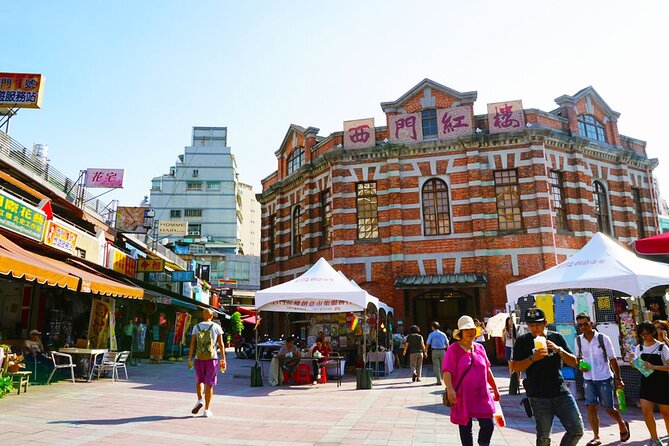
After Ximending, you’ll visit Ximen Red House, the Japanese-built Western-style building from 1908 and its surrounding square. This is a short stop, around 20 minutes, but it’s a high-signal one.
Why it works: this building is a visible “crossroads” of influences. The guide can explain how Japanese-era structures and Western-style design elements fit together in Taipei’s city fabric, then you can see modern creative use in the surrounding area, like daily exhibitions or performances.
If you like photography or just want to understand why certain buildings are preserved and reused, this stop pays off. It also gives you a quiet contrast after Ximending’s busy street scene. You’ll feel the difference between commercial energy outside and cultural programming tied to the building inside.
Zhongshan Hall: Another Piece of the City’s Public Story
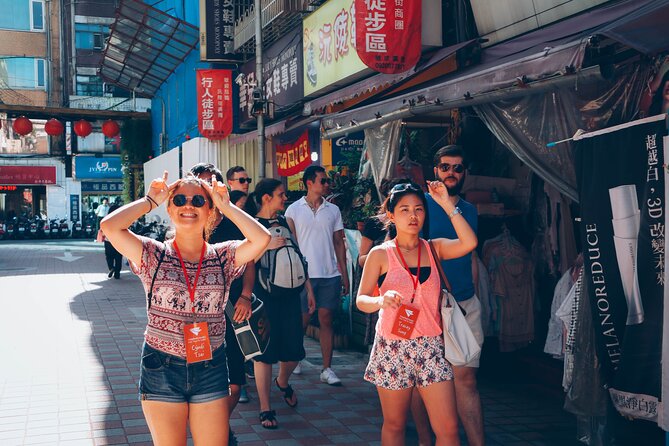
You’ll also pass by Taipei Zhongshan Hall, a historic building that originally functioned as the Taipei City Public Auditorium. It’s a shorter stop (about 10 minutes) and more of a “finish the picture” moment than a full stop for photos and roaming.
Still, it matters because it connects the history theme back to public civic life. The hall reminds you that Taiwan’s modern public culture didn’t appear out of nowhere; it grew in spaces built for community, performance, and shared gatherings.
I find these shorter stops useful when you’re on day one. They help you build a mental framework, so later when you walk around Taipei on your own, you can spot which buildings are only “old,” and which are old but also politically or culturally loaded.
Comfort Tips That Actually Help (Heat, Rain, and Walking Rhythm)
This is a walking tour, and comfort affects how well you absorb the stories. Several guide comments in past experiences pointed to practical handling of weather—like keeping the group in shade when it’s hot or moving people under cover during rain. That kind of care makes a big difference because you don’t just listen; you stay engaged.
Plan for steps. Reviews specifically advise comfortable shoes, since there are many steps and you’re walking through dense city blocks. If you’re traveling with kids or just want a manageable pace, you can still enjoy this tour, but you should treat it like a real walk, not a casual stroll.
Also remember: snacks aren’t included. That doesn’t mean you won’t find food nearby, but you’ll need your own plan—water and a small bite if you want one.
Who This Tour Is Best For
This tour is especially good if it’s your first day in Taipei and you want a fast framework for understanding the city. It’s also perfect if you enjoy history that connects to everyday places. The route includes memorial space, government architecture, a market, shopping streets, and cultural venues—so it doesn’t force you to pick one type of experience.
You’ll likely get the most out of it if you like asking questions. Many groups described the guides as interactive, with room to keep chatting when people had curiosity. Humor shows up too, with guides like James and others described as using funny storytelling beats to keep the pace light while still covering serious topics.
If you’re the type who prefers totally neutral, no-emotion history, you might find parts of the route emotionally heavy. That’s not a flaw; it’s the point. But it’s worth knowing so you can mentally prepare, especially at the memorial stop.
How to Make the Most of Your 2 Hours 15 Minutes
A short tour like this has one job: help you get your bearings fast. The best way to do that is to stay present. Don’t try to multitask with your phone the whole time. If you do want photos, take them during natural pauses near major sights rather than while walking.
After the walk, you’ll be in the Ximen area, which makes it easy to continue on your own. Bring your curiosity: if something mentioned in the tour grabs you, pick a nearby second visit later. The guide’s goal is to help you spot what’s worth slowing down for.
If you have questions about politics, history, or cultural identity, save them for the guide. The tour is structured for discussion, and the best answers usually come when you ask what you genuinely want to understand.
Should You Book This Taipei Old Town Walking Tour?
I’d book it if you want a fast, low-cost orientation plus real context for key Taipei landmarks. At $5, you’re buying a guide-driven map of meaning: 228 Peace Memorial Park for memory, the Presidential Office Building for how power shows up in architecture, Chengzhong Market for day-to-day life, and Ximending and Ximen Red House for how Taipei expresses creativity now.
Skip it if you hate walking, dislike emotionally serious history, or need a tour with meals and fully guided free time built in. Also consider that weather can affect comfort, since it’s not just “walk and ignore rain” territory.
If you’re deciding between options, this one is a strong starter choice. You leave with direction, plus a story thread that helps you read Taipei instead of just passing through it.
FAQ
How much does the Taipei Old Town introduction walking tour cost?
It costs $5.00 per person.
Is this tour really tip-based?
Yes. The booking fee does not include the tip to the tour guide.
How long is the walking tour?
It lasts about 2 hours 15 minutes.
Where do I meet the guide?
Meet at NTU Hospital Station Exit 4 at street level.
Where does the tour end?
The tour ends at No. 4, Chengdu Rd, Wanhua District, Taipei City, Taiwan 108.
What’s included in the price?
A professional guide is included. Admission tickets for the listed stops note free entry for the 228 Peace Memorial Park, and the rest of the major sites on the route are presented as part of the tour without paid admission.
Are snacks included?
No, snacks are not included.
What if I’m late or lost during the tour?
There’s a WhatsApp link provided for joining if you are late or lost.
Do I need good weather for the tour?
Yes. The experience requires good weather, and if it’s canceled due to poor weather you’ll be offered a different date or a full refund.
What is the cancellation policy?
Free cancellation is available up to 24 hours in advance for a full refund. If you cancel less than 24 hours before the start time, the amount you paid is not refunded.