REVIEW · TALLINN
Guided Old Town Tallinn Historical Walking Tour
Book on Viator →Operated by 120 Degrees · Bookable on Viator
Old Town Tallinn makes sense fast. This guided walk strings together medieval power, modern life, and the best photo angles, all in one tight route.
I love the first-day orientation it gives, starting at Town Hall Square and quickly turning the map from confusing to clear. I also love the viewpoint game—Kohtuotsa and Patkuli make you look closely and count details like spires, weather vanes, and even ferries.
One possible drawback: because this is an outdoor, stop-and-go walk, windy or rainy weather can make it harder to hear the guide and the pacing can feel quick.
In This Review
- Key highlights to know before you go
- Old Town Tallinn in 2 hours: why this tour is a smart fit
- Meeting point at Raekoja plats: the route starts where photos are easiest
- Town Hall Square to Niguliste: getting your medieval bearings fast
- Freedom Square and the modern Estonia conversation
- Fortress walls at Kiek in de Kok: learning to look at defenses
- Toompea Castle, Long Herman, and the big cathedral contrasts
- Kohtuotsa and Patkuli viewing points: the skyline photo lesson
- Danish King’s Garden to Luhike Jalg: small streets, big meanings
- Great Guild Hall and Katarina’s Lane: power and everyday life
- What the guide adds: photo help, pace control, and smart next steps
- Price and value: is $42.34 worth it?
- Weather reality and how to make the tour work for you
- Who should book this tour—and who should skip it
- Should you book? My practical take
- FAQ
- How much does the Guided Old Town Tallinn Historical Walking Tour cost?
- Where do I meet for the tour?
- How long is the tour?
- Is this tour mostly outdoors or does it include museum/church interiors?
- What language is the tour offered in?
- Is free cancellation available, and can I bring pets or a service animal?
Key highlights to know before you go
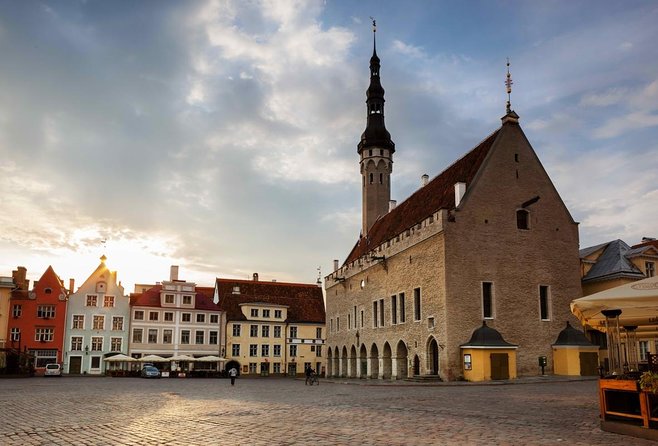
- Town Hall Square kickoff that sets the story of Estonia and Tallinn right from the start
- Niguliste area stories around the Church of St. Nicholas, with old-city context you can use right away
- Fortress-and-defense stop at Kiek in de Kok and the Bastion Passages Museum area
- Two major skyline viewpoints: Kohtuotsa and Patkuli, both quick photo wins
- A medieval-life route that links Toompea, guild power, and Katarina’s Lane into one walk
Old Town Tallinn in 2 hours: why this tour is a smart fit
If you’re trying to work out Tallinn fast, this is built for that exact moment. You get a structured walk through the Old Town’s most important landmarks, plus the surrounding story that helps you understand what you’re looking at. It’s not a slow “wander and hope” kind of trip. The route is designed to move, connect, and point you toward what matters.
The timing is also realistic. You’re out for about 2 to 2.5 hours, which is perfect when you want a full overview but you don’t want to burn half a day. And with a maximum of 20 people, you’re not stuck in an endless line with no chance to ask questions.
At about $42.34 per person, the value comes from compression: multiple key sites plus local guidance and next-step recommendations, all in one go. It’s especially worth it on day one.
You can also read our reviews of more walking tours in Tallinn
Meeting point at Raekoja plats: the route starts where photos are easiest
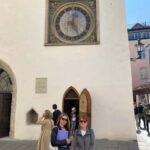
The walk starts at Raekoja plats 1 by Town Hall Square. From there, the guide builds your route and your understanding of the city’s timeline. You’ll also hear how the tour will move and how Estonia’s story fits into what you’re about to see.
Why this matters: Town Hall Square is one of those places where you can orient instantly. From there, Tallinn stops being a set of pretty streets and starts being a readable layout—government power here, church influence there, defense on the edges.
The tour also loops back to the start, so you’re not dealing with a complex end-point. You’ll receive a mobile ticket, and the tour is offered in English.
Town Hall Square to Niguliste: getting your medieval bearings fast
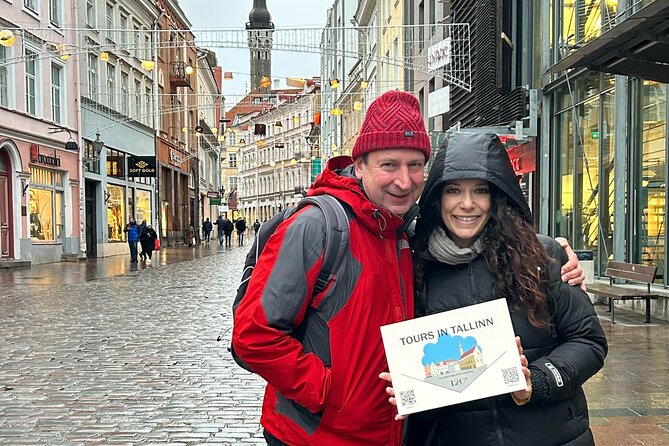
You begin at Tallinn Town Hall and its square. It’s a short stop, but the point is big: you get a clear introduction to the excursion and the history behind what you’re walking through. If you have preferences, you can tell the guide what you care about, and they’ll steer examples that fit.
Next comes Niguliste Museum, tied to the Church of St. Nicholas (one of the city’s oldest churches). This is where you start learning how to “read” the area instead of just seeing buildings. The guide focuses on stories connected to the church and the neighborhood around it, so even a quick stop becomes useful.
This part of the tour is a great place to ask questions. If you’re the type who wants to know why something matters before you move on, this is the segment where it pays off most.
Freedom Square and the modern Estonia conversation
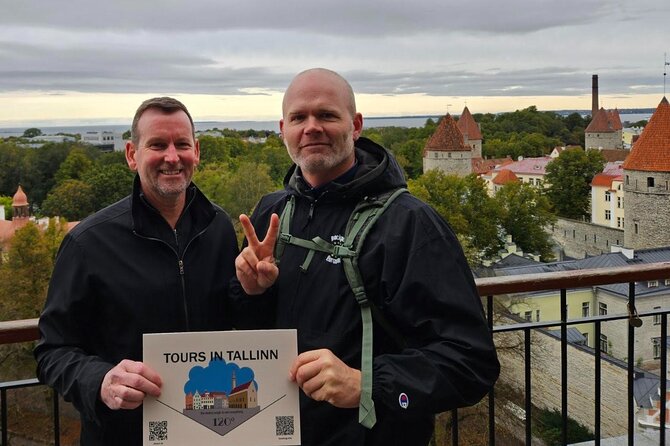
Then the route pivots toward Freedom Square. This stop is a bridge from old power structures to modern city life. You’ll hear about contemporary themes and get a sense of how today’s Tallinn connects to the past.
Freedom Square can feel like a “random stop” if you visit it alone. On this walk, it becomes more meaningful because the guide is actively linking what you’re seeing to the broader story of Estonia.
This segment is also where the tour’s pace becomes clear: you’re getting just enough time at each major point to understand it and move on with confidence, not memorize every detail.
Fortress walls at Kiek in de Kok: learning to look at defenses
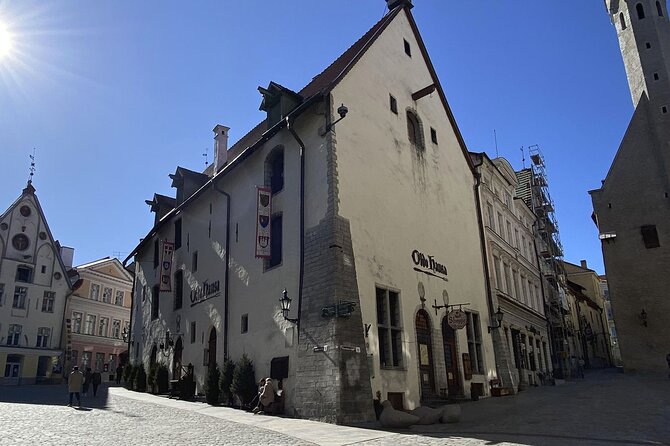
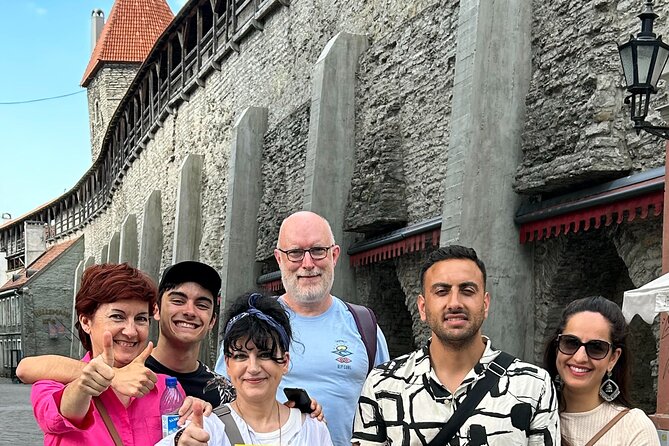
A highlight for many people is Kiek in de Kok and the Bastion Passages Museum area. Even if you don’t spend long inside, the outer setting tells a lot. You stand near a dramatic stretch of fortress wall and towers, and you get the chance to understand medieval defenses in a practical way.
One of the fun ideas here is learning how to determine the age of towers by eye. It’s the kind of visual “skill” that makes the rest of your sightseeing sharper. Suddenly you’re not just photographing walls—you’re noticing why a tower looks the way it does and what that likely meant.
If you like architecture plus military history, this is one stop where the short timing still feels worth it. It’s quick, but it gives you a lens.

Toompea Castle, Long Herman, and the big cathedral contrasts
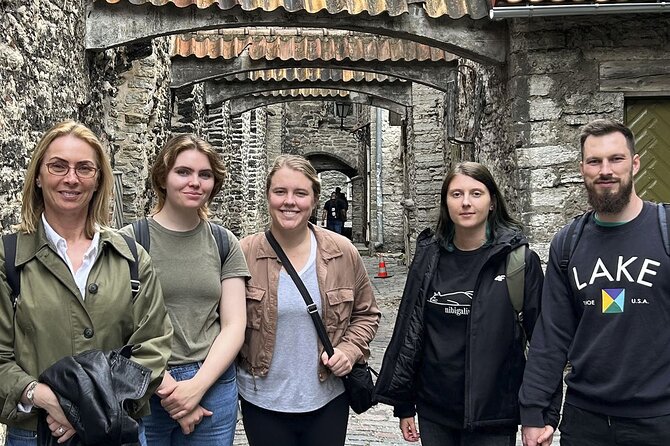
The tour then climbs into Toompea Castle and Palace Square territory. This part of Tallinn is where government and legend overlap. You’ll hear answers to questions like what the word Toompea means, who Long Herman is, and where knights lived. The guide also explains Estonia’s political setup, and you may hear playful commentary about why the Estonian parliament gets nicknamed cute by some visitors.
From there, two major church landmarks come into focus:
Alexander Nevsky Cathedral
This is a constant favorite for many people. You’ll talk about the building’s features and its difficult fate—so it lands as more than just a pretty facade.
St. Mary’s Cathedral
Here you learn about Tallinn Gothic and why wood didn’t work out as a dependable construction material. Even if you’re not going inside, the explanation makes the exterior and the style feel more intentional.
These stops are ideal if you want “why this exists” rather than “what it looks like.” The guide’s storytelling helps you connect architectural style to history.
Kohtuotsa and Patkuli viewing points: the skyline photo lesson
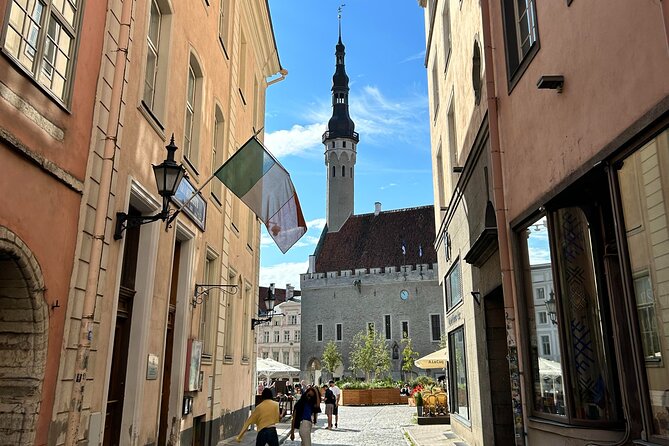
If you’re chasing the best Old Town photos, this walk includes two top viewpoints: Viewing Point Kohtuotsa and Patkuli Viewing Platform.
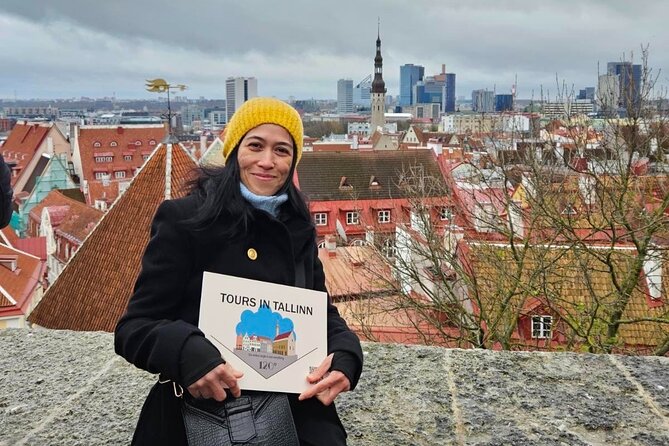
Kohtuotsa is treated like a quick challenge. The guide has you look for details—spiers, weather vanes, high-rise dominants, and ferry movement. It’s a great way to make a short stop feel active instead of rushed.
Then Patkuli gives you a different angle. You’ll hear how many islands there are in Estonia and how towers surround the Old Town. You also get a practical fact tied to geography and transportation—basically, why you can’t go from here to other parts of Europe by train.
Pro tip: bring your camera battery and your patience for a few seconds of “look closely” time. The payoff is that you’ll remember Tallinn as a place with structure, not just a cluster of rooftops.
Danish King’s Garden to Luhike Jalg: small streets, big meanings
Not every Tallinn highlight is a giant monument. This tour also includes the quieter, more atmospheric edges of the Old Town.
At Danish King’s Garden, you’ll hear questions that sound random at first—like how the Danish flag connects to Tallinn—and then you’ll get the story behind it. You’ll also notice the monk sculptures and learn why they don’t have faces.
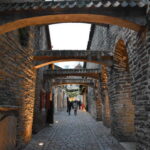
Next you walk Luhike Jalg, the street area tied to the idea of Short Legs and Long Legs. This is a clever stop for anyone who likes city history you can actually walk through. You’ll learn that these paths once marked a boundary between two cities and that the streets were separated by a wall of mistrust.
These are short stops, but they’re memorable because they teach you how to “see the town” at street-level, not just monument-level.
Great Guild Hall and Katarina’s Lane: power and everyday life
The tour finishes with a stretch that connects civic power and daily life.
Great Guild Hall
You’ll learn about guilds and what role they played in medieval city life. This is explained in a way that helps you understand why these places weren’t just about business. They were social and political nodes too. You’ll also hear about historically important objects within the guild territory area.
Dominican Convent 1246 Museum and Katarina’s Lane
Then you reach Katarina’s Lane, described as an atmospheric corner of the Old Town that’s not always easy to find without a hint. You’ll get a mix of craft shops atmosphere and story-driven context. The pace here can depend on how comfortable the group is moving, since it’s a more “wander with purpose” feeling section.
Important practical note: this is primarily an outdoor walking tour, and it does not promise museum or church interiors. Still, the free admission tickets listed at stops can be useful if you want to go in on your own.
What the guide adds: photo help, pace control, and smart next steps
A big reason this tour earns a high rating is how the guide handles the human side. The instructions encourage you to ask for photos, ask questions, or even request a slower pace. That matters in Tallinn, where December cold or sudden summer rain can change how long it takes to enjoy each stop.
You may meet guides like Max, Elina, Alex, Lana, or Oksana—names that show up often with praise for storytelling and route planning. The best guides in this format do two jobs at once: they explain what you’re seeing and they help you use the info later.
At the end, you should leave with personalized recommendations for where to go next—museums, food, and souvenir direction. That’s the part that turns a “2-hour sightseeing loop” into a trip strategy.
Price and value: is $42.34 worth it?
For a 2 to 2.5 hour guided walk covering 10-plus Old Town highlights, $42.34 is fair—especially if it’s your first visit. You’re paying for:
- route planning and story structure,
- photo-worthy stops without you needing to guess which ones matter,
- and local recommendations that help you spend the rest of your time wisely.
If you already know Tallinn deeply and plan to self-guide every minute, you might not need the guide. But if you want the city to feel connected—church to defense to governance to street boundaries—this is one of the most efficient ways to get that “map in your head.”
Weather reality and how to make the tour work for you
Tallinn weather can be stubborn. Because the tour is mostly outdoors and moves quickly between locations, you’ll want to handle the conditions early: layers for cold, and a rain-ready plan if forecasts look questionable.
Also keep expectations realistic about hearing and pace. One key drawback that can show up is that windy conditions can make it harder to catch details, and the route is time-cut by design. If you ever can’t hear well, do what the tour encourages: signal the guide right away and ask for repetition or clearer volume.
One more small piece of advice: double-check the meeting instructions and find the guide promptly. There’s at least one story out there of people losing time because they were at a nearby-looking location instead of at the Town Hall Square starting point. In a 2-hour tour, those minutes matter.
Who should book this tour—and who should skip it
Book it if you:
- want a fast, structured Old Town introduction,
- enjoy viewpoints and architecture explanations,
- need help planning what to do after you see the big landmarks,
- have limited time and still want context.
Skip it or consider another style of tour if:
- you need long indoor stops or museum time,
- you dislike walking outdoors for a couple of hours,
- you’re the type who gets frustrated when explanations are short at each stop.
Because it’s capped at 20 people and is offered in English, it’s also a good size for small questions and photo requests.
Should you book? My practical take
I’d book this as your first or second day in Tallinn. It’s not trying to replace in-depth museum time. It’s meant to give you the “why” behind what you see and the confidence to explore on your own afterward.
If the weather is nasty, you’ll still get the core route, but you’ll need to do your part with layers and patience. If you want to make sure you can hear and learn, be proactive: ask questions, request slower walking if needed, and take a second at each viewpoint to look properly.
FAQ
How much does the Guided Old Town Tallinn Historical Walking Tour cost?
The price is $42.34 per person.
Where do I meet for the tour?
Meet at Raekoja plats 1, 10114 Tallinn, Estonia, at Town Hall Square.
How long is the tour?
The tour lasts about 2 hours to 2 hours 30 minutes.
Is this tour mostly outdoors or does it include museum/church interiors?
It is a purely outdoor walking tour. No museum or church interiors are included.
What language is the tour offered in?
The tour is offered in English.
Is free cancellation available, and can I bring pets or a service animal?
Yes. You can cancel for a full refund up to 24 hours in advance. Service animals are allowed, and pets are allowed as well.