
REVIEW · MEMPHIS
Historic Memphis Guided Walking Tour: Memphis Beyond Beale
Book on Viator →Operated by Backbeat Tours · Bookable on Viator
Memphis tells its story on foot. This guided downtown walk strings together Civil War drama, Prohibition-era characters, and classic landmarks like Beale Street and the Mississippi River, all with real local context. I like that it also lands you at the Peabody Hotel for the March of the Ducks, so your history lesson turns into a Memphis moment you’ll remember.
What makes it work for me is the tight route and the way the guide turns street corners into cause-and-effect: yellow fever shaped downtown growth, cotton fueled the economy, and later Prohibition greed helped spawn a very Memphis kind of nightlife. You should note one possible drawback: it depends on good weather, and since it’s a walking tour, cold or rain can make you wish you’d brought a warmer layer and better shoes.
In This Review
- Key things I’d circle before you go
- Why this Memphis walk starts at the Peabody Hotel
- Price and pace: what $32.92 buys you in 2–3 hours
- Civil War to Prohibition stories you can walk between
- Barboro Alley and WDIA: Memphis gets real fast
- Court Square Fountain to Confederate Park: parks that remember a battle
- Walking past the Mississippi River: why the city bends around water
- Cotton Museum at the Cotton Exchange and Howard’s Row buildings
- The Peabody Ducks and the Orpheum Theatre tour option
- Small-group energy and how to make the most of it
- Who should book Memphis Beyond Beale?
- Should you book this walking tour?
- FAQ
- What is the duration of the Historic Memphis Guided Walking Tour?
- How much does the tour cost?
- Where does the tour start?
- What time does the tour start?
- What’s included in the price?
- Is the Orpheum Theatre tour included automatically?
- Which major stops will I visit?
- Is the tour dependent on weather?
- Can I cancel for a refund?
- Is the tour accessible for most people?
Key things I’d circle before you go
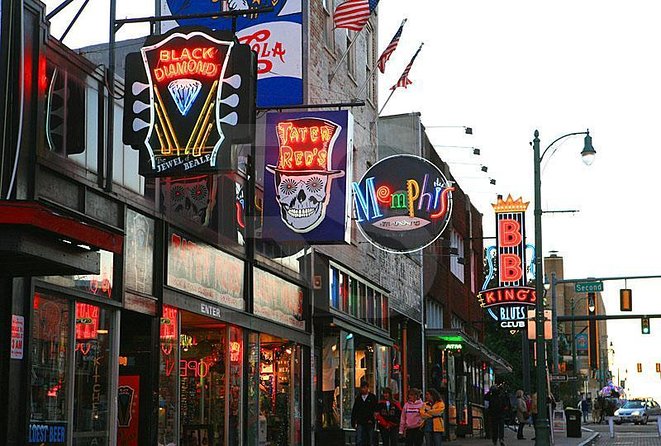
- Peabody Ducks timing built into the route so you watch the famous march as part of the tour, not as an afterthought
- Civil War stops tied to specific places like Confederate Park (Fourth Bluff Park) and the Battle of Memphis story
- Prohibition and city characters, not just dates including gamblers and machine bosses fueled by the era’s greed
- Small-group size (max 20) with room for questions and a guide who can keep the pace moving
- Optional Orpheum Theatre tour if you’re there Monday to Wednesday
Why this Memphis walk starts at the Peabody Hotel
Meeting at the Peabody Hotel at 149 Union Ave is a smart move. It puts you right in the heart of downtown Memphis and lets the tour use the hotel as a natural time anchor for one of the city’s most theatrical traditions.
You’ll get going at 9:30am, and the walk is designed so the Peabody moment lands when it’s supposed to. Even if you’re not usually into “guided tours,” this one is easier to enjoy because the payoff is built in early enough that you can keep the rest of your day free.
Price and pace: what $32.92 buys you in 2–3 hours
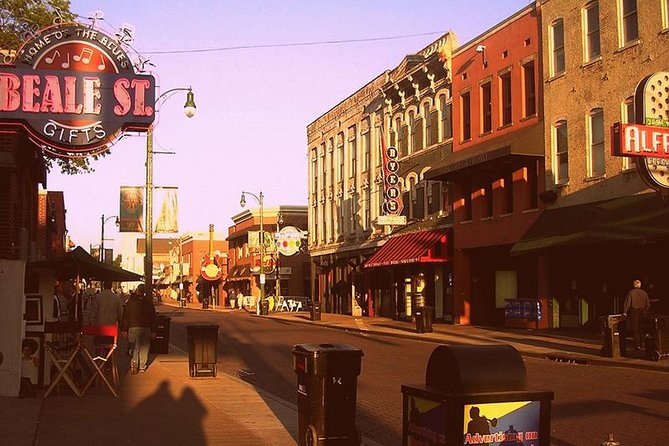
The price is $32.92 per person for a 2 to 3 hour walking experience with a professional guide and local taxes included. That’s not a bargain-bucket price, but it’s reasonable for a downtown route where most stops are short and the value is in the storytelling.
A big part of what you’re paying for is timing and access. Many of the moments on the route are outside and easy to see on your own, but a guide helps you understand why they matter. The other value lever is the Orpheum Theatre guided tour option (when selected), which adds an interior, historical stop to the end of your walk.
One more practical note: the tour runs with a maximum of 20 people. That matters because the guide can actually keep everyone together and still pause for questions.
Civil War to Prohibition stories you can walk between
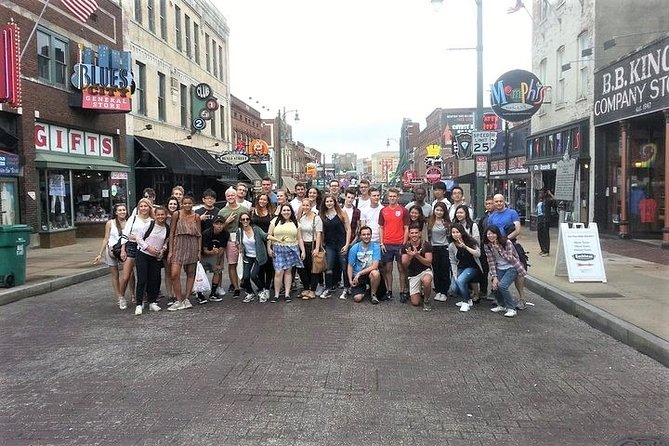
This tour is built like a fast timeline you can feel in your legs. You move from Civil War-era landmarks to cotton-trade Memphis, then into Prohibition-era characters, all while the Mississippi River and Beale Street keep showing up as the engine room of the city’s economy and culture.
You’ll hear about tough frontiersmen and famous names tied to the region, including Davy Crockett and Sam Houston. You’ll also get stories about Confederate soldiers and Civil War spies, plus later characters like gamblers, speculators, and fancy travelers who arrived by steamboat and train. It’s the kind of narrative that makes Memphis feel less like a checklist and more like a place with momentum.
The best way to enjoy this structure is simple: don’t try to memorize everything. Treat it as context. Once you’ve walked it once with a guide, you’ll start noticing connections everywhere else.
Barboro Alley and WDIA: Memphis gets real fast
Your first stop is Barboro Alley, where the focus is the city’s yellow fever history. Downtown Memphis’s story is full of booms and breaks, and yellow fever is one of the clearest examples of how a health crisis can reshape a place. In particular, you’ll hear how a yellow fever outbreak in the 1870s influenced the growth of downtown and even the way Beale Street developed.
Next you move to the WDIA-WHRK Radio Building, with a stop centered on WDIA, the Goodwill Station. This is where the tour widens the lens beyond war and commerce. Radio matters because it’s how a city’s voice travels, and Memphis has always been good at producing stories that spread.
If you’re the type who likes to understand culture as well as architecture, these early stops are a win. They set up Memphis as a place that invents, adapts, and sometimes survives by changing everything.
Court Square Fountain to Confederate Park: parks that remember a battle

At Court Square, you’re looking at one of Memphis’s oldest parks and learning how it became an enduring downtown anchor. You’ll also get specific attention to the Court Square Fountain, which is the kind of landmark you’d pass without a second look if you didn’t know what it represents.
Then comes Confederate Park, the site of the Battle of Memphis in June 1862. The tour also points out that the park was renamed Fourth Bluff Park in 2016, which is the kind of small detail you only catch when someone points it out. Here, the guide frames the location as more than a memorial spot: it’s a reminder that geography drove strategy in the Civil War.
A careful thing to watch for at this point: the emotional tone. Civil War sites can feel heavy, even when the facts are presented in an informative way. If you prefer lighter history, you can still enjoy it, but go with the mindset that Memphis isn’t avoiding the hard parts.
Walking past the Mississippi River: why the city bends around water
Your route continues toward the Mississippi River, with a stop dedicated to its history and importance. This is one of those moments where the guide makes a simple idea click: the river wasn’t just scenery. It was a transportation highway, a business engine, and a magnet for the people and money that shaped Memphis.
This is also where you start seeing why Beale Street and Main Street aren’t separate stories. The guide ties them together through steamboats, commerce, and the kinds of characters who arrived when the river carried opportunity.
Even if you’ve seen the river before, this stop is valuable because it gives you a reason to look. Instead of just taking a photo, you’ll understand what you’re looking at.
Cotton Museum at the Cotton Exchange and Howard’s Row buildings
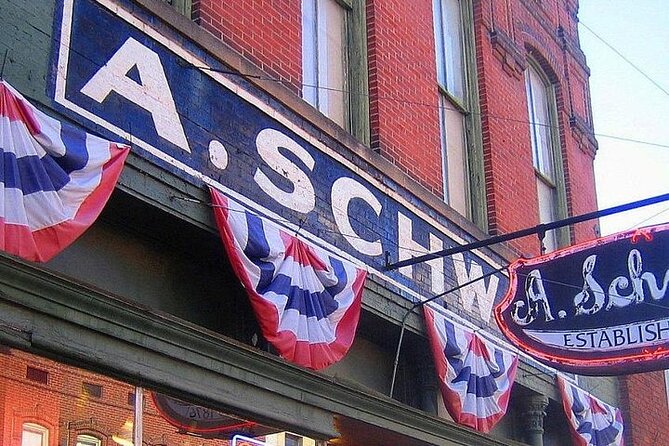
At the Cotton Museum at the Memphis Cotton Exchange, you shift from war and public health to money and manufacturing power. The focus here is the Cotton Exchange and the historic Cotton Row, which helps you see why Memphis became so important in the first place. Cotton made the city grow fast, and the guide connects that growth to the built environment you still see today.
From there, you’ll stop at what’s known as Howard’s Row, now associated with Memphis Tourism. You’ll learn that it’s the oldest collection of original buildings in Downtown Memphis, which is a great detail to hold onto while you’re walking. When you know this, the downtown streets feel older and more intentional rather than just commercial.
These stops are short, so don’t expect a museum-style walkthrough. The value is the orientation: the guide tells you what mattered, then points out what you can still recognize in the city.
The Peabody Ducks and the Orpheum Theatre tour option
The finale is two-part, and it’s one of the smartest ways to end a history walk in Memphis.
First, you’ll reach the Peabody Ducks, with the guide sharing the history of the South’s Grand Hotel and the tradition of the duck march. The real magic here is that it’s not just a cute photo op. The duck walk has become part of Memphis identity, and by placing it right after Civil War and cotton stories, the tour reminds you that the city’s personality is also built into its traditions.
After that, there’s the Orpheum Theatre. The Orpheum has been a major entertainment venue since 1928, and if you choose the add-on option, you can join a guided interior tour. The tour lasts about 1 hour and is listed as available Monday through Wednesday only, based on availability, so plan your day around the calendar if you care about that stop.
A practical tip: the Orpheum tour arrival time is 12:00pm, and it’s just about 2 blocks from where the walking portion begins. That’s close enough that you won’t feel like you’re being shipped across town after you’ve already walked a downtown loop.
Small-group energy and how to make the most of it
Because the group size caps at 20 people, you’ll have a better chance to ask questions and get answers that actually fit the route you’re standing in. This helps especially when the tour touches on complicated periods like the Battle of Memphis or Prohibition-era power plays. The guide can connect the story to the street you’re currently on.
My advice for getting the most out of it:
- Bring comfy shoes and a layer you can adjust. You’ll be moving for 2 to 3 hours.
- Come ready to ask simple questions like how one event connects to the next. The guide’s stories are built to connect.
- If you’re interested in the Orpheum tour, confirm you’re selecting the add-on and that your day lines up with the Monday–Wednesday schedule.
Who should book Memphis Beyond Beale?
This tour is a great fit if you want a fast, high-impact intro to downtown Memphis that connects the dots between major eras. It’s also ideal when you want an itinerary you can build around later, since the experience ends back where it starts.
You’ll likely enjoy it most if you like:
- History that feels like storytelling, not lectures
- Walking past landmarks with context
- A classic Memphis tradition as a real end point, not a random stop
If you hate walking or you’re extremely sensitive to cold and rain, you’ll need to think carefully. The tour does require good weather.
Should you book this walking tour?
Yes, if you want your Memphis start to feel organized and meaningful. The price makes sense because it buys you a guide who turns short downtown stops into a coherent narrative, and it ends with the Peabody Ducks in a way that feels timed, not tacked on.
Book it especially if this is your first visit and you want Beale Street and the river area to make sense quickly. If weather is questionable, keep a flexible mindset, because this one is built around being outside and walking.
FAQ
What is the duration of the Historic Memphis Guided Walking Tour?
The tour runs about 2 to 3 hours.
How much does the tour cost?
It costs $32.92 per person.
Where does the tour start?
The meeting point is the Peabody Memphis, 149 Union Ave, Memphis, TN 38103.
What time does the tour start?
The start time is 9:30am.
What’s included in the price?
The tour includes a professional guide, local taxes, and an Orpheum Theatre guided tour if you select the add-on option.
Is the Orpheum Theatre tour included automatically?
No. The Orpheum Theatre guided tour is an add-on option, and it’s listed as available Monday through Wednesday only and subject to availability.
Which major stops will I visit?
You’ll see key downtown sites such as Court Square, Confederate Park, the Mississippi River area, the Cotton Museum at the Memphis Cotton Exchange, the Peabody Ducks, and the Orpheum Theatre (with the add-on option).
Is the tour dependent on weather?
Yes. The experience requires good weather, and if it’s canceled due to poor weather, you’ll be offered a different date or a full refund.
Can I cancel for a refund?
Yes. You can cancel for free up to 24 hours in advance for a full refund.
Is the tour accessible for most people?
Service animals are allowed, and it notes that most travelers can participate.