REVIEW · TARRAGONA
Tarragona: Roman Heritage Guided Walking Tour
Book on GetYourGuide →Operated by ITINERE, Turisme & Cultura · Bookable on GetYourGuide
Roman Tarragona hits fast. In two hours you’ll trace the city’s Roman footprint, from the oldest Roman walls outside Italy to the sea-facing Amphitheater. It’s an efficient walk, guided by an official city guide, with the story told in a way that makes the ruins feel like a real place you could picture.
I especially liked the stop-by-stop pacing that uses a large city model and a short 3D audiovisual moment. I also liked how the route connects the practical side of Roman city life (where buildings sat and why) to the showmanship of the Circus and Amphitheater.
One thing to keep in mind: it’s only 2 hours, so it can feel like a lot is packed in. If the group is big or it’s noisy (or the weather turns), the experience can feel rushed rather than relaxed.
In This Review
- Key things to know before you go
- Roman Walls First: Getting the big picture on Tarragona’s hill
- The historic center route: where Roman ruins still shape your walk
- City model + 3D exhibit: making sense of buildings without needing a textbook
- Circus entrance: chariot races and the feeling of Roman spectacle
- Amphitheater by the sea: gladiators, beast hunting, and the scale you can feel
- Price and value: what $17 buys in a tight, focused format
- What it feels like on the ground: crowds, rain, and keeping the pace sane
- Language experience: Catalan and Spanish guidance
- Who this Tarragona Roman tour is best for
- Should you book this Tarragona Roman Heritage guided walk?
- FAQ
- How long is the Tarragona Roman Heritage Guided Walking Tour?
- Where does the tour start?
- What is included in the tour price?
- Which languages are the live guides?
- Is the tour wheelchair accessible?
- What should I bring, and what’s not allowed?
- What is the cancellation policy?
Key things to know before you go
- Old Roman walls outside Italy: Start with the defensive edge and the hill’s strategic role by the Mediterranean.
- Circus vaults and chariot races: You get beyond general ruins and into the entertainment side of Roman Tarragona.
- A large city model: The guide helps you “read” the historic center instead of just staring at stones.
- 3D audiovisual exhibit: You’ll watch a short show before heading to the Amphitheater.
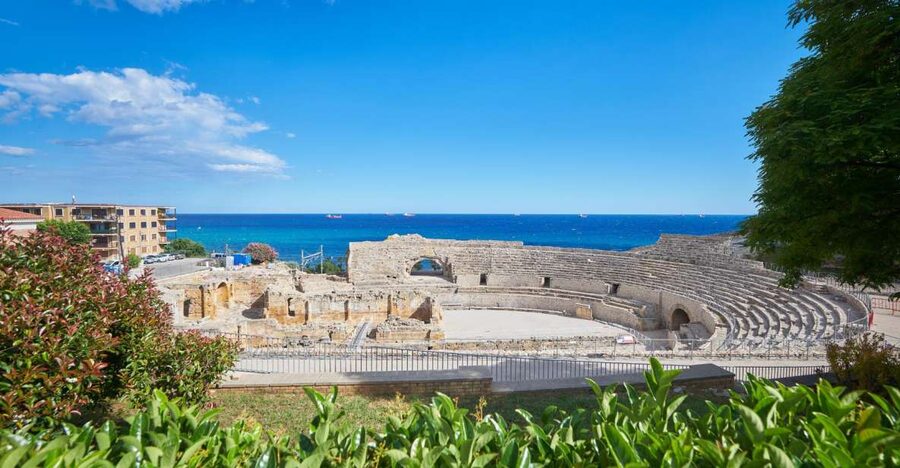
- Amphitheater views over the sea: You’ll understand why this setting worked for gladiators and beast hunts.
- Clear, proud guiding (often led by Adrià): You can expect explanations that stay understandable and focused.
Roman Walls First: Getting the big picture on Tarragona’s hill
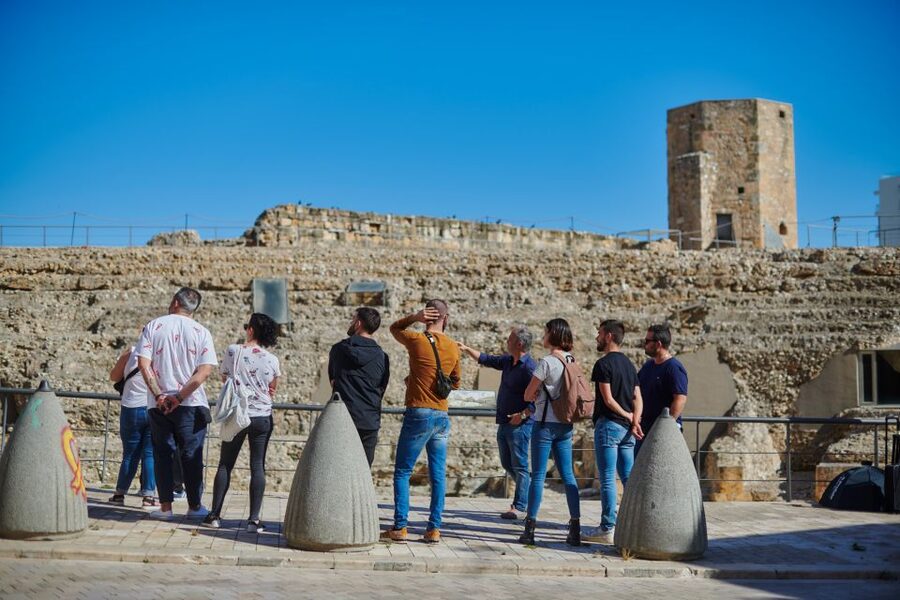
You begin at the Itinere office, right next to the Roman walls, and you’re asked to arrive about 10 minutes early so you can start on time. That timing matters here: the tour’s whole trick is sequencing. You don’t just jump from monument to monument. You build context first, and only then do you move into the tight streets of the historic center.
The guide starts by putting Tarragona’s Roman story in place and explaining why this hill—beside the Mediterranean—became the gateway for the peninsula toward Rome. That one idea does a lot of work. It turns the landscape from scenery into strategy: the location isn’t random, and the city’s layout makes sense in that light.
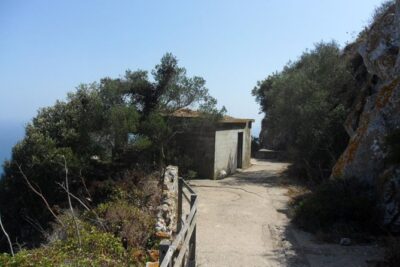
Then you transition from the walls into the present-day old quarter, where Roman monuments sit close to (and are intertwined with) today’s houses, streets, and squares. It’s a “same spot, different age” feeling, and it’s easier to follow once you’ve already heard why the Romans chose this exact ground.
The historic center route: where Roman ruins still shape your walk
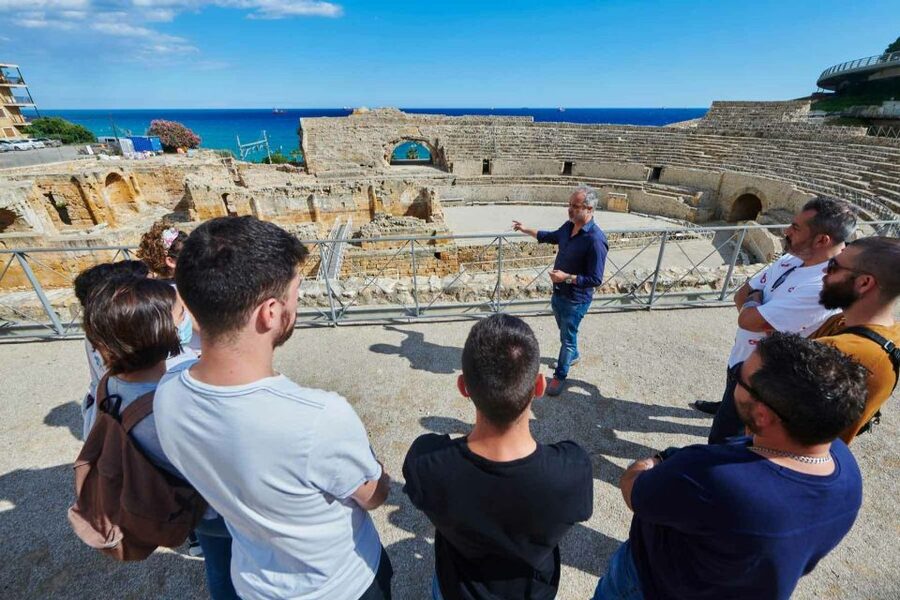
After the initial orientation, you move into Tarragona’s historic center. This is where the tour becomes genuinely helpful for first-time visitors. Instead of giving you a list of what’s ancient, the guide points out how the city used to function and how Roman design influenced what you see around you now.
A big part of this is the way the route links streets, squares, and buildings. You’ll see how Roman monuments are not isolated attractions on a postcard. They’re part of a living neighborhood. That’s why the explanations feel more practical than romantic.
If you’ve ever stared at ruins and thought, I’m missing the point—this section solves that problem. The guide uses examples to help you understand the functions of buildings and how the city model relates to the real streets in front of you.
City model + 3D exhibit: making sense of buildings without needing a textbook
One of the most effective moments on this tour is the combination of hands-on interpretation and a short audiovisual show. First, there’s a large city model. You’ll use it like a map for your imagination, connecting what you’re hearing to what you’re about to see.
Then comes the audiovisual exhibit with 3D images. Even if you don’t consider yourself a “museum person,” you’ll probably find this break useful. It gives your brain a visual timeline and a sense of scale before you reach the Amphitheater.
This is also where the tour earns its value. Tarragona’s Roman remains are not always dramatic in a single glance—you often need context to appreciate how they fit together. The city model and 3D images do that translation for you, so the final walk to the sea-side monument lands with more meaning.
Circus entrance: chariot races and the feeling of Roman spectacle
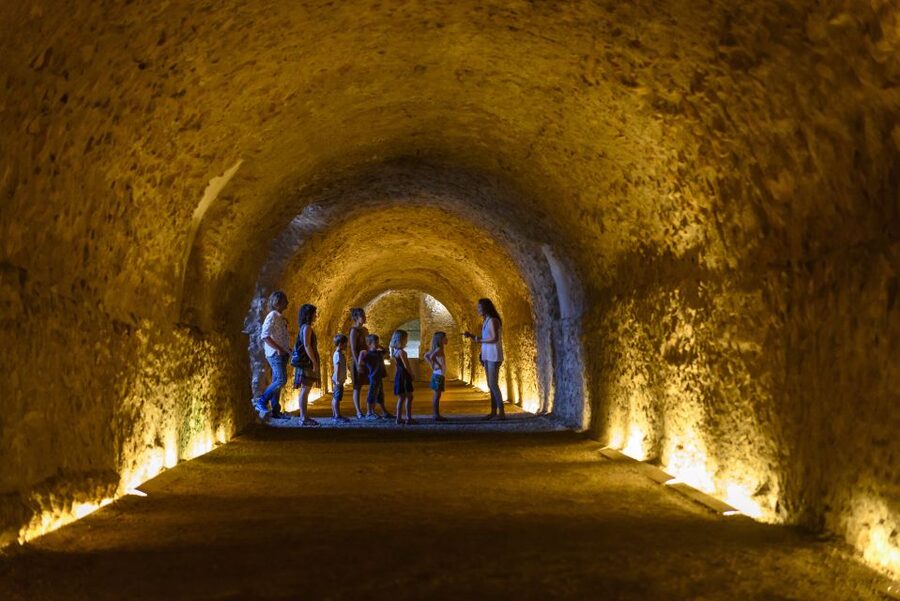
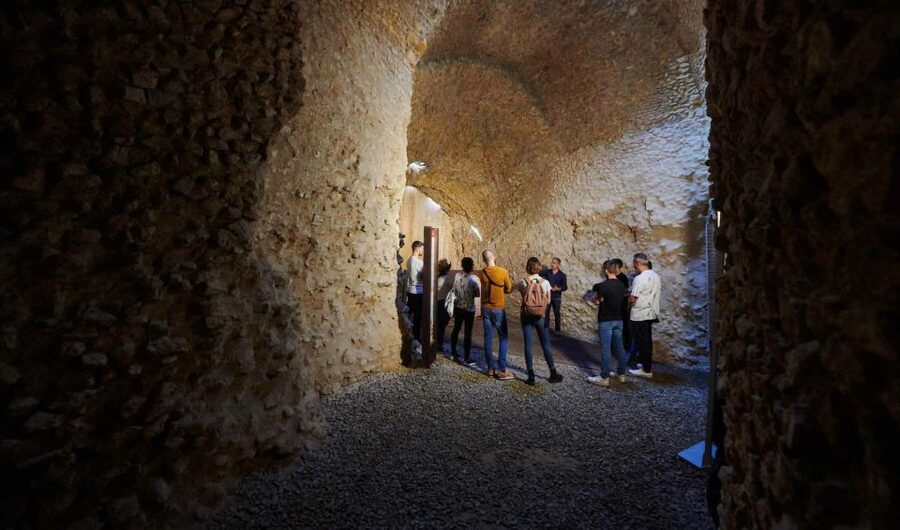
The tour includes entrance to the Circus, with a focus on the Circus vaults and the memory of chariot races. This is a welcome pivot. Many Roman heritage walks lean hard on walls and administrative buildings. Here, you get reminded that Rome loved spectacle—and Tarragona played its part.
The Circus section matters because it helps you “hear” the city. You’re not just looking at stone. You’re being guided to think about crowds, speed, noise, and the kind of public entertainment Romans expected their cities to provide.
If you’re the kind of person who enjoys connecting architecture to human behavior, this is one of the strongest parts of the tour. It takes the ruins beyond history class and makes them feel like a venue—an engineering solution built for emotion.
And yes, the tour still moves at a steady pace, since the whole experience is only about 2 hours. But this stop gives you a satisfying payoff before you head to the Amphitheater.
Amphitheater by the sea: gladiators, beast hunting, and the scale you can feel
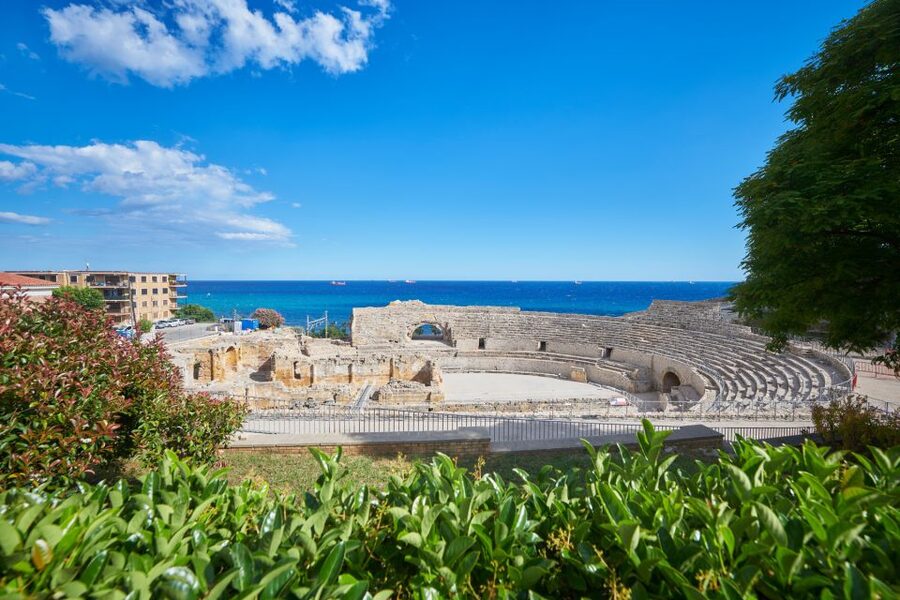
You finish at the Amphitheater, located by the sea. This is one of those locations where the setting does half the work. Even before you fully register the structure, the view helps your brain understand why it was built here.
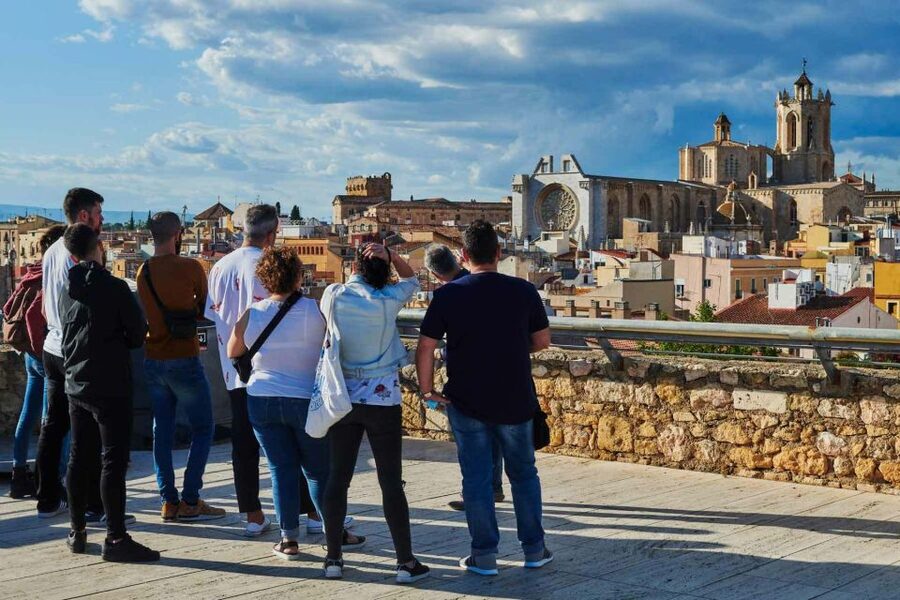
The guide explains the kind of shows that took place in ancient times—gladiator fights and beast hunting. Those aren’t abstract details. With the sea nearby and the stadium’s shape in your sightline, it becomes easier to grasp how a public event would have played out for a full crowd.
Then there’s the sense of continuity: the tour brings the stadium’s history up to its present-day presence. You end up seeing the Amphitheater as something more than a relic. It’s still part of how Tarragona looks and feels now.
Practical note: because this section is at the end of the walk, you’ll want to pace yourself earlier. Save your best energy for the sea-side views and the final interpretation from the guide.
Price and value: what $17 buys in a tight, focused format
At $17 per person, this tour is priced for value, especially because it includes the guided walking experience plus entrance to the Circus. You’re not just paying for someone to talk on the street. You’re paying for a structured route, an official city guide, and a couple of key components that help you understand what you’re seeing.
Two hours is the big trade-off. It’s short enough to fit into a busy itinerary, but long enough for real interpretation if you stay attentive. If you’re the type who likes to linger, you might feel the schedule moves quickly. Still, for many visitors, it’s a smart way to get Roman context without spending half a day.
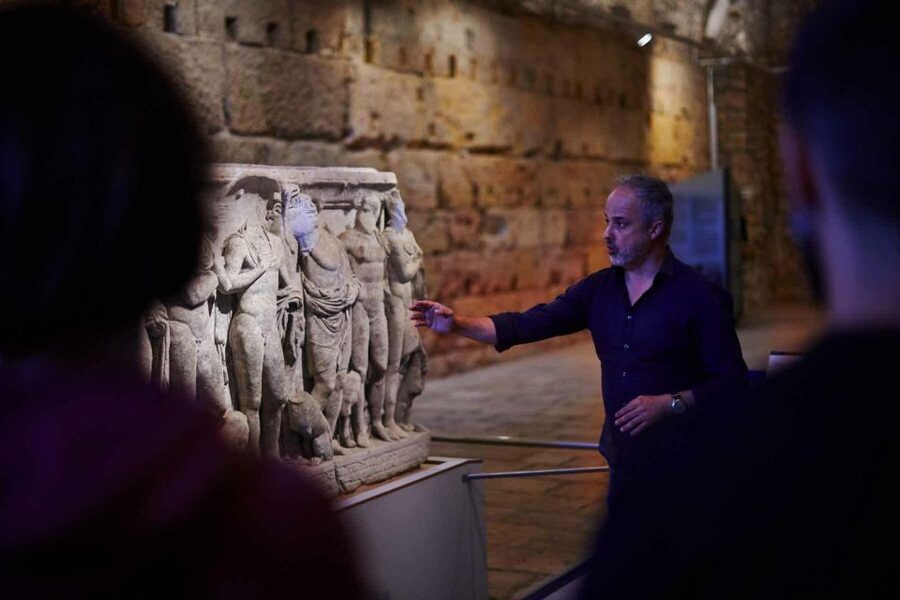
Also, the guide’s explanation style is a major part of the value. On earlier tours, Adrià has been praised for clear, understandable explanations—and that kind of guidance changes everything in a 2-hour format.
What it feels like on the ground: crowds, rain, and keeping the pace sane
This is a walking tour, and Tarragona’s historic center rewards good footwear. Bring comfortable shoes. You’ll be moving between different areas tied to the Roman story, and you’ll do it at a steady walking pace.
Weather is the other real-life factor. In heavy rain, the experience can still be handled, but you’ll want to be prepared. If you can, dress for showers. If not, at least keep your phone and camera gear protected and accept that the best views may be briefly traded for visibility.
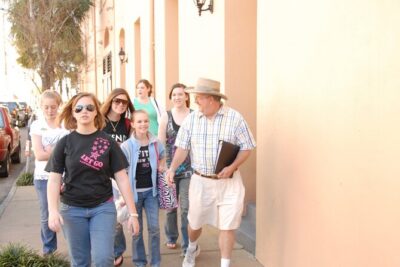
Crowds can also affect your comfort. If the group is large, it can get noisy. The guide may still do a great job, but your ability to hear every detail depends on group size and how tightly everyone stays together.
Language experience: Catalan and Spanish guidance
The live guide speaks Catalan and Spanish. If you’re comfortable with either, you’ll get the most from the explanations—especially during the city model and the 3D exhibit, where the visuals are tied closely to the spoken commentary.
If you’re not fluent, you might still enjoy the monuments themselves, but you’ll lose some of the clarity. In a tour this structured, language affects more than just comfort. It affects comprehension of why the Romans built where they did.
Who this Tarragona Roman tour is best for
I’d point you to this tour if you want a Roman itinerary that feels organized rather than random. It’s a great fit for:
- First-time Tarragona visitors who want context fast
- People who like guided interpretation (model + 3D show)
- Travelers who enjoy linking architecture to everyday life and public entertainment
It might be less satisfying if you want a very slow, wander-at-your-own-pace experience. With only 2 hours, there’s less time for extra questions and longer photo pauses.
If you’re someone who gets energized by the Circus and Amphitheater side of Roman life, this one is a strong match. You’ll end with the sea-side Amphitheater and the story behind gladiators and beast hunting.
Should you book this Tarragona Roman Heritage guided walk?
I think it’s a solid yes for most people planning a short stop in Tarragona. For $17, you get an official guide, a smart sequence (walls and why the Romans chose the hill, then the historic center, then Circus, then the Amphitheater), and included entrance to the Circus. The city model and 3D exhibit do real work in helping you understand what you’re looking at.
Book it if you want the Roman story explained clearly in a tight timeframe and you like finishing with a dramatic sea-side view. Skip it (or plan extra time on your own) if you need long, quiet ruins time or if you strongly dislike group pacing.
If you do go, wear comfortable shoes, bring a light plan for rain, and arrive a few minutes early at the Itinere office next to the Roman walls so you start with full momentum.
FAQ
How long is the Tarragona Roman Heritage Guided Walking Tour?
The tour lasts 2 hours.
Where does the tour start?
You should arrive 10 minutes early at the Itinere office, located next to the Roman walls.
What is included in the tour price?
It includes the guided tour of Tarragona and entrance to the Circus.
Which languages are the live guides?
The guide speaks Catalan and Spanish.
Is the tour wheelchair accessible?
Yes, the tour is wheelchair accessible.
What should I bring, and what’s not allowed?
Bring comfortable shoes. Luggage or large bags are not allowed.
What is the cancellation policy?
You can cancel up to 24 hours in advance for a full refund.