REVIEW · MUMBAI
Mumbai: Dharavi Slum Walking Tour by First Female Tour Guide
Book on GetYourGuide →Operated by Mumbai Excursions · Bookable on GetYourGuide
Dharavi stops being a headline when you walk. This 2 to 2.5 hour Dharavi slum walking tour is set up for close-up understanding: you move through the real work and daily routines of one of Mumbai’s most talked-about places, guided by a first female tour guide and focused on the industries that turn waste into livelihoods.
What I like most is how the route mixes hands-on production with community life. You’ll pass areas tied to plastic, paper, and aluminium recycling, plus soap making, cloth manufacturing, leather work, and pottery—so you see Dharavi as a working system, not a static stereotype. The second big win is the storytelling angle: the guide shares human resilience and transformation stories tied to education, entrepreneurship, and how people build opportunities inside tight spaces.
One drawback to consider: this isn’t a theme-park view. You’re walking inside a live neighborhood, so you need patience and respect, and you should be ready for moments that feel emotionally heavy or just plain unfamiliar.
In This Review
- Key points worth knowing before you go
- Meeting at Third Wave Coffee: how to start the tour smoothly
- What happens during the Dharavi walk: recycling, workshops, and real production
- The community side: schools, colleges, markets, and everyday services
- The guide matters: why a local woman changes the whole experience
- Ethical and impact angle: how to make the visit respectful and useful
- Itinerary flow you can picture: Third Wave in, Dharavi walk, Third Wave out
- Price and value: what $5 buys you in real learning time
- Who should book this Dharavi tour?
- Should you book this Dharavi Slum Walking Tour?
- FAQ
- How long is the Mumbai Dharavi Slum Walking Tour?
- Where is the meeting point?
- Is the tour walk-only?
- What is included in the price?
- What language is the tour guide?
- How much does the tour cost?
- Is free cancellation available?
Key points worth knowing before you go
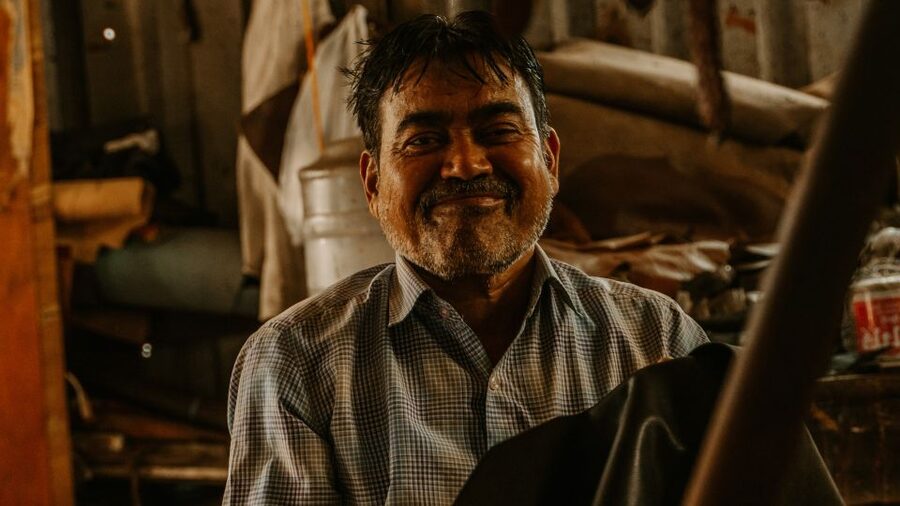
- A first-female, local-led perspective: Guides such as Anu, Sneha, Pooja, and Varsha are described as residents of Dharavi, with English strong enough to handle questions.
- You see the real work chain: recycling and manufacturing are part of the walk, not just background talk.
- Education and community spaces are included: schools, colleges, markets, and residential areas show up on the route.
- Small-group feel with a walking pace: it’s designed to keep people together while you navigate a dense area.
- Value that’s hard to beat: at about $5 for a 2.5-hour guided walk with water, it’s one of the more budget-friendly ways to learn on the ground.
Meeting at Third Wave Coffee: how to start the tour smoothly
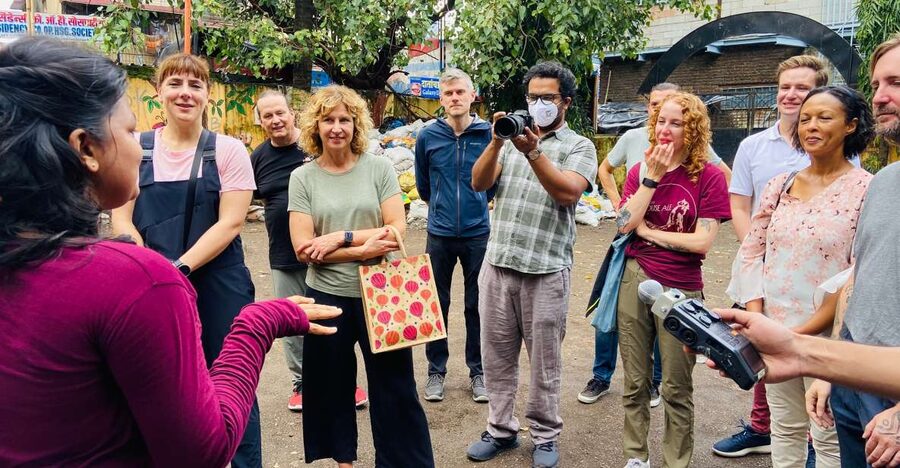
The tour starts at Third Wave Coffee, with your guide meeting you outside the shop. It’s a solid choice for a meeting point because it’s easy to spot, and several guides are punctual—important in Mumbai, where timing can slip fast. You’ll also get a chance to grab a drink before you head into the walk.
If you’re coming by car, Mumbai traffic can be brutal. I’d plan extra time and consider using the train if it’s convenient, since the meeting point is described as being near a station. That simple choice can turn a stressful start into a calm one.
Tip I’d use: wear comfortable shoes and keep your bag light. This is a walking tour inside a neighborhood, not a sightseeing loop with constant rest stops.
You can also read our reviews of more walking tours in Mumbai



What happens during the Dharavi walk: recycling, workshops, and real production
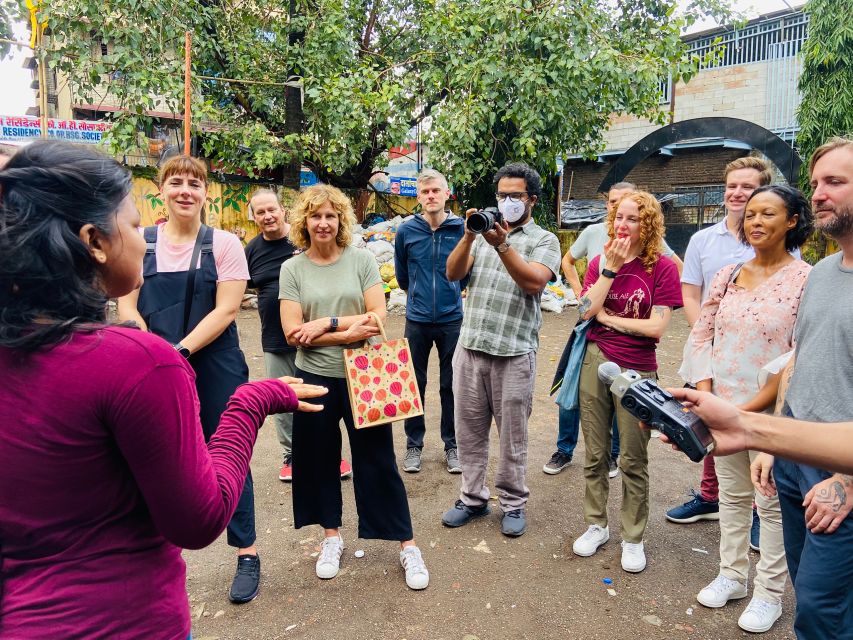
The heart of this experience is that you don’t just look at homes. You walk through the part of Dharavi that runs on labor and skill—especially recycling and small-scale manufacturing.
Here’s what the tour explicitly includes as you move through different zones:
- Plastic recycling areas where discarded materials get sorted and processed
- Paper recycling work that turns waste paper into usable inputs
- Aluminium recycling linked to metal handling and resale
- Soap factories connected to production rather than retail storytelling
- Cloth manufacturing and other craft-based work
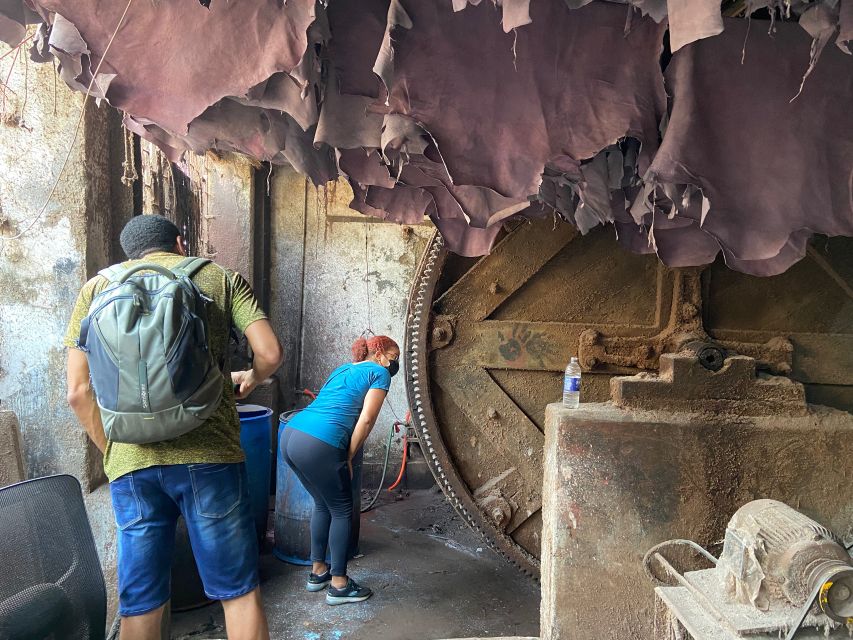
- Leather industries where materials are worked into sellable goods
- Pottery areas that add a slower, craft feel to the industrial rhythm
Why this matters for you: when you see the workflow—sorting, processing, making, packaging—you start to understand how people earn, how products move, and why the community survives. Dharavi stops being a single visual and starts looking like a network.
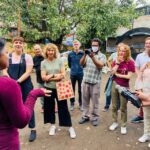
You’ll also hear stories alongside what you’re seeing. Many guide descriptions highlight patience and a willingness to answer questions, with English that stays clear even when you ask tough ones. Some guides are described as humorous too, which helps when the setting is intense.
The community side: schools, colleges, markets, and everyday services
Dharavi isn’t only work spaces. The tour also takes you through places that reflect long-term planning: education and everyday commerce.
As part of the walk, you can expect to pass schools and colleges, markets, and commercial places, plus stretches of residential areas. That combination is a big deal because it changes your takeaway.
If all you saw were factories and workshops, you might assume it’s only about survival. But when you also see where students go and where families live and shop, you get a fuller picture of how people build continuity—skills, routines, and community support systems.
In the strongest guide experiences described, you get both sides: the working areas and the living areas, so your mental model doesn’t stay stuck on one slice of Dharavi. Guides also tend to explain how education systems and roles function locally, which is the part that often catches people by surprise.
The guide matters: why a local woman changes the whole experience
This is a women-led tour with a specific claim: the guide is the first female tour guide of Dharavi. Even beyond that, the most praised experiences point to something practical: you’re not relying on secondhand talking points.
Names that come up repeatedly in guide feedback include Anu, Sneha, Pooja, Varsha, Sarah, and Mahek. Several comments emphasize that guides are calm, patient, and attentive to the group. One theme you’ll see again and again is that the guide helps you engage with people and places in a way that doesn’t feel awkward or rushed.
You’ll also benefit from the fact that some guides are described as born and raised in Dharavi. When your guide understands the area from the inside, explanations often connect back to specific realities—how things work, what matters, and what gets talked about locally.
In plain terms: this kind of guide helps you ask better questions and interpret what you’re seeing. That’s what makes the walk feel more like learning from a neighbor than touring a spectacle.
Ethical and impact angle: how to make the visit respectful and useful
The tour is positioned as ethical and impactful, and that’s not just marketing language here. The structure itself points that way: it’s a walking tour led by locals, focused on local artisans, entrepreneurs, and transformation stories, and it’s designed around understanding life rather than just taking photos.
Still, you should show up ready to behave like a visitor in a neighborhood. That means staying aware of your surroundings, keeping the focus on learning, and treating residents as people with privacy and dignity—because they are.
One practical plus: you’re given bottled mineral water, which matters in Mumbai’s heat and humidity. It’s a small inclusion, but it helps you keep your energy up and stay engaged during the 2.5-hour walk.
You can also read our reviews of more guided tours in Mumbai

Itinerary flow you can picture: Third Wave in, Dharavi walk, Third Wave out
The pacing is straightforward:
1) Meet outside Third Wave Coffee
2) Walk through Dharavi with your guide for about 2.5 hours
3) Return to Third Wave Coffee
That simple in-and-out structure makes the tour easy to plan into your day. If you’re in Mumbai for the first time, this is the kind of activity that helps you get your bearings fast—because it replaces abstract ideas about Dharavi with concrete details: industries, education, markets, and living spaces all connected in one place.
You can also think of it as a starter course for understanding Mumbai’s range. You’ll leave with a sharper sense of how communities work when formal systems don’t automatically deliver everything.
Price and value: what $5 buys you in real learning time
At $5 per person, you’re paying for a guided walk that lasts around 2 to 2.5 hours, includes the guide, and comes with bottled mineral water. That’s strong value when you compare it to the cost of many guided city experiences that give you only viewpoints and minimal local context.
The bigger value isn’t the dollar amount—it’s the format. A cheap ticket doesn’t automatically mean good learning. Here, the tour’s emphasis on recycling and manufacturing areas, plus schools, markets, and residential lanes, is exactly the kind of content that costs more when you try to do it on your own.
Also, the guide-led element matters in places like this. You don’t just need navigation; you need interpretation. Local explanations help you avoid misreading what you see.
Who should book this Dharavi tour?
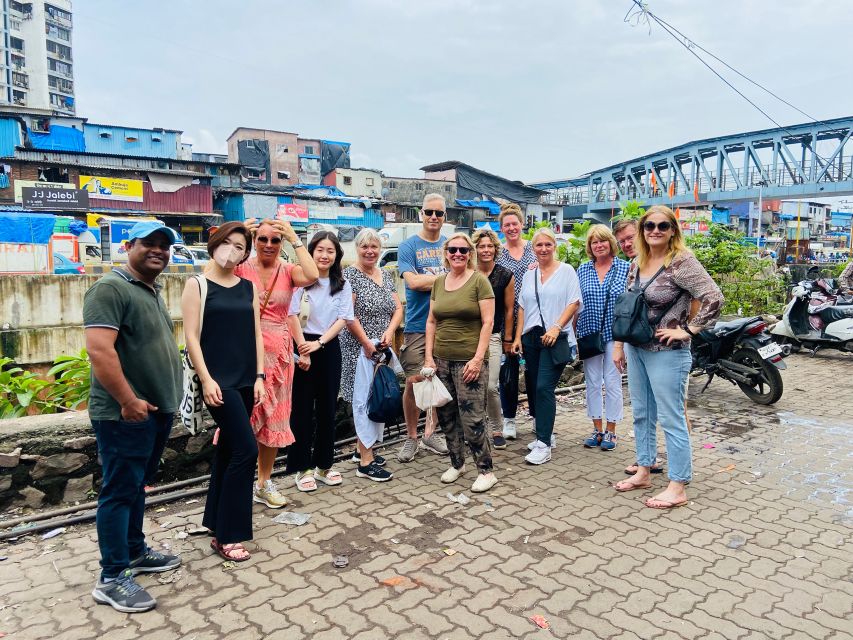
This tour is a good fit if you want:
- A first-day Mumbai activity that helps you understand the city beyond the usual landmarks
- A guided walk focused on local work and community life
- A small-group style experience where you can ask questions
- English-language explanations with guides praised for clarity and patience
It’s also a great match if you like learning through real environments—workshops, markets, and streets—rather than only museums or staged sights.
If you’re expecting a comfortable, controlled sightseeing environment, you might feel out of place. But if you’re open-minded and you want perspective, this walk is the kind of experience that sticks with you.
Should you book this Dharavi Slum Walking Tour?
Yes, if you want a low-cost, locally led, 2.5-hour walk that explains Dharavi through the things that keep people working and learning. The strongest case for booking is how the tour is built around real activities—recycling and manufacturing—plus the community spaces that reveal how life continues, not just how it struggles.
If you’re sensitive to difficult topics or you prefer more controlled viewpoints, pause and think. This is a working neighborhood experience, so your mindset has to be the right one: respectful, curious, and ready for real human context.
If you book it, do it with open eyes. You’ll get a sharper understanding of how waste becomes value, how education keeps doors open, and how local entrepreneurs shape daily life—explained by guides like Pooja, Sneha, Anu, and Varsha who bring personal familiarity to the route.
FAQ
How long is the Mumbai Dharavi Slum Walking Tour?
The tour lasts about 2.5 hours (listed as 2 to 2.5 hours).
Where is the meeting point?
Your guide meets you outside Third Wave Coffee.
Is the tour walk-only?
Yes. It is a walking tour inside Dharavi.
What is included in the price?
A walking tour, the guide, and bottled mineral water are included.
What language is the tour guide?
The live tour guide speaks English.
How much does the tour cost?
The price is listed as $5 per person.
Is free cancellation available?
Yes. You can cancel up to 24 hours in advance for a full refund.