REVIEW · KATHMANDU
Kathmandu: Food and Drink Walking Tour
Book on GetYourGuide →Operated by Maha Nepal Trips Pvt. Ltd. · Bookable on GetYourGuide
Kathmandu is easier to understand when you eat your way through it. On this Kathmandu Food and Drink Walking Tour, Deepak—an on-the-ground local foodie—walks you between clean, safe places and shares the stories behind what you’re tasting. You’ll leave with your head full of Nepalese food culture and your stomach full of very real Kathmandu comfort.
I especially love the 9 samplings that actually feel like a full meal, and the way each stop comes with context, not just a plate. One consideration: you eat a lot in three hours, so if you’re not big on trying new flavors, this might feel like hard work instead of fun.
In This Review
- Key things I’d circle on your must-do list
- Meeting Deepak in Kathmandu and Getting the Food-Savvy Briefing
- Why the Thamel-Style Walking Route Works (Even If You’re Short on Time)
- The Savory Core: Momos, Noodles, Pancakes, and Other Kathmandu Comfort
- What to watch for during the savory stops
- Street-Food Style Tasting: Panipuri and Sugarcane Juice with Lemon
- A practical tip: pace yourself for the crunchy/sour bites
- Sweet Stops You’ll Actually Look Forward To
- Culture Lessons Built Into Every Dish (Especially Newari Food)
- Value Check: Is $28 Actually Fair for This Much Food?
- Who Should Book This Walking Tour (and Who Might Not Love It)
- Quick Booking Advice Before You Set Out
- Should You Book This Kathmandu Food and Drink Walking Tour?
- FAQ
- What does the Kathmandu food and drink walking tour include?
- How long is the tour?
- Where are the pickup and drop-off locations?
- What kind of food and drinks will I taste?
- How much does the tour cost?
- Is transportation included to and from the meeting point?
- What languages does the live tour guide speak?
- Is the food safe and the restaurants clean?
- Is the tour wheelchair accessible?
- Can I cancel for a refund?
Key things I’d circle on your must-do list
- Deepak’s food-first storytelling: you get the why behind each dish, not just the what
- Come-hungry pacing: tastings are spread out so you can keep walking (and keep smiling)
- Thamel-area route: you explore the part of Kathmandu most visitors use, but with a local who knows where to go
- Standouts like momo and noodle soup: savory comfort foods anchor the whole tour
- Sweet and drink stops are real stops: cookies, donuts, tea/coffee, and more are part of the plan
Meeting Deepak in Kathmandu and Getting the Food-Savvy Briefing
The tour starts with a simple meet-up and a short orientation so you know what to expect and how the tastings will flow. You have two pickup options listed—Kathmandu or Kaiser Library—so it’s usually easy to sync with your day. Then you’re off on foot with Deepak, a local guide who treats this like sharing friends with you, not running a script.
Right away, the focus is on safe and clean eating. The restaurants are carefully chosen, and you’re guided into places that can feel intimidating if you’re going in solo. That peace of mind matters in a food city like Kathmandu, where the choices are endless and the risks are real if you guess wrong.
You also get a practical benefit that sounds small until you’re hungry: there’s a separate entrance at one stop to help you keep things moving. In a three-hour tour, time is food.
You can also read our reviews of more walking tours in Kathmandu
Why the Thamel-Style Walking Route Works (Even If You’re Short on Time)
This is a 3-hour walking experience, designed around eating in multiple places rather than sitting through one long meal. That route style is great for first-timers because you get your bearings fast while tasting the city. You’ll see everyday street scenes as you move from shop to shop, and it’s easier to understand neighborhoods after you’ve walked through them with purpose.
The tour also keeps the group social. You’re with fellow travelers, but the energy doesn’t feel like a parade. Many guests end up chatting with both the people in the group and the food vendors, because Deepak sets the tone—friendly, relaxed, and always explaining.
One more thing I like: the pacing is built for snacks and stops, not just a long walk. You’ll have short breaks as you go, which helps when you’re sampling drinks as well as food.
The Savory Core: Momos, Noodles, Pancakes, and Other Kathmandu Comfort
The biggest promise here is that you don’t just get a bite of this and a sip of that. You get multiple traditional Nepalese dishes across the tour, including noodles with soup, Nepali momo, and a pancake-style stop. And in practice, it’s plenty of food—you’ll likely finish feeling stuffed instead of peckish.
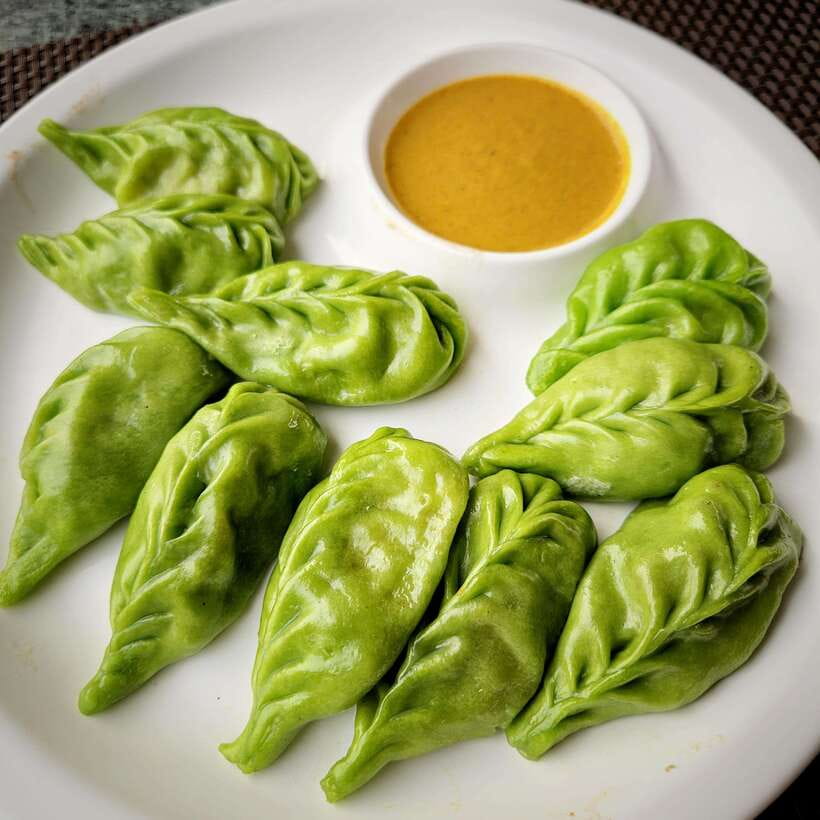
Momos are the headline for many people, and this tour leans into that. Expect savory dumplings with different flavor styles, including versions beyond the plain standard. One highlight mentioned is paneer momo, which is a big clue that the tour doesn’t only chase crowd-pleasers—it adapts to what’s available and tasty.
Then come the noodle moments. The tour includes noodles with soup, and you might even get buffalo-style noodles depending on what’s on offer that day. This matters because noodle soup in Kathmandu isn’t just filler—it’s warming, filling, and built for street-to-restaurant transitions.
You’ll also see the Newari side of Nepalese food, not just the most obvious dishes. Guests mention tasting items like chhatamari (a rice pancake/flat creation) and keema noodles, which are great examples of how Kathmandu’s food scene blends technique with comfort. If you’ve never tried Newari flavors before, this is one of the fastest ways to get oriented.
What to watch for during the savory stops
Not every bite will match everyone’s taste. One review-style theme in the data is that there can be a dish or two you don’t love—but the overall selection is broad enough that the good ones carry the day. Think of it as tasting your way into Nepalese preferences, not a test you must pass.
Street-Food Style Tasting: Panipuri and Sugarcane Juice with Lemon
A big part of what makes this tour fun is that it isn’t limited to sit-down meals. You get street-food energy with guidance, so you can try things you might skip on your own. One standout that shows up repeatedly is panipuri, with a sense of novelty and playfulness around the flavors and textures.
And then there’s the drink that many people remember: sugarcane juice with lemon. It’s the kind of refreshing stop that helps reset your palate between richer dishes. If you’re walking in Kathmandu heat or you’ve just spent time in busy streets, that lemony sweetness can feel like a cool-down, not just another beverage.
You may also encounter dessert dairy options as part of the tour’s sweep. Lassi appears in the experience notes through guest mentions, including lassi yogurt. Even if you’re not typically a dairy dessert person, this is the kind of local twist that can change your mind.
A practical tip: pace yourself for the crunchy/sour bites
Panipuri and similar street snacks can hit you with sour, spicy, and crunchy textures all at once. The tour pacing helps, but you’ll still want to take small bites and listen when Deepak suggests the order to eat.
Sweet Stops You’ll Actually Look Forward To
Yes, there are sweets—and they’re not an afterthought. Included items list cookies and a donut, plus desserts across the tour. That means you’re tasting Nepalese sweets and pastries as part of the planned flow, not just grabbing something convenient at the end.
This matters because Kathmandu’s sweet-and-bread culture is part of the story of day-to-day eating. You get a smoother read on local life when you try the full range: savory comfort, street snack intensity, and then something sweet to balance it out.
If you drink tea or coffee, this tour includes it too. Tea/coffee is listed among the tastings, and it’s a smart choice in a walking tour. Warm drinks help you slow down, check in, and keep your appetite steady.
Culture Lessons Built Into Every Dish (Especially Newari Food)
Food tours can become lectures, but this one seems built around real connections. Deepak doesn’t just name dishes. He shares the stories behind them, and guests highlight that these conversations go beyond the food.
A recurring theme in the data: you’ll learn about Newari and Nepali food and how Kathmandu’s identity shows up in what people eat. You might hear phrasing used like Mitho Chha, which is a friendly way to connect at the table. Even if your pronunciation isn’t perfect, using local language creates instant goodwill.
One of the most valuable parts for me is that you’re not learning cuisine as a museum topic. You’re learning it as a living habit—what people eat, where they eat it, and why the flavors make sense in context. That’s the difference between tasting a dish and understanding a city through it.
Value Check: Is $28 Actually Fair for This Much Food?
At $28 per person, you’re paying for four things at once: guided navigation, multiple meals-worth of tastings, local restaurant vetting, and cultural storytelling. The key is that the experience includes 9 samplings and not just “small bites.”
In the data, the tour repeatedly lands as filling. One consistent note is that you leave stuffed, meaning the cost is more like a dinner plus an eating orientation than a snack tour. If you try to recreate it on your own, you’re paying time (to find places), risk (to guess what’s safe), and often higher prices because you’re not going where locals actually go.
So the real value isn’t only the food. It’s the way the guide helps you avoid the guesswork. For a first visit to Kathmandu—especially around Thamel—that’s worth real money.
Who Should Book This Walking Tour (and Who Might Not Love It)
You should book if you fit one of these:
- You want a first-night Kathmandu plan that helps you find your way around.
- You love food and want the background that makes flavors click.
- You’re traveling solo and want a safe, social way to explore the city streets.
- You’re curious about Newari and Nepali food beyond the usual tourist staples.
You might not love it if:
- You have a small appetite or hate the idea of tasting many dishes quickly.
- You’re extremely picky and don’t want surprises. The selection is broad, and that’s the point.
For mobility planning, the experience is listed as wheelchair accessible, which is a strong sign you’re not being left out. Still, it’s a walking tour in real street conditions, so wear comfortable shoes and expect some movement between stops.
Quick Booking Advice Before You Set Out
If you do this tour, I recommend you treat it like a meal plan, not a side quest. Eat lightly before you go—or skip food—so you can enjoy everything without the late-stage regret of being too full early on.
Also, since Deepak leads in multiple languages (English, Nepali, Chinese, Hindi, French, Japanese, Russian, German, Korean, Spanish), you can usually match your comfort level. That matters when you want to ask follow-up questions about ingredients and food stories.
Finally, there’s a free cancellation window of up to 24 hours in advance for a full refund, plus reserve now and pay later options. That flexibility is useful if your Kathmandu schedule is still a bit chaotic.
Should You Book This Kathmandu Food and Drink Walking Tour?
If you want the easiest path into Kathmandu’s food culture in three hours, I’d book it. The best reason is simple: you don’t just taste dishes, you learn how they fit into local life, and you do it with a guide named Deepak who focuses on clean, safe places and lots of real tastings.
Book it if your goal is to leave Kathmandu feeling oriented—where to eat, what to try next, and how Newari and Nepali flavors connect. Skip it only if you know you dislike trying new foods or you can’t handle a very food-forward evening.
FAQ
What does the Kathmandu food and drink walking tour include?
It includes 9 samplings, local Nepali food, noodles with soup, Nepali momo, pancake, cookies, donut, tea/coffee, snacks, drinks, desserts, and a guide.
How long is the tour?
The duration is 3 hours.
Where are the pickup and drop-off locations?
Pickup and drop-off are available in Kathmandu and at Kaiser Library.
What kind of food and drinks will I taste?
You’ll taste Nepali dishes such as momo and noodles with soup, plus items like pancake, cookies, donut, and a mix of tea/coffee, snacks, drinks, and desserts.
How much does the tour cost?
The price is $28 per person.
Is transportation included to and from the meeting point?
No. Transportation to and from the meeting point is not included.
What languages does the live tour guide speak?
The guide speaks English, Nepali, Chinese, Hindi, French, Japanese, Russian, German, Korean, Spanish.
Is the food safe and the restaurants clean?
Yes. The information states that all food is clean and safe and restaurants are carefully chosen.
Is the tour wheelchair accessible?
Yes. The tour is listed as wheelchair accessible.
Can I cancel for a refund?
Yes. The policy says you can cancel up to 24 hours in advance for a full refund.