REVIEW · DRESDEN
Historic Dresden Small-Group Walking Tour in English
Book on Viator →Bookable on Viator
Dresden tells its story best on foot. In about two hours, you trace the city’s glitter, destruction, and rebuild through some of the most recognizable sights, with small-group attention and plenty of time to ask questions.
What I like most is the way this walk connects landmark-to-landmark, so Augustus the Strong’s ambitions at the Zwinger don’t feel random, and the Frauenkirche rebuild doesn’t feel like trivia. I also love that the guide doesn’t just list dates; they point out what to look for—like sgraffito detail in the palace courtyards and the porcelain narrative on the Fürstenzug mural.
One thing to consider: there’s no mention of headsets, so if you end up in the larger end of the group range, you may find it harder to hear every word on busier days.
In This Review
- Quick takeaways before you go
- Starting at Schloßplatz: the easiest way to get your bearings
- Theaterplatz to the Semper Opera: Dresden’s cultural power center
- The Dresden Zwinger: where palace design met big personality
- Royal Palace courtyards and sgraffito: history you can actually see
- Stallhof behind the palace: chivalry in a quiet pocket
- Fürstenzug: the 100-meter porcelain story you can spot with a tip
- Dresden Cathedral from the outside: built in secret, used for power
- Brühl’s Terrasse, the Elbe, and the White Fleet view
- Neumarkt and the Frauenkirche: Dresden’s rebuild story lands here
- Price and value: is $30.25 worth your time?
- Guide styles you’ll likely notice (and why it matters)
- Who should book this tour
- Should you book this Historic Dresden walking tour?
- FAQ
- How long is the walking tour in Dresden?
- What language is the tour offered in?
- What is the meeting point and where do we end?
- Is this tour a small group?
- What’s included in the price?
- Are any admission tickets included?
- Is tipping included?
- Will there be time for questions?
- Are headsets provided?
- Can I cancel if my plans change?
Quick takeaways before you go
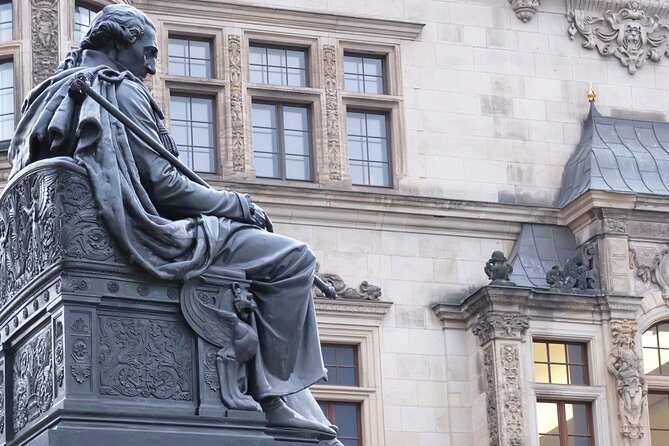
- A tight 2-hour route that hits Dresden’s big hitters without turning into a marathon
- Stop-by-stop guidance on what to look for, plus real answers when you ask
- Zwinger and the Royal Palace outdoors-first, then optional museum time later
- Fürstenzug’s 24,000 tiles: a long porcelain story you can actually spot with help
- Brühl’s Terrace viewpoints framed around the Elbe and the historic White Fleet
- Neumarkt and Frauenkirche as the emotional finish line, with tips for what to do next
Starting at Schloßplatz: the easiest way to get your bearings
Most walking tours in Europe start with a scramble. This one starts at Schloßplatz (Schloßpl. 01067 Dresden-Altstadt) and keeps things simple from the get-go. You’ll be in a professional guide-led small group (listed max 15), in English, using a mobile ticket.
Why this matters: Dresden isn’t a place you fully “get” by hopping from photo spot to photo spot. Your guide sets the map in your head fast—what belongs to the royal era, what was reshaped by war, and what you’re seeing today as a result. It makes the rest of your stay smoother, because you’ll know where to spend time on your own afterward.
You can also read our reviews of more walking tours in Dresden


Theaterplatz to the Semper Opera: Dresden’s cultural power center
Your first stop is Theaterplatz, where the city’s architectural main stage shows up in full view. The standout is the Semper Opera House, an elegant 19th-century landmark tied to Dresden’s long musical identity. The square also acts like a hub for nearby icons, so you can connect dots immediately rather than treating each building like an isolated postcard.
From here, your guide can help you notice what often gets missed from a quick pass: the way the surrounding structures create a sense of “court and culture” all in one room. You’ll also be able to ask about the Old Masters Gallery from this area, which is a useful move if you’re trying to decide which museum to prioritize later.
Practical note: this is about 15 minutes, so it’s enough time to understand what you’re looking at without turning into a slow sit-down history lecture.
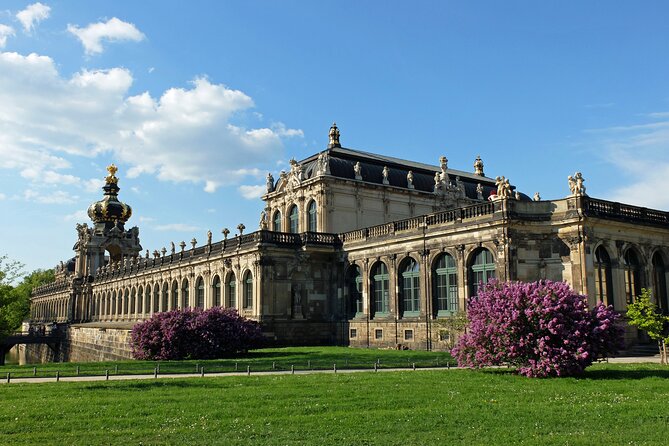
The Dresden Zwinger: where palace design met big personality
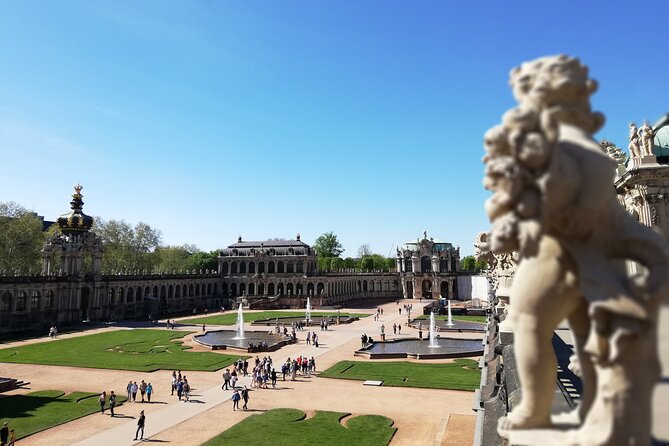
Next comes the Dresden Zwinger, designed as a single sculptural complex. It’s especially interesting because it wasn’t merely built for display—this project was meant to serve as a grand entrance for a palace that never materialized. That odd twist makes the Zwinger feel less like “stuffing” and more like a clue to how rulers dreamed.
Your guide focuses on the personality behind the design—Augustus the Strong, known for ambition and a deep love of beauty. When you hear the story that way, the details start to feel intentional instead of decorative. If conditions allow, you might even see an open-air grotto that’s tucked away from the general view.
This stop is another around 15 minutes. For most people, that’s the sweet spot: you get context and direction, then you can choose to return later with clearer priorities.
Royal Palace courtyards and sgraffito: history you can actually see
Then you hit the Royal Palace area, described in a simple rhythm: built, burnt, rebuilt, repaired, extended. That repetition is the point. Dresden’s story isn’t one clean arc—it’s a cycle of loss and rebuilding, and the palace complex reflects that in its fabric.
Here’s what you’ll experience on this walk: you’ll go through a courtyard decorated with sgraffito, a Renaissance art technique that creates images by layering and scratching material to reveal patterns. It’s one of those details that’s hard to appreciate at speed unless someone points you toward it, and that’s where a good guide makes the difference.
Important: you do not go inside the museum itself on this tour. Instead, your guide helps you decide. You can get enough context to understand what the treasures and collections are, and then choose whether to buy a ticket later based on your interests.
Stallhof behind the palace: chivalry in a quiet pocket

Behind the palace, you’ll step into Stallhof, a more intimate enclosed Renaissance courtyard. It was once linked to royal festivities, including jousting tournaments, which gives this space a sense of theatre even when it’s calm.
This is also a breather stop—listed as about 5 minutes—because the day needs variety. The arcaded galleries and sandstone columns create a pocket where history feels personal. If you’ve been stuck with crowded museum rooms all trip, this courtyard lets you reset.




Fürstenzug: the 100-meter porcelain story you can spot with a tip
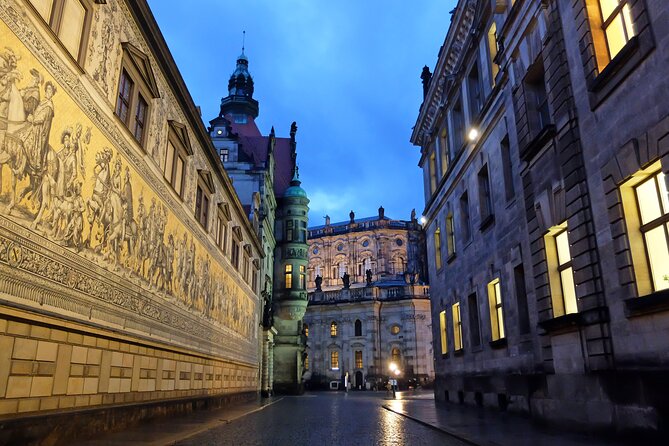
Then comes the stop that often turns into your favorite photo moment: the Fürstenzug (the long porcelain mural). The tour highlights the scale—about 100 meters long and made with 24,000 tiles—and frames it as the longest outdoor porcelain artwork in the world.
What makes it work on foot is the “secrets and stories” angle. Your guide will help you see the mural like a narrative rather than a wall of tiles. If you go in expecting a single image, you might miss half of it. With guidance, you start tracking the scenes and details your eyes would otherwise skip.
This portion is brief on purpose, so it doesn’t swallow your energy. But it’s long enough to leave you curious—and that’s the best kind of sightseeing homework.
Dresden Cathedral from the outside: built in secret, used for power

From there, you’ll look at the Royal Cathedral of Dresden from the outside. The key detail your guide is likely to emphasize is the story behind it: it was built in secret by a Catholic ruler operating in Protestant Saxony.
You’ll also learn why it matters politically and personally—this former court church includes burial sites for the Royal family, which gives the building extra weight beyond architecture. Even without entering, you’ll come away with a better sense of why people cared enough to hide such an important project.
Brühl’s Terrasse, the Elbe, and the White Fleet view
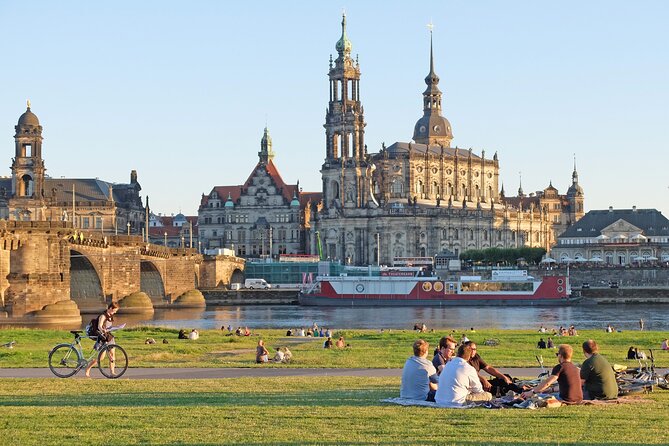
Next is Brühl’s Terrace, famously called the Balcony of Europe. Your guide helps you use the viewpoint in a smart way, not just stand there and guess what you’re seeing.
The big payoff here is the sweeping view of the Elbe River and the city beyond. You’ll get pointers that typically include:
- the river Elbe
- Dresden’s White Fleet of historic steam boats
- landmark buildings along the river
- steeples of churches
- distant wine slopes
Your guide may also take you up to the top of the stairs to point out key landmarks. That’s great for orientation, but it’s also a practical consideration if you don’t like stairs.
Neumarkt and the Frauenkirche: Dresden’s rebuild story lands here
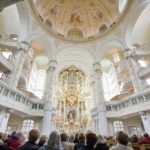
The walk usually ends at Neumarkt, anchored by the Frauenkirche—the symbol of Dresden rising from the ashes. Neumarkt is restored to 18th-century charm, with colorful Baroque façades framing the square. It’s a perfect place to land because you can immediately switch from tour mode to “what should I do next?” mode.
About the Frauenkirche: you’ll hear the dramatic story of its destruction and the long reconstruction that turned this church into a global symbol of reconciliation. Your guide’s framing matters here. Instead of treating the dome as a pretty shape, you’ll understand why it carries that emotional pull.
You’ll be able to go in later on your own. The tour also mentions the option to go down to the crypt for a small exhibition about the rebuilding—helpful if you want the story with fewer crowds and more time.
Price and value: is $30.25 worth your time?
At $30.25 per person for a 2-hour small-group walk, you’re paying for four things that add real value in Dresden:
- Focus on the right details. This route isn’t just “see the famous buildings.” It tells you what to look for, including sgraffito courtyard technique and the Fürstenzug tile story.
- A guide who can handle questions. The format leaves room for questions, which is how you turn a quick visit into understanding.
- Planning help for museums you might skip. Since the Royal Palace museum isn’t included, the guide’s recommendations can save you from buying the wrong ticket—or from missing the one you actually care about.
- Small group time. Maximum group size is listed as 15, and that’s meaningful when you want clarity, not a shouted rap at the speed-walk pace.
Possible drawback on value: if you’re the type who hates walking and can only handle flat, slow routes, the tour does include stairs (especially around viewpoints). Also, some visitors have noted hearing is tougher without headsets when the group swells a bit.
Guide styles you’ll likely notice (and why it matters)
You’ll likely meet different guides, and the names that come up include Christina, Laura, Doris, Leo, Robert, Karen, Helga, and Marion. The common thread is storytelling backed by structure: they connect the old royal Dresden to modern changes, and they tend to steer you toward what’s worth your time after the walk.
One pattern I’d count on: art-history lean. Some guides especially focus on how details work—why a courtyard technique matters, what design choices signal power or taste. That turns “sightseeing” into “I understand what I’m looking at.”
Who should book this tour
This fits you well if:
- it’s your first time in Dresden and you want a clean orientation fast
- you care about how places connect across time, including rebuilding after World War II
- you like asking questions and getting practical direction
- you want to see multiple major sights without committing to long museum blocks
It’s less ideal if:
- you need headsets for every stop to hear comfortably
- you hate any stairs at all (there are some, especially around terraces)
Should you book this Historic Dresden walking tour?
Yes—if you want a smart, guided overview that helps you choose what to do next, this is a strong pick. The route hits the big icons (Semper Opera, Zwinger, palace courtyards, Fürstenzug, Brühl’s Terrace, Neumarkt, Frauenkirche) while still giving you enough detail to remember what you saw.
Before you book, decide one thing: do you want to walk with context, or do you want to wander on your own with only a map? If you want context, and you’ll enjoy learning why Dresden looks the way it does today, book it.
FAQ
How long is the walking tour in Dresden?
The tour runs for about 2 hours.
What language is the tour offered in?
The tour is offered in English.
What is the meeting point and where do we end?
The meeting point is Schloßplatz (Schloßpl. 01067 Dresden-Altstadt, Germany). The activity ends back at the meeting point, and the route typically finishes around Neumarkt and the Frauenkirche area where you can keep exploring.
Is this tour a small group?
Yes. The tour has a maximum of 15 travelers.
What’s included in the price?
The price includes the 2-hour walking tour and a professional guide.
Are any admission tickets included?
Some stops list free admission tickets. You do not go inside the Royal Palace museum on the tour, but you can choose to visit it later on your own—your guide will help you decide what to buy.
Is tipping included?
No. Tips and gratuities are not included.
Will there be time for questions?
Yes. The tour highlights that there is plenty of time for questions.
Are headsets provided?
Headsets are not mentioned as being provided. If your group is larger, you may find it harder to hear every word.
Can I cancel if my plans change?
You can cancel up to 24 hours in advance for a full refund.