REVIEW · CAPE TOWN
Cape Town: Langa Township Walking Tour
Book on GetYourGuide →Operated by seemore tours · Bookable on GetYourGuide
Want a real Cape Town contrast? This Langa township walking tour turns a quick visit into a human-scale lesson through local stories, street art, and community projects. I love that the tour is guided by people from Langa who share first-hand context, and that you get to visit key cultural stops like Guga S’thebe Arts & Cultural Centre and the Langa Heritage Museum. One possible drawback: it involves a lot of walking and you’ll want comfortable shoes, plus it’s listed as not suitable for wheelchair users.
You’ll spend about 150 minutes moving at a steady pace through Langa, with an English-speaking guide and stops that blend history, daily life, and creative work. If you’re booking this as a change of pace from the Waterfront and Cape Town CBD, this tour is built for that exact comparison.
In This Review
- Key highlights to look for
- Why Langa feels different from the usual Cape Town stops
- Guga S’thebe: where music, art, and community life meet
- The Heritage Museum stop that puts the story in order
- Street murals and the conversations they spark
- Langa market and food stops: eat, but do it thoughtfully
- Visiting a local home and meeting people where they actually live
- Community projects, social enterprises, and what your money supports
- Art gallery moments and the pride behind the walls
- Safety and how it feels on the ground
- What to bring (and what to avoid)
- Duration, pace, and how the 150 minutes usually flows
- Price and value: is $37 a fair deal?
- Who should book this Langa walking tour
- FAQ
- Where is the meeting point for this tour?
- How long is the Cape Town: Langa Township Walking Tour?
- What language is the tour guide?
- What’s included in the tour price?
- Do you visit the museum and cultural centers?
- Is there an opportunity to try local food?
- What should I wear for the walking tour?
- Is it wheelchair accessible?
- Can I get a full refund if plans change?
- Should you book this tour?
Key highlights to look for
- Local guides from Langa: your guide’s connections help you see more than the usual photo spots
- Guga S’thebe Arts & Cultural Centre: culture, markets, and often music or drum moments
- Langa Heritage Museum: a structured look at the township’s background and meaning
- Street murals and community projects: art used for social commentary and hope
- Langa market and food stops: chances to sample local favorites like bunny chow and koeksisters
- Bring small change: tips and donations pop up at multiple community stops
Why Langa feels different from the usual Cape Town stops
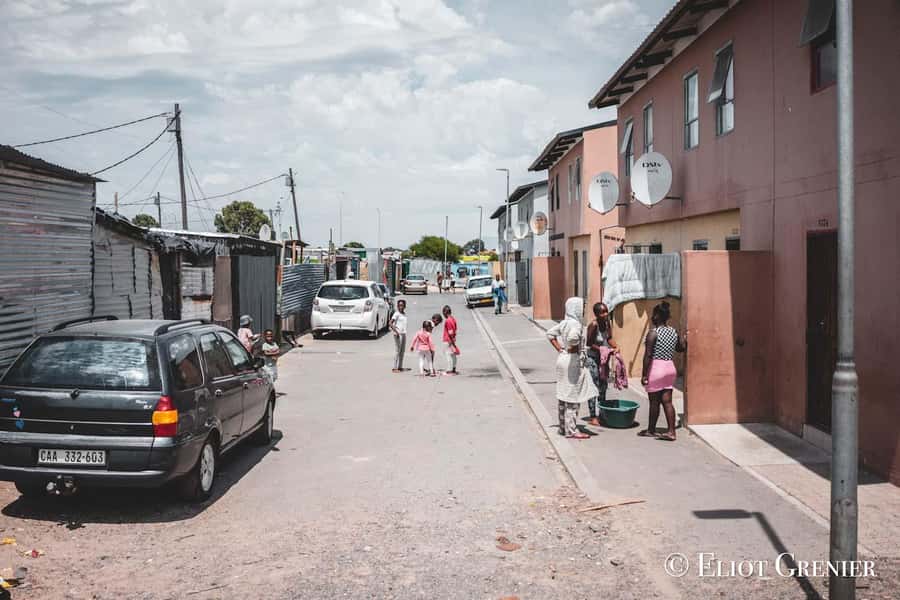
Cape Town gets packaged fast: mountains, beaches, wine farms, the postcard city. Langa gives you the other half of the picture—South Africa as lived, not staged.
What makes this tour worth your time is that it’s guided from inside the community. You’re not just watching from the outside; you’re listening, asking questions, and learning how people describe their own city, their own struggles, and their own plans for the future. One thing I appreciate about this style of tour is that it treats you like a guest to a conversation, not a customer to a scripted show.
You can also read our reviews of more walking tours in Cape Town



Guga S’thebe: where music, art, and community life meet

Most tours start at the Guga S’thebe Art Centre area, and the early minutes matter because they set the tone. Expect to meet your guide, then head to a visitor center where you can see an arts-and-crafts market and a short traditional dance performance (about 15 minutes).
In a few cases, guests have noted early drum activity at the Guga S’thebe community center. Even when it’s not a drum moment, the core idea stays the same: you’re in a creative hub where locals run programs and showcase work, so you immediately see talent and community organization—not just hardship.
Practical tip: this is where you’ll want to slow down and watch. If you’ve spent the morning power-walking through tourist sights, it’s a good reset. Stand back a bit, look at the art, and let your guide translate what it means.
The Heritage Museum stop that puts the story in order
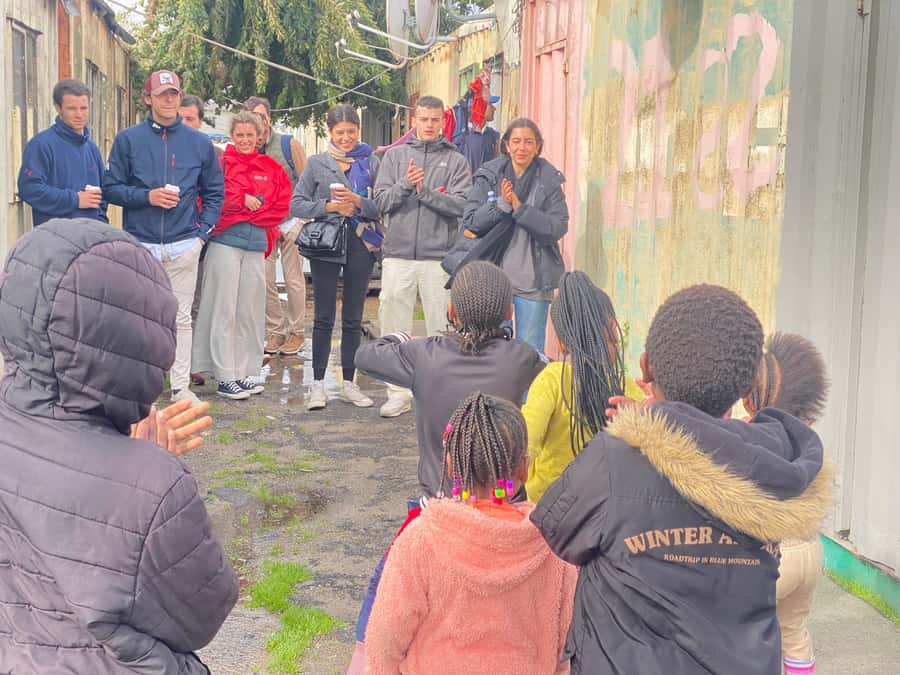
The Langa Heritage Museum is the moment the tour turns from “what I’m seeing” into “why it looks like this.” You’ll get an overview of Langa’s origins in the 1920s and how apartheid-era policies shaped the township over time.
You’ll also hear about the meaning of the name: Langa is tied to the idea of sun in Xhosa. That detail sounds small until your guide connects it to identity—how communities keep names, language, and pride alive even while everything around them gets rewritten by history.
A museum stop like this is valuable because it keeps you from turning the township into a checklist of impressions. You start noticing patterns: who built what, what people fought for, and how the next generation is pushing for change.
Street murals and the conversations they spark
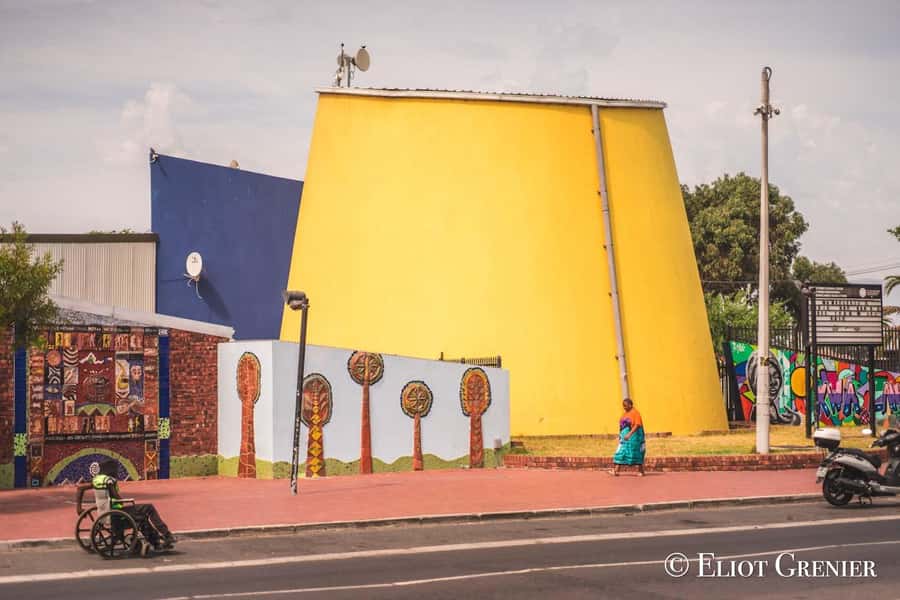
After the museum, you’ll walk streets with murals and street art. This part isn’t just for photos. Your guide should explain how art works as social commentary—how people paint their worries and hopes onto walls where everyone can see them.
This is also the section where questions become the real activity. Guides named Wanda, Thando, Mike Zuma, Kido, and Luvuyo have stood out for encouraging people to ask freely and answer in plain language. That matters because township life can be misunderstood when visitors rely on outsiders’ assumptions.
One practical consideration: you’ll be walking in close quarters. Wear clothes that don’t restrict your movement, and keep your phone time respectful. Ask before taking close-up shots of people, especially in settings that look like community workspaces.
Langa market and food stops: eat, but do it thoughtfully
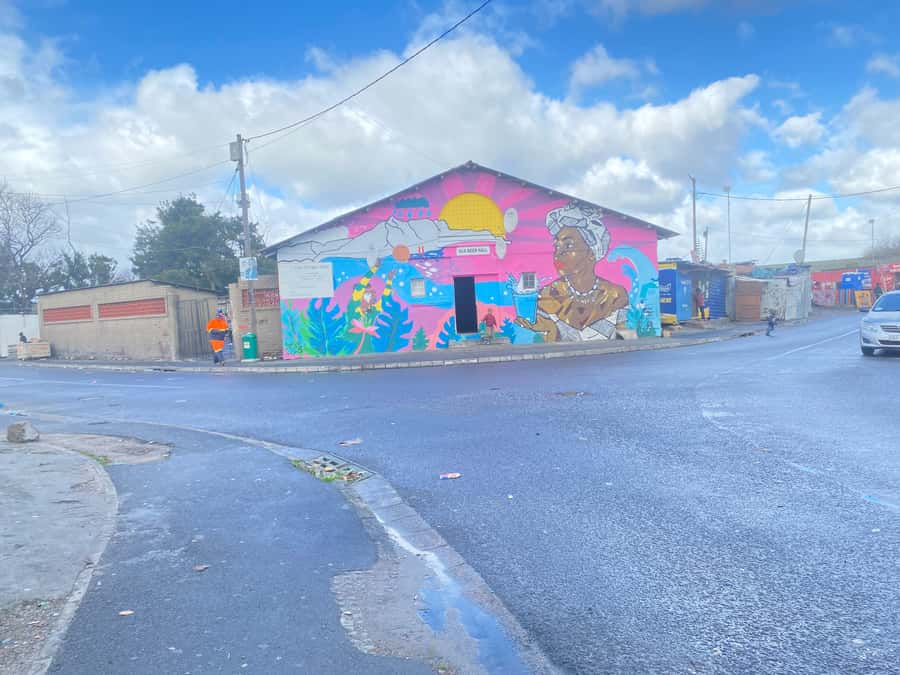
One of the best ways to understand a place is through what people eat when they’re not performing for tourists. The tour includes a Langa market stop where you can experience local crafts and cuisine, with chances to sample items such as bunny chow, braai, or koeksisters.
The point isn’t to hunt for a big meal. It’s to see how food fits into community gathering—simple, shared, and often tied to local pride. If you’re the type who loves trying small bites, you’ll have a great time here.
Bring cash and small bills if you can. Several guests have advised having small change ready for tips and donations at different stops. It’s one of those annoying travel realities: when you’re short on coins, you end up feeling guilty about it.
Visiting a local home and meeting people where they actually live
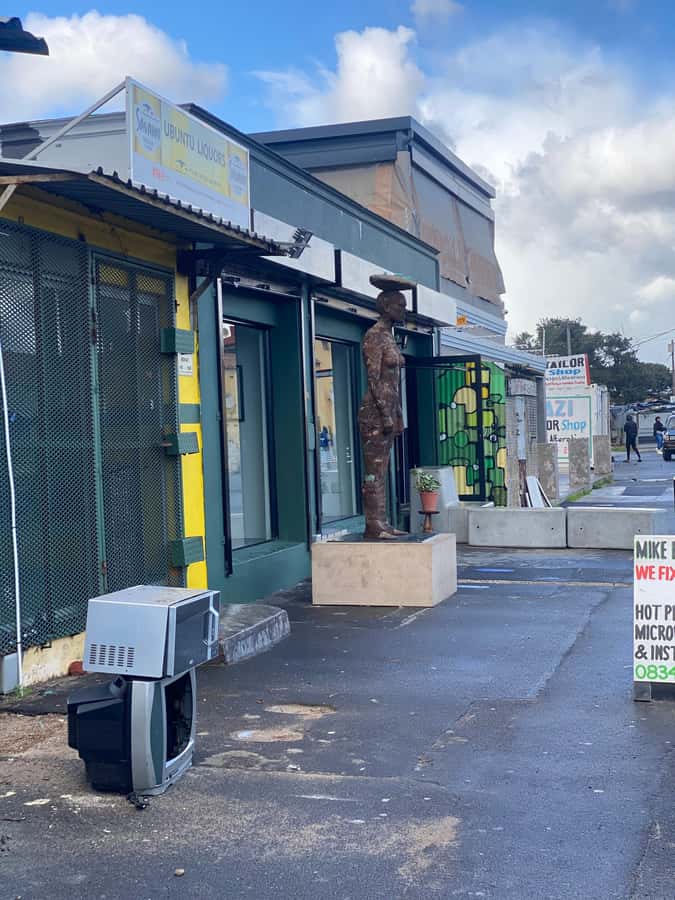
The tour includes a visit to one local home. That’s a big deal because it shifts the experience from viewing to being shown—small details of daily life, how people organize space, and what they choose to share.
This is also where respectful behavior matters most. Follow your guide’s cues. If a guide asks you not to photograph certain areas or children, take it seriously. A few guests specifically mentioned child-safety sensitivity during parts of the day, and the best response is to act like a mature guest, not a curious tourist with tunnel vision.
If you’re worried about etiquette, here’s the rule of thumb I’d use: keep your questions human and your body language calm. Let the guide translate what needs translating. The people you meet will do most of the talking.
Community projects, social enterprises, and what your money supports
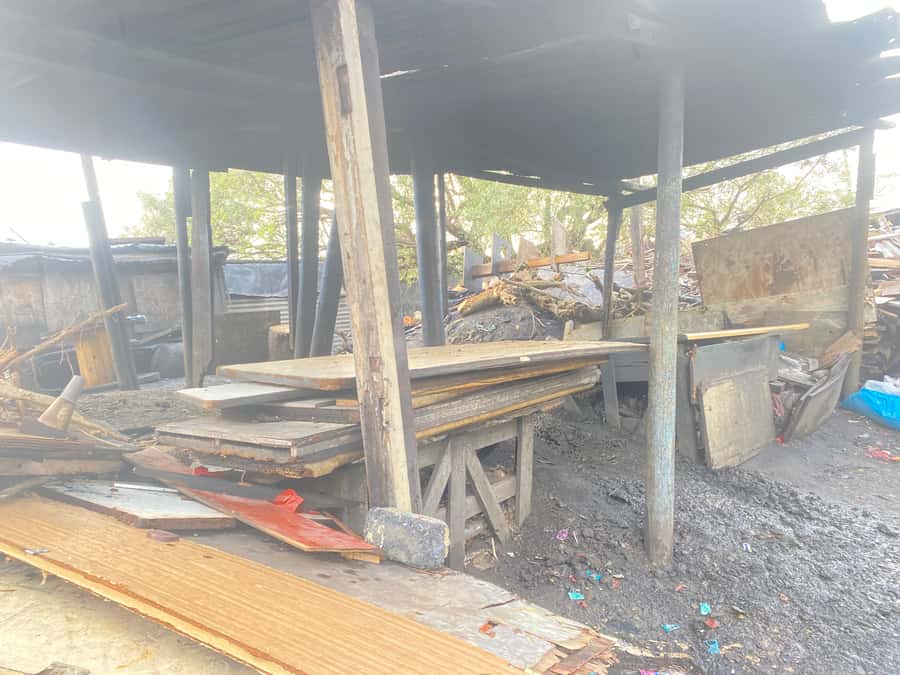
A key feature of this tour is that it’s operated by local guides from Langa and is designed to benefit the community directly. That matters for value, because a low-cost tour can still be exploitative if it’s built on extracting attention.
Here, you’re paying for access to local knowledge and local work. Guests have highlighted stops connected to community initiatives, including education and youth-focused programs, and social enterprises that run craft workshops or sustainability projects.
This is where you’ll feel the tour’s emotional weight—because it’s not just history; it’s present-day problem-solving. Some guests also mentioned seeing businesses and community ventures (like delivery or local enterprise work) that explain how people create jobs even when resources are limited.
Art gallery moments and the pride behind the walls

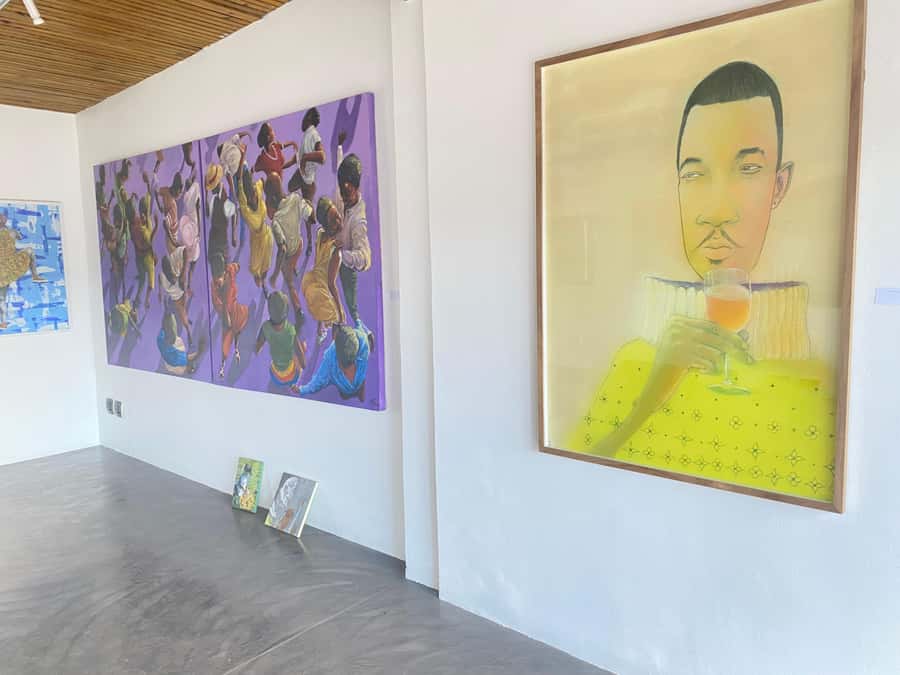
Besides the Heritage Museum, the tour includes Langa art gallery time, including an art gallery on 16 (as part of the planned route). If you think of townships as only hardship, this part corrects that fast.
Art in Langa is not decoration. It’s a language people use to tell the truth in a way that can travel beyond the township. You’ll likely see styles and themes tied to identity, struggle, and aspiration, explained by your guide in English so the message lands.
And yes, you’ll probably take photos—just do it with manners. Ask questions about the pieces. If you like something, buy responsibly when it’s offered. The tour’s design supports local creative work, and that makes your souvenir decision feel less like impulse and more like contribution.
Safety and how it feels on the ground
Safety is the question most people have before they go. The good news: in many guide-led experiences in Langa, guests have reported feeling safe at all times with their local guides.
You’ll still take normal precautions. Walk with the group. Keep your phone accessible but not out at every second. Don’t separate for “one quick photo.” And listen when your guide gives direction about where to stand, how to behave, and what to avoid.
A bonus detail from some guests: the meeting area has been described as next to a police station and under CCTV, with parking handled by a minder. That doesn’t mean you can relax completely, but it does mean the start of the day has guardrails.
What to bring (and what to avoid)

This is a walking tour, so pack like you’re going to be outside for about 150 minutes. Comfortable shoes are non-negotiable. Also bring a light layer for morning-to-afternoon shifts and a small bag you can keep close.
Money-wise, bring small change. Some guests have recommended cash for tips and donations at community stops. If your budget allows, consider setting aside a modest amount for the places your guide names.
One more smart tip: guides have advised against bringing items like books or pencils for children because it can cause crowding and conflict. Instead, one guest recommendation mentioned candy or small toys as a better option. The best approach is to ask your guide what’s appropriate on the day you go, because every group and every child-safety guideline can differ.
Duration, pace, and how the 150 minutes usually flows
Plan on about 150 minutes total. The tour is structured but not rigid in the way a factory tour is. It’s walking with purposeful stops: an early cultural show, a museum block, market time, art moments, and community discussion.
If you like tours where you can ask questions and get direct answers, this fits. If you only want a fast route with no talking, you might find you want more breaks. Think of it as a conversation-walk, not a sprint.
Language is English with a live guide, so you won’t be relying on a phone app to translate the meaning of what you’re seeing.
Price and value: is $37 a fair deal?
At $37 per person for around 2.5 hours, this tour sits in the “surprisingly good value” category—assuming you’re booking it for the right reasons.
Here’s why I think it’s fair value:
- You’re paying for local leadership from Langa, not a bus-and-poster script
- You get multiple stops that connect culture, art, and context (museum, art center, market, galleries)
- The tour includes a local home visit and community-focused experiences
- It’s designed so guide effort and local access aren’t outsourced to outsiders
Do note that the tour may not include everything you might want to buy or eat. You’ll likely spend extra if you choose crafts or snacks. Still, compared to many “look-and-leave” excursions, this one tends to feel like you’re paying for access to meaning, not just a route.
Who should book this Langa walking tour
Book this if you want a Cape Town experience that explains real life, not just the highlights. It’s a strong choice for people who:
- like history, but also like seeing how history shapes daily routines
- enjoy street art and cultural centers as places of learning
- ask questions and want candid answers
- care about supporting local work rather than treating communities like backdrops
If you’re traveling with teens, it can work well. One family shared that they brought two boys (15 and 12) and found it manageable, with a guide who encouraged questions.
FAQ
Where is the meeting point for this tour?
The meeting point is listed as Guga S’thebe Art Centre.
How long is the Cape Town: Langa Township Walking Tour?
The duration is 150 minutes.
What language is the tour guide?
The tour has a live guide in English.
What’s included in the tour price?
Included items listed are: a qualified tour guide, a visit to one of the local homes, and Langa art gallery time. The provider also reminds you to tip the guide.
Do you visit the museum and cultural centers?
The experience highlights include the Langa Heritage Museum and Guga S’thebe Arts & Cultural Centre, and the route includes arts-and-crafts market time plus a short traditional dance show at the visitor center.
Is there an opportunity to try local food?
The tour description includes a stop where you can sample traditional dishes such as bunny chow, braai, or koeksisters, but the provided included-list does not explicitly say food is covered.
What should I wear for the walking tour?
Wear comfortable shoes and clothes suitable for walking.
Is it wheelchair accessible?
The information includes both wheelchair accessible and not suitable for wheelchair users. If you use a wheelchair, you should check directly with the operator before booking.
Can I get a full refund if plans change?
You can cancel up to 24 hours in advance for a full refund.
Should you book this tour?
If you want to understand Cape Town beyond the usual postcard map, yes—book it. This tour is built around local voices, community projects, art, and real conversations, and it does a good job of connecting history to present-day life in Langa.
Just go prepared to walk, to ask questions, and to be a respectful guest. Bring small change for tips or donations, wear comfy shoes, and let your guide set the pace—then you’ll leave with a version of South Africa you can’t get from looking at it through a bus window.