REVIEW · CAPE TOWN
Cape Town: Art, Culture & History Walking Tour
Book on GetYourGuide →Operated by One Day Africa · Bookable on GetYourGuide
Color, history, and art walk together here. I love how this route connects Bo-Kaap culture to the City Centre and ends in District Six, using a local guide to turn street corners into lived history.
I also like the way the guide threads Cape Town’s art scene into the same story as colonial and apartheid-era landmarks. Stops like the Slave Lodge area, plus the chance to see a Nelson Mandela exhibition, help you understand why identity and protest matter—not just what the buildings look like.
One consideration: this is a real walking tour, so you’ll want weather-ready planning and comfortable shoes; it’s also not suited for people over 95.
In This Review
- Key highlights worth your time
- Two hours from Bo-Kaap to District Six: what you get for $37
- Where the tour starts: Bo-Kaap Deli on Church Street
- Bo-Kaap streets and the Auwal Masjid: culture you can see and hear
- Wale Street and Long Street: Victorian facades meet modern street life
- Greenmarket Square arts market: the quickest way to taste Cape Town craft culture
- Company’s Garden: a calm breather with a city-spine perspective
- Iziko Slave Lodge and the Mandela exhibition connection
- City Hall and the power of civic spaces
- District Six Museum: the end stop that lands with weight
- The one extra brief stop: a quick art moment
- Truth Coffee Roasting: a practical break at the end
- How to plan your day around a 2-hour walk
- Is this tour worth it? The best value isn’t the price—it’s the order
- Who should book this (and who might skip it)
- Should you book Cape Town: Art, Culture & History Walking Tour?
- FAQ
- Where does the tour meet?
- How long is the walking tour?
- What’s included in the price?
- Is the tour wheelchair accessible?
- What language is the tour guide?
- What should I bring?
- What’s the cancellation and payment policy?
Key highlights worth your time
- Bo-Kaap first: Photo stops and guided walking that explain Cape Malay roots and community identity
- Auwal Masjid + early streets: A short, focused look with context you’d miss on your own
- Long Street to Greenmarket Square: Victorian-era streets plus a market stop for crafts, textiles, and local art
- Slave Lodge + Parliament areas: A shift from architecture to the history behind it, including a Mandela exhibition option
- District Six Museum: Forced removals and cultural resilience presented at the end of the walk
- Truth Coffee Roasting stop: A practical pause that keeps the energy going
Two hours from Bo-Kaap to District Six: what you get for $37
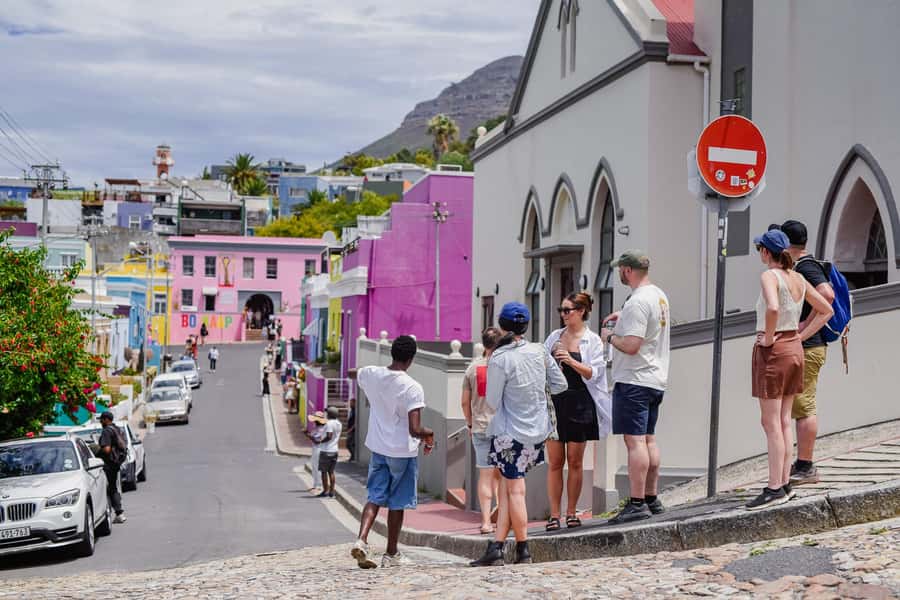
At $37 per person for a 2-hour walk, this tour is built for value in the best way: you cover multiple neighborhoods and themes without needing a car or complicated planning. You’re paying mainly for local storytelling and for someone to guide you to the right places in the right order—especially where history is heavy and you’d otherwise race past it.
The pacing is short-but-packed. You’ll get photo stops, brief guided tours, and a constant sense of “why this matters,” which is exactly what you want early in a trip to Cape Town. If you’re in town for a limited number of days, this is a smart opener that gives you handles for later self-guided exploring.
You can also read our reviews of more walking tours in Cape Town


Where the tour starts: Bo-Kaap Deli on Church Street
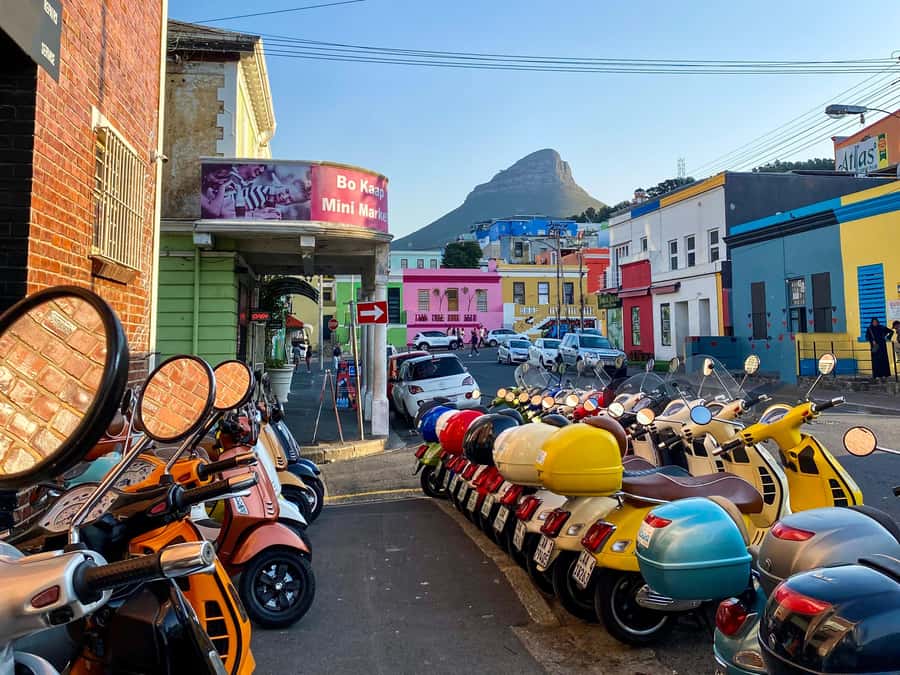
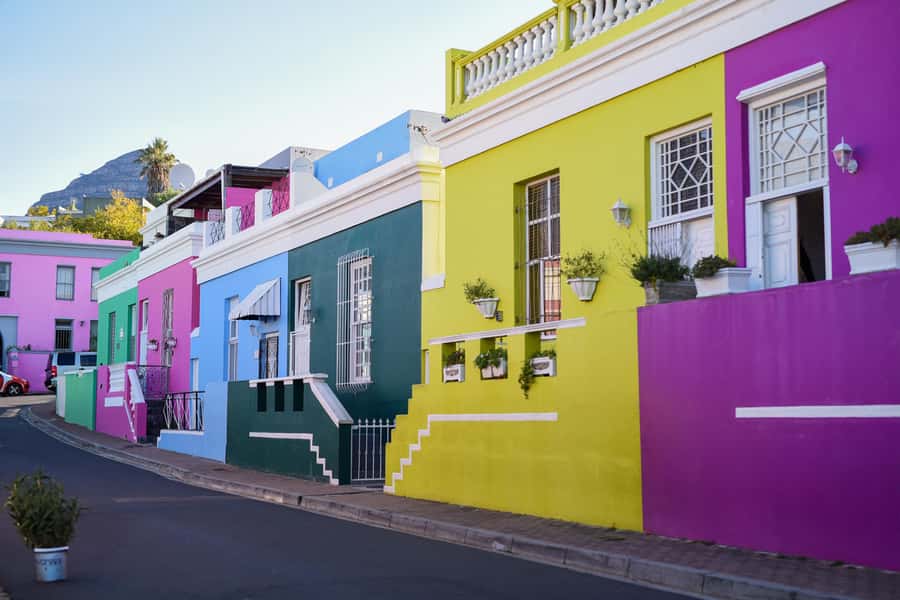
You meet at Bo-Kaap Deli, 97 Church St, Bokaap, Cape Town, 8001. This matters because it drops you right into the neighborhood the tour wants to understand first. Bo-Kaap is one of those areas where the streets look like postcards, but the real point is the community story behind the colors.
From the start, expect the guide to set context—Cape Malay culture, local identity, and how the neighborhood’s history ties into broader Cape Town themes. You’ll also be in good position to see how quickly the city changes as you walk outward toward the Central Business District.
Practical note: arrive a bit early, and bring water and weather gear. Even in mild conditions, you’ll be outside for the whole 2 hours.
Bo-Kaap streets and the Auwal Masjid: culture you can see and hear
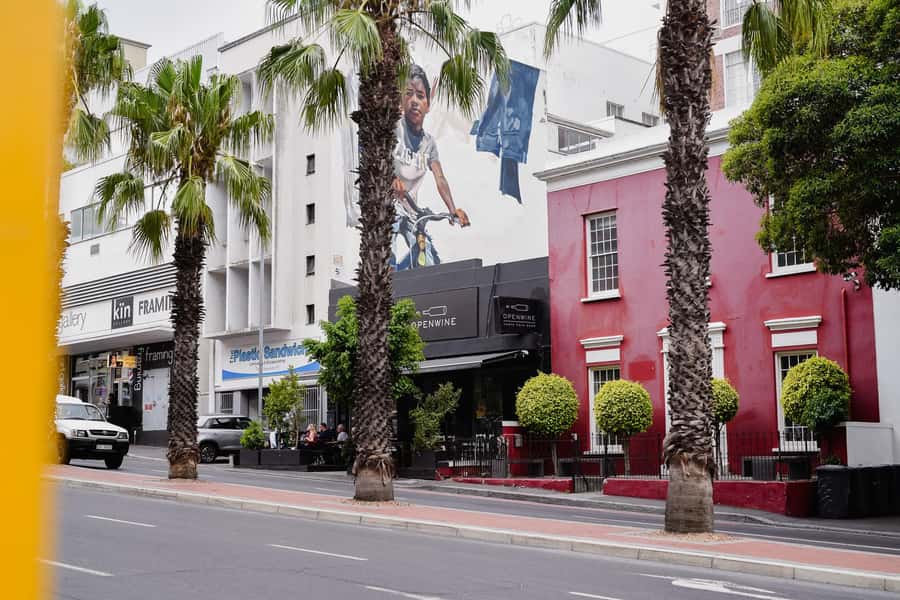
In Bo-Kaap, you’ll do a photo stop and a guided walk (about 20 minutes) focused on the area’s painted houses and historic mosques. The guide’s job here is to keep it from becoming just “pretty views.” You should expect explanations that connect the architecture and street layout to Cape Malay heritage and the community’s impact on Cape Town’s culture.
A short next stop includes Auwal Masjid with another photo pause and guided visit (around 10 minutes). This is one of those moments where a guide helps you read what you’re seeing: not only that a mosque is here, but what it means within the neighborhood’s identity.
If you like photography, this is also your easiest zone to shoot without rushing. The streets are compact and walkable, and the tour’s short timing helps you capture details before you move on.
Wale Street and Long Street: Victorian facades meet modern street life
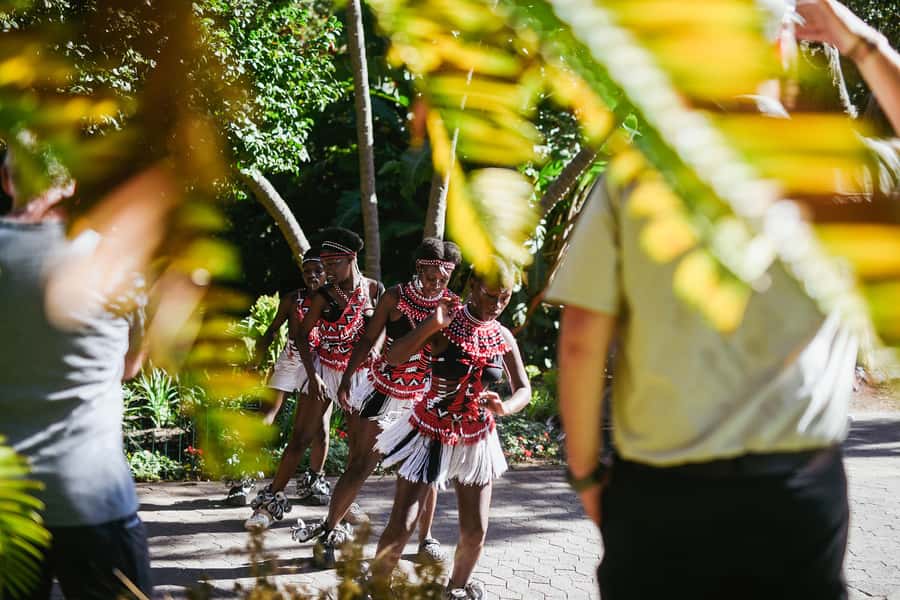
After Bo-Kaap, the tour moves into central Cape Town with stops and passes that keep the walking flow: Wale Street (about 15 minutes) and then Long Street (about 15 minutes). Expect guided commentary focused on how older structures sit alongside contemporary commercial streets.
Long Street is where Cape Town feels instantly recognizable—bookshops, vintage-style retail, and lively street activity in between older buildings. The practical value here is your guide’s “read-the-city” lens. You’ll learn how to recognize what’s older, what’s changed, and why those contrasts shaped what people feel about the city today.
A heads-up: Long Street can be busy. Keep your spot with the group, and don’t drift off for photos unless you’re sure you’ll catch up quickly.
Greenmarket Square arts market: the quickest way to taste Cape Town craft culture
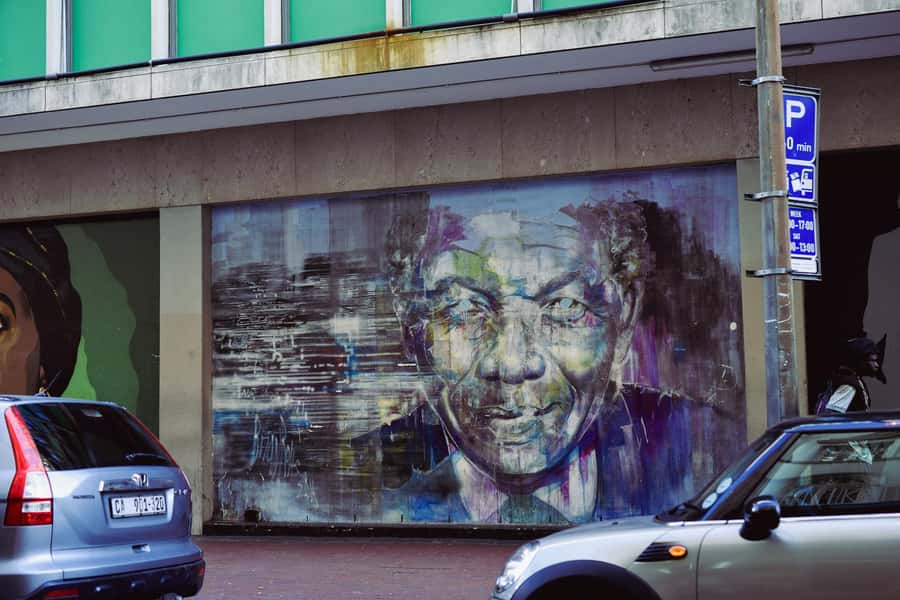
At Greenmarket Square, you’ll get a longer stop (about 20 minutes) that includes guided sightseeing and time for shopping. This is where you can slow down for a market rhythm: hand-crafted goods, textiles, and local art.
Here’s the best part for first-timers: the guide can explain what you’re seeing so you don’t treat it like random souvenirs. You’ll also get a sense of what local creatives make and how people buy in this part of town, which helps you avoid the tourist-trap feeling that some markets can give.
Even if you don’t plan to shop, this stop is worth it for atmosphere and context. Plus, it breaks the day’s intensity with something lighter than the history stops—while still keeping you in the art-and-identity theme.
Company’s Garden: a calm breather with a city-spine perspective
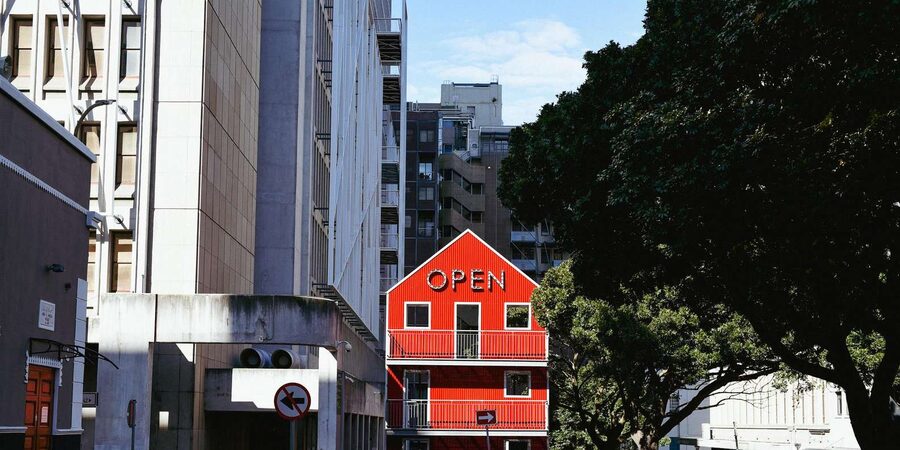
Next comes Company’s Garden with a short guided stop (around 15 minutes). This is a useful pause in the itinerary because it gives your legs and brain a reset while you transition toward more serious historical landmarks.
Think of Company’s Garden as a “city spine” moment. You’re still in the center, but the mood shifts from streets and shops to a more open civic setting. That change helps you process what you learned earlier in Bo-Kaap without carrying all the emotion at once.
If you’re traveling with someone who finds long history walks tiring, this stop is a good compromise: still part of the story, but with a calmer pace.
Iziko Slave Lodge and the Mandela exhibition connection
The tour includes a stop at Iziko Slave Lodge (guided sightseeing and a short walk, around 10 minutes). The Slave Lodge area is treated as a solemn reminder of colonial history, and you should expect the guide to frame it with care rather than as a quick photo opportunity.
Then you’ll also pass through the Parliament of the Republic of South Africa area (about 15 minutes). The overview notes an opportunity to visit an exhibition on Nelson Mandela, and that Mandela connection is the bridge between the “what happened” part of history and the “what people built afterward” part of identity.
What I like about this section is the way it gives you context fast. Many people see these sites as isolated landmarks. Here, the route pushes you to connect the dots: colonial systems, political struggle, and how identity is shaped by what a society remembers and chooses to fight for.
City Hall and the power of civic spaces
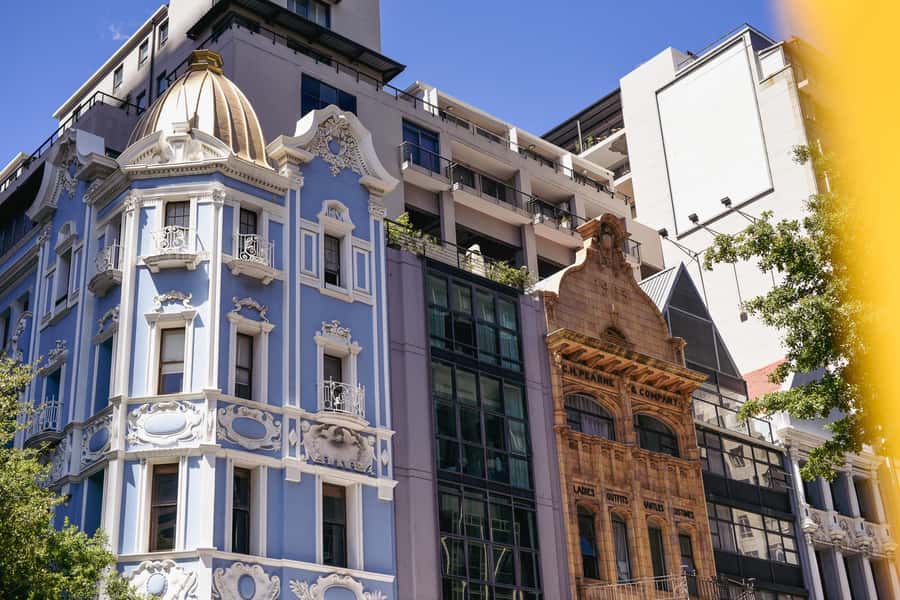
You may also hear about City Hall as part of the city-centre storytelling—linked to historic speeches and protests. Even if you’re only passing through this area within the timing of the walk, the guide’s explanation turns these grand civic buildings into something more human: a record of public voices and conflict.
This matters because it changes how you see the architecture. You’re not just looking at stone and arches; you’re learning how people used public space for persuasion and resistance.
District Six Museum: the end stop that lands with weight
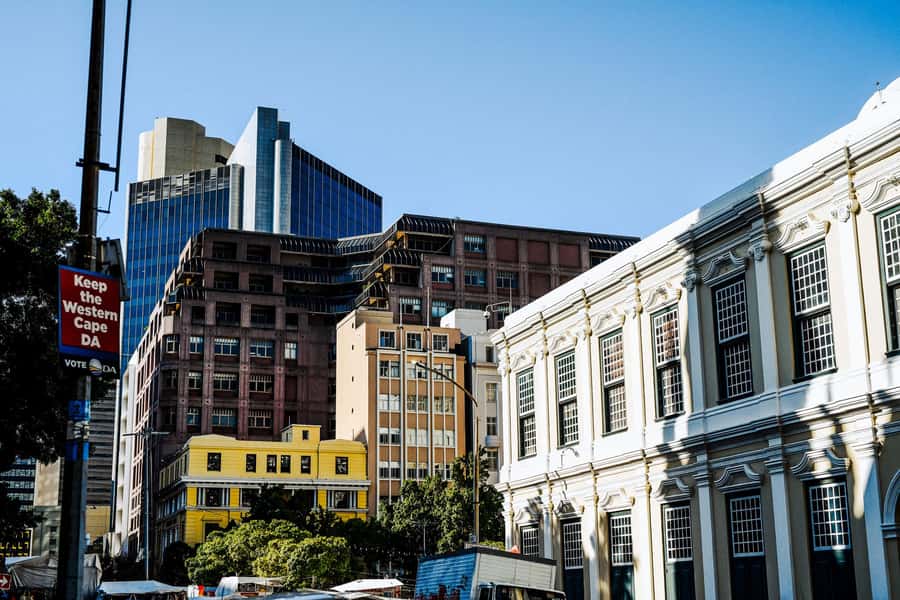
The tour finishes at District Six Museum (around 10 minutes). This is the part of the walk focused on forced removals and cultural resilience—how a community was broken apart and how identity persists through memory.
This section tends to hit harder because it’s less about architecture and more about lived impact. If you want to understand Cape Town as more than scenic neighborhoods, District Six is where the tour’s identity focus becomes real.
I like that the museum stop comes after you’ve already seen Bo-Kaap, the markets, and the central-city landmarks. The walk sets up contrast so District Six doesn’t feel like an isolated tragedy. It feels like the logical continuation of the themes the guide has been building from the first stop.
The one extra brief stop: a quick art moment
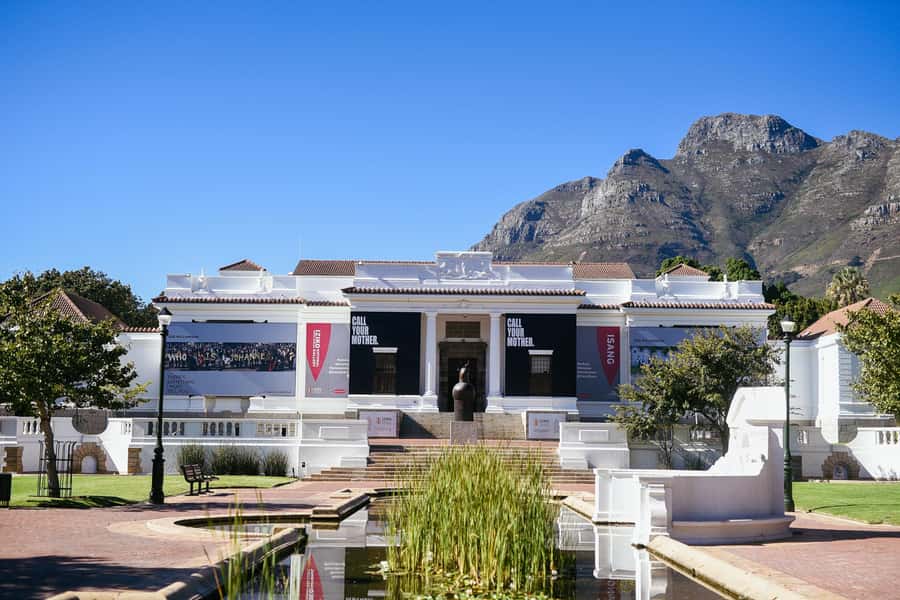
The itinerary includes one additional photo stop and short guided walk without a clearly specified landmark name. Based on the overall theme, it’s likely used for another quick art/culture pause early in the route so you get more than just “streets and buildings.”
Don’t worry if you’re not sure what it is until you arrive. The value here is timing: it keeps the art-and-history balance from becoming too one-sided in either direction.
Truth Coffee Roasting: a practical break at the end
You’ll include a Truth Coffee Roasting stop with a photo stop, visit, and coffee (timed within the walk). This is useful in a practical way. When the history gets heavy, you still want a reset that feels normal and local, not a formal “tour break.”
Even if you skip buying anything, it’s a friendly place to regain your breath and ask last questions before you head off on your own.
How to plan your day around a 2-hour walk
Because the tour is only 2 hours, you should treat it like an orientation walk, not a slow museum tour. Your goal is to absorb the story, take your photos, and leave with a mental map you can use later.
Bring:
- Comfortable shoes (non-negotiable on uneven sidewalks)
- Sun protection plus rain gear if the weather looks changeable
- Water, sunscreen, and a hat
- Camera and hand sanitizer/tissues
Also note the rules: alcohol and drugs aren’t allowed. That’s not just policy—it helps keep the tone focused, especially on the history-heavy parts of the walk.
Is this tour worth it? The best value isn’t the price—it’s the order
At $37, you could pay more for a shorter “top sights” version that skims past context. This one aims to give you the order that makes sense: Bo-Kaap’s identity roots first, then the City Centre and market creativity, then colonial history and political change, ending with District Six.
That order helps you understand why Cape Town is complex. You learn to connect places, not just collect stamps. If you like walking tours that make you feel like you left with real understanding—especially about identity and connection—this is the kind of value that adds up.
If you hate emotionally heavy history, you might still enjoy the art and market segments, but District Six and Slave Lodge are central to the experience, and you should go in prepared.
Who should book this (and who might skip it)
This tour suits you if:
- You’re visiting for the first time and want a fast, guided map of key neighborhoods
- You want art, culture, and political history in the same storyline
- You like asking questions and hearing how locals frame identity and community
Consider skipping (or choosing a lighter alternative) if:
- Long outdoor walking in variable weather is hard for you
- You’re sensitive to history about colonialism and forced removals
- Your group includes someone over 95, since the tour isn’t suitable
Should you book Cape Town: Art, Culture & History Walking Tour?
Yes, I’d book it if you want a focused introduction to Cape Town that goes beyond postcard sightseeing. The combination of Bo-Kaap, City Centre landmarks, Slave Lodge, Parliament-area context, and a District Six Museum finish makes the tour feel like a coherent story rather than a list of stops.
I’d also book it if you care about how identity is shaped by place—because the route is built around that theme from the first minutes.
FAQ
Where does the tour meet?
Meet at Bo-Kaap Deli, 97 Church St, Bokaap, Cape Town, 8001.
How long is the walking tour?
It runs for 2 hours.
What’s included in the price?
You get a professional tour guide and a guided walk through Cape Town, including visits to Bo-Kaap and other key landmarks.
Is the tour wheelchair accessible?
Yes, it’s listed as wheelchair accessible.
What language is the tour guide?
The tour is in English.
What should I bring?
Bring comfortable shoes, sunglasses, a sun hat, a camera, sunscreen, water, rain gear, personal medication, and hand sanitizer or tissues.
What’s the cancellation and payment policy?
You can cancel up to 24 hours in advance for a full refund, and you can reserve now & pay later (pay nothing today).