REVIEW · MADEIRA
Funchal: Old Town Walking Tour
Book on GetYourGuide →Operated by Madeiran Heritage · Bookable on GetYourGuide
Funchal feels different when you walk it. This 2-hour Old Town walking tour strings together the places that explain why the city looks the way it does, from churches and fortress ruins to the sugar trade that shaped Madeira.
I especially like how it blends big landmarks with smaller stops, and how the guide builds a clear story as you move block by block. I also like that you get more than sightseeing: you visit a 19th-century sweet factory and a traditional wine lodge, then get practical tips for the rest of your stay.
One possible drawback: it’s a real walking route on cobbles and some inclines, so bring solid shoes and expect a bit of footwork.
In This Review
- Key points before you go
- Why this Funchal old town walk is a smart first move
- Meeting at Colégio dos Jesuítas: getting oriented fast
- City Hall to a 19th-century sweet factory: history you can taste
- Farmers’ Market to Santa Maria Street: from embroidery days to medieval streets
- Colombo Square and Madeira’s sugarcane story (and why it connects to the Americas)
- Inside the Cathedral era: power, diocese, and why the 1500s still show
- Wine lodge pause and finishing at the Jesuits’ College Church
- Price, pacing, and what to wear for cobbles
- Languages and guide style: the difference between hearing and seeing
- Should you book the Funchal Old Town Walking Tour?
- FAQ
- How long is the Funchal Old Town Walking Tour?
- Where do I meet the guide for this tour?
- Is the tour wheelchair accessible?
- What languages are the live guides available in?
- Are food and drinks included?
- What should I bring and wear?
- Can I cancel for a refund?
Key points before you go
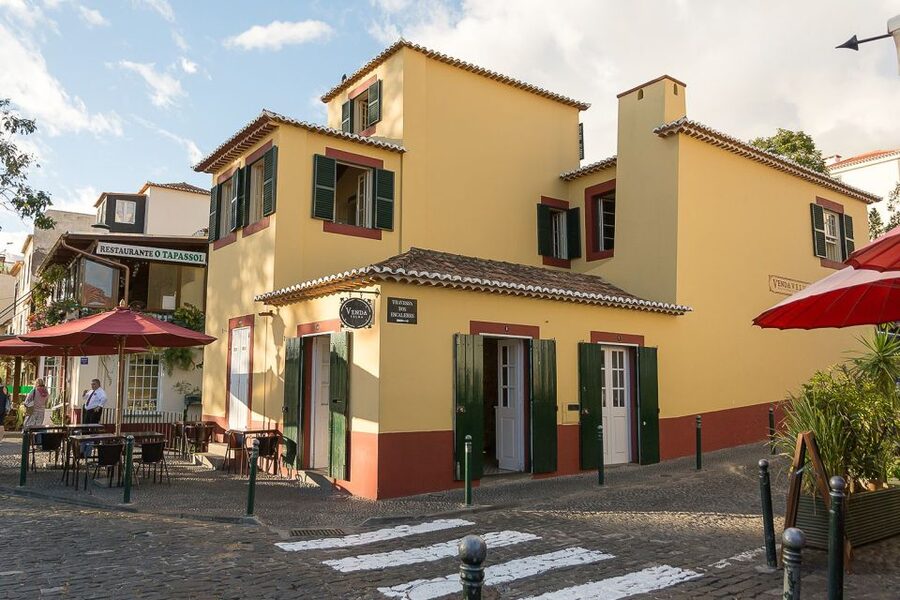
- Start inside the University world at the Jesuits’ College area, then walk into the city’s older layers fast.
- Farmers’ Market + sweet factory gives you a food-and-history combo without turning it into a long tasting crawl.
- Santa Maria Street and old fortress ruins tie city planning to the very real problem of flooding.
- Colombo Square sugarcane stop connects Madeira’s economy to the island’s bigger historical storyline.
- Cathedral and Legislative Assembly viewpoints show you how power worked in the 1500s and beyond.
- Wine lodge finish is a quick taste moment that helps the facts stick.
Why this Funchal old town walk is a smart first move
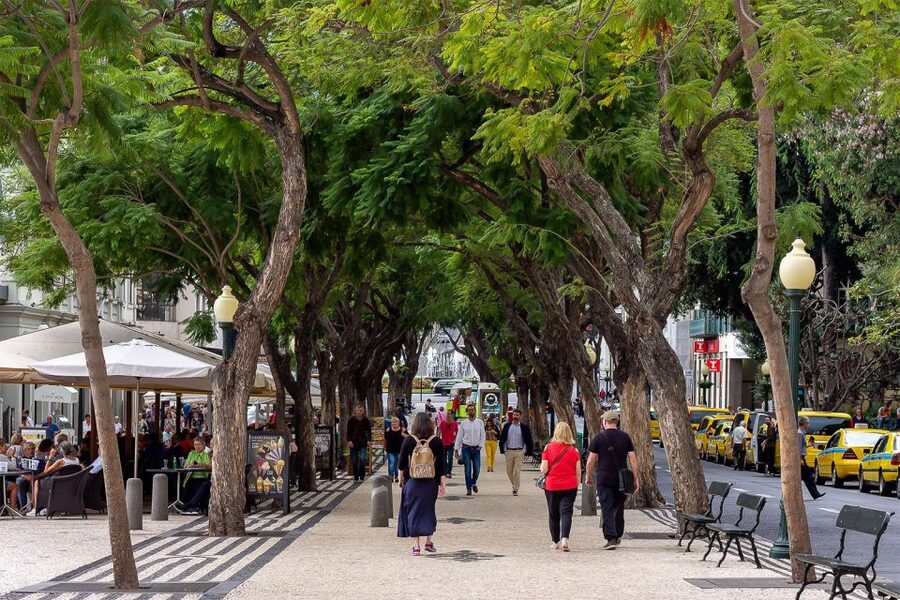
If this is your first stop in Madeira, I’d pick a walking tour like this because it gives you orientation and context at the same time. Funchal’s center isn’t huge, but the layers of Portuguese, island agriculture, and European trade can feel confusing if you only “see” places without understanding why they matter.
This one works because the route is built around a theme: how Madeira and Funchal grew, and how that growth shows up in street patterns, churches, and old fortifications. You get iconic spots like the Cathedral and the Legislative Assembly, but you also stop at places that explain the everyday engines of the city—market life, sugarcane work, and local production like sweets and wine.
It’s also a good fit if you like history, but not the “lecture for two hours” style. The best moments are when your guide points out what you’re looking at and why it exists. Guides from the Madeiran Heritage programme often keep things conversational—people like Annabelle, Elias, Elea, and Hugo are repeatedly praised for pacing and clarity.
You can also read our reviews of more walking tours in Madeira
Meeting at Colégio dos Jesuítas: getting oriented fast
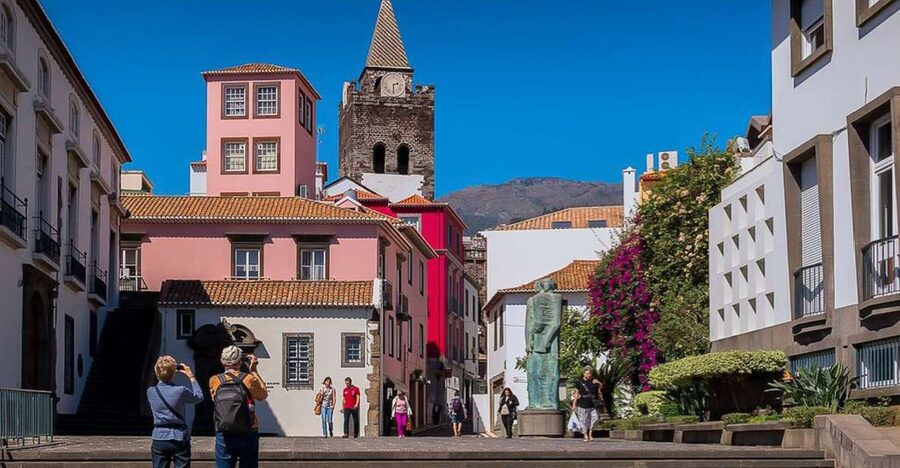
You begin at the Jesuits’ College of Funchal, at the University of Madeira entrance on Rua dos Ferreiros. The meeting point is next to D’Oliveiras Madeira Wine. It’s not inside the church—look for the glass doors and the University of Madeira signage.
I like the start location because it immediately places you in the city’s “institution” zone. The stop gives you an easy way to reset after travel and then start walking with a sense of structure. You’re asked to arrive about 10 minutes early, mainly so the group can settle and you can begin without stress.
From there, the tour moves into the city centre and starts threading together why Funchal looks the way it does. You’ll also get printed/visual materials (like archive images) to support the storytelling, which helps if you learn best when you can match an idea to a picture.
Small group size is part of the value here. It usually means you can ask questions and get answers that match what you’re standing in front of—rather than waiting for the group to catch up.
City Hall to a 19th-century sweet factory: history you can taste
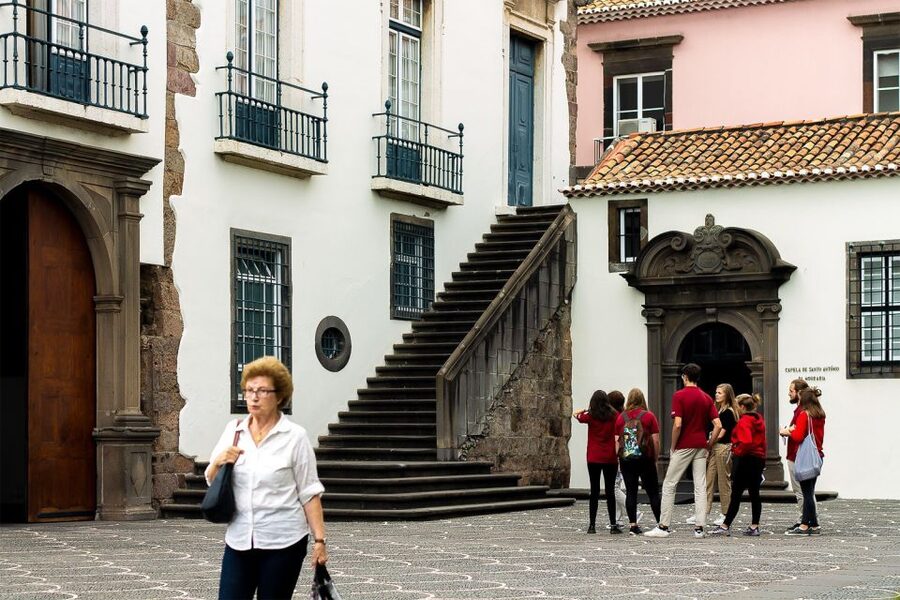
The first featured stops set the tone: you’ll make a photo stop at Funchal City Hall, then continue toward a traditional sweet factory founded in the 19th century. This isn’t just a “look and move on” stop. It gives you a concrete example of how Madeira’s local industries grew and branded themselves.
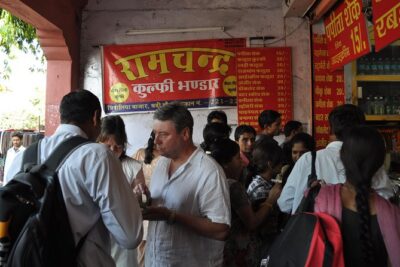
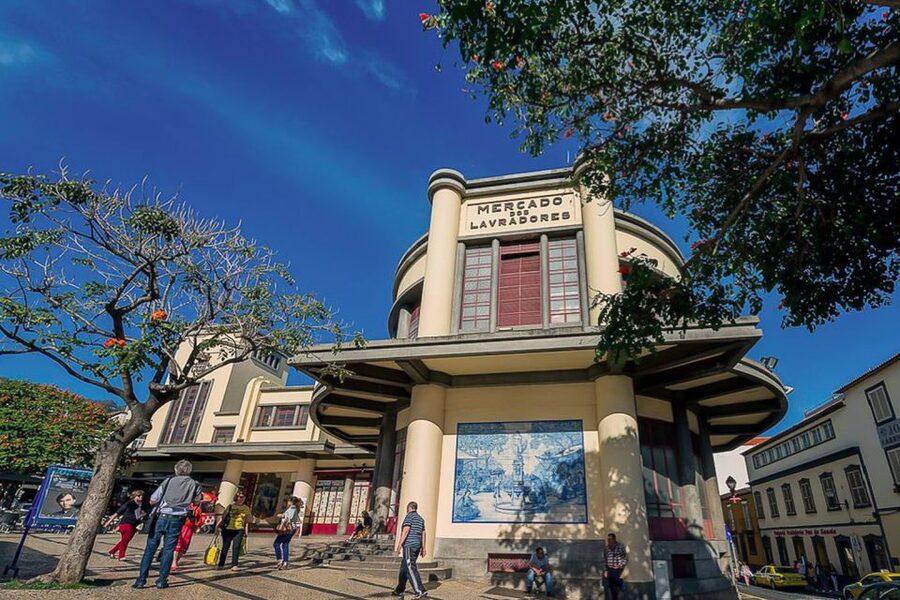
Then comes the Farmers’ Market, which is one of the best parts of the tour for me because it’s where history meets daily life. Your guide walks you through the market and explains what you’re seeing. If you care about what to eat later, this is also where you learn how Madeira’s food culture ties into the island’s production—local ingredients, seasonal habits, and the kind of trade that supported the city.
Along the way, you pass busy streets and learn about older crafts too, including the early days of Madeira’s embroidery industry. That matters because you start to see “industry” as something that shaped people’s routes—where they worked, shopped, and lived—not just something mentioned in textbooks.
Tip I’d use: after the guided market time, return on your own if you want to slow down. A guided tour is great for orientation, but you’ll move at your own pace once you know what’s worth stopping for.
Farmers’ Market to Santa Maria Street: from embroidery days to medieval streets
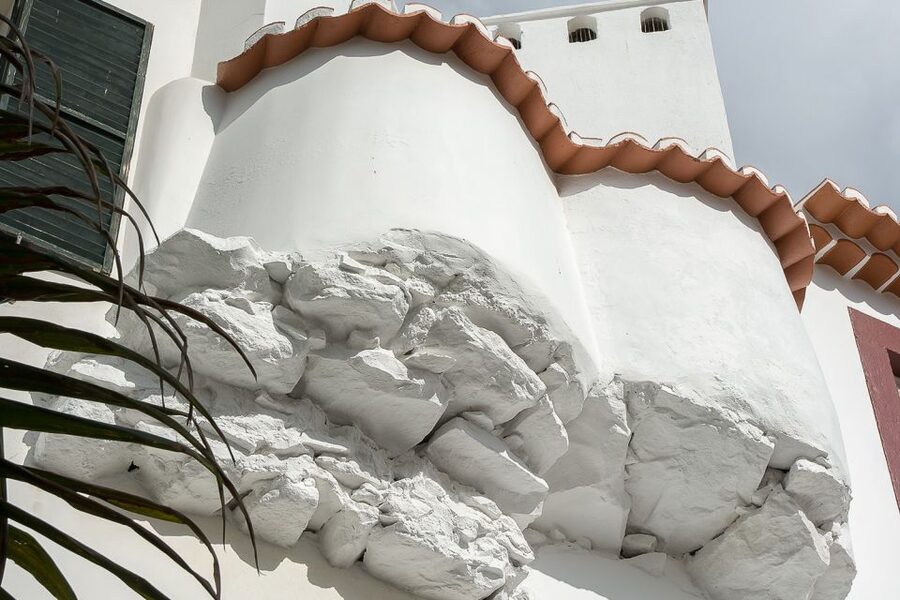
After the market, the walk turns toward Rua de Santa Maria and the medieval core. This is where the tour shifts from “economic story” into “physical city story.” You start spotting the kind of streets that feel older than their surroundings—narrower lanes, changing viewpoints, and little reminders of how communities clustered for protection and access.
A standout section is the movement toward Admiral’s Garden and the ruins of an old fortress near the riverbeds. The guide explains that the riverbeds were once walled in to protect the city from flooding. That detail changes how you see the area: it’s not only about monuments. It’s about engineering and survival.
There’s also a chance to catch additional local context depending on your guide’s emphasis—some guides highlight places like Blandy’s (a well-known name tied to Madeira wine history) and point out how the city reveals its layered past through architecture and newly exposed areas.
If you like your history grounded in the street-level “why this is here,” this mid-tour stretch is a great payoff.
Colombo Square and Madeira’s sugarcane story (and why it connects to the Americas)
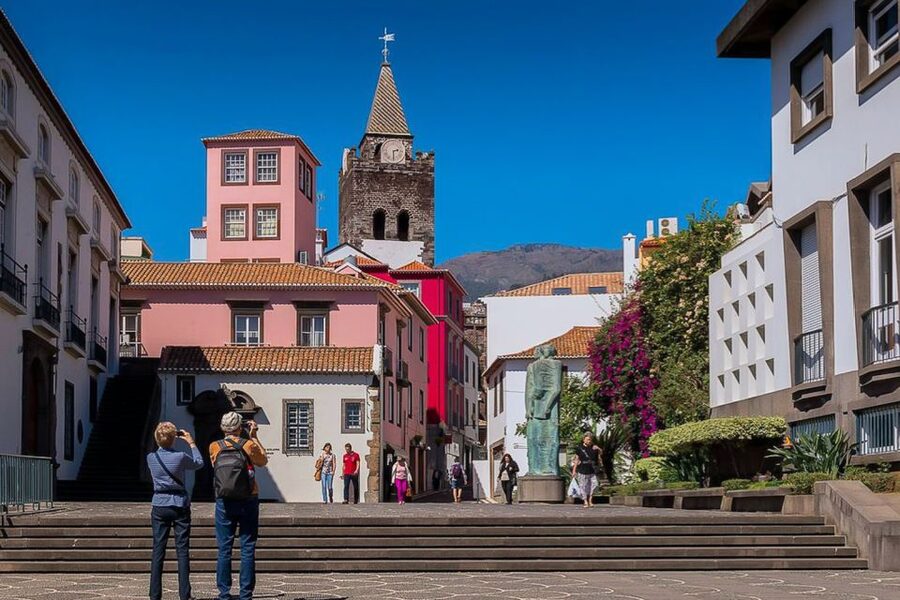
Next you reach Colombo Square, and the guide shifts the focus to sugarcane and Madeira’s industry. Sugar is one of those topics that sounds like a single commodity until you realize it shaped the entire island’s fortunes, trade links, and even who had power in European networks.
What makes this stop more memorable is the connection to the discoverer of the Americas, described here as someone who once lived on the island. You’re not just hearing a quick factoid—you’re getting it placed in the story of why Funchal mattered beyond Madeira.
Then the route continues past key civic and religious power points, including the Regional Legislative Assembly and the Cathedral. Even if you don’t consider yourself a church-and-architecture person, it helps to see these buildings after you understand the economic fuel behind them.
Practical benefit: after this section, you’ll be able to read the center of Funchal better. You’ll notice patterns like where institutions sit, how the city funnels pedestrians, and why certain areas became the default meeting points for trade and authority.
Inside the Cathedral era: power, diocese, and why the 1500s still show
The Funchal Cathedral stop is not just a quick exterior glance. You visit, and the guide explains how in the 16th century the Cathedral served as the seat of what was described as the largest diocese in the world.
That framing matters. It turns the Cathedral from a pretty building into a symbol of Madeira’s role in a much larger system—religious influence paired with maritime trade routes.
The same idea shows up in the way the tour handles the Regional Legislative Assembly and other civic stops: you’re learning that Madeira’s story isn’t only about farming and weather. It’s also about institutions that grew as wealth and strategic relevance increased.
I like that this isn’t delivered as doom-and-gloom history. Your guide usually balances facts with the human scale: where people would have moved, how the island’s economy fed the city, and why buildings end up where they do.
Wine lodge pause and finishing at the Jesuits’ College Church
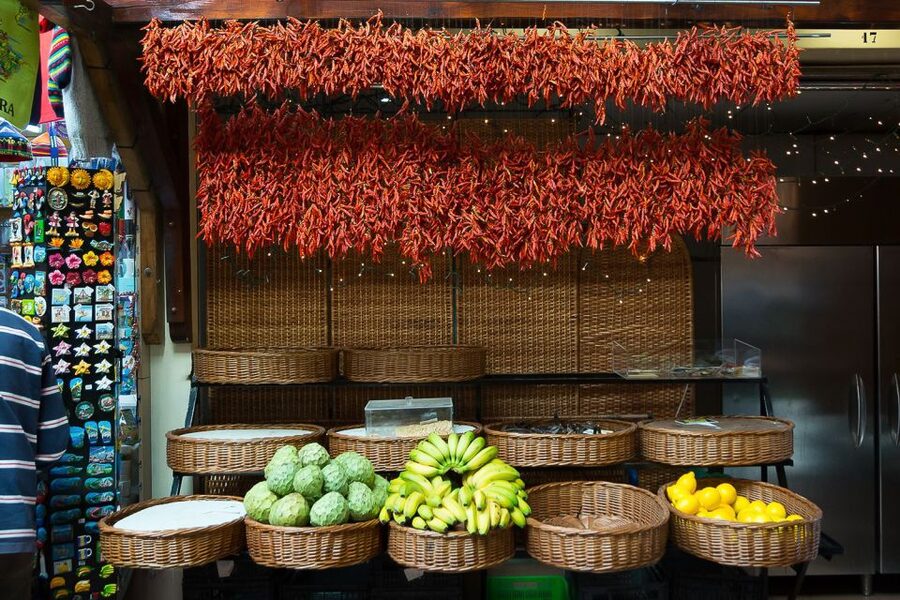
Near the end, the tour passes through the Municipal Garden and then includes a visit to a traditional wine lodge. In the real world, it can feel like a “breather” stop because it’s shorter and ties back to Madeira’s production story.
Even though the tour is primarily about walking and history, many guides close with a small Madeira wine tasting moment, and this is repeatedly mentioned as a pleasant finish—small enough to stay on schedule, but useful if you want something memorable to take away.
From there, you head back toward the Jesuits’ Church and return to the former Jesuits’ College area where the tour began. This looping finish is more than neat planning. It puts the city’s story back into context by returning you to the institutional origins—so the walk ends where the “frame” started.
For me, the final stretch works best if you treat it as a recap. After the market and sugar stops, the Jesuit sites and church visit feel less like random monuments and more like the capstone of the story you’ve been hearing all along.
Price, pacing, and what to wear for cobbles
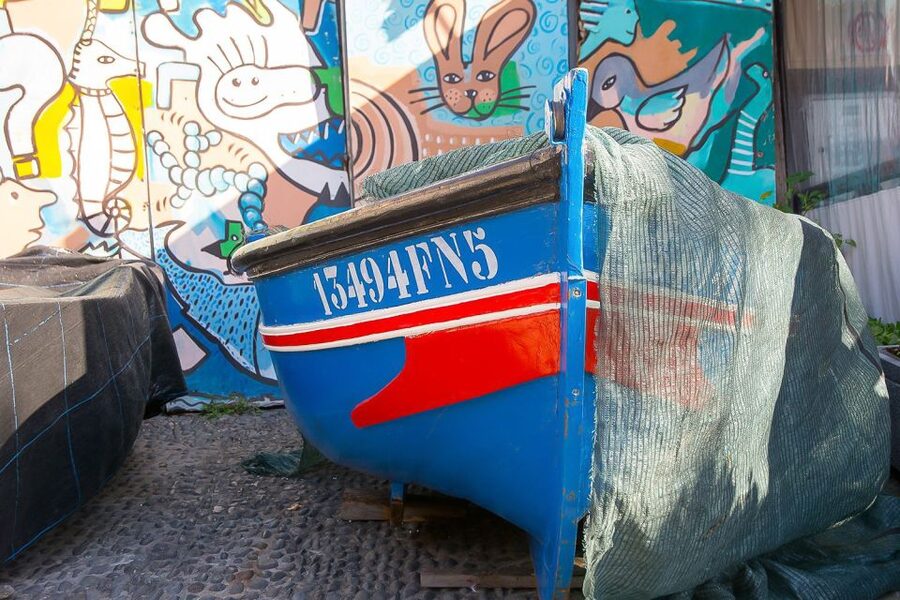
At $19 per person for about 2 hours, this feels like strong value because you’re paying for more than a walk. You get access to the Jesuits’ College of Funchal, guided time at the Farmers’ Market, and planned visits including the 19th-century sweet factory and the wine lodge.
Is it a bargain because everything is included? Not exactly—food and beverages aren’t listed as fully included. But the wine stop is built into the experience, and the tour still packs in multiple structured visits plus a guide to connect it all.
Pacing is usually reported as fair and manageable, with time to pause for photos. Still, the route includes cobbled streets and slight inclines, so wear shoes you trust. If you’re someone who’s easily slowed down by uneven ground, plan extra time before and after.
Also, skip big luggage. The tour notes no luggage or large bags, which makes sense for a tight, walk-focused itinerary.
You’ll also notice it has a “finish where you started” vibe, but with flexibility: there are two drop-off locations, one at Jardim Municipal do Funchal and one back at the Colégio dos Jesuítas area.
Languages and guide style: the difference between hearing and seeing
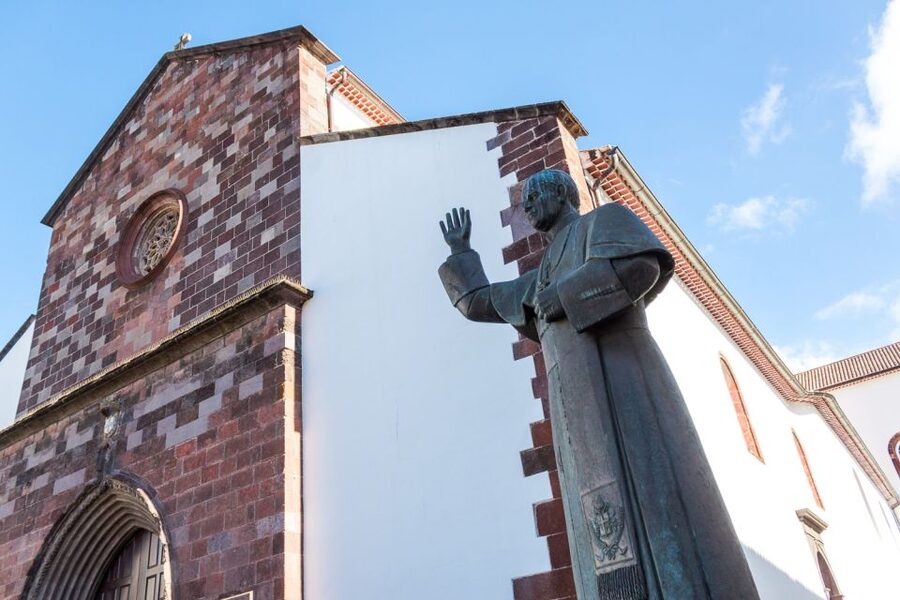
The tour runs with live guides in German, English, and French, so you can choose the language that keeps the story easy to follow.
What I’d watch for is guide style. This is the kind of tour where the guide’s voice changes the experience. Based on guide names people highlight—Annabelle, Elias, Elea, Hugo, Hannah, Evelina, Sarah, Elena, Evalina, Sara—the common theme is clear: steady pacing, room for questions, and explanations that help you notice things you’d otherwise walk past.
That’s why I think this tour is especially good for first-timers. A local guide can point out what to notice on Rua Dr. Fernão de Ornelas and along the way to the Legislative Assembly and Cathedral. Without that, you’d still see the buildings—you just wouldn’t understand why they sit there.
Should you book the Funchal Old Town Walking Tour?
Book this tour if you want a smart first day plan: 2 hours, old streets, and a story that links markets, sugarcane, and institutions into one understandable route. It’s also a good choice if you like your history practical—tied to flooding protections, trade, and daily island industries like sweets and wine.
Skip it if you want a purely scenic walk with no history, or if you dislike cobblestones and inclines. Also, if you’re the type who needs lots of food included, you’ll probably prefer a tour with explicit meal stops.
If your goal is to get your bearings fast and leave with a clearer sense of what Madeira’s economy and faith institutions did to shape Funchal, this one is a solid pick.
FAQ
How long is the Funchal Old Town Walking Tour?
It lasts about 2 hours.
Where do I meet the guide for this tour?
Meet at the Jesuits’ College of Funchal area at the University of Madeira entrance on Rua dos Ferreiros, next to D’Oliveiras Madeira Wine. Look for the glass doors and University signage.
Is the tour wheelchair accessible?
The tour is marked wheelchair accessible, but the route includes cobbled streets and slight inclines, so it may still be challenging for some mobility needs.
What languages are the live guides available in?
Guides are available in German, English, and French.
Are food and drinks included?
Food and beverages are not included. The tour includes visits such as a Wine Lodge, but the listing doesn’t promise full meals.
What should I bring and wear?
Bring comfortable shoes. The walk is on uneven surfaces, so footwear matters.
Can I cancel for a refund?
Yes. Free cancellation is available up to 24 hours in advance for a full refund.