REVIEW · ALBEROBELLO
Alberobello: History Walking Tour
Book on GetYourGuide →Operated by TURISTI IN PUGLIA INCOMING · Bookable on GetYourGuide
Cones of stone tell stories in Alberobello. I love the Belvedere terrace start, where you get the big-picture view before you walk into the maze of trulli, and I especially love the chance to step inside a traditional trullo with a guide who can make the details click fast, like Francesco or Dominicio in past tours.
One heads-up: this is a walking tour through historic lanes and steps, so bring comfortable shoes and pace yourself if you do not love uneven ground or tight streets.
In This Review
- Quick hits before you go
- Alberobello trulli in 2 hours: what this walk really covers
- Belvedere terrace: start with the view and the big picture
- Rione Monti and Aia Piccola: two trulli districts, two vibes
- Stepping inside a trullo: why an interior visit matters
- The trullo-shaped Church of San Antonio stop
- Seeing a trullo in a local home: construction explained
- Price and value: $40 for 1.5 to 2 hours
- Languages and guide style: what to expect from the people leading you
- Who should book this tour (and who might not)
- Practical tips so the walk feels effortless
- Should you book the Alberobello History Walking Tour?
- FAQ
- FAQ
- How long is the Alberobello History Walking Tour?
- What does the $40 price include?
- Is there time to step inside a trullo?
- Will we see the Church of San Antonio?
- What languages are available for the guide?
- Is transportation included in the price?
Quick hits before you go
- Belvedere terrace overview: you start with the visual map of Alberobello, not a lecture while walking blind.
- Two trulli districts: Rione Monti and Aia Piccola each give a different feel for the village and its architecture.
- Inside a trullo: you do not just look at cones from the outside.
- Church of San Antonio: a trullo-shaped church stop keeps the architecture theme going.
- A local home look: you get to see how a trullo is put together, not just how it looks.
- Small, personal energy: reviews often mention guides answering questions and even suggesting lunch spots.
Alberobello trulli in 2 hours: what this walk really covers
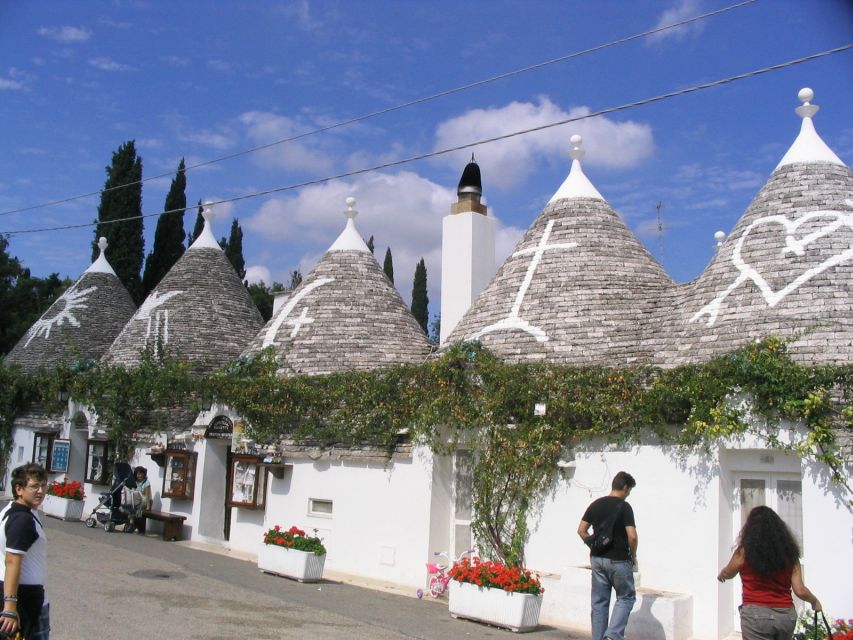
Alberobello is one of those places where a selfie is easy and a real understanding takes a little work. This tour is built for that second part. In about 1.5 to 2 hours, you move from viewpoints to streets to interiors, with a licensed local guide explaining why these famous cone-roof homes exist and how they function.
You’ll see the two best-known trulli areas: Rione Monti and Aia Piccola. And because it is not only an outdoor stroll, you get the payoff that matters here: you step inside a trullo, then you finish with a look at a local home where the construction details are shown.
This is also a UNESCO World Heritage Site, and the guide helps you see why it earned that status. Without that framing, the village can feel like one big photo set. With it, you start noticing the design choices and the logic behind the shapes.
You can also read our reviews of more walking tours in Alberobello

Belvedere terrace: start with the view and the big picture
The tour begins with a view from the Belvedere terrace. That detail matters more than you might think, because it gives you context before you enter the alley network. Once you can see how the trulli cluster and where the streets pull you, the rest of the walk feels less random.
From the terrace, your guide usually sets the stage: what makes trulli distinctive, how the village grew, and why the architecture is tied to the area’s story. Then you head out on foot toward the older and newer parts of Alberobello, with your guide pointing out what to watch for as you go.
I like this start because it helps you get your bearings fast. You’re not trying to figure out the village layout while someone is trying to explain construction details at full speed.
Rione Monti and Aia Piccola: two trulli districts, two vibes
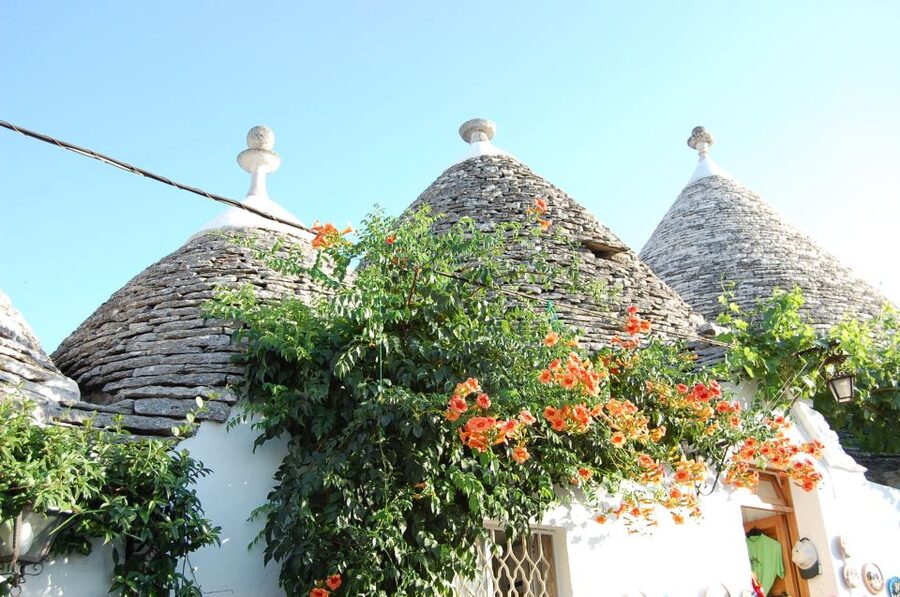
The walking portion focuses on two districts: Rione Monti and Aia Piccola. Both are famous, but they do not feel identical once you’re inside the lanes. That’s one reason this tour is worth doing instead of only doing a self-guided loop.
Rione Monti is often where people picture Alberobello first—dense trulli scenery, small routes, and the sense of wandering through a living pattern of stone and geometry. Aia Piccola shifts the feel, giving you another angle on the same architectural theme, so you can compare what you see rather than just stacking photos.
As you move between the districts, you’ll walk among trulli and small alleys, and your guide keeps the story tied to what you’re seeing. Reviews highlight guides like Mario and Floriana for explaining in detail and making the walk feel tailored, not scripted.
Stepping inside a trullo: why an interior visit matters
Looking at a trullo from the street is one thing. Seeing how it works inside is another. A big highlight here is that you can step inside a traditional trullo, which changes how you understand the whole village.
Inside, your guide can point out the structure and the practical side of the form—especially how the design supports life in this space. That interior time also helps you notice features you would miss outside, like how rooms connect and how the cone shape affects the feel of the interior.
Some guides in past tours have shared context on building methods too. For example, one guide explained why people started building these homes using rocks without cement, and tied that to the local approach to materials and construction. That kind of explanation is exactly what you want on a walking tour like this—small, specific information that makes the place feel real.
The trullo-shaped Church of San Antonio stop
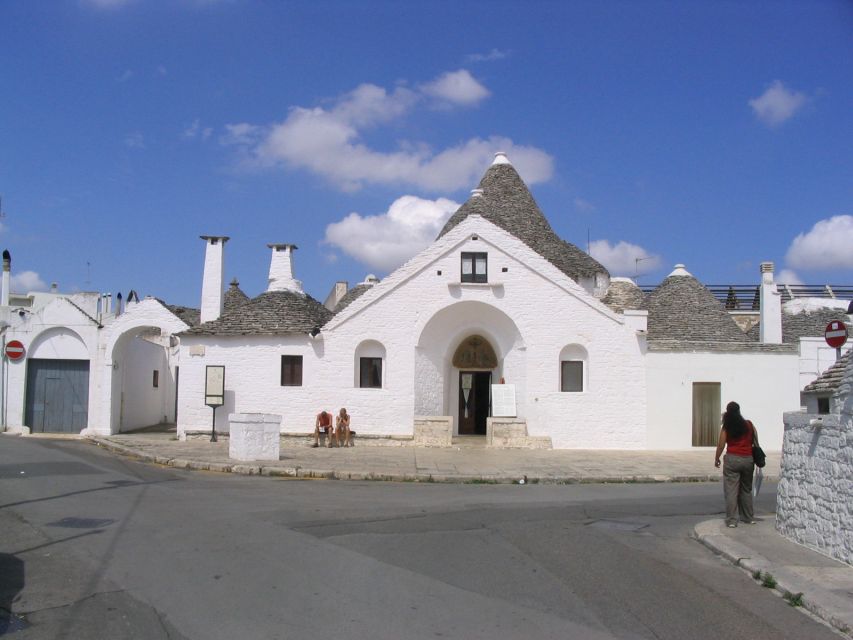
Midway through the walk, you reach the trullo-shaped Church of San Antonio. This stop is more than a photo break. It reinforces the key idea: the trullo style is not only for housing. It also shows up in religious architecture, which makes the design feel rooted in the community, not just a clever house shape.
As you approach, keep an eye on how the church’s form mirrors the trulli you’ve been walking past. Your guide’s job here is to connect the dots—what makes it “trullo-shaped,” and why that connection is part of Alberobello’s cultural identity.
Even if churches are not usually your thing, this one fits the logic of the day. It stays on-theme with architecture, materials, and local meaning.
Seeing a trullo in a local home: construction explained
The tour ends with a visit to a local’s home. This part is the most grounded segment because it turns architecture into everyday reality. You get the chance to see how a trullo is composed, which helps you understand the building as something people lived in, not a museum prop.
This is also where the tour tends to feel most personal. In reviews, guides are praised for bringing visitors into historical houses and explaining details that make the interiors memorable. Some guides even go beyond the basics with local product tastings at the end, so you might get an extra taste of what the area values—though you should still treat that as a bonus, not a guarantee.
The big value here is the construction explanation. Alberobello is famous, but fame can make it shallow. This ending pulls you back into “how did they build this, and how did it work” territory.
Price and value: $40 for 1.5 to 2 hours
At $40 per person, this is not the cheapest way to see Alberobello. But it is also not overpriced for what you get. You’re paying for a licensed guide and a structured route that includes interior access—like stepping inside a trullo and seeing a local home.
That matters because many self-guided visits to Alberobello are mostly visual. This tour adds interpretation. And interpretation is where your money turns into understanding.
You’ll also find value in the flexibility options. There’s free cancellation up to 24 hours in advance, and you can reserve and pay later, which is helpful if you’re juggling train times or other parts of your Apulia plan.
If you care about details—construction methods, district differences, and why the church has this form—the guide-led format is what makes the price feel reasonable. If you only want easy photos and do not care about interiors, you might prefer a slower independent walk.
Languages and guide style: what to expect from the people leading you
This tour runs with live guides in English, French, Spanish, and Italian. That’s a practical benefit because you can still ask questions without losing the thread.
Guide style is a real part of the experience here. Reviews mention Francesco as a standout for English and for making the tour feel welcoming. Dominicio is praised for storytelling. Floriana is credited with good humor and strong historical knowledge, and Roberta explained architecture and materials with clarity.
What you should take from those comments: the best version of this tour is the one where you show up ready to ask questions. If you do that, your guide can tailor the explanations to your interests—buildings, village history, or how locals think about trulli today.
Who should book this tour (and who might not)
This tour is a good fit if you want more than a quick stroll through Instagram scenery. You’ll like it if you care about UNESCO-worthy architecture, enjoy walking with a plan, and want interior access rather than only street views.
It’s also a solid option for groups who want an easy activity in a compact time window. At 1.5 to 2 hours, it can slot into a day without swallowing your schedule.
On the other hand, if you dislike walking and stairs, you might find the streets and lanes demanding. And if you’re only looking for outdoors photos, the interior stops are the main value—skip them and the price starts to feel less justified.
Kids under 18 travel free, so it can be a family-friendly way to break up a day in Apulia. Private group options are available too, which can help if you want a quieter pace or more interaction with the guide.
Practical tips so the walk feels effortless
This village is made for wandering, but it’s still a structured walk. I suggest arriving a bit early so you can settle in and start listening right away, especially since the meeting point can vary based on the option booked.
Wear shoes you trust. Even if you’re not thinking about it, the route mixes narrow lanes and steps. Bring a jacket or layer if you’re doing it during shoulder season, since terrace views and shaded alley time can swing temperatures.
Once you’re with the guide, ask for the “why” behind the trulli. For example, you can ask how materials and construction methods shaped the homes. Guides are consistently praised for explaining these points clearly, including how building without cement has been part of the local approach.
Finally, if your guide offers tips for lunch (some do, based on past tour feedback), take them. They know where the flavors and prices match the mood of the day.
Should you book the Alberobello History Walking Tour?
If you want Alberobello to make sense, book it. The main reason is simple: you get the view first, then you move into the districts, then you get inside a trullo and finish in a local home where the construction is shown. That mix turns a famous place into a place you understand.
It also has strong proof in the numbers: a 4.6 rating from 223 reviews is not perfect, but it’s a good sign that the guide-led format works. And because the tour is priced for short time on foot, you’re not paying for a long day—you’re paying for access and explanation where it counts.
Skip it only if you’re set on an ultra-light, outdoors-only visit. In that case, Alberobello can still be fun on your own, but you’ll miss the interior context that makes trulli more than just shapes.
FAQ
FAQ
How long is the Alberobello History Walking Tour?
The tour lasts about 1.5 to 2 hours. Starting times depend on availability.
What does the $40 price include?
The price includes a walking tour and a licensed guide.
Is there time to step inside a trullo?
Yes. The tour includes stepping inside a traditional trullo.
Will we see the Church of San Antonio?
Yes. The route includes reaching the trullo-shaped Church of San Antonio.
What languages are available for the guide?
The live guide is available in English, French, Spanish, and Italian.
Is transportation included in the price?
No. Transfers are not included.