REVIEW · ZADAR
Zadar Walking Tour sponsored by Gligora Cheese and deli.
Book on Viator →Operated by Elegance Tours · Bookable on Viator
Zadar’s old walls talk fast. This Zadar Walking Tour starts right at People’s Square and strings together the city’s Middle Ages, Roman ruins, and church treasures in about 1 hour 40 minutes. I love the easy central meeting point on Narodni trg and the way your guide shares practical eating and shopping tips (including Gligora Cheese). One possible drawback: the meeting spot can be tricky to spot, so arrive a few minutes early and be ready to ask.
Guides on this walk can be seriously good at making the facts feel human. I’ve seen names like Melina, Jasmina, Sara, Hajdi Josic, Zendka, and Lucinja mentioned, and the common theme is storytelling plus clear explanations. You’ll walk at a comfortable pace with a small-group cap of 30, in English, and you get flexible departure times—pick a morning or afternoon slot.
Most stops are outdoors or quick to view, which makes this a smart first-day plan. Still, September heat can feel sweaty between stone buildings, so pack water and plan for shade when you can.
In This Review
- Key highlights to look forward to
- Entering Zadar Through People’s Square (Narodni trg)
- The St Lawrence remains and how cafes hide ancient stuff
- St Simeon’s silver casket: medieval devotion in one stop
- Five Wells and the park on a bastion: when defense became a garden
- Trznica Zadar: the market where the city keeps eating
- St Chrysogonus and the Cathedral of St Anastasia: layers after WWII
- St Donatus and the Roman Forum: the city reuses itself
- Pacing, comfort, and what a 90-minute walk really means
- Price and value: what $18.14 covers in real terms
- Should you book this Zadar Walking Tour?
- FAQ
- How long is the Zadar Walking Tour?
- How much does the tour cost?
- Where does the tour start?
- What language is the tour offered in?
- Are there multiple departure times?
- Is admission required for the stops?
- Is there a limit on group size?
- What is the cancellation policy?
Key highlights to look forward to
- Narodni trg first, so you get oriented fast in Zadar’s historic core.
- Five Wells and Queen Jelena Madijevka park show how defense turned into pleasant city life.
- Trznica (green market) connects history to what’s actually on plates today.
- St Simeon’s relics and the silver casket add a rare medieval-art angle.
- St Donatus wraps Roman material into a Byzantine-style church you can’t stop staring at.
- Local food pointers pair well with the Gligora Cheese and deli sponsorship.
Entering Zadar Through People’s Square (Narodni trg)
If you want Zadar to make sense quickly, start where everyone starts: People’s Square. Narodni trg feels like a stage set for the city’s layers. In the Middle Ages it was Platea Magenta, the center of public life, and you can still read that civic role in the layout.
A big early takeaway here is how Zadar’s power kept shifting hands. On the north side, the City Guard (Gradska straža) is tied to Venetian architect Michele Sanmicheli, built in 1562. That detail matters because it explains why so many buildings in this area carry Italian influence even though Zadar is proudly Croatian today.
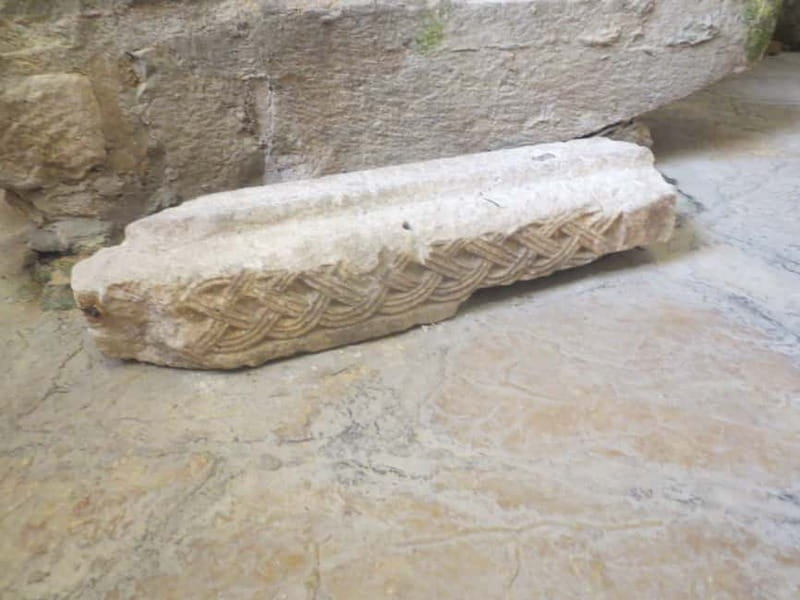
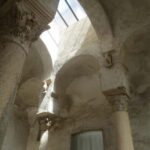
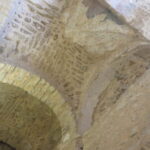
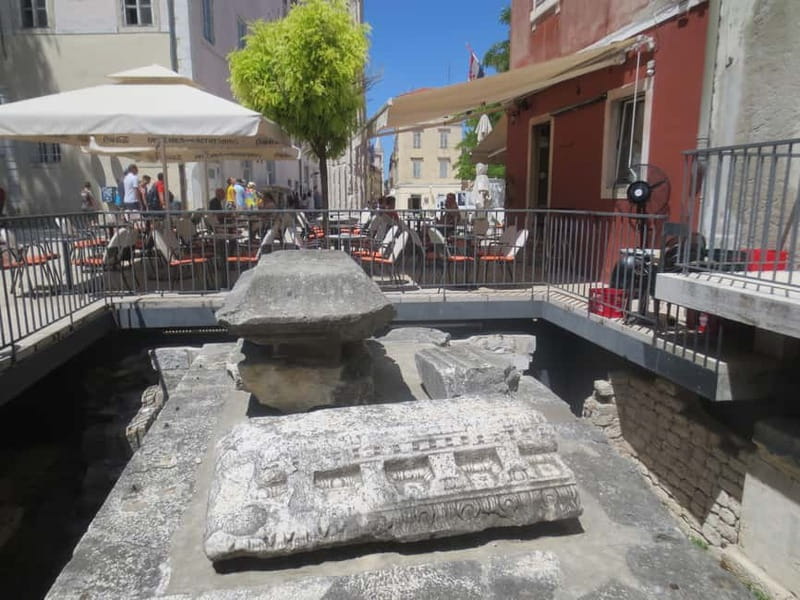
You’ll also get a quick look at the older religious traces tucked into the edges of the square. The remains of a pre-Romanesque St Lawrence church dating to the 11th century are reached through the premises of Cafe Lovro—an oddly charming setup. It’s a reminder that in old towns, history doesn’t live behind velvet ropes. It sits in real street-level places you pass every day.
You can also read our reviews of more walking tours in Zadar
The St Lawrence remains and how cafes hide ancient stuff
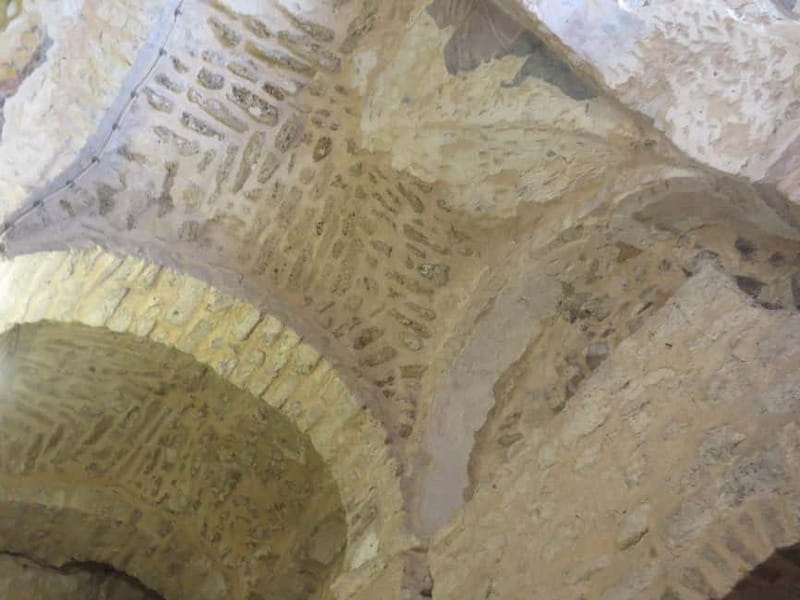
This stop is short, but it’s the kind of stop that makes the whole walk feel special. You’re not just checking boxes; you’re learning the trick Zadar uses to preserve its past—fold it into everyday life.
The pre-Romanesque St Lawrence remains being accessible through Cafe Lovro is practical. It also gives you a model for what to watch for as you keep walking on your own later. In Zadar, “old” often means embedded, not cordoned off.
What I like about this part is that it trains your eyes. You start noticing architectural seams, church placement, and how squares connect to side streets. That makes the rest of the tour feel less like memorizing and more like mapping.
St Simeon’s silver casket: medieval devotion in one stop
Next comes St Simeon’s Church, where the spotlight is on a relic with biblical roots and serious medieval craftsmanship. In the church of St Simeon in Zadar, there’s a mummified body of Simeon the God-receiver (Šimun, Šime), preserved in a silver casket.
If you care about how stories travel, this is a strong moment. The reference goes back to the Gospel of Luke—Simeon arriving in the Jerusalem temple and greeting the child who brings salvation. Zadar keeps Simeon’s body, and since Saint Simeon is the city’s patron saint, the connection feels personal rather than purely academic.
The silver casket is described as the most valuable work of Medieval goldsmith art in Croatia. Even if you’re not a religious-history expert, it’s hard not to appreciate the sheer cultural weight. This stop adds emotional gravity to the walk, before you head into the more civic, architectural landmarks.
Five Wells and the park on a bastion: when defense became a garden
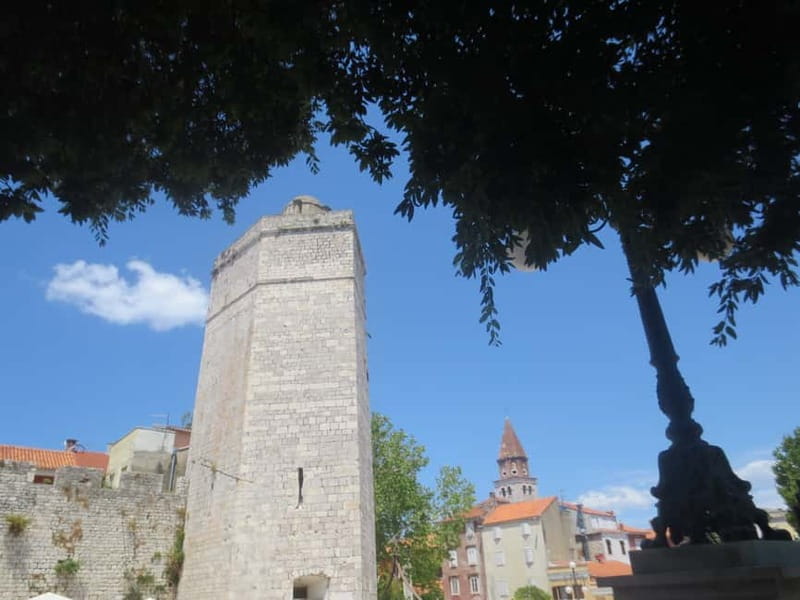
Five Wells sounds like a quirky name until you understand the logic behind it. The square sits between medieval city walls and the Renaissance bastion Grimani. Above that comes Queen Jelena Madijevka park, built on top of the bastion by 19th-century planners.
The square’s five wells are exactly what the name suggests: five wells lined up. In the Middle Ages, there was a defensive ditch below the old city walls, and during the 16th century the Venetians helped Zadar withstand Turkish sieges by building a water cistern with five ornamental wellheads. That’s the key link: architecture shaped by survival.
Then you step into the park story. Queen Jelena Madijevka park (also tied to Medici) was founded in 1829 by Austrian commander Baron Franz Ludwig von Welden, described as a passionate botanist who admired Dalmatian flora. It was the first public park in Dalmatia, built on a military structure—an unusual move that pays off today because you get a more breathable pause while still surrounded by historical structures.
Trznica Zadar: the market where the city keeps eating
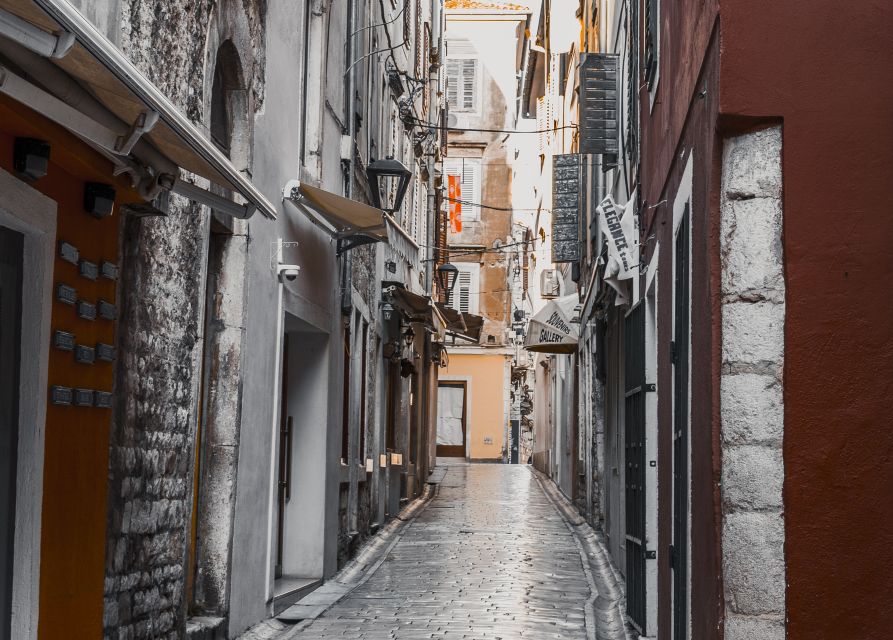
From wells and bastions, the walk turns to daily life at Trznica Zadar—Zadar’s main green market in the old part of the peninsula. This is where your guide’s local tips start feeling practical instead of theoretical.
Trznica is portrayed as a key urban-life place with a long uninterrupted thread. Even though the main market has been in its current spot since 1952, it used to be at the Roman Forum, so the idea is continuity: commerce and civic life happening in essentially the same neighborhood for a long time.
Inside the market you’ll see locally grown organic food, fruits and vegetables, freshly caught fish, and home-grown meat. The market is also where traditional indigenous products and souvenirs show up, meaning it’s not just for snacks—it can help you buy gifts that don’t feel like generic tourist leftovers.
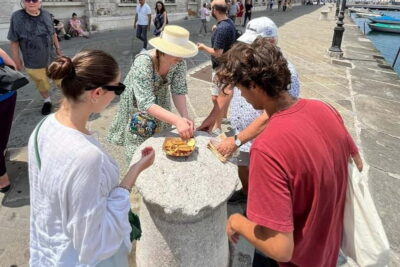
This stop is also where the Gligora Cheese and deli tie-in tends to shine. Based on the experiences people shared, cheese tasting and visits to a cheese shop are a common feature. If you like food travel, this is the moment to slow down, ask questions, and look for what the vendors are proud of.
St Chrysogonus and the Cathedral of St Anastasia: layers after WWII
Now you’ll shift from market energy to religious architecture, and you’ll see how Zadar’s story doesn’t stop at the Middle Ages. The Church of St. Krsevan is the Romanesque Church of Saint Chrysogonus, consecrated in 1175 by Lampridius, Archbishop of Zadar. It sits on the site of a Roman emporium and replaced an earlier Church of Saint Anthony the Hermit, leaving it as the only remaining part of a large medieval Benedictine abbey.
A detail that really helps you understand Zadar’s past is the story of Elizabeth of Bosnia. In 1387 she was secretly buried in this church, and her body remained there for three years before being moved to the Székesfehérvár Basilica. You’re seeing how churches acted as cultural and political storage rooms for important lives.
Next is the Cathedral of Saint Anastasia, built in the 12th and 13th centuries. You’ll notice the richly decorated facade and the three-nave interior, with remains of frescoes in the side apses. WWII bombing is part of the cathedral’s modern history, and it has been reconstructed since then.
Inside, there’s a marble sarcophagus holding the relics of St Anastasia, and the choir has lavishly carved stalls. If the cathedral is closed when you arrive, you can still peer in through a glass vestibule, which is handy—Zadar is beautiful, but schedules change.
St Donatus and the Roman Forum: the city reuses itself
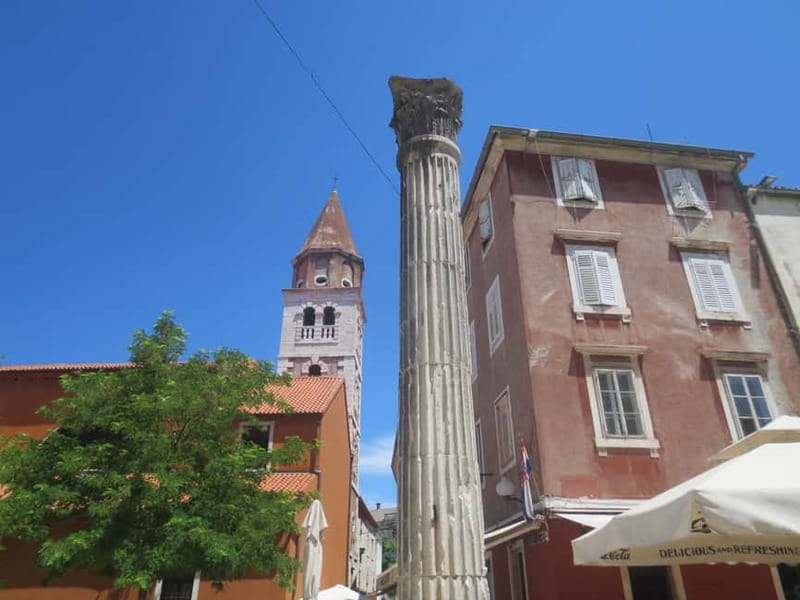
One of the most Zadar things is how Roman ruins show up seemingly at random from street level. The Roman Forum site is where St Donatus takes center stage, and it’s also where civic and religious life overlap in the same space.
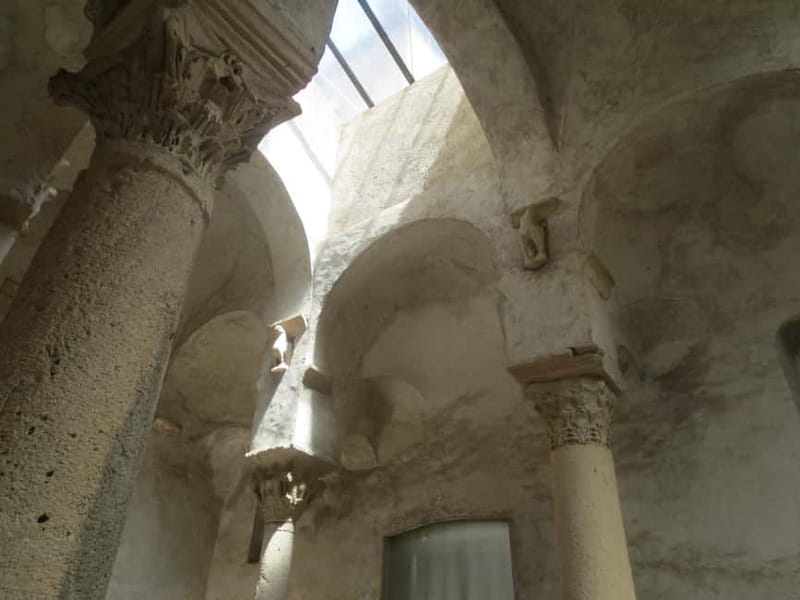
St Donatus’ Church is circular, Byzantine-style, and it’s named after the bishop who commissioned it. It dates to the beginning of the 9th century. The church is especially important because it survived the Mongol invasion in the 13th century—meaning this isn’t just a pretty postcard, it’s evidence of endurance.
The interior includes two complete Roman columns recycled from the Forum, plus paving slabs revealed after the original floor was removed. That “recycling” theme is the big lesson here. Zadar doesn’t treat the past like a museum. It uses the past as building material for the present.
Also, the church hasn’t been used for services for around 200 years. Today it often serves as a concert hall or exhibition space. So even when you’re looking at a centuries-old structure, you’re still seeing it plugged into modern culture.
Pacing, comfort, and what a 90-minute walk really means
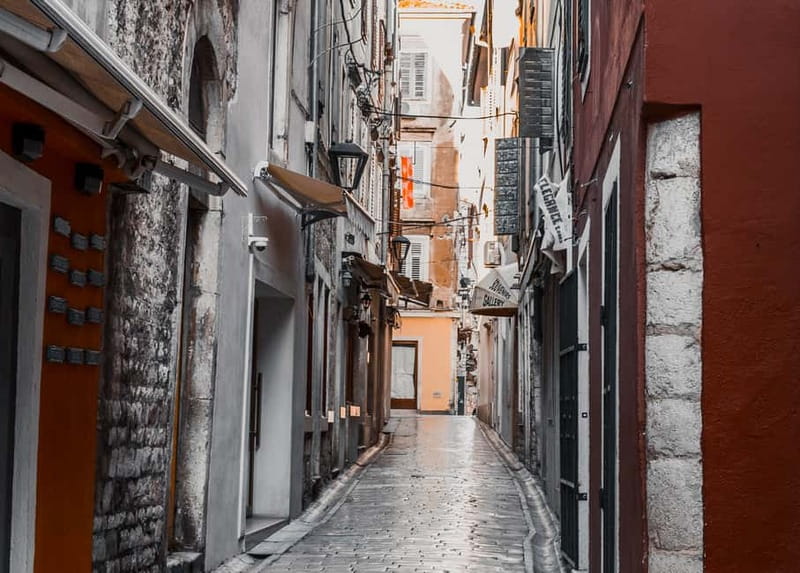
This is designed for first-time visitors and history buffs who don’t want to walk all day. At about 1 hour 40 minutes, you’re moving enough to cover real ground, but not so much that you feel wrecked afterward.
The route also works because many stops are quick looks with explanation, not long museum-style marathons. You’ll spend short chunks at landmarks like Narodni trg, St Simeon’s Church, Five Wells, and then reconnect with the market and churches. That keeps energy steady.
Comfort note: the tour is outdoors in parts, and Zadar can be warm even in shoulder seasons. One experience shared that September heat was uncomfortable between stone buildings with little breeze. If you’re sensitive to sun and heat, go earlier in the day, bring water, and take a breather when your guide pauses for photos or explanation.
Group size is kept reasonable, with a maximum of 30. Even so, it’s not a private tour feel. If you’re traveling with questions, arrive a little early so you can get your bearings and be ready to ask right away.
Price and value: what $18.14 covers in real terms
At $18.14 per person, this is priced like a practical orientation walk rather than a museum ticket day. The big value comes from three things.
First, the stops are mostly free to access or quick to view. Many of the sights listed have free admission tickets, which matters because it lets your money go toward time and storytelling, not entry fees.
Second, you get a local guide who doesn’t just explain what you’re looking at. You also get help with where to eat and shop in Zadar. That’s the kind of advice that can save you money and time later, especially around markets and cheese shops.
Third, the Gligora Cheese and deli sponsorship ties the cultural walk to real food. If you’re the type who likes to sample as you go, this is one of those tours that can pay off immediately in your day’s next meal.
Should you book this Zadar Walking Tour?
Book it if you want an efficient way to understand Zadar’s layout, especially if it’s your first day in town. This walk is ideal for history lovers, but it’s also approachable for people who simply want context for what they’re seeing.
Skip it or be cautious if you hate walking in warm weather or if you’re the type who needs ultra-specific signage to find a meeting point. In that case, arrive early, check your phone for the directions you’re given, and don’t be afraid to ask someone near Narodni trg for help.
If you’re hoping to pair old-world monuments with practical local tips—markets, cheese, and where to go next—this tour is a strong bet for the time and price.
FAQ
How long is the Zadar Walking Tour?
It runs about 1 hour 40 minutes.
How much does the tour cost?
The price is $18.14 per person.
Where does the tour start?
The meeting point is Narodni trg (People’s Square) in Zadar, Croatia, and the tour ends back at the meeting point.
What language is the tour offered in?
The tour is offered in English.
Are there multiple departure times?
Yes. You can choose from three morning or afternoon departures.
Is admission required for the stops?
The listed sights on the route indicate admission ticket Free.
Is there a limit on group size?
Yes. The maximum group size is 30 travelers.
What is the cancellation policy?
Free cancellation is available up to 24 hours in advance of the experience for a full refund.