REVIEW · BARI
Bari Walking Tour with Pasta Experience
Book on Viator →Operated by Velo Service · Bookable on Viator
Bari smells like bread and sea air. This 2-hour walking tour threads together Bari’s biggest historic stops and ends with a real pasta experience with a local. I like that you get lots of “why this matters” history tied to places you can actually see, not just random facts. I also like the food payoff: you cook (or at least learn the technique) and you taste local wine alongside what you make. The main thing to watch is pace—this is a short tour, so photo stops can feel quick, especially if it’s hot.
What makes it especially fun is the small group size (up to 15) and the mix of guide styles you’ll see in the wild: I’ve heard guides like Barbara, Anna, Alessio, and Vincenzo bring the history with humor and keep the walk moving. You’ll also be in English when you book, and you’ll start and finish right back at the same meeting point. One possible drawback: parts of the major sites you pass through are not included for entry, so you may feel a bit “on the clock” at stops where tickets are separate.
In This Review
- Key highlights to look for before you book
- Bari in two hours: why this tour works
- Getting started at Strada Vallisa (and staying on time)
- Stop 1: Basilica San Nicola and the pilgrims’ story
- Stop 2: Cattedrale di San Sabino, relics, and the Succorpo
- Stop 3: Castello Normanno Svevo and the art-meets-history vibe
- Piazza Ferrarese: where the Romans accidentally show up
- Piazza Mercantile: the commercial heart and the people’s meeting spot
- The pasta experience: orecchiette technique, wine, and a real table
- Food tastings and wine: how it fits into the route
- How guides shape the experience (Barbara, Anna, Alessio, and more)
- Pace, photos, and what to do if you want more time
- Price and value: is $52.12 worth it?
- Who should book this Bari walk with pasta
- Should you book this Bari walking tour and pasta class?
- FAQ
- How long is the Bari walking tour with pasta?
- What is the price per person?
- Is the tour in English?
- How many people are in the group?
- Where do I meet the guide?
- What’s included in the tour price?
- Are entrance tickets included for the sites?
- Does the tour end where it starts?
- What is the cancellation policy?
- Is there a child rate?
Key highlights to look for before you book
- Basilica San Nicola: a pilgrimage site for both Roman Catholics and Orthodox Christians
- Cattedrale di San Sabino and the Succorpo underground Roman walls
- Norman-Svevo Castle: you’ll see plaster casts and temporary art exhibitions
- Via Appia–Traiana discovery at Piazza Ferrarese during restoration work
- Pasta experience in a local home focused on Bari’s street-style technique (often orecchiette)
- Wine and tastings included, so the food part isn’t an afterthought
Bari in two hours: why this tour works
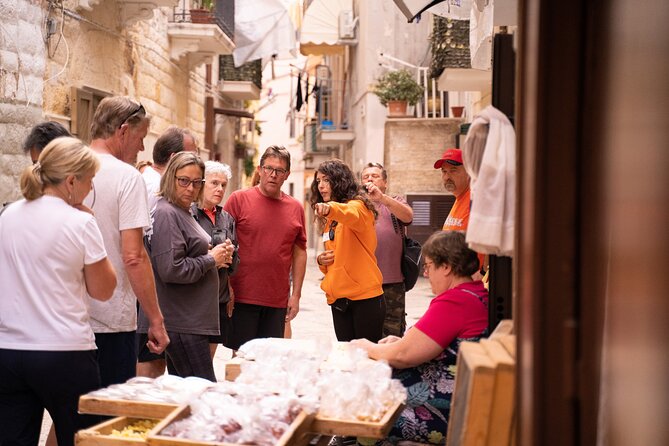
Bari Vecchia is a maze of narrow streets, small openings, and sudden views. This tour is built for orientation. Instead of spending your day guessing where you are, you walk the key spine of the old town and learn what each place is for—religion, power, commerce, and everyday life.
The pacing is the point. You’re not doing museum marathons. You’re doing a “see it, understand it, keep moving” route that lands you at the best food moment while the city is still fresh in your mind. It also helps that the walk is generally described as easy-going. If you want a first-day plan that gives you bearings fast, this is a strong match.
The other reason it works is the balance. Churches and piazzas can blur together if you only glance at them. Here, the guide connects them—like how Bari’s religious identity and its Roman-layer history show up in the stones under your feet.
You can also read our reviews of more walking tours in Bari
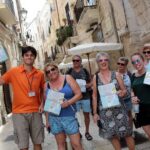
Getting started at Strada Vallisa (and staying on time)
You meet at Strada Vallisa, 81, 70122 Bari and the tour ends back at the same spot. That matters more than it sounds. Bari’s old streets don’t make navigation easy in the early hours, so not having to figure out a second pickup point is a real quality-of-life win.
You’ll also get a mobile ticket, and the tour is marked as near public transportation, which helps if you’re staying outside the immediate historic core. The tour is offered in English, and confirmation is received at booking, so you’re not stuck guessing last-minute.
Practical tip: wear shoes you can walk in for about two hours of uneven old-town surfaces. And if it’s summer, plan for shade and slower steps—some guides are good about pace and comfort, but the route is still an outdoor walk.
Stop 1: Basilica San Nicola and the pilgrims’ story
The first stop is Basilica San Nicola, and admission here is free. This church is a big deal for more than one faith. It’s an important pilgrimage destination for Roman Catholics and Orthodox Christians, which gives it a layered role in Bari’s identity.
What I like about starting here is the immediate context. You see a landmark that explains why Bari mattered for centuries—not only as a city with impressive architecture, but as a place people traveled to. That theme makes the rest of the walk click.
Time here is short—about 10 minutes—so treat this as the “spark” moment. Look up, notice the scale, and then let the guide do the heavy lifting on meaning. If you want deeper time inside, this tour won’t replace a longer cathedral visit, but it sets you up to understand what you’re seeing next.
Stop 2: Cattedrale di San Sabino, relics, and the Succorpo
Next comes Cattedrale di San Sabino, the seat of the Archbishop of Bari-Bitonto. It’s dedicated to Saint Sabinus, a bishop of Canosa, whose relics were brought here in the 9th century. That detail helps you understand why the cathedral’s role is bigger than local worship—it’s tied to movement, protection, and sacred history.
You’ll also appreciate the Succorpo, the underground Roman walls. This is the kind of stop that changes how you see the city. Above ground is church architecture; under it is earlier layers of stone. Bari’s history isn’t one era. It’s stacked.
Important drawback: entrance for this stop is not included. That’s not a deal-breaker, but it’s the main place where you might feel the price doesn’t cover everything on your must-see list. Still, even a short visit with a guide helps you know where to look if you decide to return later for more time.
Stop 3: Castello Normanno Svevo and the art-meets-history vibe
Then you reach Castello Normanno Svevo, the Norman-Svevian Castle. Admission is not included, and the site focuses on things like plaster casts and temporary art exhibitions.
I like this stop because it broadens the story beyond religion. Castles in old Mediterranean cities are rarely just “fortresses.” They’re about control, status, and how power gets displayed in stone.
Like the cathedral, the time here is short (about 10 minutes). You’ll likely get enough context to understand why the castle matters and where the art fits into the larger picture, but you shouldn’t plan on a deep museum-style visit. If you’re the type who loves lingering over exhibits, keep this as your taste test and plan a separate longer stop later.
Piazza Ferrarese: where the Romans accidentally show up
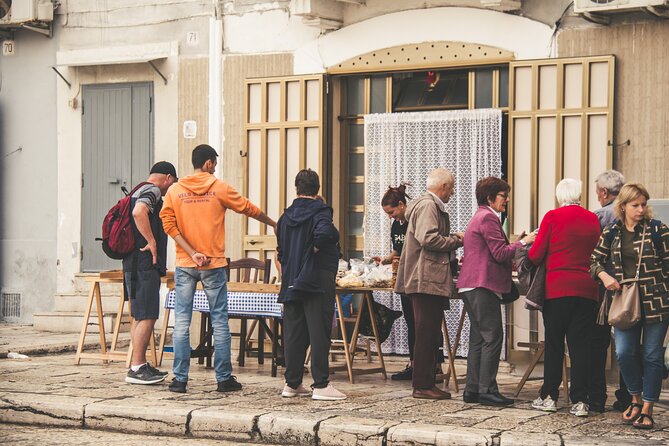
At Piazza del Ferrarese (Piazza Ferrarese), the tour shifts into city-life mode. This square is described as a long-standing access point into the old town’s narrow network of streets, alleys, and small openings that lead from Piazza Mercantile toward the castle area.
During recent restoration, something exciting surfaced: a short stretch of the ancient Via Appia–Traiana, built by the Romans in the early 2nd century A.D. That detail is the kind of “how is this city still alive” moment that makes Bari feel less like a postcard and more like a living archaeological site.
Admission is free here, and the stop is brief—about 5 minutes—but it’s one of the most interesting “hidden in plain sight” stories on the route. Even if you’re not a Roman-history person, it’s the kind of fact that makes you look twice at the ground under your feet.
Piazza Mercantile: the commercial heart and the people’s meeting spot
The last piazza stop is Piazza Mercantile. This is described as the heart of Bari’s commercial and administrative activity, historically linked to the city market area and the Palazzo Sedile, which served as the reference point for city hall.
Today, it’s still a meeting point for Bari locals, which is exactly what you want from a piazza stop. It’s not staged. It’s used.
This is another free admission stop and lasts about 5 minutes. If you want to end strong, this is a good place to take in street life: watch people pass through, notice how the old town funnels movement, and let the guide’s final context settle in.
The pasta experience: orecchiette technique, wine, and a real table
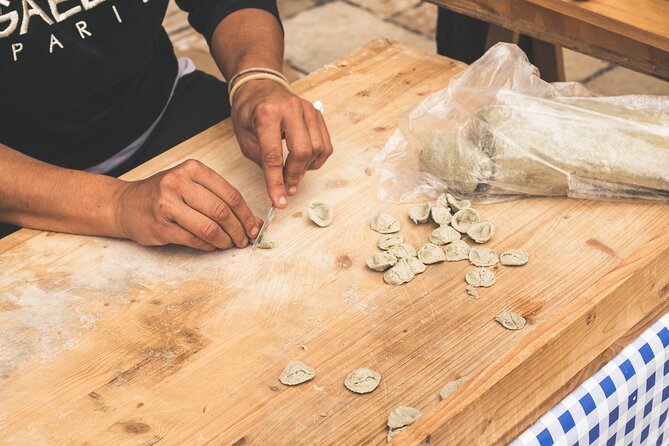
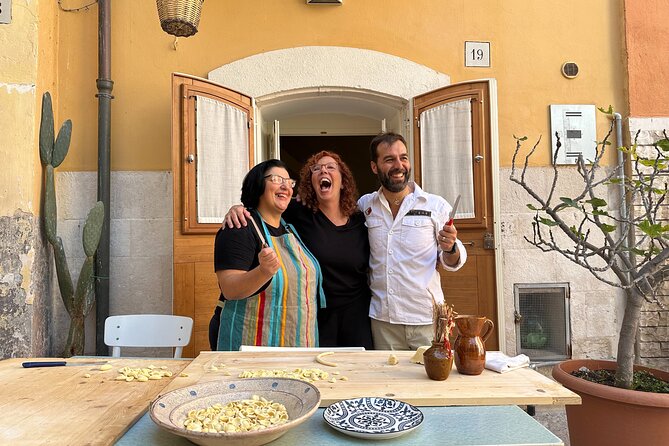
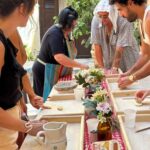
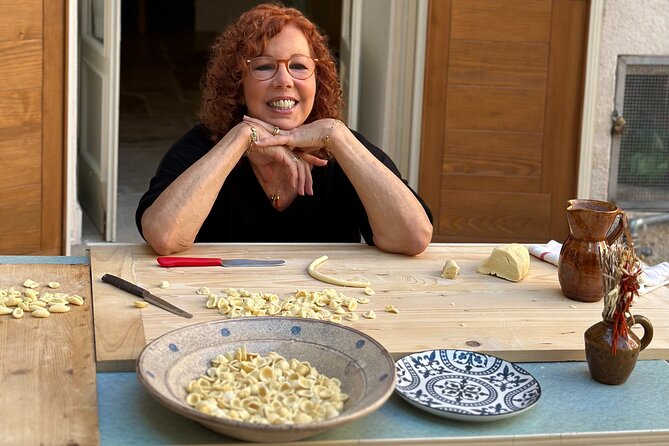
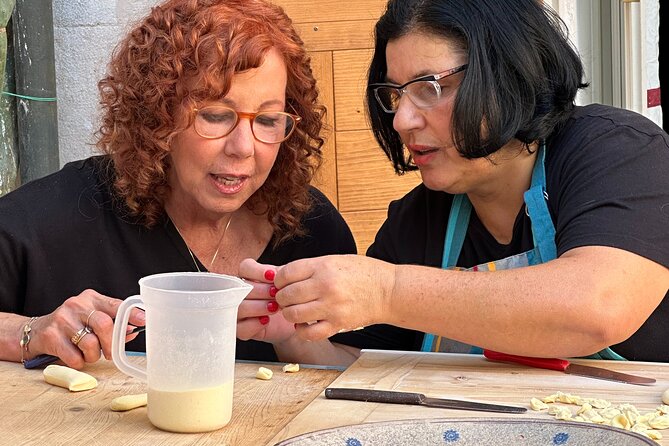
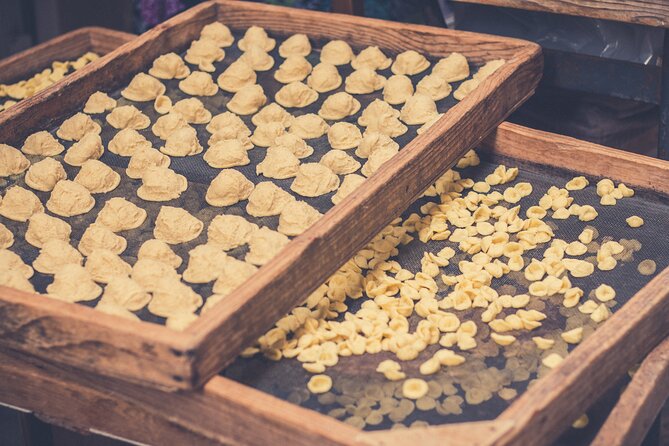
The centerpiece of the tour is the pasta experience, where you cook fresh pasta with help from a local. In the experiences shared, the focus is often on orecchiette, the classic small “ear” pasta shape associated with Bari and Puglia traditions.
What makes this part work isn’t just the food. It’s the hands-on learning. Guides like Erica, Anna, and Nonna Portia show up in people’s stories for a reason: they’re patient and hands-on, the kind of instructors who let you try, mess up, and try again until it looks like the real thing.
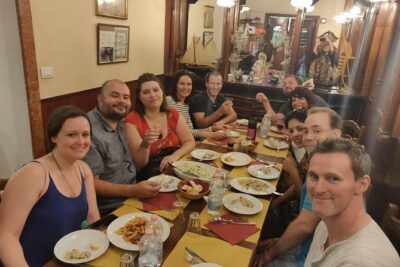
And then comes the best part: you eat what you make, paired with a wine tasting and food tastings included in the tour. One practical warning from the way people describe it: the pasta portion is short enough to be fun, but it’s still a structured lesson. If you’re hoping for a long, slow, “I’ll stay here all afternoon” class, this tour may feel brisk. The upside is that it stays within the total 2-hour format.
Also, a lot of people mention finishing with something sweet like gelato. It isn’t listed as a guaranteed item in the basic plan you’re choosing, but if you’re the kind of traveler who likes an extra local touch at the end, this route often delivers.
Food tastings and wine: how it fits into the route
The tour includes food and wine tasting, plus the pasta experience. That means you’re not ending with a “maybe snack.” You’re building a mini meal into the experience so your history stops don’t just become walking and looking.
A good thing to know: some wine flavors can be intense, and taste is subjective. If you’re sensitive to sharper notes, treat the wine tasting as a tasting, not a guarantee of smoothness. But overall, this is a typical way Bari tours introduce you to local tastes without forcing you into a full restaurant bill.
What you’ll likely enjoy most is the contrast: earlier in the tour you’re learning about sanctity, stone, and old roads; then you’re at a table learning to shape pasta by hand. That shift feels like a proper “day in Bari,” not a random food stop.
How guides shape the experience (Barbara, Anna, Alessio, and more)
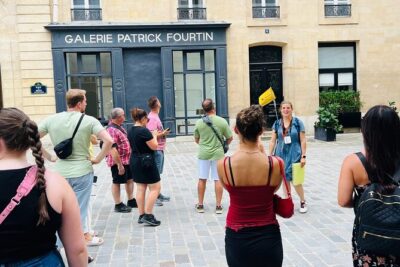
This tour is led by local guides, and the names that show up often include Barbara, Anna, Alessio, Vincenzo, Iris, Guilia, Carlotta, and others. The common thread is personality plus explanation.
You’ll notice guides tend to mix:
- clear history tied to what you see
- humor to keep a short walk from feeling like a lecture
- a steady pace that still gives you a moment to look around
Some people also mention an adjustment for conditions like heat, like guides making sure the group stays comfortable when they can. That’s not something you can count on everywhere, but it’s a good sign of how the tour is run.
If you prefer a quiet, head-down tour with minimal chatter, this may not be your favorite style. But if you like storytelling and local pride, it’s a big part of why the ratings are high.
Pace, photos, and what to do if you want more time
Because this is roughly two hours, it’s designed to cover a lot without letting you wander. That’s the trade-off. One person described the tour as rushed with barely enough time for photos.
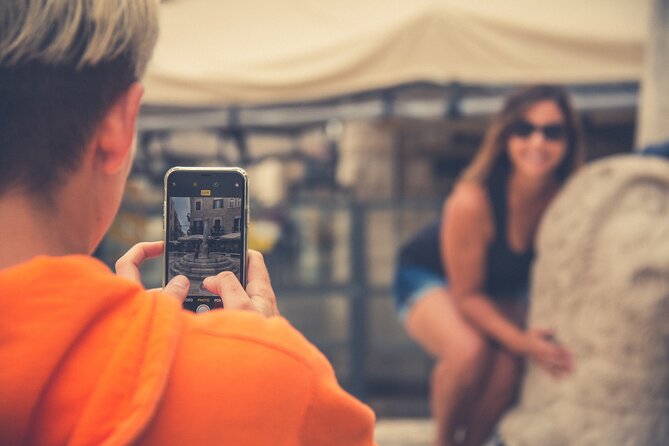
Here’s how you can manage that: pick your photo moments. Take one “wide shot” at a church façade, then one detail shot where the guide points you—like cues around the Succorpo area. Skip the ten-minute Instagram orbit. You’ll get better memories by learning the story and then capturing the key visuals.
If you want longer museum time, plan that separately. This route is strongest as an orientation + food intro. Think of it as your first visit that tells you what you should come back for.
Price and value: is $52.12 worth it?
At $52.12 per person, this tour isn’t the cheapest way to walk Bari Vecchia. But the value sits in what’s included: a guided walk for about two hours, food and wine tasting, and the pasta experience with local instruction.
If you tried to copy this day on your own, you’d spend money on:
- guided storytelling (or you’d do a lot of reading on your own)
- a restaurant meal
- a pasta workshop or cooking lesson
- wine tastings or a paired drink
So the price is mainly paying for structure: the route, the timing, and the fact that you get taught pasta technique rather than just buying dinner. The only “value dent” is that entry to some sites like the cathedral’s underground area and the castle aren’t included. Still, several stops are free, and you’re not paying admission for every single step.
Who should book this Bari walk with pasta
Book it if you:
- want a first-day orientation to Bari Vecchia
- like history that connects to real places, not just dates
- want food as a main event, not a side snack
- enjoy small-group walking (max 15)
You might choose something else if you:
- need lots of time inside museums or for long indoor visits
- hate any hint of rushing and want slow wandering
- only care about cathedral interiors, since some entrances are not included
Weather matters too. One key piece of advice from people’s experiences: August heat can make walking uncomfortable. If you go in the hottest months, dress for heat and bring a plan for shade breaks.
Should you book this Bari walking tour and pasta class?
Yes—if you want a tight, satisfying introduction to Bari that blends churches, piazzas, and a hands-on pasta lesson. The mix is the selling point: you don’t leave with only photos or only food. You leave with context you can use while exploring on your own streets afterward.
I’d say especially book it if you’re only here for a short stay, because the route hits major highlights fast. If you’re traveling with kids, the pasta part is often the fun engine of the day, since shaping orecchiette-style pasta is something many families enjoy learning together.
If you’re the type who wants to linger in one site for an hour, add a separate follow-up visit to the cathedral underground or the castle. Do this tour first, then pick your longer stops.
FAQ
How long is the Bari walking tour with pasta?
It runs for about 2 hours.
What is the price per person?
The price is $52.12 per person.
Is the tour in English?
Yes, it’s offered in English.
How many people are in the group?
It’s a small-group tour with a maximum of 15 travelers.
Where do I meet the guide?
The meeting point is Strada Vallisa, 81, 70122 Bari BA, Italy.
What’s included in the tour price?
You get a 2-hour walking tour with a local guide, plus food and wine tasting, and a pasta experience.
Are entrance tickets included for the sites?
Admission for Basilica San Nicola is free. Admission for Cattedrale di San Sabino and Castello Normanno Svevo is not included.
Does the tour end where it starts?
Yes, the activity ends back at the meeting point.
What is the cancellation policy?
Free cancellation is available up to 24 hours in advance for a full refund.
Is there a child rate?
A child rate applies only when you book with 2 paying adults, and all children must be accompanied by an adult.