REVIEW · ASAKUSA
Tokyo: Asakusa & Sensoji ー Oldest Temple Walking Tour (2hrs)
Book on Viator →Operated by Local Guide Stars · Bookable on Viator
Tokyo’s temple crowds get easier fast.
This 2-hour walk guides you through Kaminarimon to Senso-ji, then onward into Asakusa’s old-street shopping maze for street snacks, matcha treats, and Edo-era shop sightings. I especially like how the guide puts the big sights into plain context, like the meaning behind Kaminarimon’s famous features, and I like the food-focused wandering—especially the matcha stops and clear recommendations for what to try. One thing to consider: the tour’s write-up mentions tasting, and while many parts are food-forward, the amount of tasting can vary in practice.
With a price of $19.90 and a max group size of 15, it’s a low-cost way to get a local’s pacing through a part of Tokyo that can feel overwhelming on your own. The meeting point is easy to find (near Kaminarimon Police Box), and you’ll finish back where you started.
In This Review
- Key Highlights You’ll Actually Feel on the Walk
- Tokyo’s Oldest Temple Walk at Human Speed
- From Kaminarimon Police Box to Nakamise Shopping Streets
- Nakamise: Souvenirs First, Snacks Second (With Time to Enjoy)
- Inside Senso-ji: Purification, Incense, Prayer
- Senso-ji Yogodo: Goshuin Desk, Koi Pond, and Jizo Statues
- Kaminari Issa: Matcha Desserts That Actually Fit Asakusa
- Edo-Style Shopping Lanes, Hoppy Street, and Snack Stands
- Ending at Ozeki Asakusa Grocery & Supermarket
- Optional Knife Shop Moment (If You’re Into Craft)
- What This Tour Feels Like in Real Life
- Price and Value: Why $19.90 Works Here
- Who Should Book This (and Who Might Skip It)
- Should You Book This Asakusa & Senso-ji Tour?
- FAQ
- How long is the Asakusa & Senso-ji walking tour?
- How much does the tour cost?
- Where do I meet the guide?
- Is admission included for the stops?
- What do we do at Senso-ji during the tour?
- Is there a goshuin option during the walk?
- How big is the group?
- Can I cancel for a full refund?
Key Highlights You’ll Actually Feel on the Walk
- Kaminarimon first, so you understand what you’re looking at before the photo rush starts
- Senso-ji rituals explained step by step, from purification to incense and traditional prayer
- Goshuin + Jizo statue stories at Senso-ji Yogodo, including the koi pond photo moment
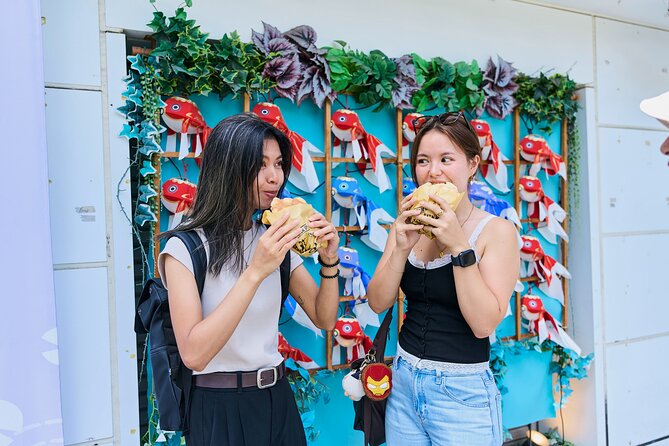
- Matcha dessert stop at Kaminari Issa area, with options like matcha soft serve and truffles
- Hoppy Street + Edo-styled lanes, where you can spot sword and kimono shops and snack stands
- The tour ends at a real supermarket, so you can grab everyday Japanese goodies as souvenirs
Tokyo’s Oldest Temple Walk at Human Speed
If you want Asakusa without getting lost, this is the kind of tour that helps you get your bearings fast. You start right at the outer gate of Senso-ji, then move through the temple area and shopping streets in a loop that’s long on meaning and short on fatigue. It’s not a museum tour. It’s a neighborhood tour, with temple etiquette and food stops folded in.
I like that it’s built around how people actually experience Senso-ji and Asakusa: you see the gate, you walk into the busiest streets, you learn what the rituals mean, and then you keep going through the lanes where everyday locals still shop. Guides also show up as a real advantage here. Several guides have impressed with clear English and a friendly style—people have singled out guides like Keiko, Yui, Josh, Nono, Nanami, Naruto, Aiko, and Naoto for making the walk both informative and relaxed.
The value angle is simple: you’re paying for a local interpreter of the place. Temple entry and the stops themselves don’t require paid admission (everything listed is free), so your money goes toward navigation, context, and making sure you don’t miss the best parts of the area.
You can also read our reviews of more walking tours in Asakusa
From Kaminarimon Police Box to Nakamise Shopping Streets
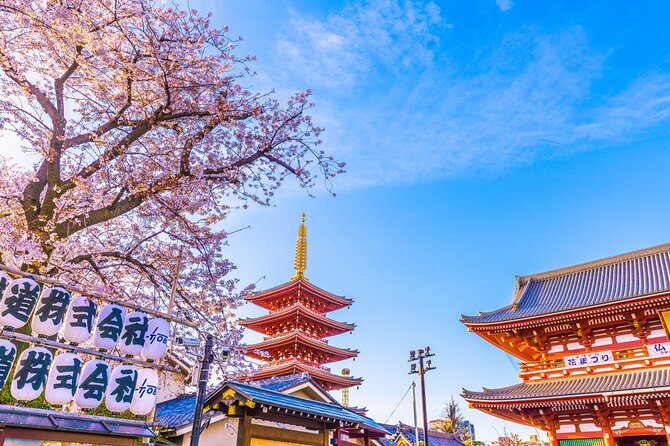
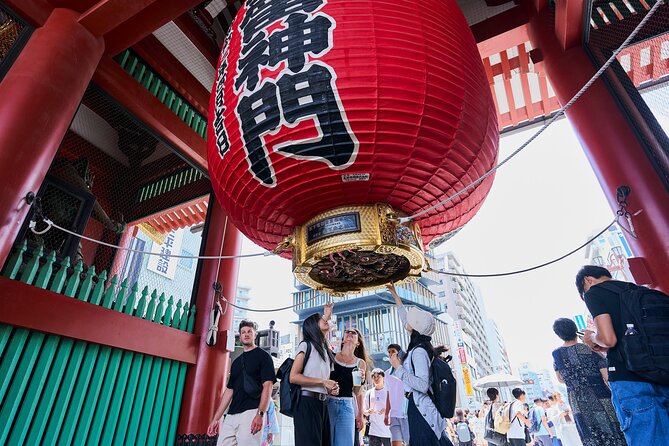
You meet near the Kaminarimon Police Box at 1-chōme-3-1 Asakusa, and the tour begins at the outer gate of Senso-ji. Starting here matters. Kaminarimon is the iconic Thunder Gate you’ll already recognize from photos, but the guide’s job is to translate what you’re seeing into something you’ll remember.
You’ll spend time at the gate area and learn the gate’s real name, plus the history and meaning behind its famous features. This is one of those “small detail, big payoff” moments. Without context, the gate can just look like a dramatic landmark. With context, it becomes a story you can carry with you as you walk deeper.
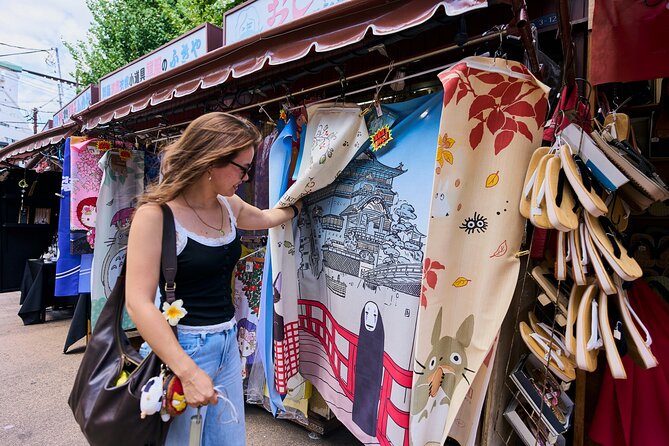
Then the route shifts into Nakamise-style streets—those classic Asakusa lanes packed with snack stands and souvenir shops. This is where you can shop without aimlessness.
Practical tip for you: if you’re the type who hates decision fatigue, this tour’s pacing helps. You’ll hit shopping and snack areas in a planned order rather than wandering and doubling back.
Nakamise: Souvenirs First, Snacks Second (With Time to Enjoy)
After Kaminarimon, you move along Nakamise Street. This is the stretch most people want to experience, but it’s also the stretch where you can lose time if you’re trying to do everything at once. Here, the tour gives you a guided walk that’s still flexible enough to browse.
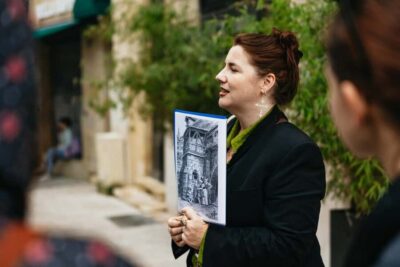
You’ll also get prompted toward food and snack choices that fit the moment—think classic temple-street treats and easy-to-hold bites. In reviews, people have praised guides for food suggestions and even small extras like handwritten cards listing items to try, plus stickers. Those touches aren’t the main point, but they do make the “what should I buy?” part feel less stressful.
Possible drawback: because the tour write-up emphasizes food tasting, you should be ready for the reality that the amount of tasting may not match every expectation. Even with strong guides, the day’s flow and shop timing can affect how much you get to sample.
Inside Senso-ji: Purification, Incense, Prayer
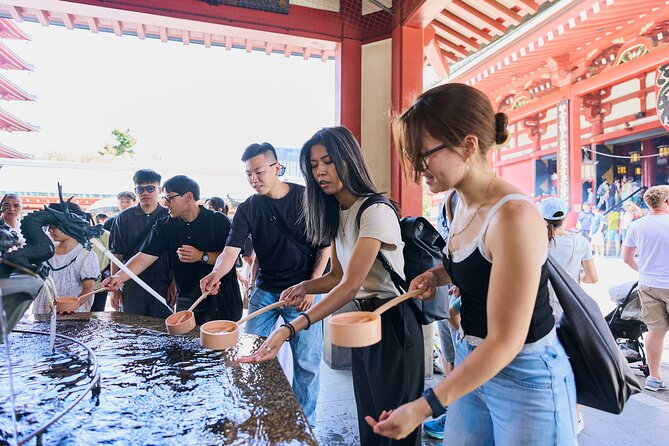
Next comes the temple itself: Senso-ji. This is where the walking tour turns from sightseeing into participation. The guide explains what to do and what the traditions mean, so you’re not standing there wondering whether you’re supposed to touch things or just watch.
You can draw a fortune. You can also purify your hands with water, and you’ll learn how to approach the incense smoke and offer a traditional prayer. If you’re visiting for the first time, these little ritual steps can feel intimidating. With a guide, you get a simple script to follow.
Also, Senso-ji is special for a reason that’s easy to overlook if you only think of it as a “Buddhist temple.” It’s described as a rare place where a Buddhist temple and a Shinto shrine coexist. That blend changes the vibe. You’re seeing layers of Japanese religious culture, not just one single-style site.
Practical note: plan for photos, but don’t turn the walk into a camera sprint. The rituals and explanations are the best use of your time here.
Senso-ji Yogodo: Goshuin Desk, Koi Pond, and Jizo Statues
After the main temple area, you’ll reach Senso-ji Yogodo. This is a quieter pocket with the kind of details that repay slowing down. The guide points out a goshuin (temple seal) desk, plus a pond with koi fish.
You’ll also see rows of Jizo statues tied to a well-known story. This area is a popular photo spot, so it can be busy—but it’s busy for a reason. The statues are striking, and the story context makes them more meaningful than just a background for photos.
If you’re into collecting goshuin, this is one of the most useful parts of the tour because you’re not left guessing where to go or what to ask for.
Kaminari Issa: Matcha Desserts That Actually Fit Asakusa
Then you shift from temple moments to sweet stops. You’ll pass by a local sweets shop specializing in rich matcha flavors, tied to the Kaminari Issa area.
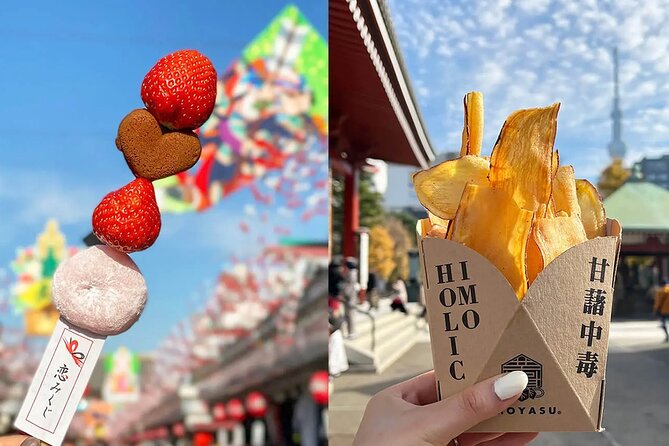
This is where you can try standout items like matcha soft serve and matcha truffles, plus seasonal treats. The point isn’t that matcha is unique—it’s that this stop gives you a clear, local direction during the part of the walk when you’re surrounded by choices.
I like dessert stops that are purposeful. Here, the guide’s food focus keeps you from randomly picking the first thing with a cute sign and then regretting it later.
Edo-Style Shopping Lanes, Hoppy Street, and Snack Stands
Asakusa after the temple is where the neighborhood feeling really clicks. You’ll walk through shopping streets lined with snack stands, souvenir shops, and traditional storefronts. People often associate Asakusa with big landmarks, but the daily street life is what makes it feel lived-in.
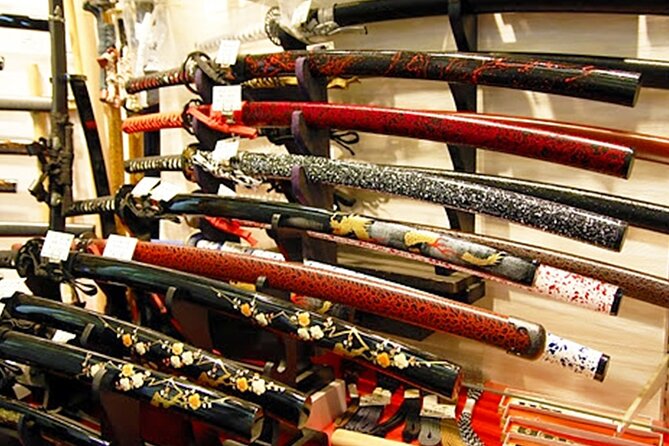
You’ll also reach Hoppy Street. This is known for daytime drinks and shops that evoke the Edo period, including sword stores and kimono shops that still exist in Asakusa. Even if you don’t buy anything, it’s a fun contrast: you just saw religious ritual, and now you’re in a street shaped by everyday commerce and craft culture.
Then you’ll explore another lively Edo-styled street with playful storefronts and retro vibes. You can look for unique vending machines, and food options here can include menchi-katsu (fried minced meat cutlets) and skewers.
Practical advice for you: when the streets get busy, it helps to have a guide pointing out what’s worth a pause. You’ll also walk in a way that avoids constant backtracking.
Ending at Ozeki Asakusa Grocery & Supermarket
One of the smartest touches is how the tour ends at a local supermarket: Ozeki Asakusa Kaminarimon Grocery & Supermarket. Most walking tours stop at a landmark. This one gives you a practical finish.
You can browse everyday Japanese groceries and pick up souvenirs that aren’t just small trinkets. If you like tasting your way through a country—without relying only on restaurants—this is a good last stop.
It also helps if you’re traveling with limited time. You get a chance to stock up while the tour is still actively guiding you.
Optional Knife Shop Moment (If You’re Into Craft)
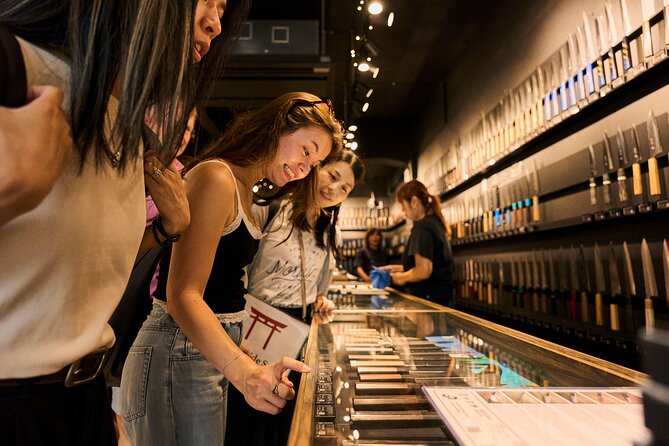
If you’re interested, the tour can also introduce you to a local knife shop where you might see traditional sharpening in action. Japanese knives are famous for precision and craftsmanship, and this is the kind of stop that turns “cool souvenir shopping” into a look at real technique.
Since this part is optional, it’s best for you if you like hands-on crafts and tools. If you just want food and temple sights, you can probably skip this without missing the core tour.
What This Tour Feels Like in Real Life
A 2-hour walking tour can go two ways: either it’s stuffed with so many stops that nothing sinks in, or it’s planned well enough that you enjoy each section. This one tends toward the second. Review comments often mention not-too-much walking, easy navigation, and guides making the experience feel thoughtful rather than rushed.
Guides also seem to tailor when needed. People have praised Nono for being friendly and patient and for adjusting the tour around jet lag and how a family felt that day. That matters because Asakusa can be demanding—crowds, smells, and lots of street-level stimulation.
You also get small-group energy. With a maximum of 15 travelers, you’re not disappearing into a mass. That makes it easier to ask questions and follow along.
Price and Value: Why $19.90 Works Here
$19.90 might feel too low for a guided walking tour in Tokyo—until you understand what’s included. Temple and street stops listed are free, so the money primarily pays for:
- local interpretation of what you’re seeing (especially the temple rituals and gate meaning)
- guidance through a dense neighborhood (less wandering)
- food direction during the most tempting part of the walk
- a small-group experience rather than a large bus-load atmosphere
In other words, the value isn’t in paying for expensive entrances. It’s in paying for understanding and convenience.
Who Should Book This (and Who Might Skip It)
This tour is a great fit if:
- you’re short on time but want more than a selfie circuit
- you want help understanding Senso-ji rituals and what you’re looking at
- you like street food and shopping streets but don’t want to plan every detail
- you enjoy a small-group pace guided by an English-speaking local
You might consider a different option if:
- you expect lots of guaranteed food tasting at every stop
- you dislike walking and want a slower, more structured sit-down experience
- you’re already deeply familiar with Senso-ji history and just want unguided browsing
Should You Book This Asakusa & Senso-ji Tour?
I’d book it if you want a sensible, first-timer-friendly way to experience Asakusa’s biggest temple and its surrounding street life in only two hours. The best reasons are practical: you get guided context at the gate and temple, you learn what to do in the ritual areas, and you still get time for snacks and shopping without getting lost in the maze.
If food tasting is your #1 reason for booking, keep your expectations flexible and treat the tasting portion as “food-forward direction,” not a guaranteed buffet. For most people, that won’t matter—because the temple guidance and the clear neighborhood route are the real wins.
FAQ
How long is the Asakusa & Senso-ji walking tour?
It runs for about 2 hours.
How much does the tour cost?
The price is $19.90 per person.
Where do I meet the guide?
You start at Kaminarimon Police Box, 1-chōme-3-1 Asakusa, Taito City, Tokyo 111-0032, Japan.
Is admission included for the stops?
The listed admissions for the tour’s stops are free.
What do we do at Senso-ji during the tour?
You’ll have time for things like drawing a fortune, purifying your hands with water, experiencing incense smoke, and offering a traditional prayer.
Is there a goshuin option during the walk?
Yes. You’ll stop at Senso-ji Yogodo where there’s a goshuin (temple seal) desk.
How big is the group?
The tour has a maximum of 15 travelers.
Can I cancel for a full refund?
Yes. Free cancellation is available, and you can cancel up to 24 hours in advance for a full refund.