REVIEW · SEATTLE
Seattle: Guided Underground Walking Tour
Book on GetYourGuide →Operated by Beneath the Streets · Bookable on GetYourGuide
Seattle has a secret under your feet. This guided Underground Walking Tour takes you beneath Pioneer Square to see the passages that survived when the city’s ground-level world completely changed. I love how you get real physical scale down there, then connect it to the big stories of Seattle’s past.
Two things I really liked: first, the live storytelling that makes the Seattle Fire and its aftermath feel immediate, not textbook. Second, the chance to walk several blocks and actually experience how the city was rebuilt, with retaining walls and raised streets you can see with your own eyes.
One practical drawback: the route includes six flights of stairs and there’s no elevator access, so it’s not a good fit if stairs are a deal-breaker for you.
In This Review
- Key Things You’ll Notice on This Underground Walk
- Finding the Entrance Under Cherry Street Coffee
- The 1-Hour Tour Rhythm: Stairs, Passages, and Pauses
- Walking Over 4 City Blocks in Pioneer Square
- The Three 1890s Passageways You’ll Actually See
- The Seattle Fire Story Tied to What Changed Below
- Raised Streets, Swampy Ground, and the Retaining Walls
- Architecture Beneath the Streets: What You’re Looking At
- Guides Who Keep It Funny and Clear (Ritchie, Patti, Sarah, Mike)
- Price vs. What You Get for $31
- Who This Tour Fits Best, and Who Should Rethink It
- Should You Book the Beneath the Streets Tour?
- FAQ
- How long is the Seattle Underground Walking Tour?
- Where do I meet for the tour?
- What will I see underground?
- Is the tour outside and underground?
- Are there stairs or elevator access?
- Are pets and strollers allowed?
- What should I bring?
Key Things You’ll Notice on This Underground Walk
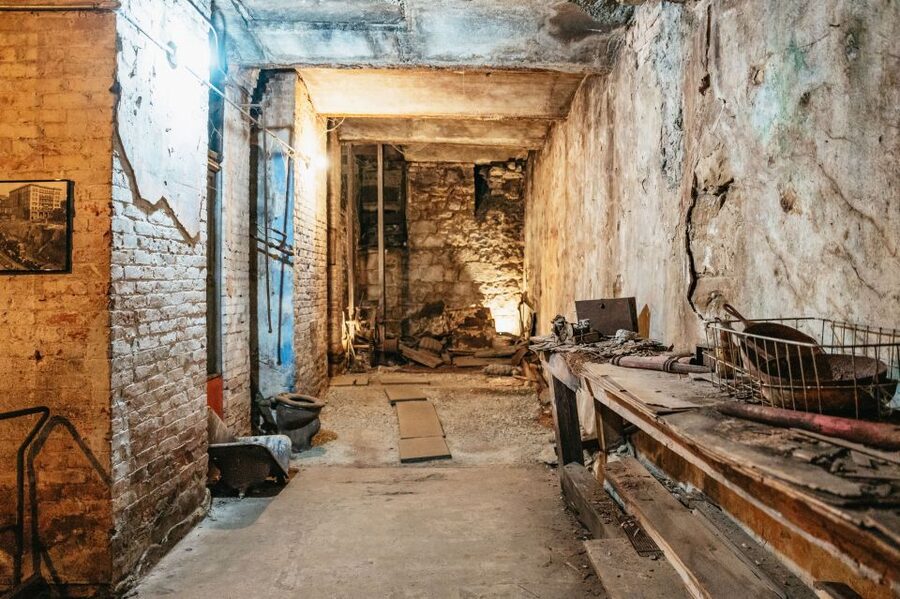
- Three underground passageways from the 1890s that show what Seattle built for daily life
- Pioneer Square on foot across 4+ city blocks, including short stretches above street level
- The Seattle Fire story tied directly to what’s visible underground afterward
- Raised streets and filled-in ground, including retaining walls along the way
- A guide-led pace that keeps the facts clear and the atmosphere fun, even underground
Finding the Entrance Under Cherry Street Coffee
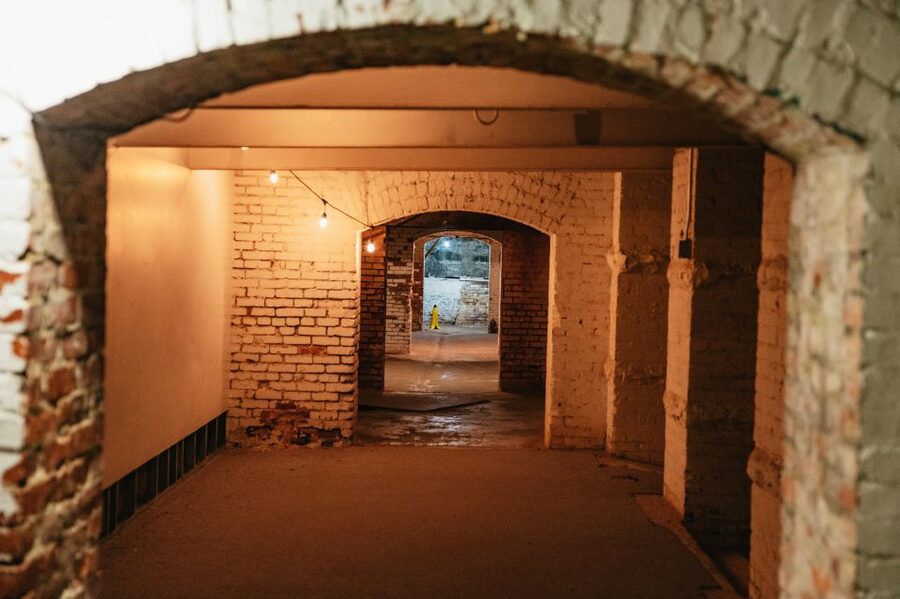
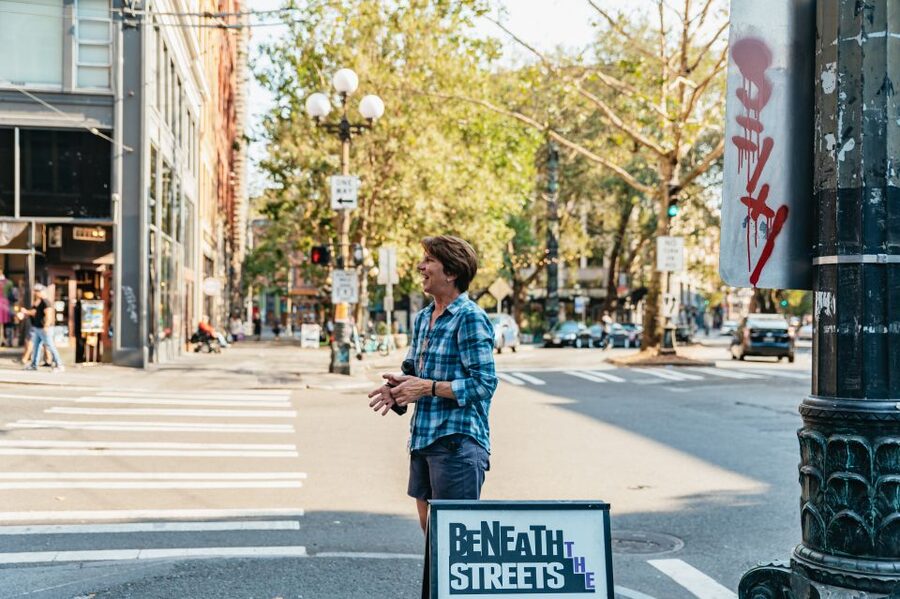
The tour starts in a very specific spot: underneath the Cherry Street Coffee shop. Look for the Beneath the Streets sign, in black and purple, then take the stairs down to the reception desk.
This matters because the experience depends on getting you into the underground system at the right moment. If you arrive early, use the time to get your shoes tied properly and take a look at the stairs you’ll be using (there are a lot), especially if you’re traveling with kids or friends who dislike tight stair climbs.
The tour ends back at the same meeting point, so you won’t have to figure out a second “pick up” location after you finish your underground walk.
You can also read our reviews of more walking tours in Seattle


The 1-Hour Tour Rhythm: Stairs, Passages, and Pauses
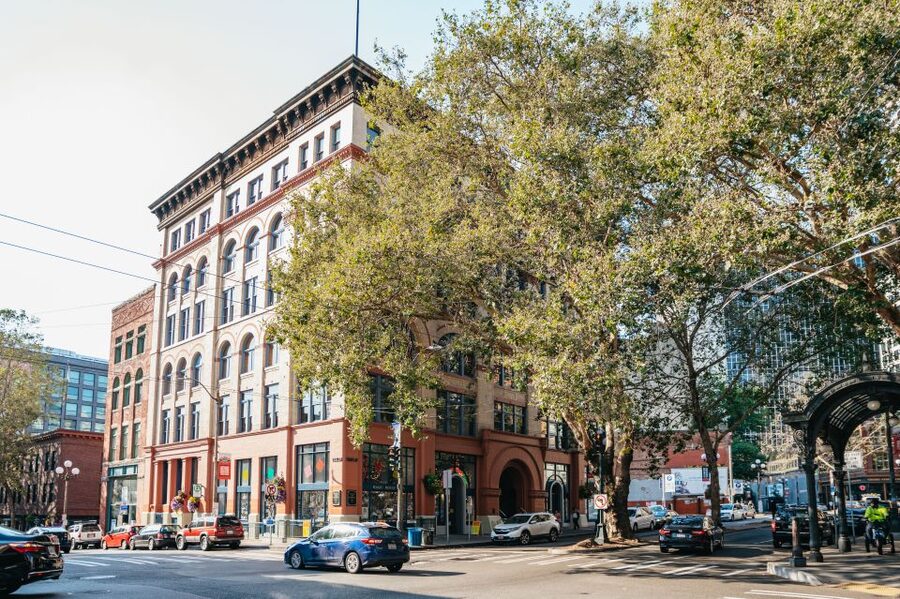
You’re signing up for about one hour, with the exact start time varying by day. It’s a walking tour, and it’s both outside and underground, so you’re not just sealed in a basement corridor for the whole experience.
Plan your body first, history second. You’ll move through several underground sections and you’ll also spend time walking between them, meaning you should bring comfortable shoes and expect uneven steps at times.
The group is led by a live English-speaking guide, which is a big part of why this works. The guide gives you context as you go, so you’re not just wandering corridors—you’re building a mental map of what you’re seeing and why it exists.
Walking Over 4 City Blocks in Pioneer Square
Even though the headline is underground, the tour is rooted in Pioneer Square above ground. You’ll explore more than four city blocks of this area, so the tour doesn’t feel like a quick “one hallway” stop.
This is one of the best parts for most people, because it connects the underground to the neighborhood you can see on the surface. You start to understand how the modern streets you’re standing on didn’t land on solid, stable ground the way some visitors might expect.
And since the tour is partly outside, you’ll get a break from the enclosed feeling. It’s also helpful for orientation, because you’ll see familiar streets above while the guide tells you how the plan changed over time.
The Three 1890s Passageways You’ll Actually See
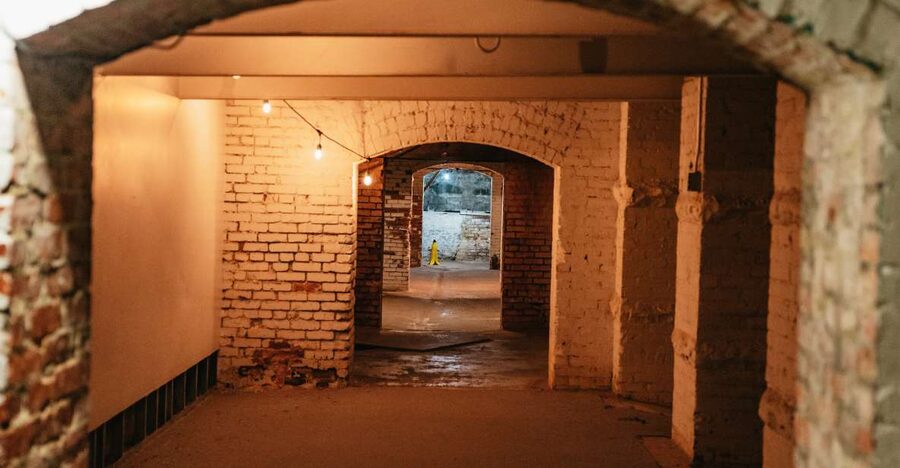
The highlight is the underground walking sections themselves. The tour takes you through three historic underground passageways originally constructed in the 1890s.
What I like about this structure is how it prevents “underground blur.” Instead of one long tunnel where everything looks the same, you get separate segments that help you notice differences and understand how the space served the city back then.
As you move through each passageway, your guide connects what you’re seeing to the big changes Seattle went through. The underground isn’t presented as a spooky curiosity; it’s treated as functional space the city created, then had to adapt to when major problems forced a drastic rebuild.
The Seattle Fire Story Tied to What Changed Below
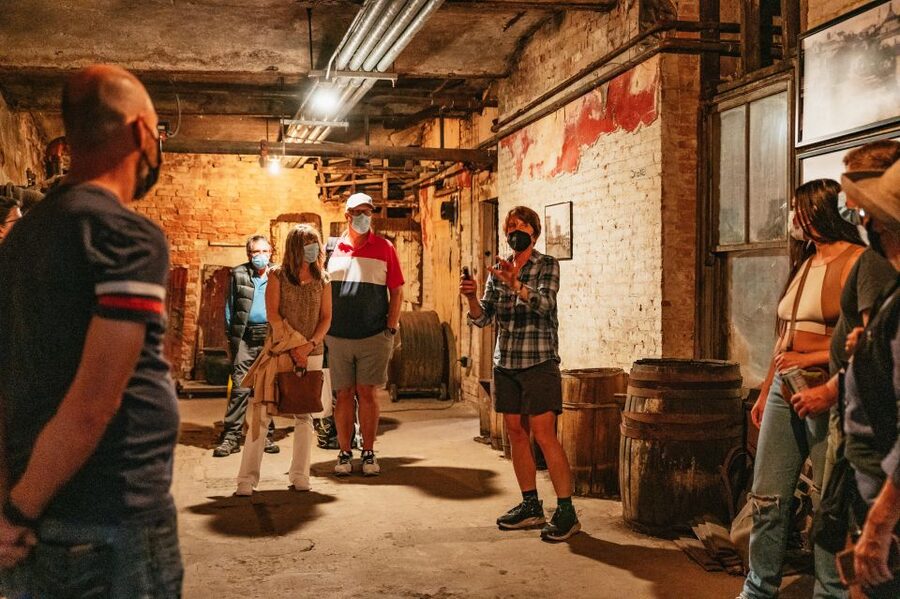
At the heart of the tour is how Seattle was reshaped after the Seattle Fire. You’ll learn about the tragedy that destroyed large swaths of the city, and you’ll hear what happened next: Seattle rebuilt, then made hard decisions about how the streets should sit going forward.
This is where guided history beats reading a plaque. When you hear the Fire story while standing where the city’s layers are literally separated, the timeline stops feeling abstract. It becomes a cause-and-effect chain: destruction, recovery, and then the physical choices to prevent future problems.
The best underground tours don’t just mention disasters. They show you how the disaster influenced engineering and street level. That’s exactly what this tour aims to do.
Raised Streets, Swampy Ground, and the Retaining Walls
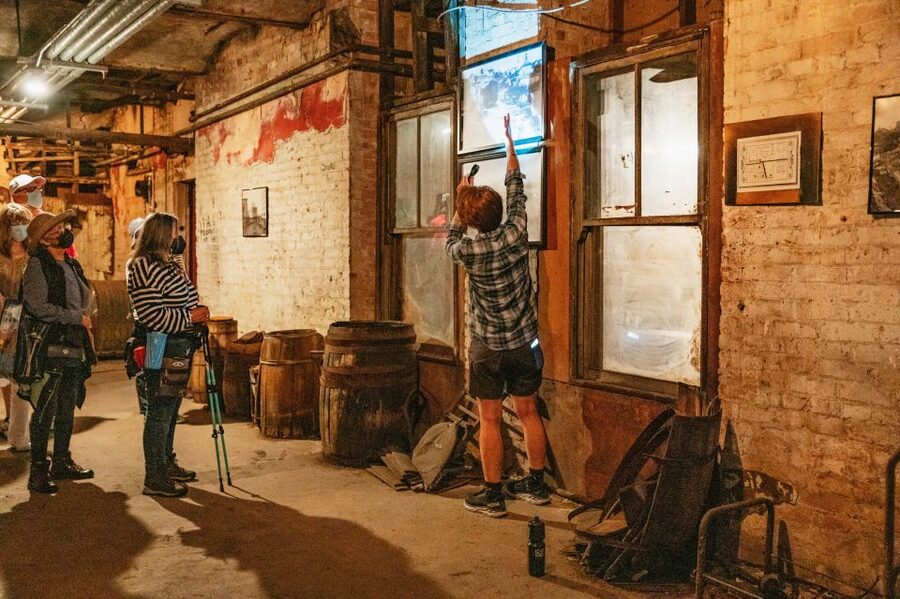
One of the most striking parts is the explanation of why Seattle’s streets were raised out of the swampy grounds. The guide walks you through the practical side of rebuilding—how the city added retaining walls and then filled to create new roads several feet above where they originally stood.
You’ll start to notice the sense of “layering” that makes Pioneer Square such a unique place in the city. The underground passageways become a clue to the old street level, and the surface streets make more sense once you understand what had to be done to make the area workable.
If you’re the kind of traveler who likes history that has engineering fingerprints, this section is for you. It turns a vague idea like re-leveling a city into something you can picture because you’re literally walking through the result.
Architecture Beneath the Streets: What You’re Looking At
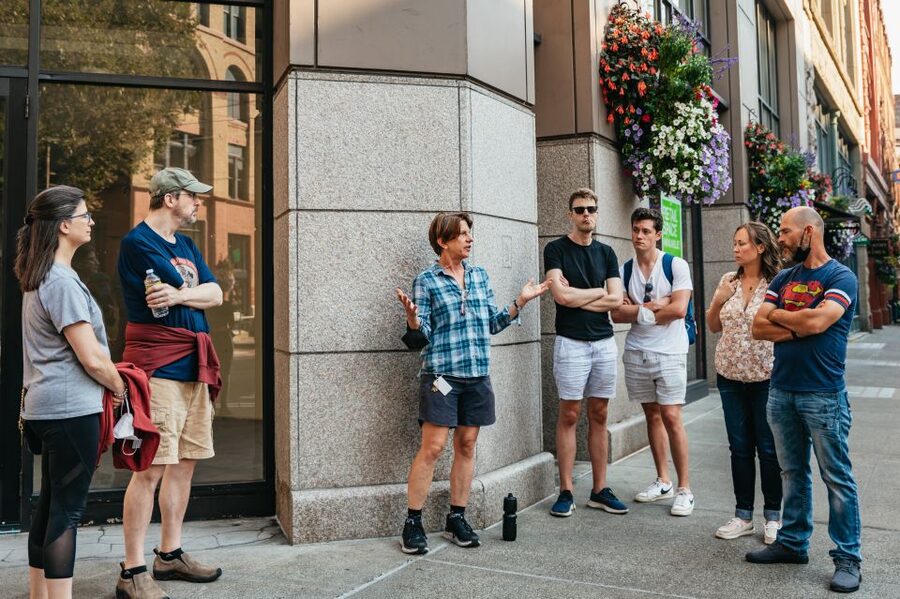
Part of the fun is seeing how historic architecture still reads as architecture, not just “old stone.” As you explore beneath Pioneer Square, you’re meant to admire the structures that remain and to understand how they connect to Seattle’s construction and development.
I also like that the tour keeps this grounded in what you can observe. You’re not asked to take the guide’s word for everything; the underground spaces and the way they relate to the surrounding buildings give you a visual anchor.
This isn’t an art museum vibe, and it isn’t a ghost story either. It’s more like walking through the city’s field notes—how people built, what went wrong, and how the city adjusted its footprint.
Guides Who Keep It Funny and Clear (Ritchie, Patti, Sarah, Mike)
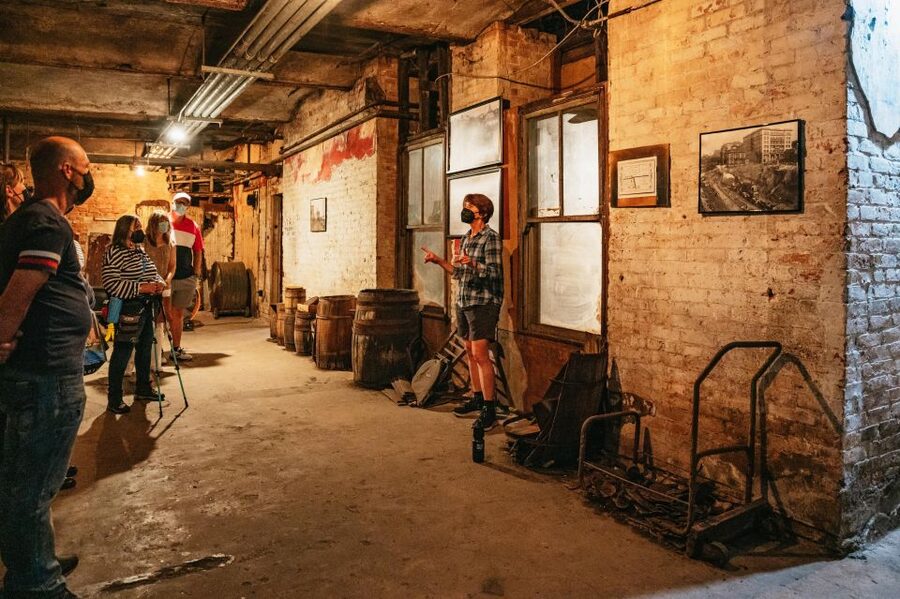
The underground setting could easily feel quiet and serious. Instead, the tour often leans into humor and high energy, and the guide’s style makes the difference.
From the range of guide names you’ll see—Ritchie, Patti, Sarah, Mike, Imogen, and others—the common thread is engaging storytelling. People highlight guides who keep the pace relaxed and make the history easy to follow, even when the topic includes tragedy and rebuilding.
This matters for your enjoyment. A good underground guide helps you do three things at once: pay attention, understand the timeline, and look up enough to notice details you’d miss on your own.
Price vs. What You Get for $31
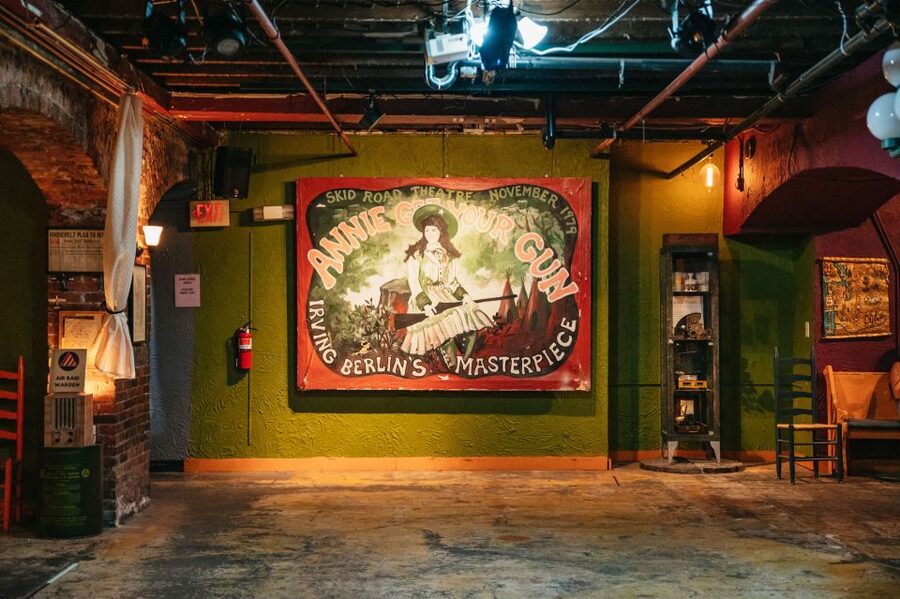
At $31 per person for about an hour, this tour is priced like an experience that assumes you want value in two buckets: time and access.
Time-wise, one hour is long enough for a real guided narrative, especially when the stops include three underground passageways and multiple transitions between underground and outside segments. Access-wise, you’re walking spaces most visitors don’t see and getting context for why they exist.
Could you learn some of this from online articles? Sure. But the price makes sense if you want the on-the-ground version: the guide’s explanations while you’re standing in the right place.
If your trip includes a tight schedule, this is also a good “history hit” that doesn’t eat half a day. It’s a manageable investment for an experience that feels unusually specific to Seattle.
Who This Tour Fits Best, and Who Should Rethink It
This tour is best for people who like walking, stories, and a clear connection between past and present. It also fits families who can handle stairs and a bit of time underground, as long as everyone is comfortable moving at an active pace.
If you have mobility impairments, don’t plan on this one. There’s no elevator access, and the route includes six flights of stairs.
Pets aren’t allowed, so you’ll need to leave furry friends at your lodging. Strollers are allowed with specific handling: they can be carried up and down stairs, or stored in the ticket office for the duration of the tour.
If you’re bringing kids, this is still worth considering because it’s guided and paced, but choose the tour only if your group can handle stair-heavy movement for an hour.
Should You Book the Beneath the Streets Tour?
Book it if you want Seattle history you can walk through. This tour is especially appealing when you’re curious about Pioneer Square’s odd “street level mystery” and want the practical engineering reasons behind it: the raised streets, the retaining walls, and how the city rebuilt itself after disaster.
Skip it if stairs are hard for you. No amount of great storytelling can fix the fact that there’s no elevator and the route is stairs-heavy.
If you’re visiting for a short time, I’d also book it as one of your early history stops. Once you understand what happened to the ground under Seattle, the rest of the city makes more sense as you move around on foot.
FAQ
How long is the Seattle Underground Walking Tour?
The tour lasts about 1 hour. Starting times vary by day, so check availability for the specific slots offered.
Where do I meet for the tour?
You meet underneath the Cherry Street Coffee shop. Look for the Beneath the Streets black and purple sign, then take the stairs down to the reception desk.
What will I see underground?
You’ll explore over 4 city blocks around Pioneer Square and visit three underground passageways that were originally constructed in the 1890s.
Is the tour outside and underground?
Yes. It is outside and underground, so you should be ready for real outdoor conditions even though much of the walk is underground.
Are there stairs or elevator access?
There are six flights of stairs along the tour route and there is no elevator access.
Are pets and strollers allowed?
Pets are not allowed. Strollers may be carried up and down stairs or stored in the ticket office for the duration of the tour.
What should I bring?
Wear comfortable shoes, since you’ll be walking and using stairs. The tour language is English with a live guide.