REVIEW · ROTTERDAM
Rotterdam Walk: Hilights, Gems, Architecture & WWII | 2 or 3hrs
Book on Viator →Operated by Rottourdam · Bookable on Viator
Rotterdam can feel like a city built for the future. This walk explains why, using the past as your map. You’ll cover major landmarks in a compact loop, with a strong WWII and rebuilding storyline that makes the architecture make sense fast.
I especially like the way this tour connects the big symbols to what you can actually see on the street. The Erasmus Bridge stops aren’t just facts—they’re tied to Rotterdam’s invasion and bombardment, then linked to what came next. And you’ll get real local energy from guides like Yoreh (and in other runs, Elmore is mentioned too), with lots of storytelling and visual support from photos.
One thing to consider: this is a good-weather experience. If the weather is rough, the tour may be moved or refunded, so plan this early enough that you have backup time.
In This Review
- Key highlights you’ll feel in real time
- Rotterdam’s WWII reset, told as a walking route
- Depot Boymans Van Beuningen: the art-depot stop you’ll remember later
- Nieuwe Werk and the Maas river: the harbor feeling most people miss
- Erasmus Bridge: the WWII lesson that lands because you’re standing on it
- Maritime Museum Rotterdam: step into the open-air “old boats” atmosphere
- Square 1940 and the Destroyed City statue: history you can read at eye level
- Witte Huis: Rotterdam’s “old skyline boss” moment
- Oude Haven to cube houses: from old harbor charm to concrete geometry
- Markthal finish: the modern Sistine Chapel comparison (and where to go next)
- Price and pacing: is $49.60 good value?
- Who this walk suits best (and who might want a different plan)
- Practical advice before you go
- Should you book this Rotterdam Walk?
- FAQ
- How long is the Rotterdam Walk tour?
- What’s the price per person?
- Is the tour in English?
- How large is the group?
- Where do we meet, and where does it end?
- What are some of the main stops?
- Is admission included for the stops?
- Is a mobile ticket used?
- Does the experience allow service animals?
- What should I know about weather?
Key highlights you’ll feel in real time

- WWII story that matches the street view: you learn why the city looks the way it does, not just what happened in 1940–45.
- Compact “greatest hits” route: you’ll hit the Erasmus Bridge, the Witte Huis, Oude Haven, cube houses, and finish in Markthal.
- Small group energy (max 15): it stays conversational, and questions actually get answered.
- Architecture you can walk through: cube houses and the Markthal finish make modern design concrete—not abstract.
- A local guide’s pacing: the tour moves briskly without feeling rushed, and you’ll get time to keep exploring after.
Rotterdam’s WWII reset, told as a walking route
This tour is built for one job: help you understand Rotterdam’s modern shape by walking the places where history left scars. Rotterdam’s story isn’t slow and medieval. It’s fast, practical, and often shaped by rebuilding choices.
What makes it work is the mix of old and new stops. You start near the Museum District, shift to the harbor edges and river views, then move into landmarks that stand out in plain sight. Along the way, the guide puts the WWII chapters into context so you don’t leave with a pile of dates—you leave with reasons.
And because the group size is capped at 15, the tone stays personal. This is the kind of tour where your guide can answer follow-up questions about what you’re seeing right now—how something was designed, why it was placed here, and what the city decided to keep or rebuild.
You can also read our reviews of more walking tours in Rotterdam
Depot Boymans Van Beuningen: the art-depot stop you’ll remember later
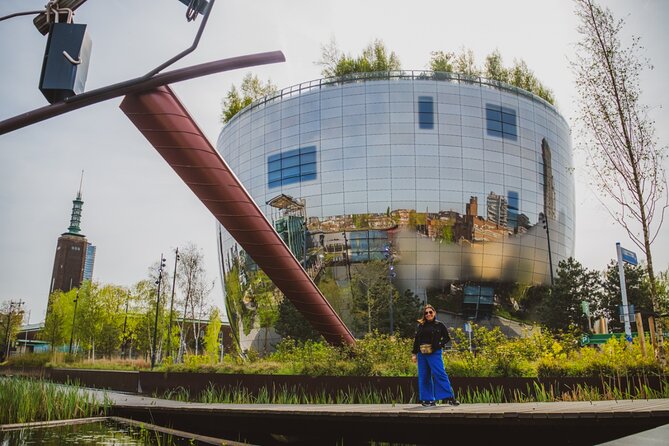
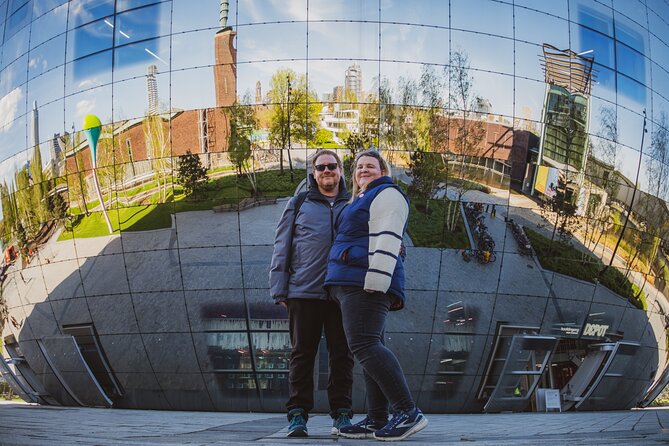
Your first stop is the Depot Boymans Van Beuningen area, tied to the Boijmans van Beuningen museum district. The description calls it a mirrored art depot, and that’s a clue to what you’ll notice: modern museum architecture that plays with reflections and light.
Even if you don’t plan to do a full museum visit on your own, this opening matters. It frames the walk around creativity and change, then helps you see why Rotterdam invests in culture and design even after destruction. You also get a quick orientation to the Museum District—useful if you want to add more stops later.
This part is short—about 15 minutes—and admission is free. That makes it a low-risk start if you’re jet-lagged or just want to get rolling.
Nieuwe Werk and the Maas river: the harbor feeling most people miss
Next you head to Nieuwe Werk in the Scheepvaartkwartier, the Shipping Quarter. This is one of the best “slow your pace” moments on the walk because it opens up the city.
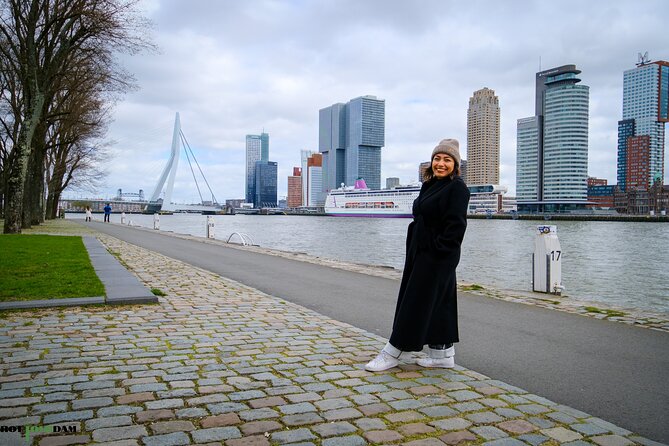
From the side of the Maas (Meuse) river, you can see big Rotterdam icons: Hotel New York, Steam Ship Rotterdam, and the Erasmusbrug in the distance. The tour’s wording emphasizes that many Rotterdammers don’t even know this area—so you’re not just collecting famous postcards. You’re getting a side of the city that feels more lived-in.
If you like photos, this stop is ideal. The harbor lines and water give you natural depth, and the skyline feels different depending on which way you’re facing the river.
Erasmus Bridge: the WWII lesson that lands because you’re standing on it
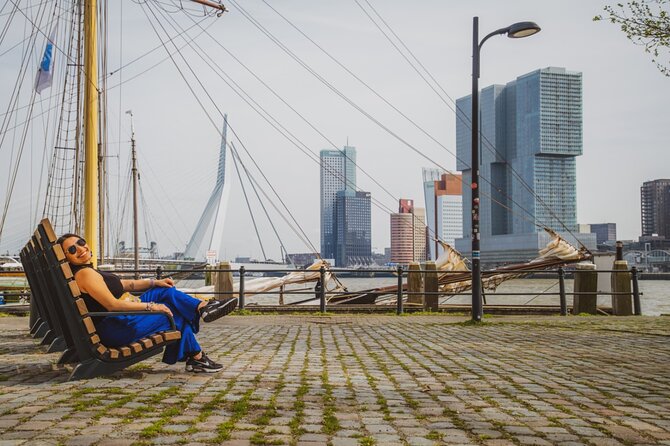
When you reach Erasmusbrug, the tour shifts into its emotional core. This is the big white bridge connecting north and south, and the guide uses it as a spine for the WWII story: invasion, bombardment, and how Rotterdam’s future got reshaped afterward.
The key advantage here is timing. You don’t hear WWII as a lecture in a classroom. You hear it as you look at the bridge’s scale and position in the city. It’s easier to understand why rebuilding choices mattered when you’re standing in the physical geography that shaped the city’s movements and connections.
This stop is about 20 minutes, and it’s free. Give yourself a small moment to just look around before your guide starts stacking the story with details. The bridge is the kind of landmark you’ll spot again later.
Maritime Museum Rotterdam: step into the open-air “old boats” atmosphere
The walk then continues into the Maritime District with Maritiem Museum Rotterdam and its open-air museum concept. The description points to boats that are over 100 years old, aging in place like part of the waterfront’s natural rhythm.
This is one of those stops that works best if you enjoy texture. Even if you’re not a ship-history fan, you’ll feel the difference between Rotterdam’s modern river identity and its earlier working harbor life.
The stop is brief (around 10 minutes). That’s enough to set the vibe and to help you decide whether you want to extend the visit on your own afterward.
Square 1940 and the Destroyed City statue: history you can read at eye level
Right after the boats, you’ll see The Destroyed City by Ossip Zadkine, located at Square 1940. This is described as one of the most important Rotterdam WWII statues, and it makes a lot of sense as a pause point in a walking tour.
Why? Because a statue can do what dates can’t. It gives shape to damage and loss, and it invites a slower look. It’s also a location people often pass quickly—so taking 10 minutes to understand what you’re looking at makes the whole walk more meaningful.
If you like symbolic landmarks, this is a strong stop. If you tend to skim monuments, this is still worth the time because it ties directly back to the bridge and the rebuilding themes.
Witte Huis: Rotterdam’s “old skyline boss” moment
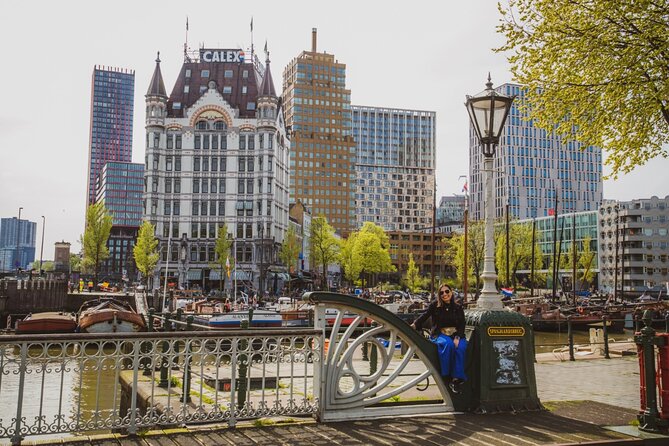
Then you hit Witte Huis, the White House building that was once the tallest office tower in Europe. This stop is only about 15 minutes, but it has a big payoff.
Rotterdam is known for bold modern architecture, yet Witte Huis reminds you the city’s skyline ambition goes way back. You’ll learn why this tower is an icon and how Rotterdam’s “build higher” attitude connects to its identity as a working port city and commercial hub.
It’s also a useful counterpoint after the WWII statue. You get both the memory of destruction and the push toward strong, visible growth.
Oude Haven to cube houses: from old harbor charm to concrete geometry
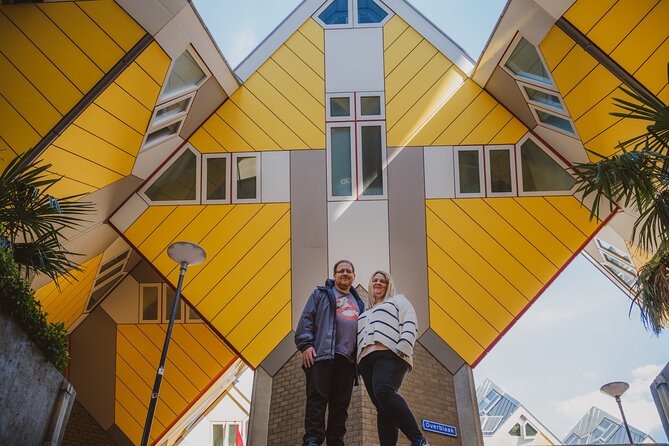
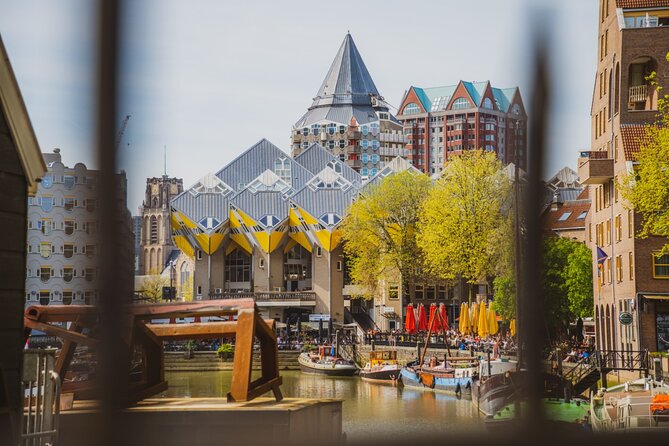
The tour moves to Oude Haven, the old harbor—described as one of the oldest harbors in the Netherlands and also cozy. From here, you get a great view toward the cube houses, which the tour treats like a near-term destination you can spot and then walk into.
Oude Haven is where Rotterdam can feel unexpectedly gentle. The harbor setting gives you a softer pace, and it helps break up the heavier WWII stops. If it’s a clear day, the water reflections can be excellent for quick photos.
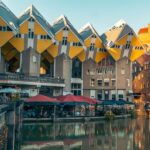
Then comes the signature architectural surprise: Kubuswoningen and the cube houses street around Overblaak. The tour explains the why and how of the architecture and describes walking through the “concrete forest” toward the market square.
Even if you only pass through the exterior streets, you’ll understand what makes cube houses different: they don’t just look odd; they represent a design problem-solving approach. Your guide ties that design idea back to the city’s overall habit of reinventing itself.
Markthal finish: the modern Sistine Chapel comparison (and where to go next)
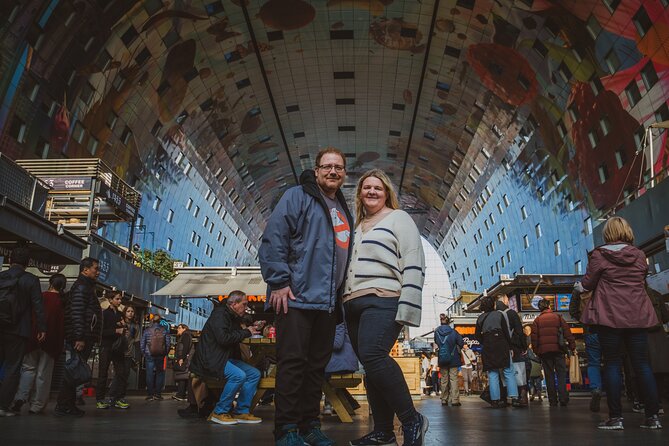
Your tour ends inside Markthal at the Market Hall. The finish matters because it changes the mood from walking and learning to eating and exploring.
Markthal is described as a modern indoor market with lots of food and color—called a modern Sistine Chapel in the tour. The guide also gives an explanation of why it’s famous and what to notice inside.
A practical bonus: after the tour, you can visit the Markthal and enter a demo cube house on your own. The guide provides advice for where to go and what to visit next, which is especially useful if you’re trying to turn this tour into a full day plan.
If your feet are tired, this is a good place to stop anyway. You’ll be able to eat, browse, and slow down without needing to transfer to another transit stop.
Price and pacing: is $49.60 good value?
At $49.60 per person for a 2 to 3 hour guided walk, this is positioned as a practical introduction to Rotterdam—especially if it’s your first or second day in the city.
Here’s why I think it’s fair value:
- You cover a lot of high-recognition sights in one go: Erasmus Bridge, Witte Huis, Oude Haven, cube houses, and Markthal.
- WWII context is integrated, not separated. That’s the difference between a skyline tour and an understanding tour.
- It’s a small group (max 15), which improves the quality of the experience more than you’d expect at this price point.
- The guide uses photos to show how places changed through WWII, so you’re not just listening—you’re visually tracking the city’s before/after.
The pacing is also a major selling point. Several people describe the tour as never dragging, even when the time felt like it went quickly because there was always something to see and connect.
If you’re the type who likes to roam on your own for hours, you might wish the walk was longer. But for an orientation tour that sets you up for the rest of your trip, the length is a strength.
Who this walk suits best (and who might want a different plan)
This is a great fit if:
- you like architecture with a story instead of architecture as pure sightseeing
- you want WWII context that explains why the city rebuilt the way it did
- you enjoy walking tours that are fast enough to cover ground but structured enough to avoid wandering aimlessly
- you want insider tips at the end, with Markthal as a convenient place to eat
It might be less ideal if:
- you hate walking in the city center (it’s designed for a continuous stroll)
- you’re only looking for casual photo stops and don’t care about historical context
- you’re traveling on a tight schedule where you can’t spare a 2–3 hour block
Practical advice before you go
- Do this early in your Rotterdam trip if you can. It helps you understand what you’ll see later without turning every landmark into a research project.
- Bring layers. Rotterdam weather can shift, and the experience notes good weather is important.
- Wear shoes you trust. The route is compact, but you’ll still be on foot for the full loop.
- Plan your next meal around the finish in Markthal. Ending inside a food hall makes it easy to keep the day going without extra logistics.
Should you book this Rotterdam Walk?
Book it if you want an efficient, street-level way to understand Rotterdam’s identity—where the river, the skyline, and WWII history connect. The combination of major landmarks, cube-house architecture, and a Markthal finish is exactly the kind of structure that makes a first visit click.
Skip it or choose a different style if you’re not interested in WWII context, or if you’re hoping for a slower, museum-heavy day. But if you like guides who bring the city alive with photos and clear, local storytelling, this walk is a smart use of a half day in Rotterdam.
FAQ
How long is the Rotterdam Walk tour?
It runs about 2 to 3 hours.
What’s the price per person?
The price is $49.60 per person.
Is the tour in English?
Yes, the tour is offered in English.
How large is the group?
The tour has a maximum of 15 travelers.
Where do we meet, and where does it end?
You start at Vaimoo deelfietsstation MelkkoppadMuseumpark 20, 3015 CX Rotterdam and end inside Markthal at Verlengde Nieuwstraat, 3011 GX Rotterdam.
What are some of the main stops?
Key stops include Depot Boymans Van Beuningen, Nieuwe Werk, Erasmusbrug, Maritiem Museum Rotterdam, Square 1940 with The Destroyed City, Witte Huis, Oude Haven, Kubuswoningen, and Markthal.
Is admission included for the stops?
The listed stops show free admission ticket for each part of the itinerary.
Is a mobile ticket used?
Yes, it’s listed as a mobile ticket.
Does the experience allow service animals?
Yes, service animals are allowed.
What should I know about weather?
The tour requires good weather. If it’s canceled due to poor weather, you’ll be offered a different date or a full refund.