REVIEW · RIO DE JANEIRO
Rio de Janeiro: Little Africa Heritage Walking Tour
Book on GetYourGuide →Operated by Sou Mais Carioca · Bookable on GetYourGuide
Samba has a street address. This 150-minute heritage walk through Rio’s Little Africa brings the port-side story of African life into focus, including the legend of samba starting in the streets. Along the route, you’ll hear how history, music, and everyday Rio became linked.
What I love most is the rooftop pause for views over Mauá Square and Guanabara Bay. I also love how the tour doesn’t treat music as a side topic; it treats places like Pedra do Sal as historical anchors for Afro-Brazilian culture.
One practical consideration: this is a long stretch of outdoor walking (rain or shine), so you’ll want to come ready for heat, sun, and uneven sidewalks.
In This Review
- Key things that make this tour worth your time
- Why Little Africa matters when you’re in Rio
- Starting at Museu de Arte do Rio: set the story before you walk
- Rooftop views at Rio Art Museum: Mauá Square and Guanabara Bay
- Morro da Conceição and Largo da Prainha: walking history with food in mind
- Mercedes Baptista: Afro dance history you can point to
- Pedra do Sal: where samba was born, and why the neighborhood is old
- Valongo’s weight: Jardim Suspenso do Valongo to Cais do Valongo
- 150 minutes on foot: what to pack and how to handle the weather
- Price and value at about $40: what you’re really buying
- Who this tour suits best (and who should skip it)
- Should you book the Rio Little Africa Heritage Walking Tour?
- FAQ
- What’s the duration of the Rio de Janeiro: Little Africa Heritage Walking Tour?
- Where do I meet the guide?
- Is hotel pickup included?
- What language is the tour offered in?
- Will the tour run in bad weather?
- What should I bring?
- Is the tour suitable for young children?
- What’s included in the price?
- Can I cancel for a refund?
- Can I reserve without paying right away?
Key things that make this tour worth your time
- Rooftop briefing at Rio Art Museum with panoramic views of Mauá Square and Guanabara Bay
- Little Africa port history explained in the colonial-to-freed-slaves transition that shaped the neighborhood
- Largo da Prainha stop focused on African influence on Brazilian gastronomy
- Mercedes Baptista statue honoring a pioneer of Afro-Brazilian dance, including her connection to the Municipal Theater
- Pedra do Sal as samba’s birthplace in Rio’s oldest continuously-inhabited Black neighborhood
- Valongo end points at Jardim Suspenso do Valongo and Cais do Valongo for context you can feel in place
Why Little Africa matters when you’re in Rio
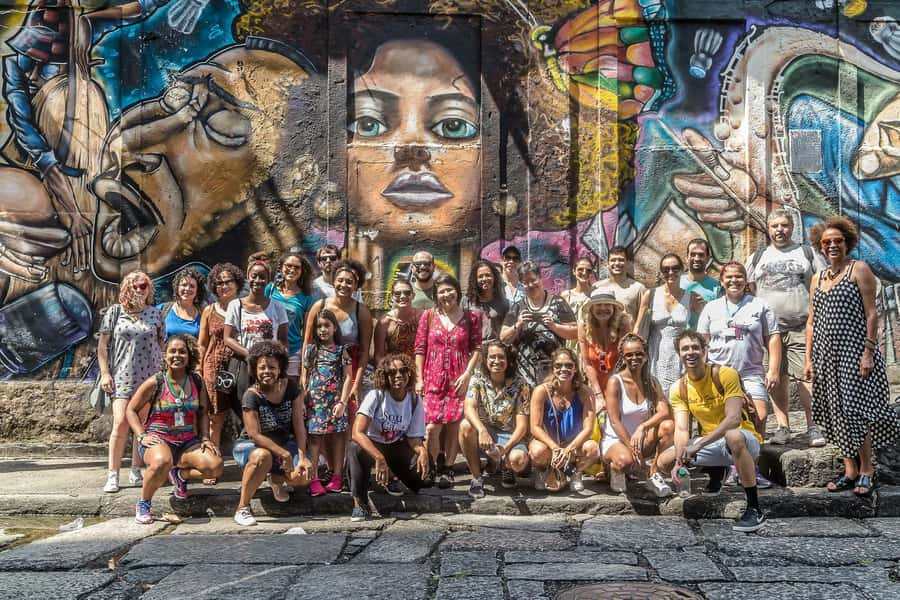
Rio can feel like it’s all about postcard moments: beaches, mountains, carnival energy. This tour puts a different layer under that. You’ll learn how the port area of Rio became known as Little Africa and why that name matters beyond a catchy phrase.
You start with the big picture from the colonial period, then zoom in on what happened after the slave trade became illegal in Brazil. Freed people stayed working in the area, and over time the neighborhood grew into a cultural engine—music, dance, food traditions, and community life.
And here’s the part I think you’ll appreciate: the route links culture to geography. Instead of thinking samba or Afro-Brazilian dance as abstract art, you see why specific streets and corners carry meaning. That makes your Rio experience feel grounded, not just dramatic.
You can also read our reviews of more walking tours in Rio De Janeiro


Starting at Museu de Arte do Rio: set the story before you walk
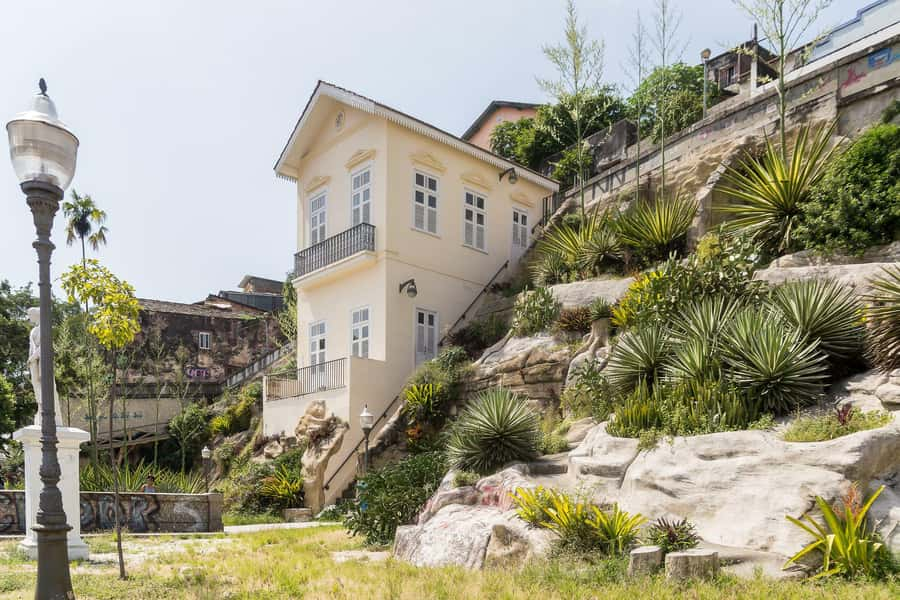
The tour meets at Museu de Arte do Rio, with the guide standing in front of the museum. Give yourself a little buffer—arrive about five minutes early—because the guide can wait only 15 minutes if you’re delayed.
Before the walking really starts, you get an important orientation tied to Brazil’s colonial period. This isn’t random lecturing. It’s the foundation that makes the port neighborhood stops make sense later, especially when the conversation turns to slavery, freed communities, and cultural survival.
There’s also a short break time (10 minutes) at the museum area. That’s not just comfort; it helps you stay sharp for the outdoor part that follows.
If you get Luana as your guide, for example, the tour style tends to be storytelling-forward and personable. People mention her enthusiasm and kindness, including practical gestures like waiting briefly to help someone get their ride at the end.
Rooftop views at Rio Art Museum: Mauá Square and Guanabara Bay
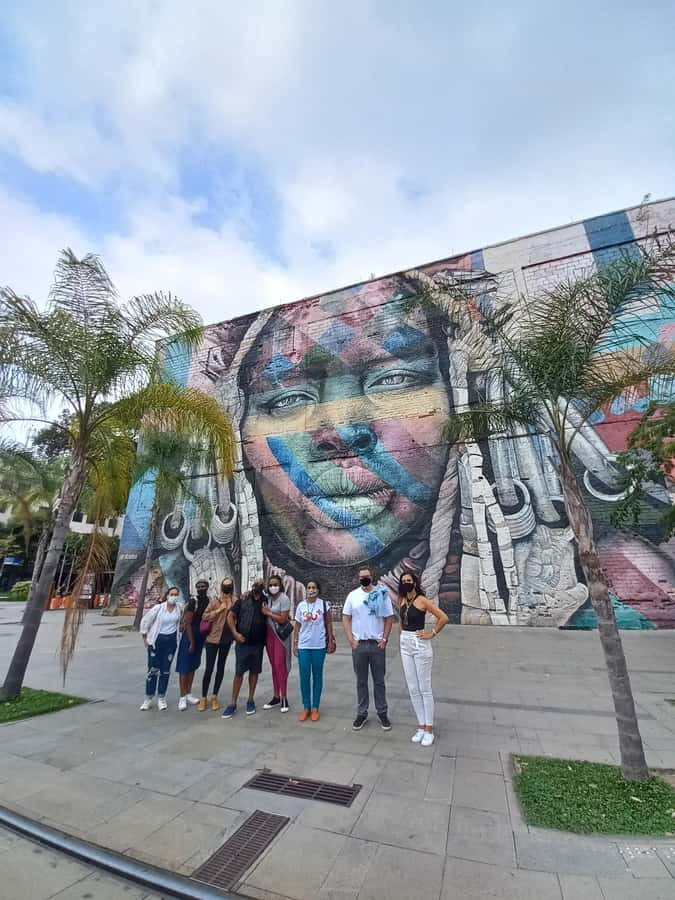
Right after you’re warmed up with the historical framing, you’ll get a brief rooftop moment from the Rio Art Museum. This is where the port story meets the skyline.
From up there, you can take in Mauá Square and Guanabara Bay while the guide connects what you see to what you’ll walk through. It’s a smart pacing move. You don’t just hear about a port district—you see the setting that shaped movement, work, and community.
This stop also helps you get your bearings fast. When you later reach the older streets and port-adjacent sites, the area stops being a blur and becomes a route you understand.
Morro da Conceição and Largo da Prainha: walking history with food in mind
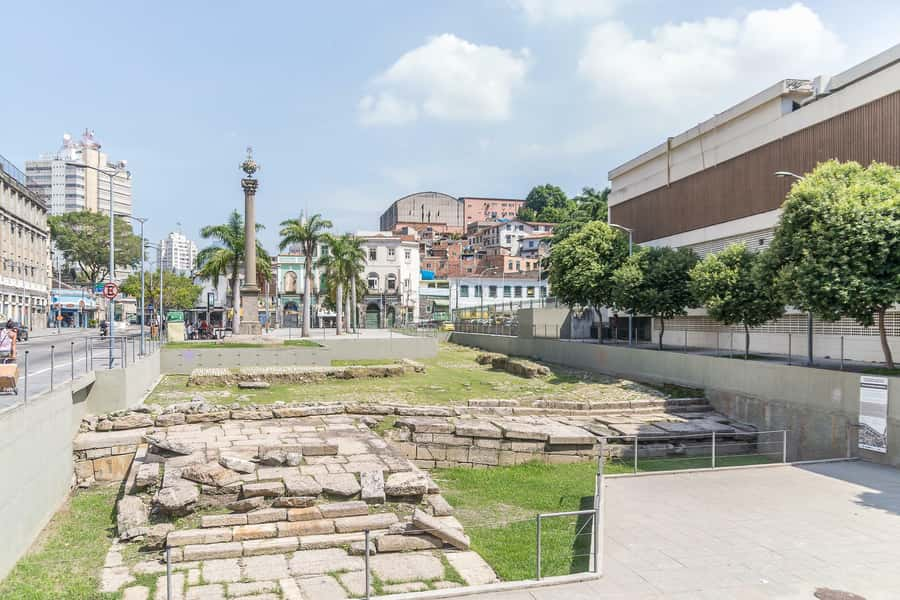
After the museum, you head toward Morro da Conceição. This is a guided walk segment that helps you feel the neighborhood as more than a list of landmarks. Even on a short segment like this, you’re learning how different parts of the port zone connect.
Then comes Largo de São Francisco da Prainha, where the focus shifts. You’ll learn about the African influence in Brazilian gastronomy, which is a great change of pace. Food is one of those cultural bridges that can turn heavy topics into something more human and everyday.
A useful way to think about this stop: gastronomy isn’t only recipes. It’s also knowledge passed down, techniques preserved, and ingredients and tastes shaped by real lives. When the guide ties food culture to African heritage, you leave with a clearer sense of why Rio tastes the way it does.
Mercedes Baptista: Afro dance history you can point to
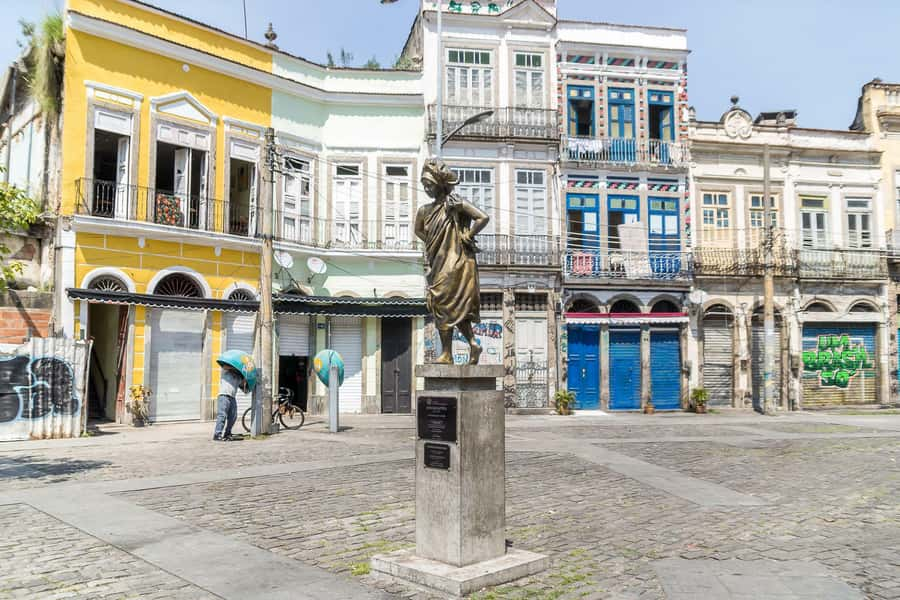
Next, you’ll see a statue erected in honor of Mercedes Baptista. The guide explains her role as a forerunner of Afro dance in Brazil and highlights that she was the first Black dancer at the Municipal Theater in Rio de Janeiro.
This matters because it connects two things that often get separated: street-level cultural roots and institutional stage history. The tour doesn’t treat Afro-Brazilian dance as a footnote. It shows how performers and cultural leaders broke barriers in very specific places and systems.
In practice, this stop is also a pause where you can process what you’ve already learned. If you’re pairing this with other Rio sights later, you’ll notice dance and music references show up in your day-to-day walking—suddenly they have lineage.
Pedra do Sal: where samba was born, and why the neighborhood is old
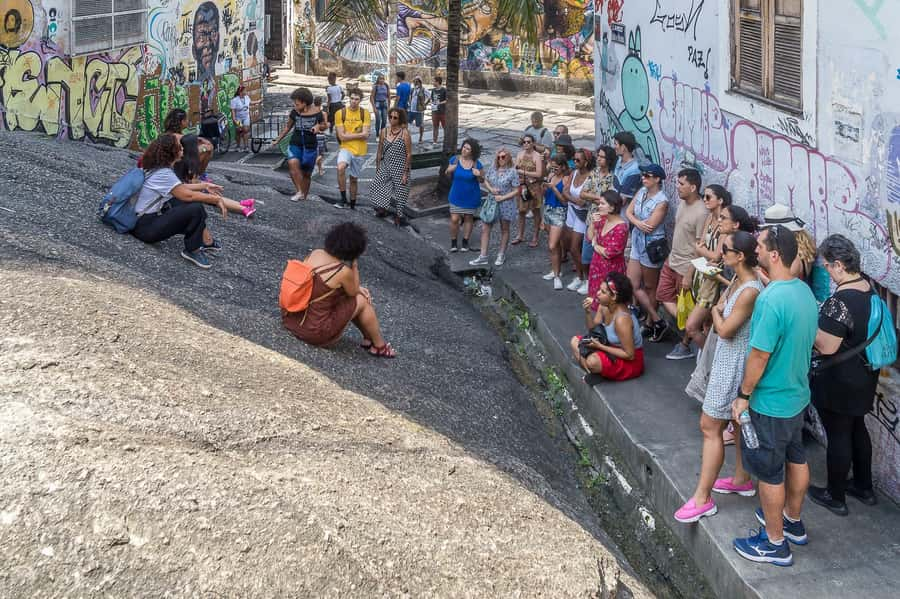
The centerpiece for many people is Pedra do Sal, described as the place where samba was born. You’ll also learn that this area is the oldest continuously-inhabited Black neighborhood in Brazil.
That combination—samba plus longevity—changes how you interpret the site. It’s not just a story about origins of a style of music. It’s about community staying power through time, through oppression, and through social change.
Also, don’t rush past the details here. This is one of those spots where small observations make your explanation land harder: the atmosphere, the street corners, and the way the guide frames local identity.
If you’re the kind of person who likes asking questions, this is often where the guide conversation can get more interactive. Several guides are praised for balancing sensitivity with humor and for being patient with questions—so bring your curiosity.
Valongo’s weight: Jardim Suspenso do Valongo to Cais do Valongo
Near the end, the tour moves into Jardim Suspenso do Valongo (the Hanging Garden of Valongo) and finishes at Cais do Valongo. This part shifts the emotional tone. It’s still within a walking-tour format, but the history hits differently here.
The guide uses these stops to connect the legacy of the Valongo port to how Brazil’s population and culture developed. Even when you’re not a history expert, you can usually tell that this section is designed to make you slow down.
A good strategy: let the guide’s phrasing do its job. Don’t try to mentally sprint to the next location. If you take in the meaning first, the final port stop feels less like a checkbox and more like context you’ll carry.
150 minutes on foot: what to pack and how to handle the weather
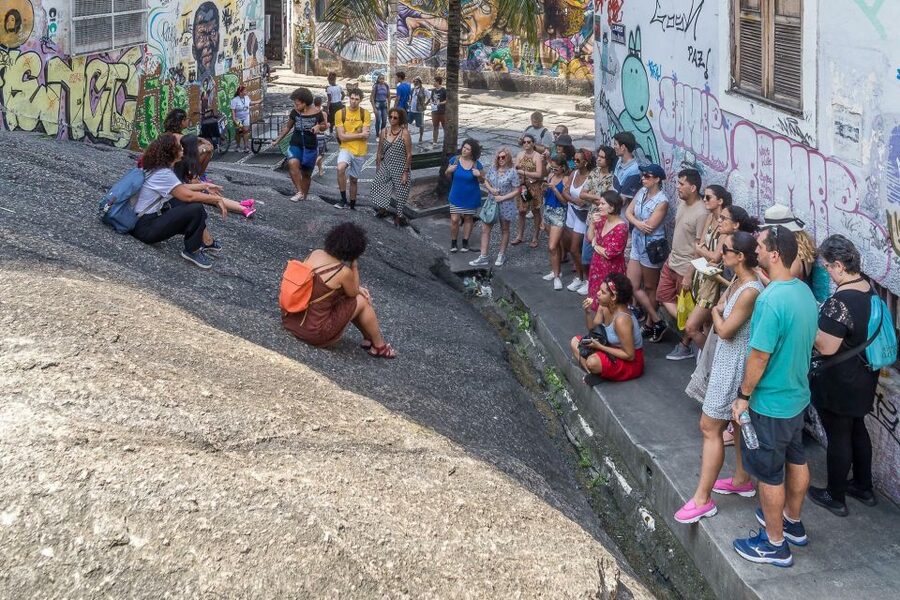
This tour is 150 minutes total and runs rain or shine. That’s why your packing matters more than you might expect for a city walk.
Bring:
- Comfortable shoes (real walking, not museum slippers)
- Water
- Sunscreen
- Comfortable clothes
Even if you’re visiting in cooler months, you’re still moving for a long stretch and stopping for guided explanations. Plan to stay hydrated and take your time at photo stops. The rooftop and street-level segments are different kinds of sun exposure.
Also note that the tour is offered only in English. If you speak Portuguese, you might still find it useful to learn a few key terms for what the guide is saying, but you won’t be relying on translation to understand the main points.
Price and value at about $40: what you’re really buying
At $40 per person, this tour sits in the mid-range for a guided walking experience, and the value comes from focus. You’re not paying for bus rides or attraction tickets. You’re paying for a guide who can connect multiple sites into one human story.
Two things drive the cost-to-value ratio here:
- You get structure: history framing at the start, then themed stops (views, gastronomy, dance, samba origins, Valongo port sites).
- You get interpretation: the guides aren’t only naming places; they explain why those places matter.
You’ll also get practical help from a human guide. Many comments highlight guides who are patient, kind, and willing to answer questions, plus solid Rio recommendations after the tour. That kind of follow-through is hard to price, but it can matter on a tight itinerary.
If you’re debating this versus a generic city walk, I’d lean toward this one if your goal is to understand Rio beyond the obvious. You’ll leave with a different lens, not just a list of sights.
Who this tour suits best (and who should skip it)
This works best if you want cultural context and you’re comfortable with history that can be heavy. The tour covers slavery-era realities, racial dynamics, and how culture survived and transformed.
It’s not ideal for very young kids: it’s not suitable for children under 5. And if you hate outdoor walking, you may find the 2.5-hour format tough because it’s held rain or shine.
You’ll also enjoy it more if you like asking questions or you want a guide who can handle sensitive topics with care. Several guides are specifically praised for discussing serious themes thoughtfully, with a balance of seriousness and lightness that keeps the tour engaging.
Should you book the Rio Little Africa Heritage Walking Tour?
Yes—if you care about the story underneath the postcard. This is the kind of tour that makes the city feel legible: you can look at Rio and understand how African heritage shaped neighborhoods, music, dance, food, and community identity.
Book it especially if:
- You want a meaningful use of a short window in the center of Rio
- You’re interested in the link between samba origins and place-based history
- You like guided interpretation more than solo sightseeing
Skip it if you need a laid-back, minimal-walking outing, or if you’re unwilling to spend 2.5 hours outdoors in mixed weather. Otherwise, I think this is one of the smartest ways to turn a few hours in Rio into understanding you can feel.
FAQ
What’s the duration of the Rio de Janeiro: Little Africa Heritage Walking Tour?
The tour lasts 150 minutes.
Where do I meet the guide?
Meet in front of Museu de Arte do Rio. Arrive about 5 minutes early.
Is hotel pickup included?
No, hotel pickup and drop-off are not included.
What language is the tour offered in?
The tour is offering English only.
Will the tour run in bad weather?
Yes. The tour takes place rain or shine.
What should I bring?
Bring comfortable shoes, sunscreen, and water, plus comfortable clothes.
Is the tour suitable for young children?
It is not suitable for children under 5 years old.
What’s included in the price?
A live English or Portuguese-speaking tour guide is included.
Can I cancel for a refund?
Yes. Free cancellation is available up to 24 hours in advance for a full refund.
Can I reserve without paying right away?
Yes. You can reserve now and pay later.