REVIEW · RIO DE JANEIRO
Rio De Janeiro: Half-Day Rocinha Favela Walking Tour
Book on GetYourGuide →Operated by LOCAL55 TRAVEL · Bookable on GetYourGuide
Rocinha stops being a headline on foot. This half-day walk into Rio’s biggest favela is built for respect and real conversation, not gawking, and it also gives you panoramic city views when the streets open up. You’ll spend three hours moving through narrow lanes with local hosts who explain how Rocinha works day to day, while cutting through the worst stereotypes.
I love the way the tour uses small-group walking instead of a “drive-through” format. In multiple stories, guides like Wellington, Alberto, and Daniel are described as people who know Rocinha from the inside, which makes the history feel personal rather than like a lecture.
One drawback to plan around: this is physically demanding. You’ll be dealing with tight alleys and stairs in Rocinha, and it’s not recommended if you have knee problems, mobility limits, recent surgery, or if you fall into the tour’s stricter age/weight cutoffs.
In This Review
- Key Things That Make This Rocinha Tour Worth Your Time
- Rocinha on Foot: Why Walking Changes Everything
- Starting in Copacabana: The Meeting Point You Should Not Miss
- Respect, Safety, and the Real Meaning of Visiting “In Context”
- The Walk Through Narrow Alleys and Stairs (Yes, It’s a Real Workout)
- The Viewpoint Stop: Rio’s Scale Shows Up Fast
- Capoeira With Local Kids: Culture You Can Watch, Not Just Read
- Learning Rocinha’s History Without the Lecture Feeling
- The “$35” Question: Does the Price Make Sense?
- Which Type of Traveler Will Love This (and Who Might Skip)
- A Quick Reality Check: What to Bring and What to Expect
- Should You Book the Rio De Janeiro Half-Day Rocinha Walking Tour?
- FAQ
- Where do I meet for the tour?
- How long is the Rocinha walking tour?
- What does the $35 price include?
- Is food or drinks included?
- What languages are the guides available in?
- What should I bring?
- Is the tour suitable for people with mobility issues?
- Can I cancel, and what’s the timeframe?
Key Things That Make This Rocinha Tour Worth Your Time
- Small-group walking with local hosts instead of a jeep “zoo” style ride
- A safety-focused approach that replaces fear with common sense and trust
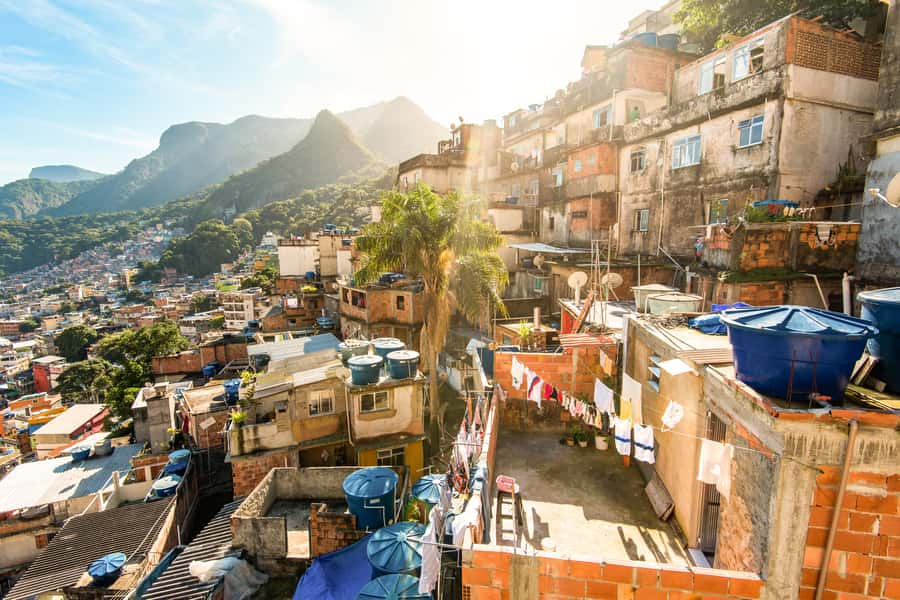
- Rocinha’s day-to-day reality through history, social issues, and lived experience
- City views from inside the favela, including a viewpoint stop (often mentioned as Novo Visual Rocinha)
- Capoeira culture you can actually see, often involving local kids and a school visit
- A community contribution included in the tour price
Rocinha on Foot: Why Walking Changes Everything

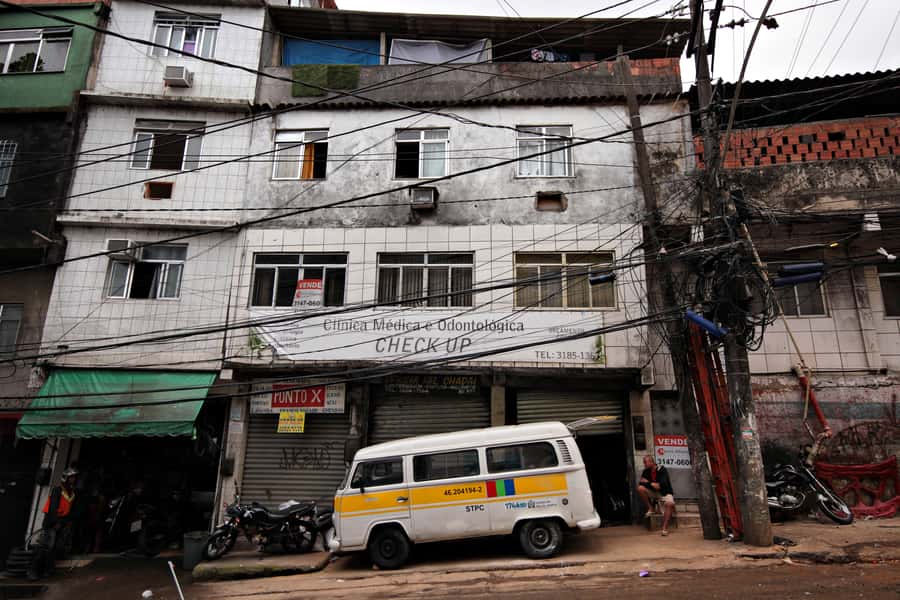
The biggest shift with this tour is simple: you’re not looking at Rocinha from a vehicle window. You’re walking the streets with a guide who can point out what outsiders usually miss—how people navigate the neighborhood, where community life happens, and how the place is shaped by both pride and ongoing challenges.
That matters because Rocinha is often treated like a movie set or a danger zone in the way it gets talked about. On this tour, you’re encouraged to see it as a living neighborhood. You’ll learn about Rocinha’s size and its place in Rio’s story, including why so many people outside Brazil only connect favelas with sensational headlines.
And yes, you still get the “Rio wow” factor. As the route moves uphill and through tighter areas, you’ll reach points with serious city views. It’s a reminder that Rio’s extremes can sit side by side, and both deserve to be understood.
You can also read our reviews of more walking tours in Rio De Janeiro

Starting in Copacabana: The Meeting Point You Should Not Miss

You meet at Belmond Copacabana Palace Hotel, at 13:25 (1:25 pm). The address is Av Atlantica 1702, Copacabana. Look for the Journalist Ibrahim Sued statue in front of the main entrance and wait by that spot on the same sidewalk.
This is one of those details that saves time later. Copacabana is busy, and being five or ten minutes late can mean you’re hunting your group while everyone else is already moving. If you’re coming from the beach or your hotel lobby, I’d build in extra buffer so you’re standing at the statue before the start time.
Also note the tour is about three hours long. So plan to treat it as a focused block in your afternoon, not something you stack with a lot of extra stops right after.
Respect, Safety, and the Real Meaning of Visiting “In Context”
The tour’s whole pitch is respectful and non-intrusive. That theme isn’t just marketing language here; it shows up in the way the experience is designed. You’re in small groups, moving at walking pace, and paired with local English-speaking guides and favela hosts who share stories and history without turning residents into props.
Safety is handled through the basic stuff done well: you’re guided through routes at walking scale, with people who know how to navigate the day. In the feedback, visitors repeatedly say they felt safe the entire time—sometimes even more comfortable than they felt in other parts of Rio at their own pace. That doesn’t mean you drop your common sense, but it does mean the tour is built to reduce awkwardness and panic.
What you’ll learn goes beyond “what happened” and into “how life works.” The guide explains social and economic challenges, but the emphasis stays on the human side: work, family routines, community rules, and the reality of how Rocinha functions.
The Walk Through Narrow Alleys and Stairs (Yes, It’s a Real Workout)

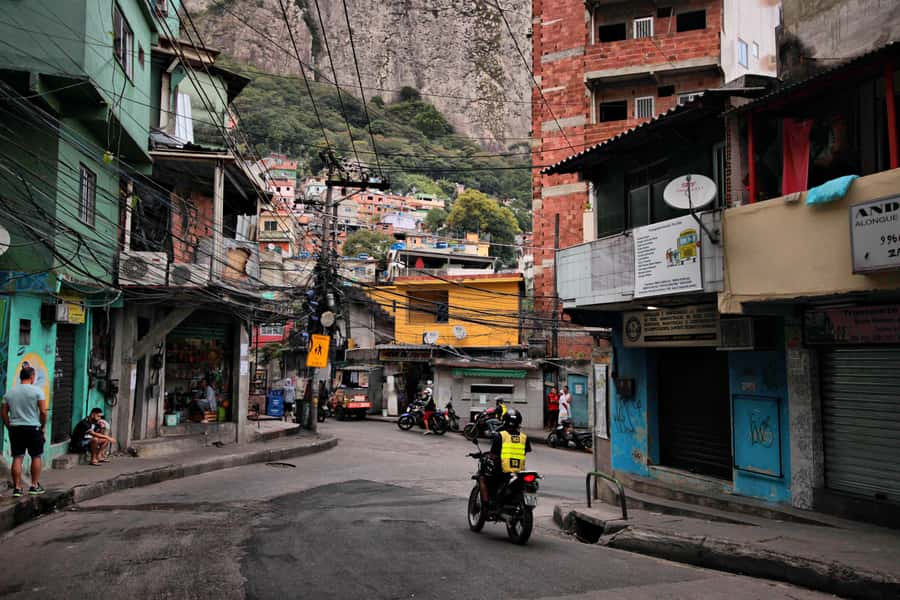
This tour is described as involving narrow alleys and stairs, and you should take that seriously. Even if you’re fit, expect uneven footing and changes in elevation. Most visitors handle it fine, but this isn’t ideal if you have knee issues, mobility impairment, or you’re recovering from surgery.
What to do before you even step out the door:
- Wear comfortable shoes with good grip.
- Bring a camera if you want to capture viewpoints and street scenes.
- Dress for walking; you’re on your feet for around three hours.
If you’re traveling with limited mobility, this one may not work for you. The tour notes it’s not suitable for wheelchair users and lists strict age/weight limits. If you’re unsure, I’d treat that as a sign to choose a different format in Rio rather than hoping for the best on the day.
The Viewpoint Stop: Rio’s Scale Shows Up Fast
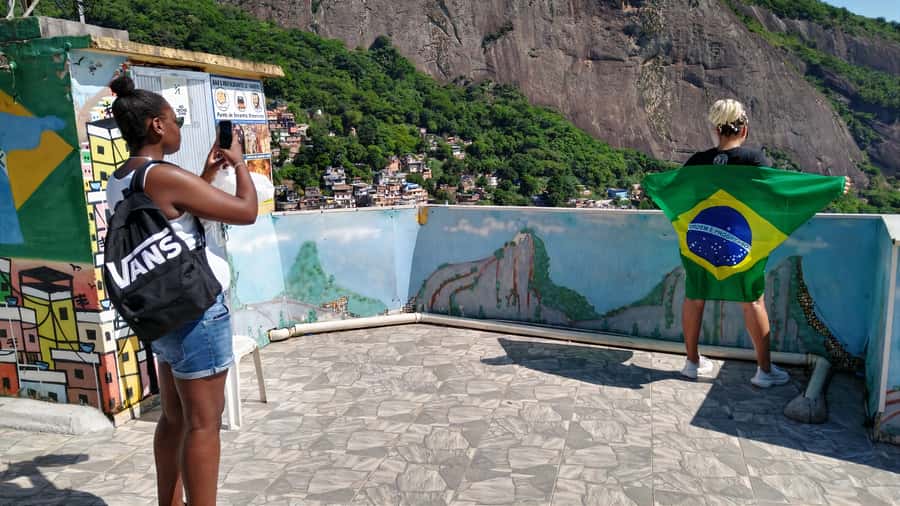
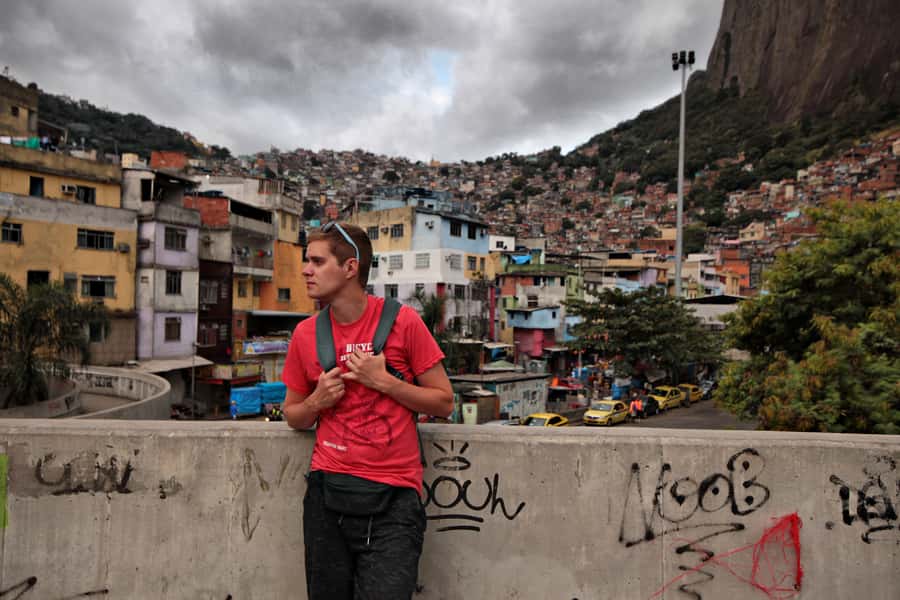
One of the most consistently mentioned highlights is the viewpoint experience, including the stop known as Novo Visual Rocinha. From there, you get the panoramic sense that makes Rio famous—mountains, neighborhoods, and the big visual contrast between “official” Rio and the areas that outsiders often ignore.
This is also where you may run into the tour’s first real “budget moment.” Some visitors mention that the viewpoint involves a required fee. Others add optional extras like a drone video for a separate cost. If you want photos or souvenirs, I’d bring some cash or card set aside so you’re not scrambling mid-tour.
The viewpoint stop is valuable even if you’re not a big photo person. It helps you understand the physical geography of Rocinha in relation to the rest of the city. When you’ve walked the steep lanes, the view turns your route into something you can actually picture on a map.
Capoeira With Local Kids: Culture You Can Watch, Not Just Read
Capoeira shows up in a big way. Many visitors describe stops at a capoeira school or a capoeira session that’s performed by local participants, often kids. This isn’t just background entertainment. It’s framed as something rooted in Brazilian life and passed through community training, music, and movement.
In the feedback, guides such as Diogo, Tiane, and others are associated with capoeira moments, and visitors often mention it as an emotional and fun highlight—plus a cultural learning layer that doesn’t feel like a staged tourist show.
A practical note: capoeira experiences may come with donations suggested or small participation expectations depending on the moment. If you care about doing this respectfully, I’d treat donations as part of the experience rather than an afterthought.
Also, if you want a more hands-on feel, some visitors note playing instruments and interacting during the capoeira portion. Even if you don’t know the basics, you’ll get a sense of the rhythm and the community value behind it.
Learning Rocinha’s History Without the Lecture Feeling
The best parts of this tour are the story segments—how the guide explains Rocinha’s origins, growth, and the social/economic challenges that shape daily life. Instead of a dry history rundown, it comes through in the details of how people live now.
Guides from the community (including people described as having lived in Rocinha for decades, like Alberto) are repeatedly praised for making the experience feel calm and trusting. That credibility isn’t just personal bragging. It changes what you notice. You start asking better questions about power, stability, work, and what residents consider normal.
You’ll also hear about how favelas get framed by outsiders. The tour explicitly targets the stereotypes that come from sensational headlines and from the way favelas are sometimes represented in film culture. By the end, you’re less likely to reduce Rocinha to one story type.
If you come in curious rather than cautious, this tour tends to hit harder. It gives you a new “lens” for understanding Rio’s social geography.
The “$35” Question: Does the Price Make Sense?

At $35 per person for a three-hour walking tour, this isn’t the cheapest thing you’ll do in Rio. But value here isn’t only time—it’s access and structure.
What’s included:
- A local guide
- The walking tour
- A monetary contribution to the favela community
What’s not included:
- Food and drinks
For me, that combination is the key. You’re paying for a guided route led by locals, plus a community contribution that’s part of the model. You’re also not paying for transport like a jeep. Instead, you’re paying for the ability to learn in context and move safely and respectfully on foot.
Where costs can pop up:
- A viewpoint fee is sometimes mentioned
- Optional purchases (like drone videos) can appear
- Capoeira portions may involve donations suggested
- If you stop for drinks, that’s on you since food and drinks aren’t included
If you go into it knowing it’s a learning-and-seeing tour, not a free meal tour, the price feels fair.
Which Type of Traveler Will Love This (and Who Might Skip)

This tour fits best if you:
- Want to understand Rio beyond the postcard version
- Like walking tours where you ask questions and talk to guides
- Care about seeing how communities work, not just taking photos
- Enjoy cultural stops like capoeira
It may not fit you if you:
- Need wheelchair access or struggle with stairs and uneven footing
- Have knee problems or are recovering from recent surgery
- Are traveling with kids under 6
- Fall into the tour’s strict age/weight limits (the info includes limits like over 75 years and over 130 kg, and also lists an additional weight threshold higher than that)
If you’re on the fence, consider your mobility first. This is not a gentle stroll.
A Quick Reality Check: What to Bring and What to Expect
You already know the shoes part, but here’s the quick practical version:
- Comfortable clothes
- Comfortable shoes
- Camera if you want to capture viewpoints and street scenes
What you should expect:
- A respectful visit with locals as the focus
- Walking through tight streets and stairs
- Stops that often include a viewpoint and capoeira activities
- Room to ask questions and hear personal stories
What you should not expect:
- Food or drinks included
- A low-effort experience if you’re sensitive to steep stairs
Should You Book the Rio De Janeiro Half-Day Rocinha Walking Tour?
If your goal is to understand Rocinha with context and dignity, I think booking makes sense. The strongest reasons are the same ones that keep coming up: felt safety, respectful handling, and guides who connect the story to lived experience. The capoeira stop and the viewpoint help turn the learning into something you can actually feel in your body, not just read about.
I’d only hesitate if mobility limits make stairs or uneven alleys a problem. Otherwise, go with the right mindset: quiet curiosity, respectful behavior, and comfortable shoes.
FAQ
Where do I meet for the tour?
Meet in front of Belmond Copacabana Palace Hotel at 13:25. The address is Av Atlantica 1702, Copacabana. Wait next to the Journalist Ibrahim Sued statue in front of the main entrance.
How long is the Rocinha walking tour?
The duration is listed as 3 hours.
What does the $35 price include?
The tour includes a local guide and the walking tour, plus a monetary contribution to the favela community.
Is food or drinks included?
No. Food and drinks are not included.
What languages are the guides available in?
The live tour guide is listed in Spanish, English, and Portuguese.
What should I bring?
Bring comfortable clothes, comfortable shoes, and a camera if you want photos.
Is the tour suitable for people with mobility issues?
No. The tour is not recommended for people with knee problems or mobility issues, and it is not suitable for wheelchair users.
Can I cancel, and what’s the timeframe?
Yes, there is free cancellation up to 24 hours in advance for a full refund.