REVIEW · PISA
Pisa: Guided Walking Tour with Optional Leaning Tower Ticket
Book on GetYourGuide →Operated by CAF Tour & Travel · Bookable on GetYourGuide
Pisa’s Field of Miracles is a fast, satisfying win. In about 1 to 1.5 hours, you get guided context for the Piazza dei Miracoli monuments and the famous tilt, plus optional time climbing the Leaning Tower.
I like that the tour is structured enough to make the square feel meaningful, not random photos. Two big wins: you’ll get the Cathedral interior with an included entrance fee, and you’ll hear your guide clearly thanks to early earphones. The main thing to weigh is that this is focused on the square—so if you want a broader Pisa city tour, you may feel a bit boxed in.
In This Review
- Key highlights at a glance
- Where Piazza dei Miracoli Fits Perfectly Into a Short Pisa Visit
- Meeting at Piazza del Duomo: How to Avoid the Common Start Confusion
- Cathedral Interior: Romanesque Architecture You Can Actually Understand
- Baptistery and Camposanto: The Square’s Best Side Trips
- Baptistery: Italy’s largest and built for sound and ceremony
- Camposanto: the quadrangular cloister that feels like a courtyard of time
- Leaning Tower Secrets: The Tilt’s Story Gets Explained in Plain Language
- Optional Leaning Tower Climb: 294 Steps and a Time Limit
- What Happens If the Cathedral Line Is Too Long
- Group Size, Language, and What the Tour Is Really Focused On
- Price and Value: Is $21 Worth It?
- Practical Tips Before You Go (So You Don’t Lose Time)
- Who should consider skipping the Tower climb
- Families and Age Rules for the Tower
- Final Call: Should You Book This Pisa Guided Tour?
- FAQ
- How long is the walking tour?
- Where is the meeting point?
- Is the Leaning Tower climb included?
- What’s included in the tour price?
- What if the Cathedral interior has long queues?
- How many steps are there to climb the Leaning Tower?
- How long can you stay at the top of the Leaning Tower?
- Are there age restrictions for the Leaning Tower?
- What should I wear to visit the monuments?
- Is this tour suitable for people with heart problems?
Key highlights at a glance
- Guided explanations inside the Cathedral, not just outside photo stops
- Earphones help you hear the guide even with heavy crowds
- Baptistery + Camposanto get their own time, not just a Tower dash
- Lean Tower history and the science of its tilt are part of the commentary
- Optional Tower ticket includes a climb up the spiral staircase
Where Piazza dei Miracoli Fits Perfectly Into a Short Pisa Visit
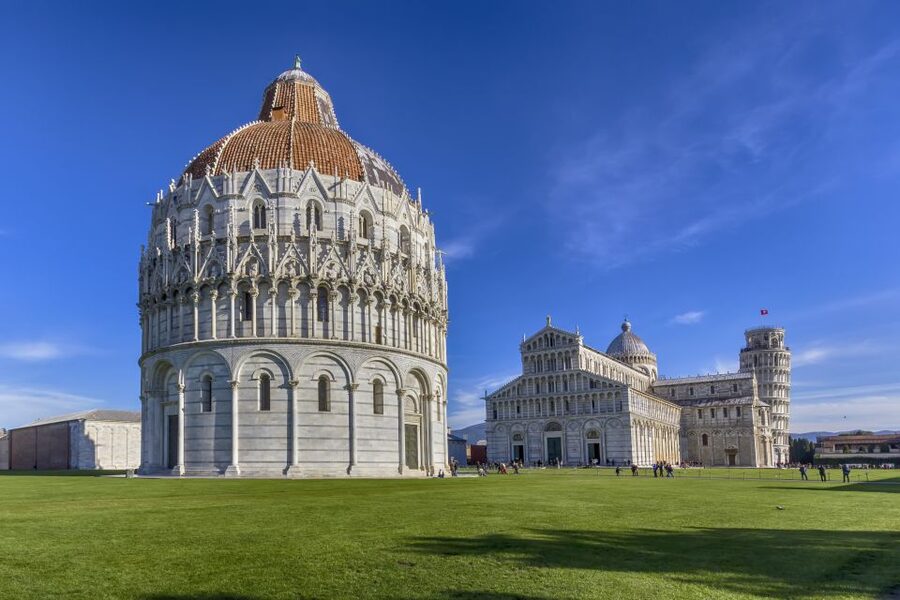
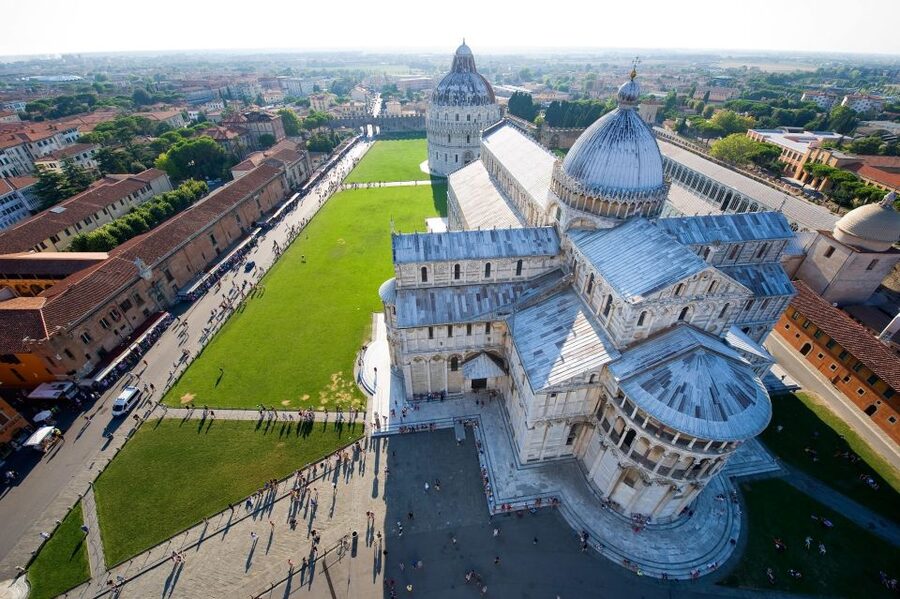
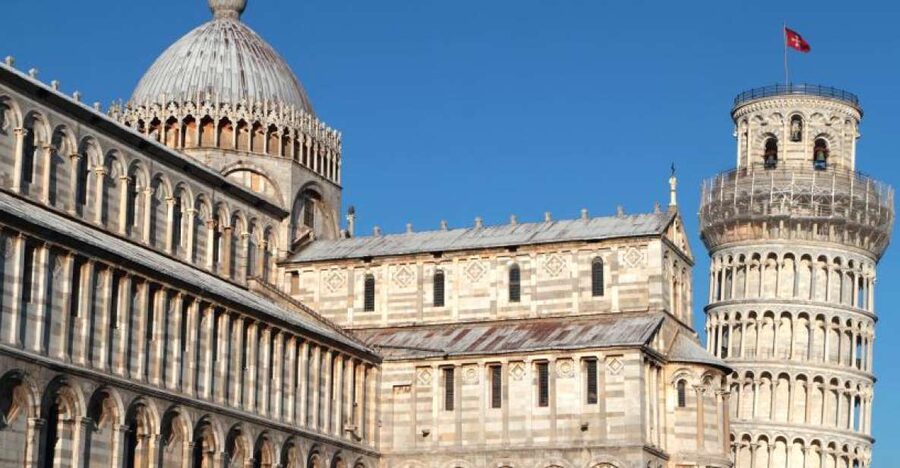
This tour makes sense for a quick stop in Pisa because the main action happens in one concentrated area: Piazza dei Miracoli. You’re walking in a compact loop around the Cathedral, Baptistery, Campo Santo, and the Leaning Tower area, so you spend less time figuring out where to go next and more time understanding what you’re seeing.
Also, the square has a built-in sense of drama. The monuments are arranged so your eyes keep returning to the Tower, while the Cathedral and Baptistery visually frame it. That matters because the Tower’s tilt isn’t just a postcard trick—it’s tied to the site’s subsoil stability, and the guide keeps bringing you back to that idea.
Meeting at Piazza del Duomo: How to Avoid the Common Start Confusion
You’ll meet at Piazza del Duomo, in front of the Sinopie ticket office (56126 Pisa). This is a good meeting point because it’s right in the right zone, but it can still be tricky in practice: the area is crowded, and the signage around a busy piazza can be easy to miss.
Here’s my practical advice: arrive early, stand near the Sinopie ticket office, and use your phone’s map location carefully. If there’s a lot of market activity around you, don’t assume the first matching marker is correct—use the exact landmark listed for the meeting spot.
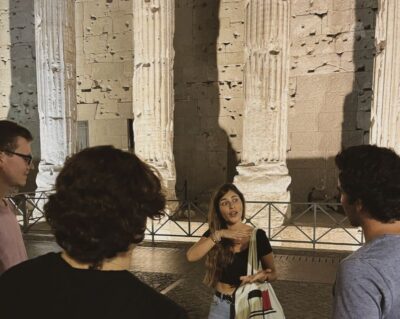
Once you’re grouped up, you’ll get earphones at the beginning of the tour. That small detail is a big deal in Pisa because the soundscape is chaotic: people, tour chatter, and street noise all make listening harder without them.
Cathedral Interior: Romanesque Architecture You Can Actually Understand
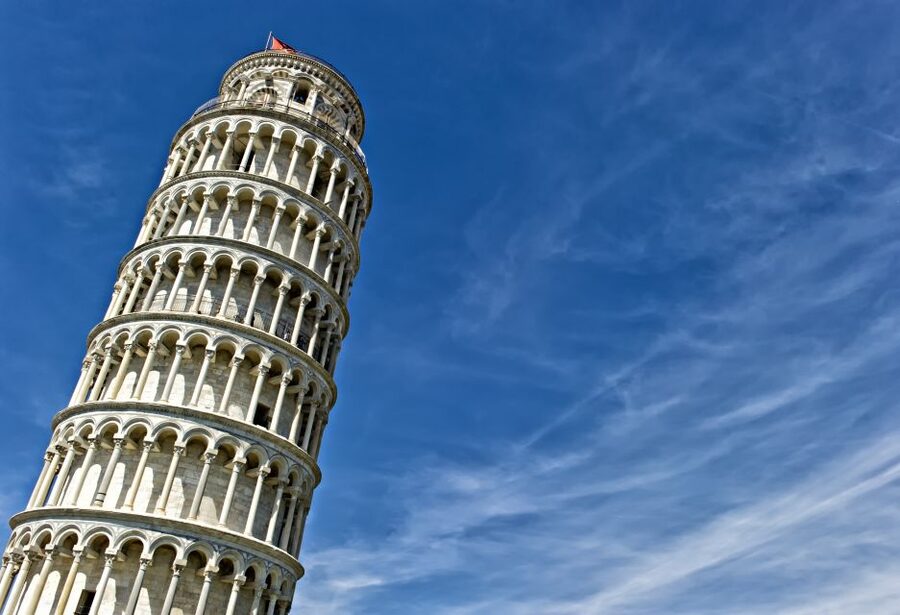
The Cathedral is the first major monument you’ll spend real time with, and the fact that the Cathedral entrance fee is included changes the feel of the experience. Instead of doing a quick glance from outside, you’re able to experience what makes the architecture distinctive, and your guide can point out features you would probably miss on your own.
This is also where the tour’s pacing matters. With a 1 to 1.5 hour timeframe, you don’t have time for wandering. The guide keeps you moving, but not rushing—enough time to absorb the interior before the focus shifts to the rest of the square.
One more practical note: access to places of worship has clothing rules. If you’re wearing shorts, bare shoulders, sandals/flip flops, hats, or sunglasses, entry can be forbidden. Plan your outfit around that and you’ll avoid the last-minute frustration of being turned away.
Baptistery and Camposanto: The Square’s Best Side Trips
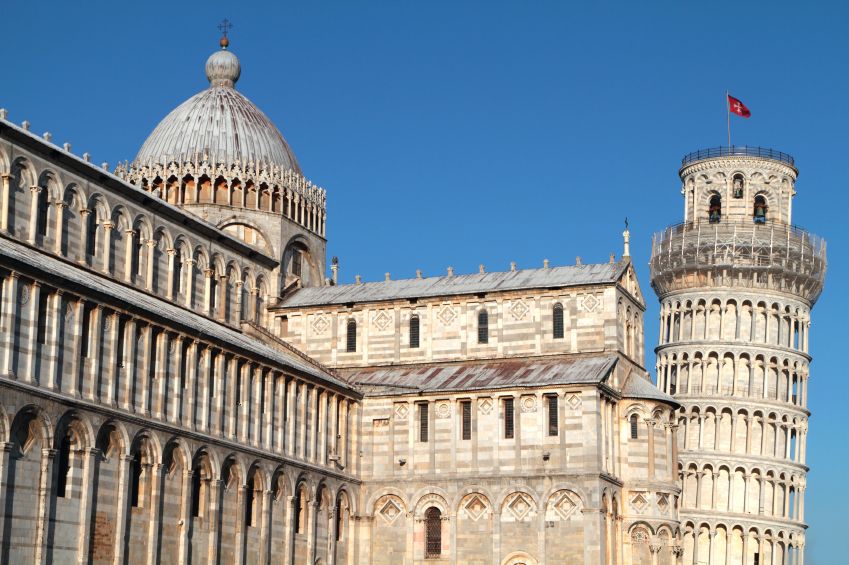
If you only think about the Leaning Tower, you’ll miss the deeper payoff of this tour. The itinerary gives you time with two other major monuments that many self-guided visitors skip or treat like a quick stop.
Baptistery: Italy’s largest and built for sound and ceremony
You’ll see the Baptistery, described as the largest Baptistery in Italy, with its distinctive round shape and surrounding columned arcades. The guide’s commentary is useful here because it connects the building’s form to what people would have experienced there—this isn’t just a pretty cylinder; it’s part of the religious life of the complex.
Camposanto: the quadrangular cloister that feels like a courtyard of time
Then there’s the Camposanto, originally a cemetery, and it’s presented as an extraordinary quadrangular cloister. Even if you don’t know the details going in, the structure and mood come through quickly: you get that in-between feeling of stone, enclosure, and reflection—very different from the Tower’s visual punch.
This section is also a good reason to book a guided walk rather than doing a fast loop alone. The guide explains what you’re looking at and why it matters inside the overall Field of Miracles concept.
Leaning Tower Secrets: The Tilt’s Story Gets Explained in Plain Language
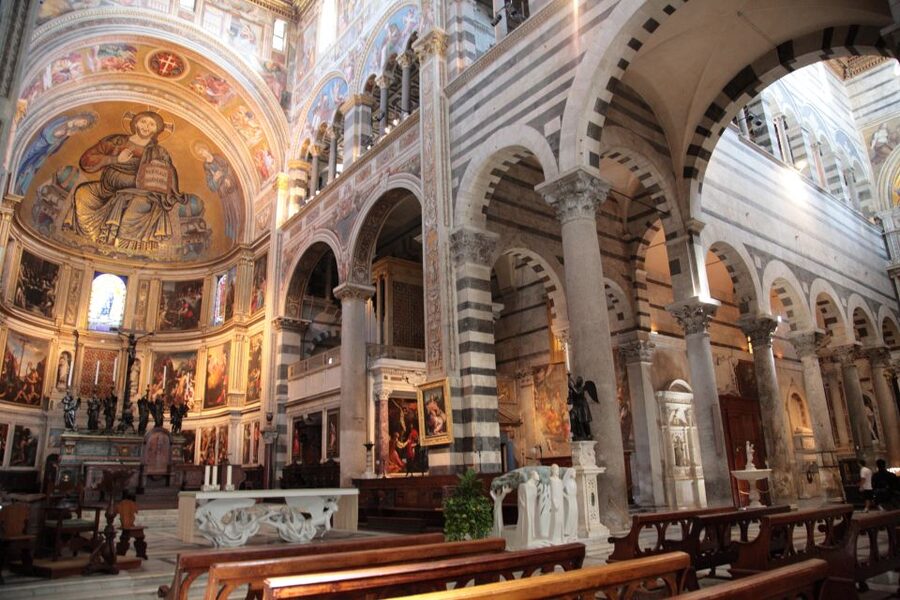
The Tower is obviously the headline, but the tour’s value is in how it’s explained. Your guide focuses on the Leaning Tower’s history and the reasons behind its tilt, including the effect caused by weak and unstable subsoil.
That’s the part that makes the Tower feel smarter than just an oddity. When you understand the why, the Tower turns into a real engineering and history lesson—and the famous angle becomes less about shock and more about survival of a structure built on a challenging foundation.
The guide also shares “secrets” and legends around the tower, which helps the experience feel alive rather than like a static stop. Guides are usually at their best here because they can mix factual context with story-style explanations without turning it into fluff.
And yes, the Tower is still the Tower. The viewing experience is instant, but the meaning clicks when your guide ties it to the larger monuments around it.
Optional Leaning Tower Climb: 294 Steps and a Time Limit
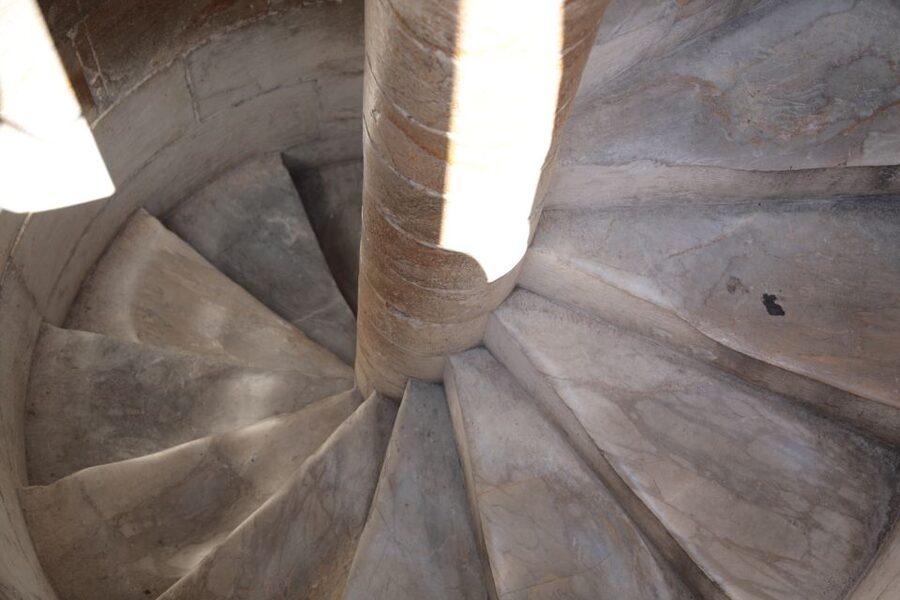
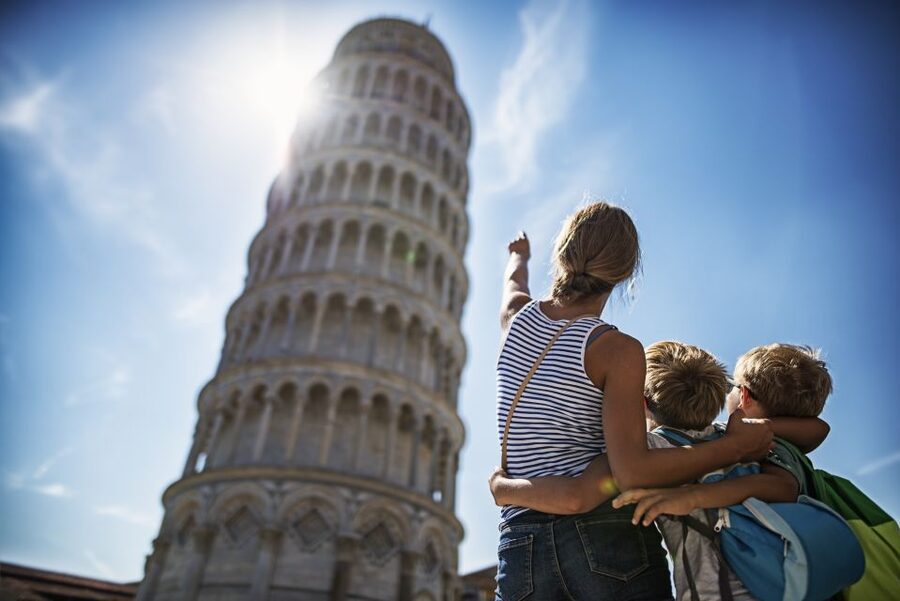
If you select the option for the Leaning Tower ticket, the tour becomes more than a walk—it becomes a personal experience. The climb includes about 30 minutes at the Tower, and there’s no extension allowed, so you should aim for a calm pace and follow instructions.
The walk up is physical. The spiral staircase has about 294 steps (roughly “as many as 300 steps” is how it’s often described), and the Tower visit requires effort. The rules specifically note that people with heart disorders or impaired health conditions should not visit.
From a traveler standpoint, that means:
- If stairs are a struggle for you, the viewing from ground level might be the better move.
- If stairs are fine, this optional climb is often the highlight because you get a new relationship with the angle and the architecture.
Also, plan for the timing. Tower entry lasts around 30 minutes, so don’t expect a leisurely wander at the top. You’ll climb, take in the views, and come down—exactly how you’d want a Tower climb to work inside a short trip.
What Happens If the Cathedral Line Is Too Long
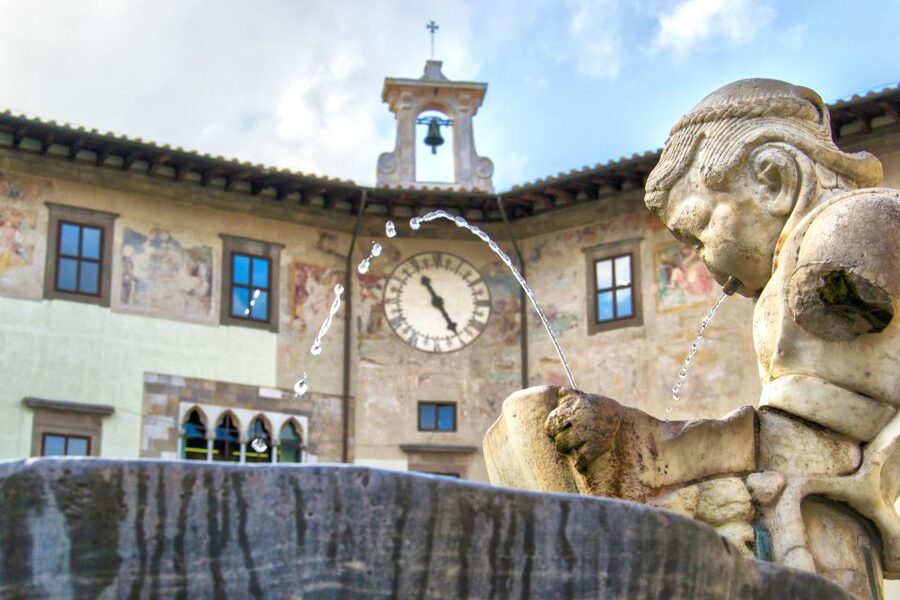
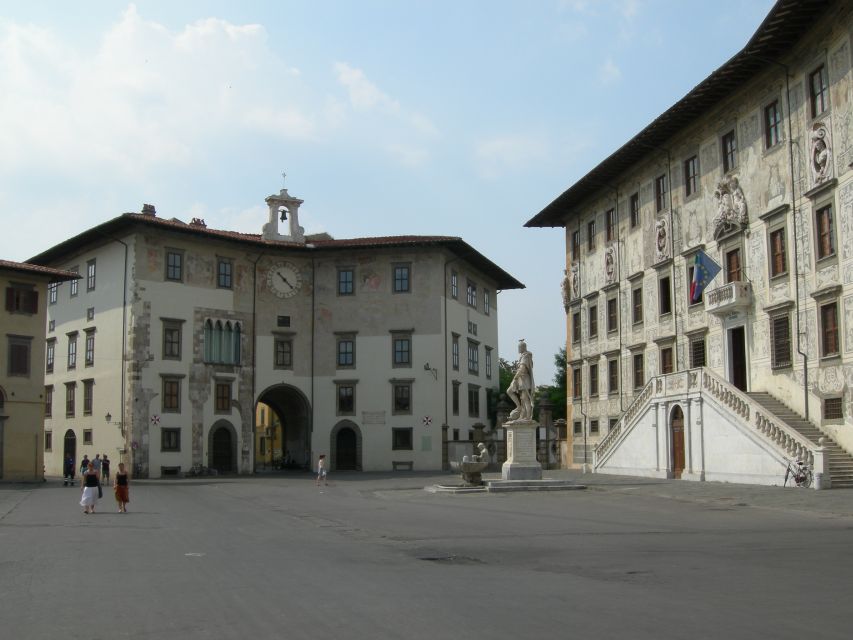
Pisa can be busy, and the tour notes a practical Plan B. If there are long queues and you can’t visit the Cathedral interior, you’ll be offered a guided visit of Piazza dei Cavalieri instead.
So the overall goal stays the same: guided context and structured time, even if the order shifts or the interior visit gets swapped.
Also note that the order of the visits may change. That’s normal with guided tours in crowded places. The key is that you’re still covering the core monuments tied to the Field of Miracles experience.
Group Size, Language, and What the Tour Is Really Focused On
This is designed as a small-group experience, and the tour runs in Spanish and English. You’ll also use earphones early on, which helps when groups overlap around the same viewpoints.
Here’s what I’d keep in mind when deciding if it fits you: this is mainly about the square. It’s not a wide-ranging “walk through the city” style tour. You’ll see the monuments that define the Field of Miracoli area, and that’s where the time goes.
That focus can be a plus. If you want clarity and a packed hit of the important landmarks in one concentrated area, it works. If you want stops scattered across town beyond the piazza complex, you’ll likely want additional self-guided time later.
Price and Value: Is $21 Worth It?
At $21 per person, the value really depends on what you plan to do anyway.
Here’s what’s included: a guide, assistance at the meeting point, Cathedral entrance fee, earphones, and the Leaning Tower entry ticket if you choose the Tower option. There’s no hotel pickup, so you’re responsible for getting yourself to Piazza del Duomo.
So if you’re already planning to enter the Cathedral and you like the idea of having someone explain what you’re looking at, this price can be very fair. You’re paying for guided pacing in a crowd-heavy area plus a real included attraction entry.
If you skip the Tower climb option, you’ll still get a strong guided experience focused on the complex. If you choose the Tower option, you’re also paying for a hands-on payoff: the climb and viewpoint experience that changes how you see the tilt.
Practical Tips Before You Go (So You Don’t Lose Time)
A few details matter in Pisa, especially in religious sites:
- Wear comfortable shoes. This is a walking-and-stairs day in a compact area.
- Skip sandals/flip flops, and also avoid shorts and clothing that exposes bare shoulders if you want trouble-free access.
- If you choose the Tower climb, respect the effort level. The spiral staircase is steep, and there’s a time window once you’re up.
- Keep your expectations realistic: the Tower visit is time-bound, and the climb takes energy.
Who should consider skipping the Tower climb
The tour makes it clear that the Tower climb isn’t for everyone. If you have heart problems or health limitations that make stairs risky, you’ll want to opt out of the climb. It’s not an “I’ll try anyway” situation—rules and safety are taken seriously.
Families and Age Rules for the Tower
If you’re traveling with kids, this part is important.
- Children under 8 aren’t permitted on the Tower.
- Children between 8 and 12 must be accompanied by a responsible adult and held by the hand at all times.
- Teenagers between 12 and 18 are allowed on the Tower only if accompanied by a responsible adult.
- Also, unaccompanied minors aren’t allowed, so factor adult supervision into your plan.
If your group includes younger kids or anyone uncomfortable with stairs, you can still do the guided square portion while skipping the climb.
Final Call: Should You Book This Pisa Guided Tour?
I’d book this tour if you want a time-efficient way to understand Pisa’s Field of Miracles without guessing your way through crowded monuments. The included Cathedral entrance and earphones make the experience feel practical, not just “look at this, next stop.” The optional Tower climb is worth considering if you’re comfortable with a steep stair climb and you want the angle from inside the experience.
I’d skip or at least reconsider if your priority is a broad city walk beyond Piazza dei Miracoli, or if stairs are a problem for anyone in your group—because the Tower climb is physically demanding and safety rules are strict.
If you want, tell me your travel month and whether you plan to add the Tower ticket. I can suggest how to time it so you spend less time stuck in queues.
FAQ
How long is the walking tour?
The duration is listed as 1 to 1.5 hours.
Where is the meeting point?
Meet at Piazza del Duomo, in front of the Sinopie ticket office (56126 Pisa).
Is the Leaning Tower climb included?
The Leaning Tower entry ticket (and the climb) is included only if you select the Tower option.
What’s included in the tour price?
It includes assistance at the meeting point, a guide, Cathedral entrance fee, earphones at the beginning of the tour, and Leaning Tower entry ticket if you choose the Tower option.
What if the Cathedral interior has long queues?
If you cannot visit the interior of the Cathedral due to long queues, you’ll be offered a guided visit of Piazza dei Cavalieri.
How many steps are there to climb the Leaning Tower?
The climb includes about 294 steps, described as roughly as many as 300 steps.
How long can you stay at the top of the Leaning Tower?
The visit lasts about 30 minutes and there is no extension.
Are there age restrictions for the Leaning Tower?
Yes. Children under 8 are not permitted. Children 8 to 12 must be accompanied and held by the hand. Ages 12 to 18 need a responsible adult to accompany them.
What should I wear to visit the monuments?
Wear comfortable shoes. For places of worship, shorts, bare shoulders, sandals/flip flops, hats, and sunglasses are forbidden.
Is this tour suitable for people with heart problems?
No. The tour notes it is not suitable for people with heart problems due to the physical effort of the staircase.