REVIEW · LOUISVILLE
Old Louisville: History and Architecture Walking Tour
Book on GetYourGuide →Operated by Louisville Historic Tours · Bookable on GetYourGuide
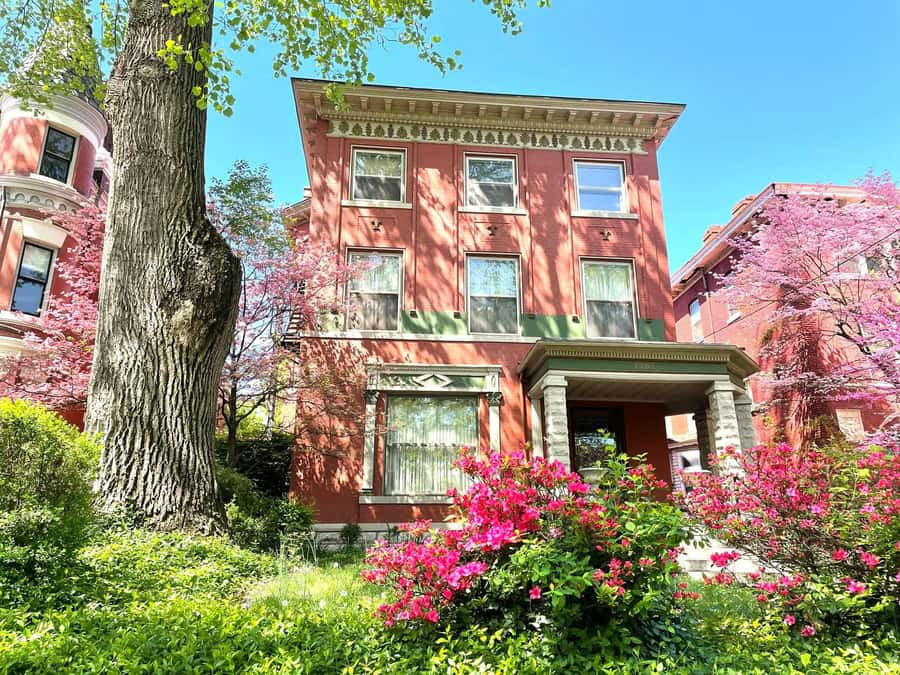
Victorian streets in Louisville, at human pace. This Old Louisville history and architecture walking tour takes you through a 45-square-block historic district known as America’s Grandest Victorian Neighborhood, where 1880s Gilded Age fortunes left stone-and-brick fingerprints all over the block. I love how the guide turns architecture styles into something you can actually spot as you walk.
I also like the variety you get in just 1.5 hours: big mansions, smaller cottages, churches, and charming alleyways, plus a leafy pause around Central Park and Floral Terrace. It feels like you’re walking through a real neighborhood, not a photo set.
One possible drawback: you’re walking for about 90 minutes without built-in bathroom breaks, and it’s not suitable for some health situations like back or heart problems (or pregnancy). Plan for a steady pace.
In This Review
- Key highlights you should know
- Old Louisville in 90 minutes: what the walk is really about
- Meeting at the brown sign near Central Park: how to get started
- The 1880s backstory: bourbon, tobacco, and racetrack money
- Spotting Victorian styles on the walk: what the guide helps you see
- Mansions, cottages, churches, and alleyways: the tour’s best walking moments
- Central Park and Floral Terrace: where the pace resets
- Price check: what $27 buys you (and what it doesn’t)
- Pace, comfort, and who this tour fits best
- Should you book the Old Louisville History and Architecture Walking Tour?
- FAQ
- How long is the Old Louisville history and architecture walking tour?
- Where do I meet the guide?
- How much does it cost?
- What’s included in the ticket price?
- Is the tour wheelchair accessible?
- Will the tour include entrance into homes or churches?
Key highlights you should know

- America’s Grandest Victorian Neighborhood: a 45-square-block area full of 19th-century styles
- You learn to “read” the buildings: Italianate, Queen Anne, Richardsonian Romanesque, Châteauesque, and more
- Stories that connect homes to Louisville events: the Southern Exposition era and who built there
- Gas-lit walking courts and alleyways: the details you’d miss if you just stroll on your own
- Central Park and Floral Terrace: a natural reset after the architecture heavy lifting
Old Louisville in 90 minutes: what the walk is really about
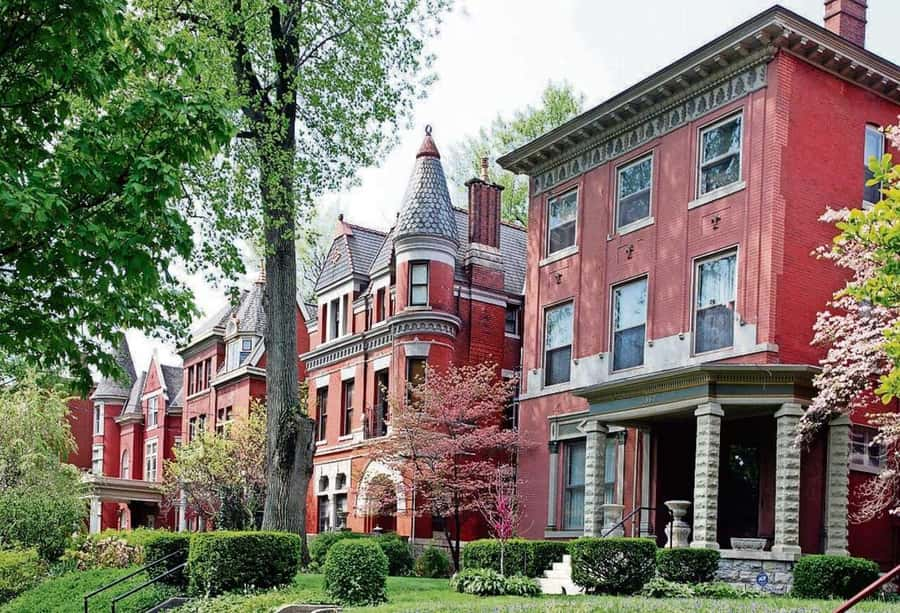
Old Louisville is one of those places where the past is not behind glass. It’s on the street. The neighborhood grew when Louisville pulled in huge crowds in the 1880s, especially with the Southern Exposition bringing visitors to Kentucky’s largest city. That demand helped fuel new wealth, and that wealth showed up south of downtown in the form of Gilded Age residences—built by bourbon barons, racetrack royalty, and tobacco titans.
What makes this tour work is that it’s timed for your attention span. At 1.5 hours, you get a focused pass through a small-but-dense pocket of architectural variety. You’ll notice mansions and smaller homes side by side, plus churches and neighborhood lanes that make the district feel intimate. It’s not just pretty facades. The guide gives you a framework for what you’re seeing—so you leave able to recognize style differences instead of just admiring them.
You can also read our reviews of more walking tours in Louisville



Meeting at the brown sign near Central Park: how to get started
You’ll meet your guide outside on South Fourth Street—there’s no office building to check in with. The designated GPS address is 1300 S 4th St, but you actually want the corner where the brown Welcome to Old Louisville sign is posted at South Fourth Street and West Ormsby Avenue, about a block north of Central Park.
This matters because it keeps things simple and quick—no waiting for an indoor start time. It also means you should arrive a little early, just to locate the sign and the guide before the group funnels off. If you prefer a tour that feels like a casual meetup rather than a formal ticket counter, this is that style.
The 1880s backstory: bourbon, tobacco, and racetrack money
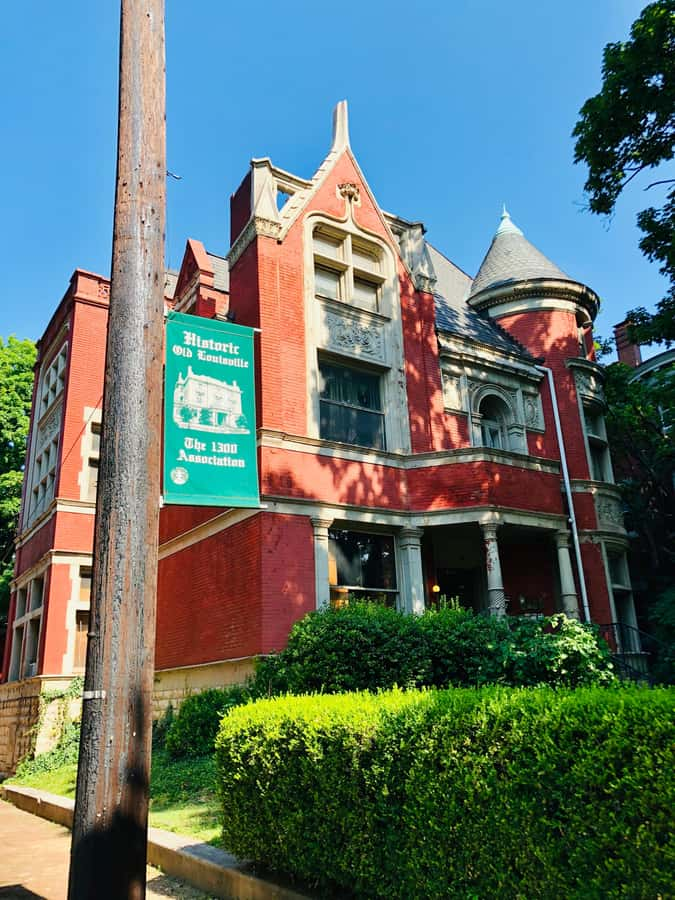
Old Louisville’s big story isn’t random. It’s tied to a specific moment when Louisville was drawing attention—and money—from across the region. When the Southern Exposition drew throngs of visitors in the 1880s, the city’s leading economic figures wanted a prestigious suburb nearby. That’s why you see an intentional mix of grandeur and variety: people with different tastes and different fortunes built distinctive homes, often using popular 19th-century architectural languages.
On the tour, the guide connects the buildings to that era—who likely built, why the neighborhood took off, and how the district evolved from its boom years to the present-day streetscape. The result is that you’re not just walking past houses. You’re walking past decisions: what was valued, what looked fashionable, and what families wanted to project.
Spotting Victorian styles on the walk: what the guide helps you see
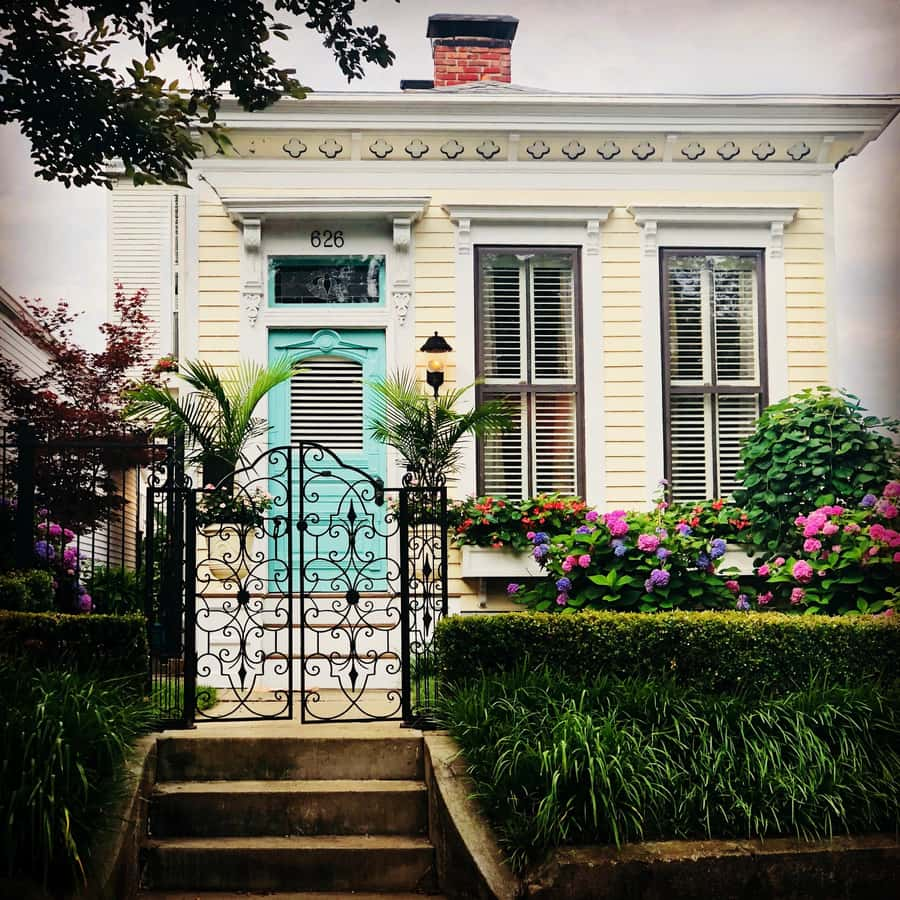
One of the most praised parts of this tour is the way the guide explains architectural details with clarity and humor. If you’ve ever stood in front of an ornate house thinking, I like it, but I can’t name what it is—this helps you fix that.
You’ll get exposure to multiple major 19th-century styles, including Italianate, Queen Anne, Richardsonian Romanesque, Châteauesque, Renaissance Revival, and Georgian. The value here is practical: once you learn the visual clues, you can keep spotting them after the tour ends.
It also helps that you’re walking a neighborhood scale route rather than being dropped into one grand view. As you move block to block, the styles change. That makes comparisons easier and faster. You’ll start noticing the differences in massing, rooflines, and decorative patterns—things you can’t always pick up from a single static photo.
And yes, it’s still fun. Several guides have a reputation for being story-first and question-friendly. Names that have come up in past runs include David, Brenda, Liam, Val, Gabe, and Angelique. Even when the facts are dense, the delivery stays light, with anecdotes that make architectural choices feel human.
Mansions, cottages, churches, and alleyways: the tour’s best walking moments
The route is built around variety. You won’t spend 90 minutes staring at one type of structure. You’ll see grand residences, but also quaint cottages, churches, and charming side streets that feel like Louisville’s quieter backstage.
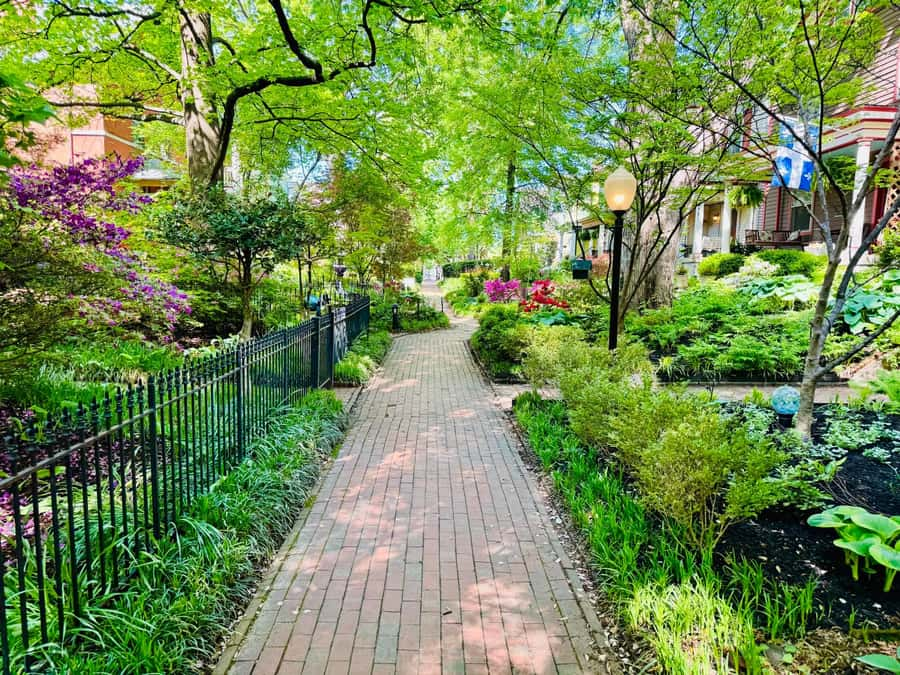
This is where the tour earns its keep. If you walk Old Louisville alone, you might admire the big houses and miss the smaller details—especially the lanes and courts that make the neighborhood feel woven together. The tour is designed to lead you into those more secluded corners, including places described as gas-lit walking courts. Those kinds of spots turn an architecture walk into a stroll with surprises.
A key point to set expectations: the tour does not include entrance into homes or churches. You’re viewing exterior architecture from the sidewalk and learning what to look for. That’s not a dealbreaker—if anything, it’s part of the value. You can still learn a lot without added time spent on entry rules or ticket lines.
You can also read our reviews of more historical tours in Louisville
Central Park and Floral Terrace: where the pace resets
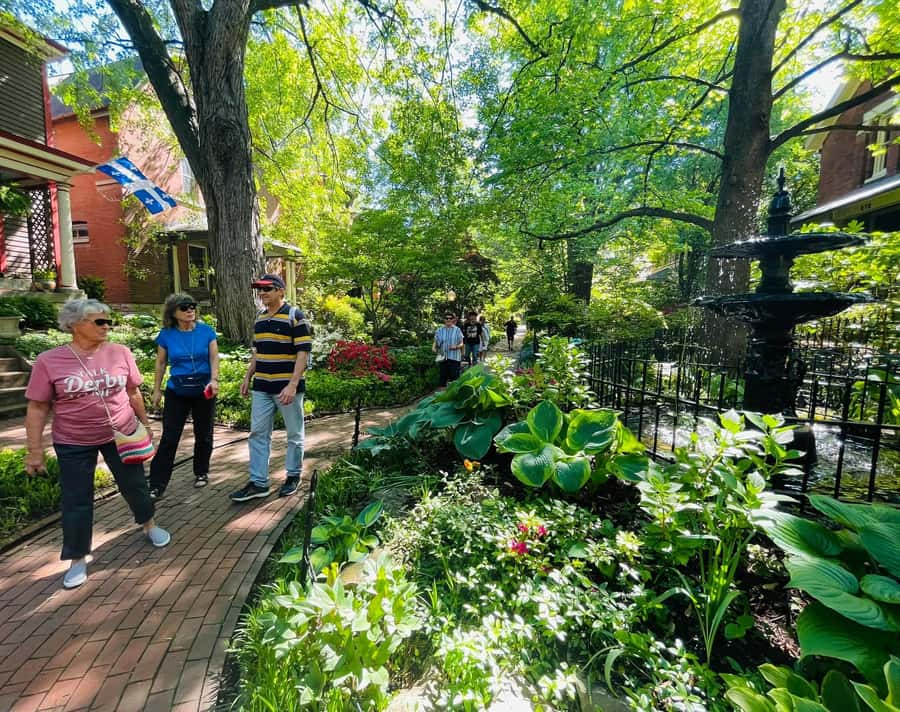
About partway through, you’ll get that “ah, I can breathe” moment. The tour includes time to stroll leafy Central Park and then enjoy the charms of Floral Terrace.
For me, this is an underrated feature because architecture can be mentally tiring. A green space break helps you absorb what you just learned, and it gives your legs a slightly different type of walking terrain—so you’re not stuck on the same street rhythm for the whole 1.5 hours.
It also keeps the tour from feeling like an endless parade of facades. The park-and-terrace segment adds local mood, not just visuals.
Price check: what $27 buys you (and what it doesn’t)

At $27 per person for about 1.5 hours, you’re paying for one thing: a trained guide who can connect history and architectural style to what you’re seeing on the sidewalk.
That’s good value for a few reasons. First, the tour includes the guide and the walking route—so you’re not adding extra costs on top. Second, because you don’t enter homes or churches, the price stays predictable. You’re focusing on the interpretation and the street-level architecture rather than any separate admissions.
What you should understand up front: you’re not buying a tour that includes interior visits or museum-style exhibits. If your dream Louisville day involves going inside historic houses, this won’t deliver that. But if you want a smart way to see Old Louisville up close and learn what you’re looking at, $27 for an information-packed guided walk is a fair trade.
Pace, comfort, and who this tour fits best
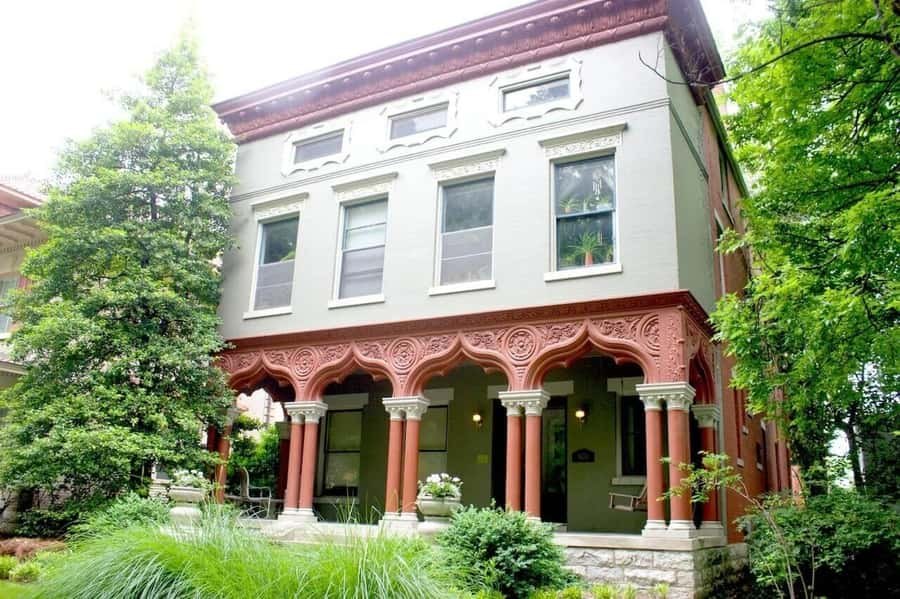
This is a walking tour. The stated requirement is that you must be able to walk for about 90 minutes without a bathroom break. Even though the tour is wheelchair accessible, that walking expectation still matters, so check your comfort level before you book.
The tour is also described as an easy walk with regular stops to view buildings and answer questions. In the reviews, guides are repeatedly praised for pacing and for stopping often enough that you don’t feel rushed to keep up.
Who will like this most:
- First-time visitors who want the fastest way to understand Old Louisville’s architectural variety
- Anyone who likes architecture but wants guidance on style terms (Italianate, Queen Anne, and friends)
- People who enjoy stories—especially how Louisville’s prosperity shaped the neighborhood
Who might want to consider something else:
- Anyone who needs frequent bathroom breaks during the outing
- People with back or heart problems (or who fall into the tour’s stated “not suitable” categories)
Should you book the Old Louisville History and Architecture Walking Tour?
If your goal is to learn the neighborhood quickly—and leave knowing how to spot major Victorian styles—this is an easy yes. The combination of Gilded Age context, street-level architecture, and guide storytelling is exactly what makes a walking tour worth your time.
I’d book it if you want:
- a well-structured 1.5-hour walk near Central Park
- practical help understanding styles like Italianate and Queen Anne
- exterior views plus stories that connect the buildings to Louisville’s boom era
Skip it if you specifically want to go inside historic homes or churches, or if a steady 90-minute walk without bathroom breaks doesn’t work for your body.
FAQ
How long is the Old Louisville history and architecture walking tour?
The tour lasts 1.5 hours.
Where do I meet the guide?
Meet your guide at the corner of South Fourth Street and West Ormsby Avenue in front of the brown Welcome to Old Louisville sign, about a block north of Central Park. The GPS address shown is 1300 S 4th St.
How much does it cost?
The tour price is $27 per person.
What’s included in the ticket price?
The ticket includes the guide and the walking tour.
Is the tour wheelchair accessible?
Yes, the tour is listed as wheelchair accessible, but you also need to be able to walk for about 90 minutes without a bathroom break.
Will the tour include entrance into homes or churches?
No. Entrance into homes or churches is not included.