REVIEW · FREEDOM TRAIL
Boston: Official Freedom Trail® Walking Tour
Book on GetYourGuide →Operated by Freedom Trail Foundation · Bookable on GetYourGuide
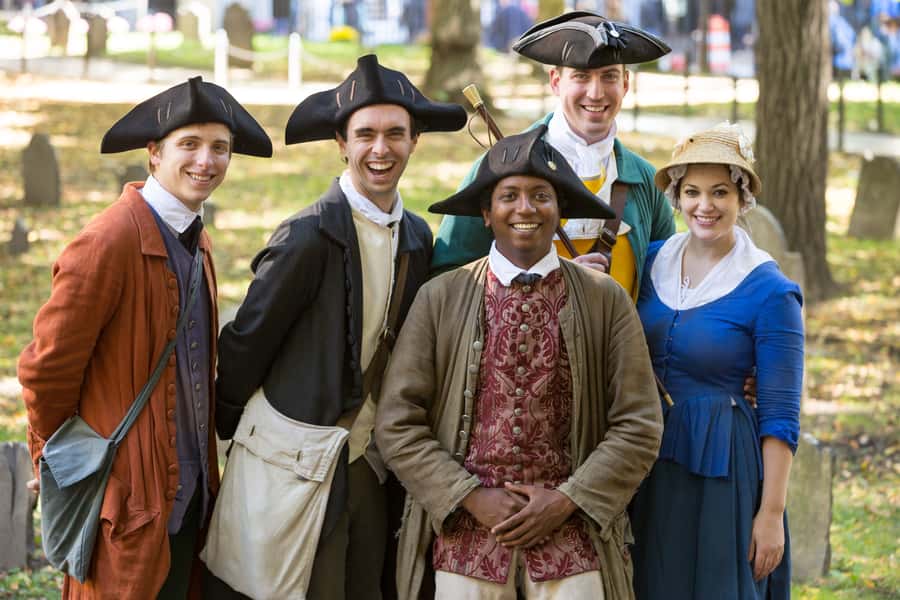
One mile, eleven stops, one big argument for freedom. This walking tour follows Boston’s famous red line and makes America’s revolutionary beginning feel close enough to touch with 18th-century costumed guides.
I especially like how the guide turns each site into a scene, not a lecture. You’ll get time to ask questions and take photos without feeling rushed.
One thing to keep in mind: several famous Freedom Trail buildings charge their own admission, and this tour doesn’t include those entry tickets.
In This Review
- Key highlights I’d plan around
- Walking the Freedom Trail’s red line the practical way
- Price and what you really get for $18
- Boston Common: the calm start before the conflict
- Boston Massacre site: paying respect where the story turns dark
- Faneuil Hall: the speeches you can hear through the years
- Old State House and the blood-in-the-snow moment
- Granary Burying Ground: Paul Revere’s final resting place
- The oldest public school site: education as a revolutionary tool
- What’s included vs what you’ll add with separate tickets
- How the guides make or break the experience
- Walking comfort and smart ways to get the most out of 1 mile
- Reverse Walk option: a different way to see the same story
- Who this tour fits best (and who might want a different plan)
- Should you book Boston’s Official Freedom Trail walking tour?
- FAQ
- How long is the Boston Freedom Trail walking tour?
- How much does it cost?
- How many Freedom Trail sites are covered?
- Where does the tour start?
- Are ticketed Freedom Trail buildings included?
- What languages is the tour offered in?
- What time do tours leave?
- Do I need to bring anything?
- Can I record video during the tour?
- What if my plans change?
Key highlights I’d plan around
- Boston Common first: start where Boston made public space for everyone.
- Boston Massacre memorial: pay respects where history got loud and ugly.
- Granary Burying Ground: see why Paul Revere’s resting place still matters.
- Faneuil Hall precinct stories: hear how speeches fed the push for independence.
- Oldest public school site: a reminder that revolutions run on education.
Walking the Freedom Trail’s red line the practical way
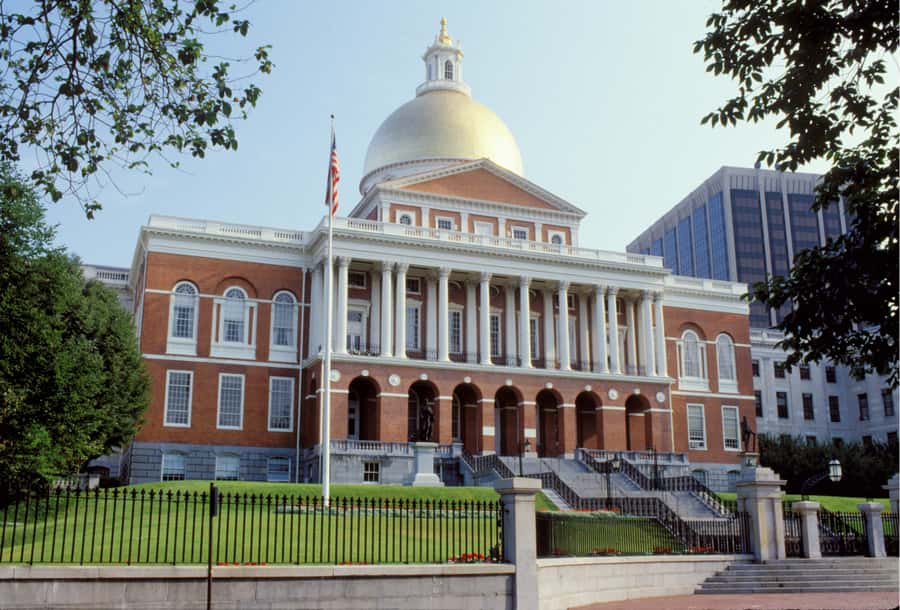
Boston’s Freedom Trail is one of those things that looks simple on a map: follow the red line, hit the big landmarks, move on. This tour makes that same route feel like a guided story with clear stops and a sense of timing. You’re walking about 1 mile over roughly 90 minutes, hitting 11 of the 16 official sites, with breaks built in for photos and questions.
You also get a lived-in feel. The guide is in period costume, and the best part is how they use that character to set the scene fast—before you even arrive at the next corner. A tour can’t replace reading, but it can help you see what to notice when you’re standing there.
If you care about the human side of the revolution, you’ll like the way the guide puts names and motives into the foreground. You’ll hear about people like Paul Revere, Samuel Adams, Crispus Attucks, and John Adams as you move from spot to spot.
Price and what you really get for $18

At $18 per person for about 1.5 hours, this is good value for two reasons.
First, you’re paying for a real person to connect the dots. The guide doesn’t just point at plaques; they guide your attention to what mattered and why. Second, you’re getting 11 stops without having to plan logistics or guess what’s worth your time.
Also, the tour says it helps you skip the ticket line. That matters when you’re stacking sights in one day. Even so, some sites charge admission separately, and this tour won’t include those building entries (more on that later).
Boston Common: the calm start before the conflict
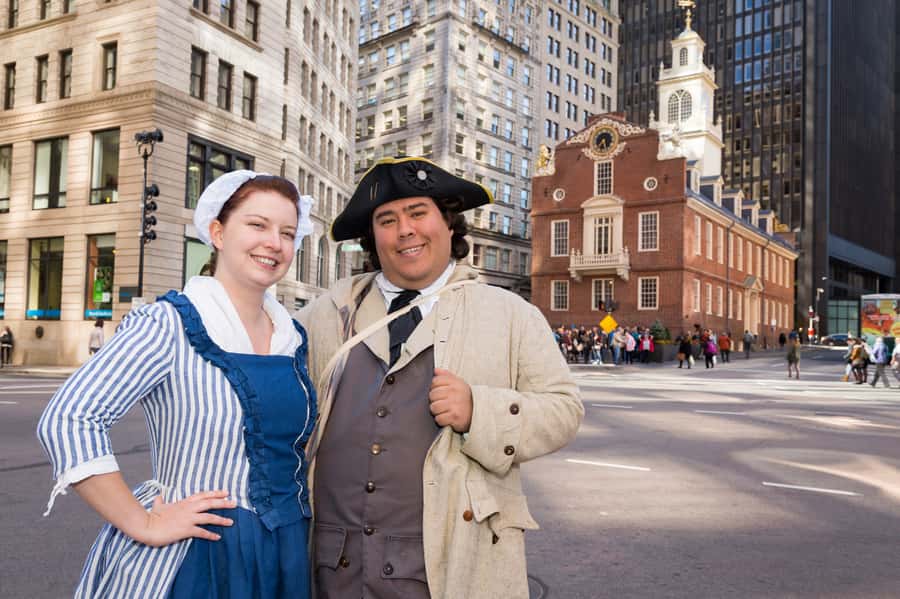
Boston Common is the perfect first stop because it shifts you from modern travel mode into civic life. It’s America’s first public park, and that fact changes the tone of everything that follows. You start to see the revolution wasn’t just about gunpowder—it was about ideas of public space, rights, and who gets a voice.
In practice, this opening also helps you settle your group pace. You get an easy landing area before the tour turns more intense with the next scenes of confrontation.
If you’re visiting in cold months, this is also where you’ll notice wind and open air. Dress for weather fast, and keep water handy.
Boston Massacre site: paying respect where the story turns dark
The Boston Massacre stop is emotionally heavy, and the guide handles it like a memorial, not a spectacle. You’ll be asked to remember the victims, and the tour brings back that night’s tension—when the conflict in the streets became a turning point.
What I like here is the focus on context. This isn’t only about what happened; it’s about how events like this can harden public opinion and feed the next wave of action.
One practical detail: it’s a popular area. Give yourself a moment to step back, look around, and then move in when the group is ready. That small habit makes photos and listening easier.
Faneuil Hall: the speeches you can hear through the years
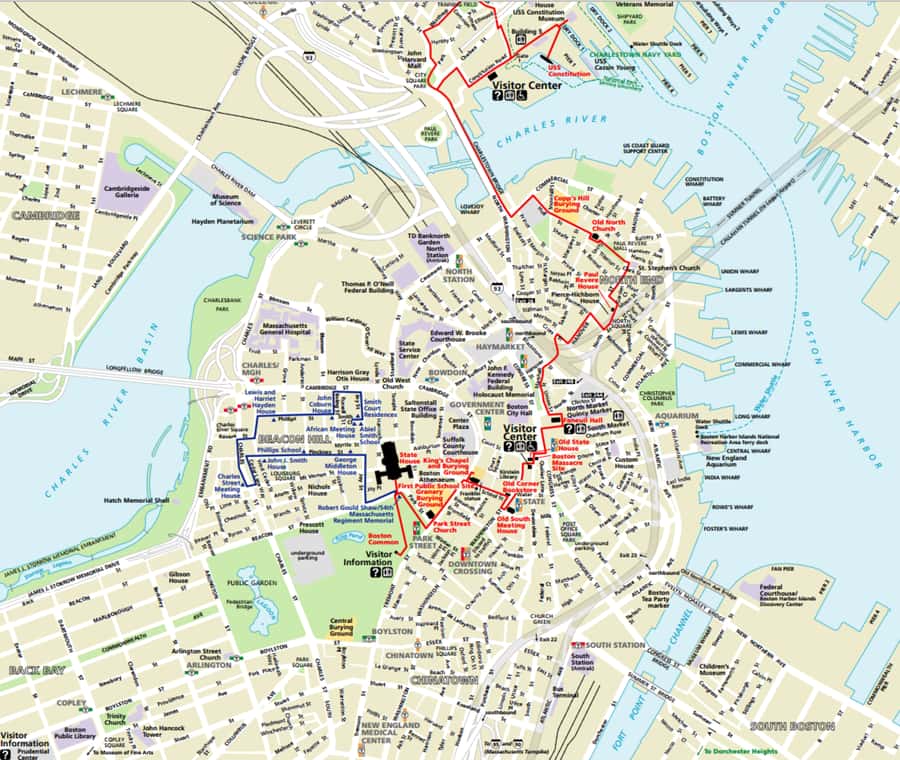
Faneuil Hall is where the tour really shows you how revolution works as communication. You’ll spend time in the Faneuil Hall precinct and hear the echoes of orators such as Samuel Adams and James Otis pushing for independence.
This stop is valuable because it reframes politics. It’s easy to think independence sprang from battle. Here, you see the other side: argument, persuasion, and public pressure—loud enough to bring crowds into the same storyline.
In photos, the area can feel busy because it’s in the middle of active city life. The guide’s job is to help you focus anyway, and that’s where in-character storytelling helps: it gives you a reason to look past the traffic and signage.
Old State House and the blood-in-the-snow moment

Near the Old State House, the tour brings up the night of the Boston Massacre—the famous image of blood in the snow. Even if you’re standing outside rather than inside, you’ll understand why this location matters.
This is also a good place to ask questions. If you’ve ever wondered why certain events are remembered with such intensity, this stop explains the mechanics. A small spark, a public reaction, and then a long afterlife in memory.
Just note: if you want to go inside the building itself, you’ll likely need separate admission. The tour can set the scene from outside, but it doesn’t replace an interior visit.
Granary Burying Ground: Paul Revere’s final resting place

The tour’s Granary Burying Ground stop brings you straight into “history you can visit.” Seeing Paul Revere’s burial place does something maps can’t: it makes the revolution feel personal.
You also learn how burials function as public memory. People aren’t just commemorated; they’re used to teach future generations what the community values.
A nice bonus is pacing. The guide generally makes room for people to gather, listen, and take photos without everyone being stepped on. On a moving city tour, that’s not guaranteed. Here, it tends to work.
The oldest public school site: education as a revolutionary tool
One of the highlights is the site of the oldest public school in the United States. It’s easy to overlook because it doesn’t look as dramatic as a church or fort. But it’s a big deal.
If you connect this to the rest of the trail, a pattern shows up: revolutions run on literacy, organizing, and the ability to argue in public. The guide makes the school site feel like part of the same chain as speeches and protests.
If you like when a tour widens your lens beyond battles, this stop is for you. It also helps kids and teens stay interested, because it’s less abstract than it first appears.
What’s included vs what you’ll add with separate tickets
This tour includes 11 of the 16 official Freedom Trail sites, and it focuses on walking and storytelling along the red line.
It does not include entrance tickets for sites that require paid admission, specifically:
- Old South Meeting House
- Old State House (entry)
- Old North Church
- Paul Revere House
The good news: you can often still understand these places from the outside. The tour also says you can buy tickets at the door for the fee-charging sites.
If you want a full “inside experience” at those buildings, plan extra time on another day or slot them into your schedule later the same day, based on hours.
How the guides make or break the experience
The biggest difference between a normal walking tour and a great one is the guide’s voice and timing. This operation leans into character work and story pacing, and the results show up in guide names you may see assigned to tours.
For example, people have highlighted guides such as Jeremiah Poope, Danielle, Nate, Hepzibah Swan, Dr. Byles, and Matt Prescott. You’ll notice a theme: humor paired with facts, and a strong habit of checking if you’re following along.
You can also expect the guide to weave in recognizable names and to keep the pace fair so you’re not lost halfway through. In a city like Boston, where corners appear fast, pacing matters.
Walking comfort and smart ways to get the most out of 1 mile
This is not a speed walk. Still, you’re on your feet for about 1.5 hours over mostly urban surfaces. Bring comfortable shoes and water, and you’ll feel calmer from start to finish.
A couple habits help:
- Stay close enough to hear clearly, especially at busy intersections.
- Use the built-in photo breaks, but don’t turn every stop into a photo marathon. Listen first, then shoot.
- Keep questions for moments when the guide pauses—usually near each key site—so you don’t hold everyone up.
One more practical point: video recording isn’t allowed, so plan to rely on photos and notes instead.
Reverse Walk option: a different way to see the same story
If you’re already familiar with the trail, or you just like shaking up your route, there’s a Reverse Walk Into History option. It flips the feeling of arrival and can help you remember the sequence better because your brain has to re-map the story from a new direction.
Even if you’re doing the full Freedom Trail later on your own, a reverse start can give you a stronger emotional arc by changing what you notice first.
Who this tour fits best (and who might want a different plan)
This tour is a great fit if you want:
- A guided overview that helps you spot the meaningful details.
- A walking length that won’t fry your whole day.
- A story-led approach with period costuming and clear stop-by-stop context.
I think it’s especially good for first-time Boston visitors, and for families who want something educational but still entertaining.
If you’re the type who wants to spend hours inside every single paid stop building, you might feel held back because this one doesn’t include those admissions. In that case, plan to pair this with later self-guided visits to the fee-charging sites.
Also, if you hate being in a larger group, arrive prepared to shift where you stand. The key is to position yourself where you can hear and see without craning.
Should you book Boston’s Official Freedom Trail walking tour?
I’d book this if you want a simple day plan with big payoff: 11 sites, a costumed guide, and a clear narrative spine across roughly 1 mile. For $18, the value is in the storytelling and the way it helps you read Boston’s landmarks instead of just passing them.
Skip it only if your main goal is going inside every paid museum-style building on the trail. This tour is strong as an intro and a connector. Then you can add the extra interiors where you actually care most.
If you’re short on time in Boston, or you want to feel oriented fast, this is one of the easiest wins on the Freedom Trail.
FAQ
How long is the Boston Freedom Trail walking tour?
The tour runs for about 1.5 hours.
How much does it cost?
It’s listed at $18 per person.
How many Freedom Trail sites are covered?
The tour features 11 of the 16 official Freedom Trail historic sites.
Where does the tour start?
The meeting point may vary depending on the option you booked.
Are ticketed Freedom Trail buildings included?
Not all of them. Admission is not included for Old South Meeting House, Old State House, Old North Church, and Paul Revere House.
What languages is the tour offered in?
The tour guide speaks English.
What time do tours leave?
Tours leave every hour on the hour from the Boston Common Visitor Information Center, and every hour on the half-hour from the ArtsBoston booth at Faneuil Hall.
Do I need to bring anything?
Bring comfortable shoes and water.
Can I record video during the tour?
No. Video recording is not allowed.
What if my plans change?
You can cancel up to 24 hours in advance for a full refund. You can also reserve now and pay later.