REVIEW · MADRID
Madrid: Welcome to Madrid Guided Walking Tour in English
Book on GetYourGuide →Operated by Walkative Tours · Bookable on GetYourGuide
Madrid has a water-rooted backstory. This 2.5-hour walk connects Mayrit (Arabic for abundant water) to the power shifts of Habsburgs and Bourbons, with stops that explain why the city looks the way it does, up to the Congress of Deputies.
I especially like how the route strings together big themes in real places, from the Royal Palace area to Plaza Mayor, so you don’t just memorize sights. I also like the guides’ energy: names like Sebastián, Adam, Daniel, Joaquin, Dina, and Esmeralda show up in real-world accounts as friendly, funny, and great at keeping you engaged.
One consideration: it’s a proper walking tour. Plan for 2.5 hours on your feet, and if you want lots of photos, you’ll need to be ready to move quickly between stops.
In This Review
- Key things to know before you go
- Starting Near the Royal Palace: Opera Station to Almudena Cathedral
- Royal Power in Stone: The Royal Palace Area and Why Madrid Grew
- Plaza de la Villa and Plaza Mayor: Courts, Religion, and Public Drama
- Puerta del Sol and the Royal Academy of Fine Arts: Where Daily Life Meets Culture
- Gran Vía and the 19th-Century Makeover: Seeing Modern Madrid Take Shape
- Prado Museum on the Route: Art-Centered Madrid Without the Museum Ticket
- Congress of Deputies: Spanish Democracy Tested in Public Space
- How the Guides Turn 2.5 Hours Into a Usable City Plan
- Price and Value: Why $31 Can Be a Smart First-Day Spend
- Who This Walking Tour Fits Best
- Should You Book the Madrid Welcome Walk?
- FAQ
- FAQ
- Where does the tour start?
- How long is the walking tour?
- Is the tour in English?
- What’s included in the price?
- Is hotel pickup and drop-off included?
- How much does the tour cost?
- Can I cancel for a full refund?
- Can I reserve and pay later?
- Is this a pay-as-you-wish style tour?
Key things to know before you go
- An origin story you can walk: Arabic Mayrit roots, then Catholic and royal layers of Madrid.
- Major plazas in one route: Plaza de la Villa, Plaza Mayor, and the center point of Puerta del Sol.
- You’ll see the modern Madrid makeover: especially around Gran Vía.
- Art and politics, without ticket stress: Prado Museum and the Congress of Deputies appear as stops along the way.
- Guides who talk like locals: many accounts highlight humor, clear English, and easy questions.
- A walk that feels long, but not slow: pace varies by guide, so comfortable shoes matter.
Starting Near the Royal Palace: Opera Station to Almudena Cathedral
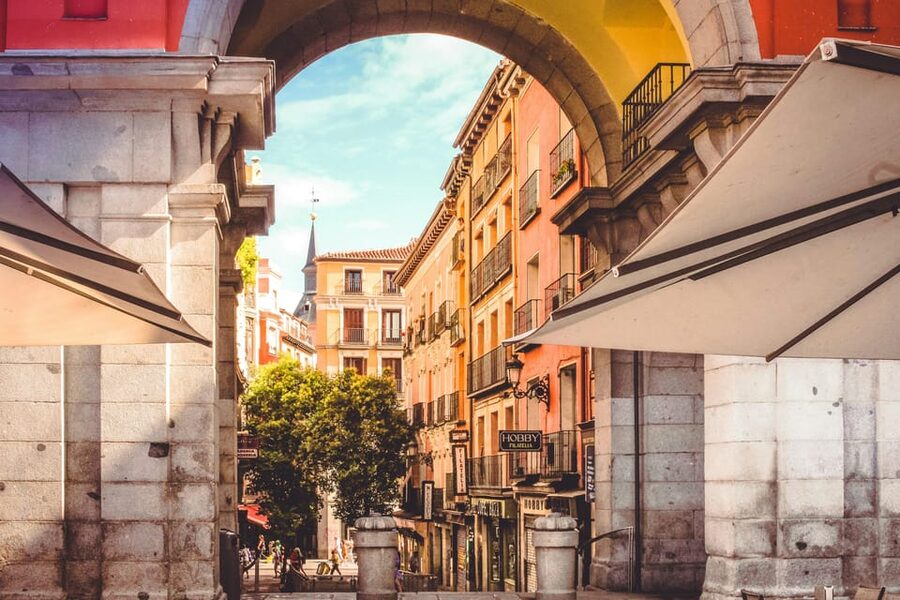
This tour is designed for first-timers who want a mental map fast. You start near the Royal Palace area, then build a timeline with real landmarks instead of dates stuck in your head.
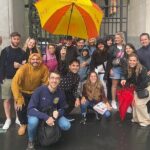
Your meeting point is Opera Metro station, outside the Teatro Real. Look for the yellow umbrella so you can spot the group quickly and get moving without fuss.
From there, you’ll head toward Almudena Cathedral, described as a mix of neo-styles. That matters because Madrid’s architecture doesn’t sit in one tidy era. It’s a city that keeps rewriting itself, and Almudena is a good example of that layered identity.
This is also where the guide’s style becomes important. In many cases, guides are praised for keeping people involved from the first moments, not just starting with a lecture. If you’re slower or traveling with older family members, you’ll likely appreciate the guides who consciously check pacing and keep the group together.
You can also read our reviews of more walking tours in Madrid

Royal Power in Stone: The Royal Palace Area and Why Madrid Grew
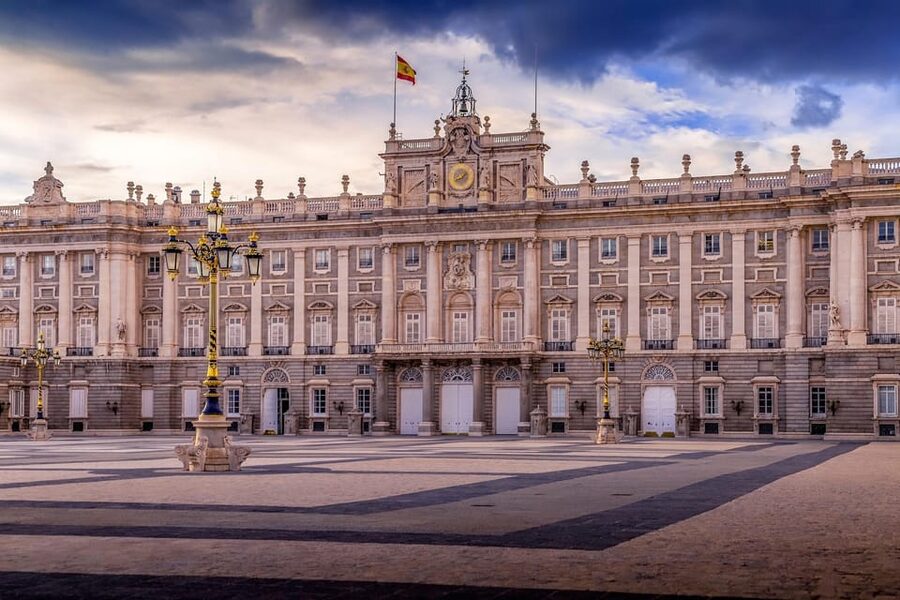
You’re not walking through Madrid’s royal story like a museum exhibit. You’re seeing the kind of power that shaped where money, institutions, and crowds went.
Even if you don’t go inside the Royal Palace itself, the area sets the tone. It gives you a sense of how Madrid presented authority, then you gradually watch the city shift from royal symbolism into public life: plazas, academies, and government buildings.
Madrid’s origin is part of the pitch: it begins as the Arabic Mayrit, a place tied to abundant water. That simple origin helps everything click later. When you understand Madrid started as a practical settlement, you stop thinking of the city as only fancy palaces and start seeing it as a place built to function, expand, and attract people.
Plaza de la Villa and Plaza Mayor: Courts, Religion, and Public Drama
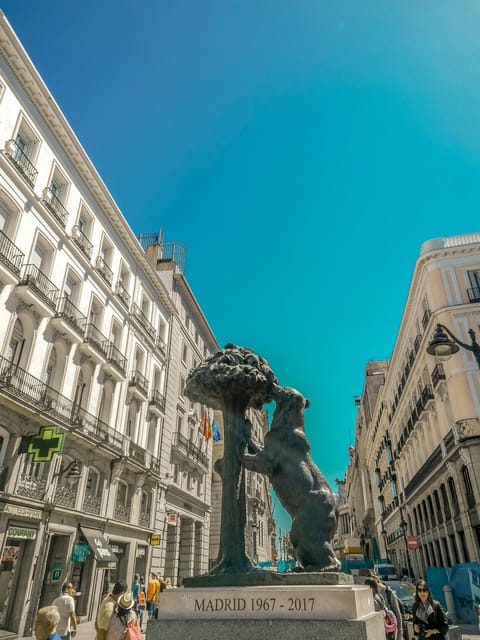
Next come two plazas that feel like Madrid’s outdoor living rooms, but with historical weight.
Plaza de la Villa is where you can spot architectural styles spanning multiple centuries. That’s not just an aesthetic detail. It’s a visual reminder that Madrid grew in layers, with each period leaving its fingerprints on streets, facades, and the way people gathered.
Then you reach Plaza Mayor, a key stop because it’s tied to events that range from religious trials to royal celebrations. The place isn’t just photogenic. It’s a stage Madrid used again and again for public moments, from serious to festive.
If you like history that helps you read the city, this portion is a win. A good guide will explain how a plaza can function as a communications hub: where news spread, where authority appeared, and where the public learned what mattered.
Tip for photos: plazas are also where groups like to linger. You’ll get time to look, but you won’t have a half-day to slowly wander. If you want skyline-level photos, plan to shoot fast and keep pace.
Puerta del Sol and the Royal Academy of Fine Arts: Where Daily Life Meets Culture
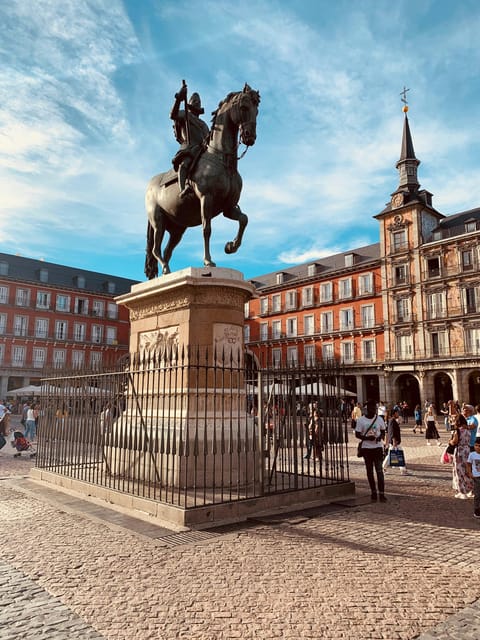
After the plazas, the tour swings toward Puerta del Sol, Madrid’s busy center. Even in a short walk, you can feel how this square acts like the city’s heartbeat.
Sol is also where the story turns practical. You start to see how a government and palace city also needs infrastructure for everyday movement—transport nodes, meeting points, and easy access between neighborhoods.
Along the route, you’ll pass by the Royal Academy of Fine Arts, where masters like Goya once studied. This connects Madrid’s political and religious past to its cultural identity. It also helps you frame why Madrid is a museum city, not just a monuments city.
This is a smart stop for travelers who plan to visit museums later. Instead of treating the Prado and art scenes as random choices, you start to understand the institutions behind them.
Gran Vía and the 19th-Century Makeover: Seeing Modern Madrid Take Shape
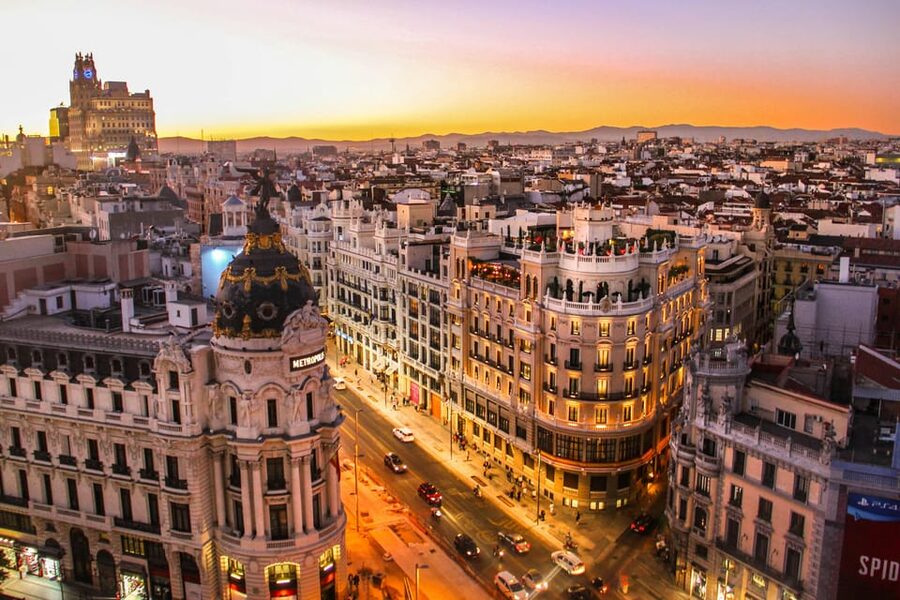
One of the headline highlights is Gran Vía. The tour uses it to explain modernization—how Madrid moved into a new style of city planning during the 19th century.
Gran Vía is a useful contrast with the older plazas. It shows you a Madrid that’s more about grand avenues and city-wide planning rather than medieval-sounding street geometry. That contrast is exactly why this tour works: it keeps you from seeing Madrid as only one kind of place.
Also, Gran Vía is a great street for people-watching and quick orientation. After the walk, you’ll likely find it easier to understand where you are in relation to key districts and landmarks.
You’ll probably hear some political and social context here too, since the tour’s theme isn’t only architectural. It’s about who held power and what they built—then what changed when Madrid became a European hub.
You can also read our reviews of more guided tours in Madrid

Prado Museum on the Route: Art-Centered Madrid Without the Museum Ticket
The tour includes a stop that features the Prado Museum. You may not be going inside during this walking time, but you’ll still learn why this museum matters in the larger Madrid story.
This is valuable because it turns a future ticket purchase into something with meaning. When you later stand in front of Prado’s collections, you’ll have a sense of why Madrid built a major institution here and how it fits the city’s identity.
If you’re planning a museum day, this stop can help you decide your next move. For example, you can use your tour experience to choose the order of art stops so you aren’t zigzagging across town later.
Congress of Deputies: Spanish Democracy Tested in Public Space
The walk ends at the Congress of Deputies. It’s a fitting finale because you started with the city’s beginnings and royal/catholic transformations, and you end with modern governance.
This stop adds another layer: Madrid isn’t just a city of past empires. It’s a living political center. The building helps you understand why public squares, streets, and institutions matter—because they shape how people gather, argue, and participate.
If your mind likes the connection between architecture and power, this ending hits. It also gives you a clear anchor point for your remaining time in Madrid. Once you know where the Congress sits relative to the center, it’s easier to plan other nearby walks and transit.
How the Guides Turn 2.5 Hours Into a Usable City Plan
A huge part of why this tour earns a strong rating is the guide experience. Many accounts mention guides who are dynamic, friendly, and funny, with strong English and a habit of staying interactive.
You’ll also see a pattern of guides being good at explanation rather than just naming places. The best ones connect what you see to why it happened: what rulers changed, what modern planners built, and why the city’s look has gaps and surprises.
Another standout quality in accounts: guides being open to questions. That matters because Madrid can feel confusing at first. If you ask about where to go next, you’ll often get practical suggestions and not just a history quiz.
On top of that, some guides are described as thoughtful about pace. One account specifically points out a considerate approach for an older or slower person, including checking their things and keeping the experience engaging for everyone.
Bottom line: the tour isn’t only sightseeing. It’s also training you to navigate Madrid with context.
Price and Value: Why $31 Can Be a Smart First-Day Spend
At $31 per person for about 2.5 hours, this is priced like a solid introduction rather than a one-off “see everything” deal.
Here’s why it can be good value:
- You get a guided walking route through multiple major landmarks, which would be hard to string together into a coherent story on your own.
- You leave with a mental map: where Sol sits, how Gran Vía connects, and where the Prado and Congress fit into the city’s center.
- Guides often add practical ideas for what to do next, including dining or nightlife suggestions, so you may save time after the walk.
There’s also a pay-as-you-wish element noted for this type of general tour. In plain terms, your booking covers the reservation fee and the guide’s payment, and the amount you add as a personal tip is up to you. If that works for your style, you’ll feel good about the value.
If you prefer a strictly fixed-price experience with no tip expectation, this “general pay as you wish” format might feel different. In that case, ask if a smaller private option can be arranged.
Who This Walking Tour Fits Best
This tour is a great match if:
- You’re visiting Madrid for the first time and want orientation fast.
- You like history that’s tied to real street corners and buildings.
- You want a short plan that helps you decide what to do for the rest of your stay.
It’s also a good fit if you enjoy art and politics but don’t want to spend a full day locked into museum lines. You’ll see Prado and end at the Congress, with context that can shape your next stops.
It might be less ideal if:
- You’re dealing with mobility limits and can’t comfortably handle a 2.5-hour walk.
- You want minimal walking and a lot of time at each stop to linger.
Should You Book the Madrid Welcome Walk?
Book it if you want a confident first-day framework. This walk gives you a clean timeline from Madrid’s early roots through major dynasties, then lands you in the city’s modern political center. You’ll likely finish with not just pictures, but a better way to move through Madrid afterward.
Skip it (or choose a different format) if walking for 2.5 hours is a struggle for you, or if you’d rather focus on fewer stops with more time at each one.
FAQ
FAQ
Where does the tour start?
It meets at Opera Metro station, outside the Teatro Real. Look for the yellow umbrella.
How long is the walking tour?
The duration is 2.5 hours.
Is the tour in English?
Yes, the tour is offered in English.
What’s included in the price?
The price includes a walking tour and a live guide.
Is hotel pickup and drop-off included?
No. Hotel pickup and drop-off aren’t included.
How much does the tour cost?
The price listed is $31 per person.
Can I cancel for a full refund?
Yes. You can cancel up to 24 hours in advance for a full refund.
Can I reserve and pay later?
Yes. There is a reserve now & pay later option, so you can book without paying today.
Is this a pay-as-you-wish style tour?
This is described as a general pay as you wish tour, where your payment covers the reservation fee and the guide’s payment, and you can reward the guide based on what you feel is appropriate.