REVIEW · KAMAKURA
Kamakura Historical Walking Tour with the Great Buddha
Book on Viator →Operated by MagicalTrip Inc. · Bookable on Viator
Kamakura hits fast on foot, and a guided route helps you cover the highlights in about 5 hours without wasting time. I like that you start with Komachidori street-food samples, then switch into temple-and-shrine history at a calm, human pace in a small group of up to 7.
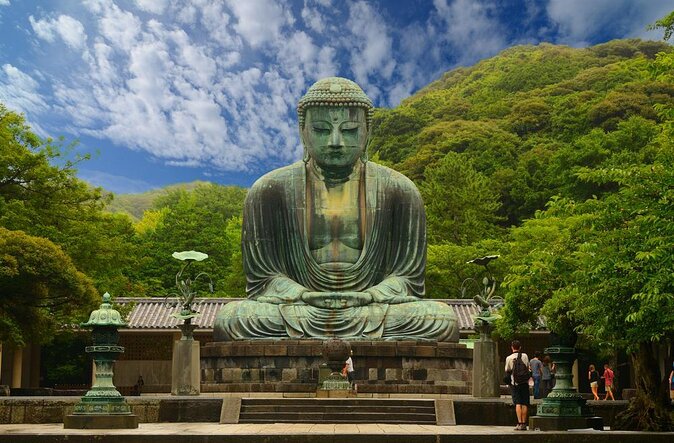
I especially like the Great Buddha at Kotoku-in because it feels bigger and more meaningful once you understand the setting and the worship traditions around it.
Just plan for a slippery hiking trail on some stretches, and wear grippy shoes. The route can shift with weather, and in rain you’ll use the train to reach the Buddha instead of hiking.
In This Review
- Key things to know before you go
- Why Kamakura feels special when you walk it
- Komachidori street-food start: fuel, orientation, and a local pace
- Tsurugaoka Hachimangu Shrine: more than a quick temple stop
- Hasedera Temple: coastline views, temple history, and a scenic walking break
- Kotoku-in Great Buddha: the icon, plus context that changes the photo
- Enoshima pass and Yuigahama beach: classic views and Mt. Fuji timing
- Price and value: what $98.44 buys you (and what doesn’t)
- Practical tips: shoes, water, weather swaps, and a smooth start
- Should you book this Kamakura Great Buddha walking tour?
Key things to know before you go
- Komachidori street-food samples get you fueled before the first temple stops
- Tsurugaoka Hachimangu Shrine gives you the cultural context behind Kamakura’s spiritual center
- Hasedera Temple views include big coastline overlooks and time to enjoy the grounds
- Great Buddha entrance is included at Kotoku-in, so you can focus on the sight
- Yuigahama beach + Mt. Fuji photo chance gives you a classic Kamakura postcard angle
- Certified guide + included photos means you’re not guessing your way through
Why Kamakura feels special when you walk it
Kamakura is close to Tokyo, but it doesn’t feel like another Tokyo neighborhood. It feels older, slower, and built around temples and shrines that have been cared for for centuries.
What I like about doing this trip on foot is that you learn the town as you go. You’re not only collecting photos of the big names like Tsurugaoka Hachimangu or the Great Buddha. You’re also seeing how people move through shopping streets, sacred grounds, and seaside viewpoints.
This is also a smart pick if you’re doing a day trip and don’t want to plan a route all morning. You start at a clear meeting point near JR Kamakura Station, you keep moving, and you end back at the same place.
You can also read our reviews of more tours and experiences in Kamakura.
Komachidori street-food start: fuel, orientation, and a local pace
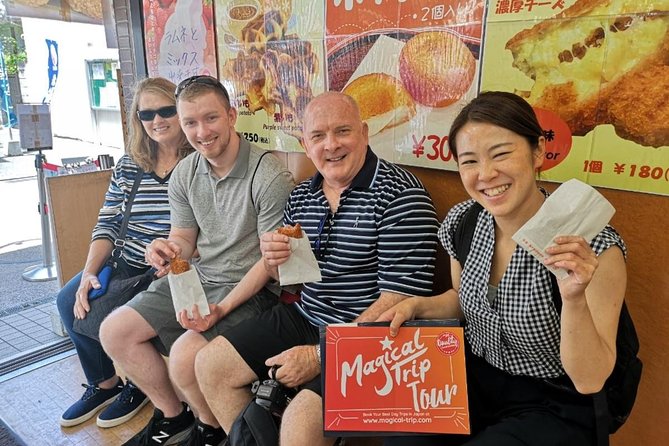
Your tour kicks off on the Komachidori shopping street with snack and street-food samplings. This matters more than it sounds. By the time you reach the first shrine, you’re warmed up and ready to walk, instead of hunting for breakfast and snacks on the fly.
Komachidori also does a nice job of giving you orientation. It runs in the area between the station exits and the shrine zone, so it naturally transitions you from train-station Tokyo energy into Kamakura’s slower rhythm.
One practical tip: don’t over-pack your plan for shopping right away. You’ll have enough time later to browse if you want, but on this kind of guided route, the goal is momentum. You’ll get the best experience by eating, walking, and letting the guide sequence the sights.
Tsurugaoka Hachimangu Shrine: more than a quick temple stop
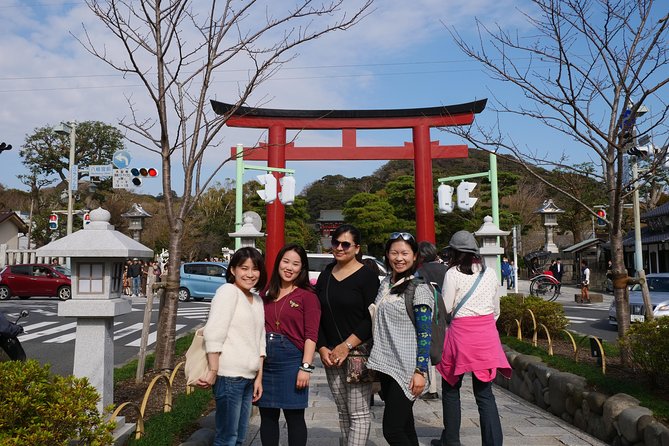
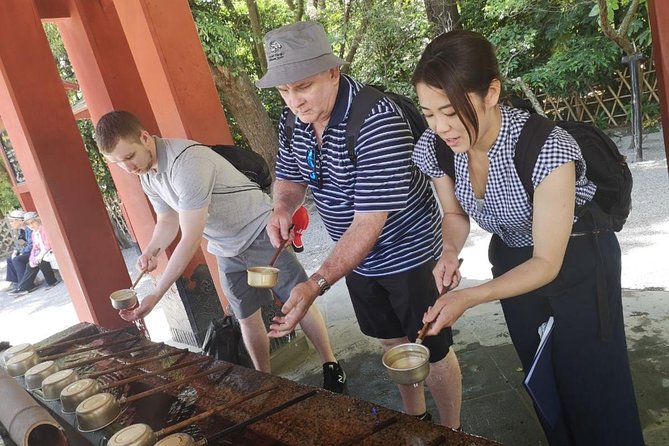
Tsurugaoka Hachimangu Shrine is the cultural anchor of Kamakura. It’s a Shinto shrine, and the whole place gives you that classic shrine feel—pathways, respectful atmosphere, and a layout that rewards a slower look.
A guide helps a lot here because shrines can be confusing if you don’t know what you’re seeing. When you understand what the shrine represents and how people approach it, you stop treating it like scenery and start treating it like a living place.
This stop also sets the emotional tone for the day. You move from street energy into a place where etiquette matters. That shift is part of the point, and it makes the rest of the tour feel more connected.
Hasedera Temple: coastline views, temple history, and a scenic walking break
Next comes Hasedera Temple, one of Kamakura’s older temples, said to date back to the Nara period. The real hook for most people is the views. You’ll get scenery looking toward the coastline, and the temple grounds are arranged so you’re walking through the sights rather than just staring at one building.
It’s also a temple with character. The area includes a hidden cave-style spot that adds variety from the usual “big hall photo” routine. If you like temples that feel like a place you could wander for hours, Hasedera scratches that itch.
You’ll also get a temple lunch here. The menu is vegetarian, and a vegan option is available, though it’s limited. I like that lunch is part of the package because it keeps your day from splitting into planning chaos. Just remember that vegetarian options in Japan are improving, but choices can still be limited depending on the kitchen and timing.
The other thing I’d watch: this leg includes hiking/walking that can feel uneven. Bring a towel and water, especially if you’re visiting in warmer months.
Kotoku-in Great Buddha: the icon, plus context that changes the photo
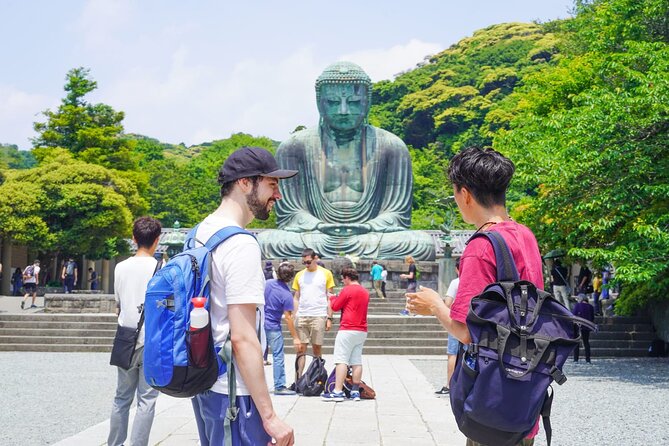
Then you hit the main event: Kotoku-in and the Great Buddha of Kamakura. This is the stop that most people came for, and it’s also the stop that can either feel like a quick checkbox—or a real experience.
What makes it better on a guided walk is context. You’re arriving after the shrine and temple sequence, so the Great Buddha doesn’t feel random. It feels like the climax of a whole day’s worth of place and tradition.
Time-wise, you’ll spend about 40 minutes at this stop. That’s enough to get a good look from the main viewpoint, take photos, and read what you can without rushing. The entrance fee is included, so you’re not stuck figuring out ticket lines right when you’re most excited.
Rain changes the plan in a helpful way. If trails are slippery or weather turns ugly, you’ll use the train to see the Buddha instead of doing the hiking route. That’s a big reassurance if you’re hoping to get to the icon no matter what.
Enoshima pass and Yuigahama beach: classic views and Mt. Fuji timing
After the Buddha, the day shifts toward the coast. You’ll pass by Enoshima Island, then reach Yuigahama Beach for photos.
Yuigahama is known for sandy shoreline and shallow waters. The best part for photographers is the Mt. Fuji angle across the ocean, when visibility cooperates. Even if you don’t get perfect Fuji clarity, you still get a strong coastal break that keeps the day from feeling like endless sacred-ground walking.
There’s also a short stop at Kamakura Seaside Park in the Yuigahama area. Think of it as another viewpoint moment—another chance to capture the ocean-and-sky vibe and stretch your legs.
This coastal section is also a nice contrast to earlier stops. You go from quiet courtyards and shrine grounds to open air and wide sky. If you’re the type who gets temple-fatigue, this is where your energy usually returns.
Price and value: what $98.44 buys you (and what doesn’t)
At $98.44 per person, this tour is priced like a day-trip package, not like a bare-bones city walk. You’re not just paying for a guide. You’re paying for convenience and inclusions that would cost you time (and usually money) if you did it alone.
Included:
- Entrance fees for the Great Buddha and Hasedera Temple
- Snacks on Komachidori
- Temple lunch (vegetarian; vegan available but limited)
- Photos during the tour
- A certified guide through MagicalTrip
- Mobile ticket
Not included:
- Transportation fee: 440 yen
Here’s how I see the math as a practical traveler: the biggest value is that you don’t have to stitch together tickets, meal planning, and a walking plan in one day. The route includes multiple paid entry sights and a structured lunch break, so the day stays easy to manage—especially if you’re new to Japan logistics.
Also, small-group size matters. With a cap of 7 travelers, you’re more likely to get real answers to your questions instead of doing a silent photo sprint.
Practical tips: shoes, water, weather swaps, and a smooth start
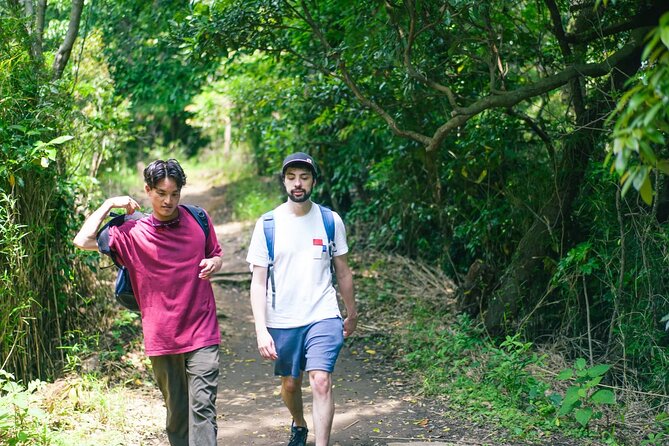
This tour includes around 5 km of walking, with about 2.5 km on hiking trails. Some parts can be slippery, so don’t treat it like a flat city stroll. Wear shoes with grip. If you’ve ever slipped on wet stone in Japan, you already know why this matters.
Bring water and a towel. The tour guidance is explicit about it, and that’s not overkill. Even when the day feels mild, you’re walking continuously and you’ll appreciate a reset at the right moments.
Plan clothing around Japanese weather extremes. Summer highs can reach about 40°C (110°F), and winter lows can hit -5°C (20°F). Dress in layers you can adjust, and carry a small pack rather than relying on “maybe I’ll buy something later.”
Start on time. The tour notes stress punctuality, and that’s fair. When you’re moving between temples and scenic stops, delays compound fast.
If weather ruins the trails, don’t panic. Rain triggers a train-based alternative to reach the Great Buddha. Routes may also change if hiking trails are unusable, so expect a flexible plan that prioritizes getting you to the key sights.
One more note on food: vegetarian and vegan options are available but limited, and the tour can’t guarantee allergy-free meals because the food is prepared in kitchens not owned by MagicalTrip. If your dietary needs are strict, you should plan carefully.
Should you book this Kamakura Great Buddha walking tour?
Book it if you want a guided, efficient day trip that hits the essential Kamakura sights without turning into logistics homework. The mix of Komachidori snack start, Tsurugaoka Hachimangu, Hasedera’s views, the Great Buddha at Kotoku-in, and the Yuigahama coastal photo stops is a strong way to spend 5 hours.
Skip it or rethink it if you hate uneven ground or you’re not comfortable with a slippery trail. Also consider your food needs—vegetarian is supported, but vegan and allergy-safe planning are not guaranteed.
If you’re visiting the Tokyo area and want one day that feels genuinely “Kamakura,” this is a solid, good-value way to do it.