REVIEW · HOI AN
Hoi An Ancient Town – Walking Tour with Local Guide
Book on GetYourGuide →Operated by CÔNG TY TNHH THANH HAI TRAVEL · Bookable on GetYourGuide
Hoi An Ancient Town hits different when you’re walking with local context. This small-group tour (up to 10 people) threads together the icons—temples, assembly halls, bridges, heritage houses—and does it with lots of indoor break stops so you’re not just baking on hot pavement.
I especially like how the guide’s stories help you read what you’re seeing, not just tick it off. One thing to plan for: the UNESCO site entrance ticket (120,000 VND) isn’t included and needs cash.
In This Review
- Key Things That Make This Tour Worth Your Time
- Hoi An’s Ancient Town Makes More Sense When You Start With This
- Meeting Point and First Steps: Get Oriented Before the Lanes Swallow You
- Ba Mu Temple Gate: The Tour Starts With a Meaningful Marker
- Fujian and Cantonese Assembly Hall: Spot the Chinese Influence Up Close
- Japanese-Covered Bridge: Iconic Views Plus a Better Photo Plan
- Kazik Park and the Heritage Houses: Where Stories Turn Personal
- Museum of Folk Culture and Hoi An Market: The Everyday Side of Town
- Tea, Dessert, and That Included Drink Moment
- Price and Value: Why $14 Can Still Be a Smart Spend
- Timing, Weather, and What to Wear
- How the Guide Changes the Experience (Trung, Duy, and More)
- Who Should Book This and Who Might Skip It
- Should You Book It? My Practical Take
- FAQ
- How long is the Hoi An Ancient Town walking tour?
- What is the group size?
- Is the UNESCO entrance ticket included?
- Where do I meet the guide?
- Is pickup or drop-off included?
- Is the tour guided in English?
- Does the tour include tea or dessert?
- Does the tour help me skip long lines?
- Are strollers allowed and is it suitable for babies?
Key Things That Make This Tour Worth Your Time
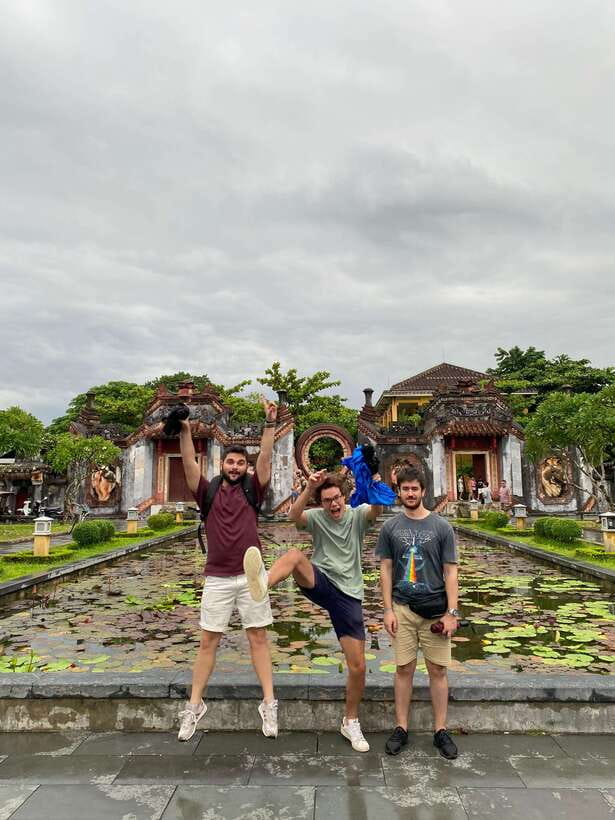
- Small group (max 10) keeps you together in tight lanes and crowded spots.
- Indoor breaks make the walk feel manageable, even when the heat or rain turns up.
- All-in-one highlights cover the major landmarks in one go.
- Tea or local dessert included gives you a real taste of Hoi An’s calm pace.
- Skip-the-line access via a separate entrance saves time at the key sites.
- Restaurant and tailor recommendations help you keep exploring after the tour ends.
Hoi An’s Ancient Town Makes More Sense When You Start With This

Hoi An’s old streets can feel like a maze at first. With no plan, you can end up doing a lot of walking and still miss the “why” behind the buildings. This tour is built to fix that fast. In about 150 minutes, you get a guided walk across the area most first-timers want to see, plus the cultural glue that connects it all.
What you’re really paying for isn’t just access to landmarks. It’s a route that reduces wandering, plus a guide who helps you understand the mix of influences that shaped Hoi An—Vietnamese, Chinese (Fujian/Cantonese), and Japanese.
The pace is also practical. The itinerary is packed with stops, but the tour includes many indoor breaks, which matters in Vietnam when the weather can change your mood more than you expect.
You can also read our reviews of more walking tours in Hoi An



Meeting Point and First Steps: Get Oriented Before the Lanes Swallow You
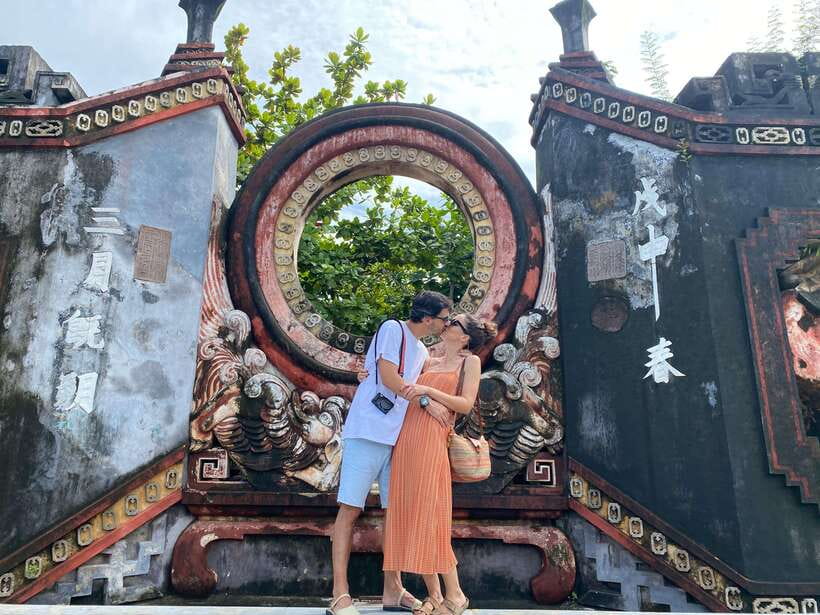
You’ll meet at 95 Đ. Phan Chu Trinh Street, in front of a tailor shop on the corner of the intersection. It’s a simple meetup, but in the old town, simple beats complicated. You’ll start with the group together, which is the key to not losing time later.
From there, you’ll move toward the Ancient Town core and begin with a landmark that sets the tone. The best part is how the guide uses the walk to teach you how to read the streets: where people gather, what buildings were for, and why certain areas feel more formal or more communal.
If you’re visiting during busy times, the group size and guiding style really matter. Several recent groups talked about crowded periods (including Tet), and the difference-maker was staying close and moving with purpose rather than getting separated in the chaos.
Ba Mu Temple Gate: The Tour Starts With a Meaningful Marker

Your route begins at the Ba Mu Temple gate, a fitting starting point because it gives you context right away. Gates and temples in Hoi An aren’t random photo backdrops. They often signal the kind of community gathering that shaped daily life—belief, neighborhood ties, and public rituals.
Even if you only have a short stay, starting here helps you connect later sites that may look similar at first glance: old façades, carved details, and shared architectural patterns. Once you know the “purpose” of these spaces, the architecture becomes easier to understand instead of just being old.
A small practical bonus: you’re likely to be more relaxed at the start than later, when you’ll be deeper into crowds and tighter lanes. This tour helps you get your bearings early.
Fujian and Cantonese Assembly Hall: Spot the Chinese Influence Up Close

Next you’ll visit the Fujian/Cantonese Assembly Hall in Hoi An. This is one of those stops that makes Hoi An feel like a living trade hub rather than a museum. Assembly halls tell you how merchant communities organized themselves—where identity, mutual help, and community events would happen.
Look closely at the building’s details. Even when you don’t know all the terms, the guide’s explanations help you notice what you’d otherwise walk past: why the hall exists, what it represents, and how it links to Hoi An’s historic trading connections.
Potential drawback to consider: because it’s a major site, you may see other visitors nearby. The tour’s value is that you’re not just standing there; you’re learning what you’re looking at so the wait feels shorter.
Japanese-Covered Bridge: Iconic Views Plus a Better Photo Plan
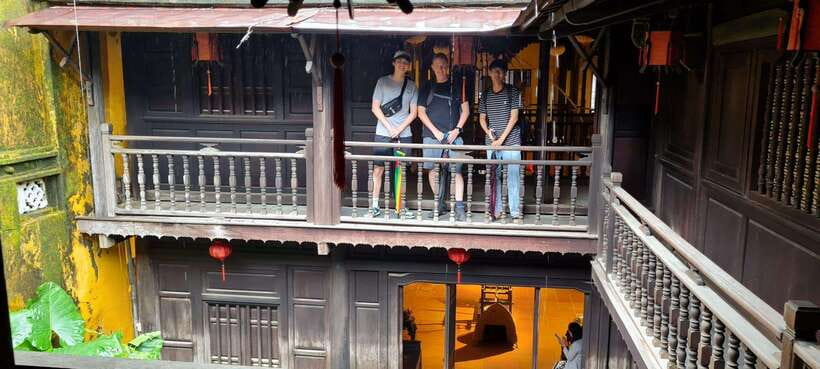
Then comes the Japanese-covered bridge, one of Hoi An’s signature images. If you’ve seen photos online, you already know the shape. The difference here is how the guide frames it—what it was for and how it fits into the broader story of foreign merchant communities in the region.
You’ll also get a practical benefit: your guide helps manage photo time so you’re not stuck taking pictures while people keep pushing past. The walk includes time at key points for photos, which makes the experience feel less rushed than self-guided sightseeing.
If you’re photographing, aim to slow down and shoot from more than one angle. Even small changes in viewpoint can show different parts of the bridge and its surroundings. The guide’s pointers can save you time hunting angles yourself.
Kazik Park and the Heritage Houses: Where Stories Turn Personal
After the iconic bridge, the tour shifts into a slightly more reflective pace. You’ll pass through or visit Kazik Park and then head to Tấn Kí Heritage House. These stops feel more intimate than the big headline landmarks.
At the Tấn Kí Heritage House, you’re looking at everyday-style heritage spaces—places that help you picture how families lived and how wealth and influence showed up in domestic architecture. A guided explanation here makes a big difference because heritage houses can be visually impressive but still confusing without context.
Then there’s the Hoi An Traditional Art Performance House. This is where you get a glimpse of how culture stays active, not just preserved behind glass. Even if you’re not planning to watch a performance right after, you’ll leave with a clearer sense of what you might notice later if you do.
One small consideration: heritage and performance spaces can have their own rules and schedules. If a site is crowded, your best strategy is to follow the guide and use the indoor pauses wisely.
Museum of Folk Culture and Hoi An Market: The Everyday Side of Town
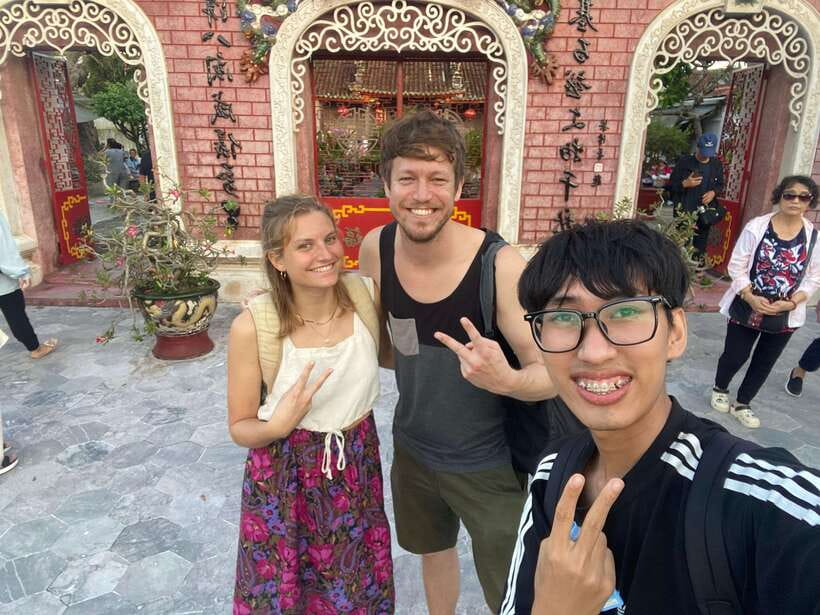
The Museum of Folk Culture gives you the “why” behind objects and traditions you’ll see everywhere in Hoi An. Museums can sometimes feel dry, but when they’re tied into what you already walked through, they click. You’ll come away better at recognizing the themes that shaped local life: crafts, household items, and cultural practices.
Finally, you’ll end at Hoi An Market. This isn’t just about buying things. The market is where you see daily rhythms: how locals move, what’s for sale, and how the old town functions beyond its postcard layer.
If you want to shop after your tour, market time is a smart place to start because you’ll have a better sense of what’s worth your attention versus what’s purely souvenir-style. It’s also a good environment to ask your guide for advice, since they can point you toward good options without steering you into tourist traps.
Tea, Dessert, and That Included Drink Moment

One of the tour highlights is the included refreshment: you’ll savor tea or a local dessert. It might sound like a small add-on, but I think it’s a key part of making the walk feel human.
A few guides also end with a cooling herbal drink at Mót, which shows up in the tour experience often enough to be worth looking forward to. If you’re heat-sensitive, this kind of stop helps you keep energy for the rest of your day—especially after you’ve been walking through indoor and outdoor spaces.
If you have dietary needs, the tour info only guarantees tea or dessert, so it’s smart to mention preferences when you meet your guide.
Price and Value: Why $14 Can Still Be a Smart Spend
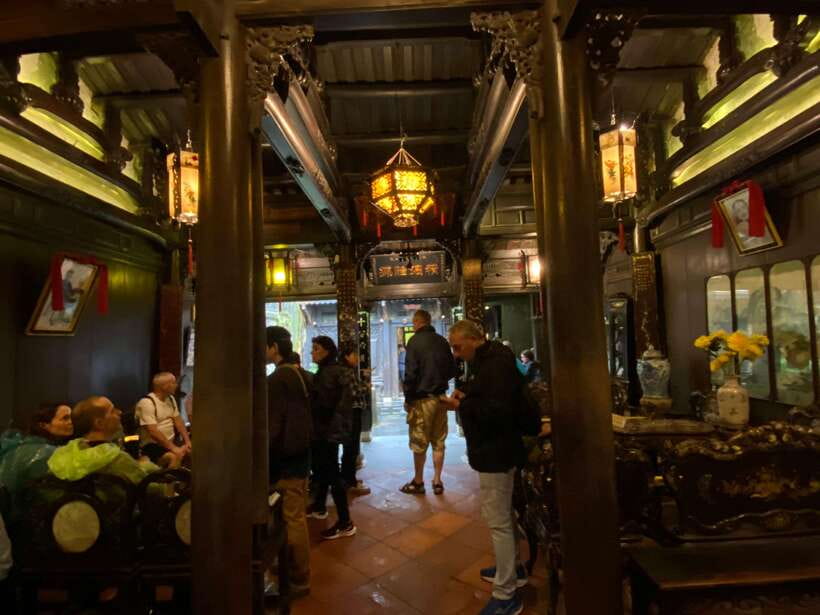
At $14 per person for 150 minutes, this tour is priced like a budget-friendly orientation—yet it includes the things that usually cost extra: an English-speaking local guide, time at major heritage sites, and an included snack/drink.
But the value depends on one detail: the UNESCO entrance ticket is extra at 120,000 VND per person, and it needs to be paid in cash. If you show up without the cash, you’ll slow down at the gate. So plan ahead and keep that in your day bag.
Also note that the tour includes skip-the-line access via a separate entrance. That saving matters in a place where queues can form quickly, especially during holidays. Combine that with the small group size and indoor breaks, and the total experience feels smoother than a do-it-yourself sprint.
The other “hidden value” is the recommendations. Many guides in recent groups shared good leads on restaurants, coffee shops, and tailor options. That can save you a lot of time later, because you’re not spending your first hours guessing where to eat or what to try.
Timing, Weather, and What to Wear
This walk is designed for comfort. Wear comfortable clothes. You’ll be walking through heritage areas where surfaces can vary, and you’ll want your feet to feel normal by the end.
Strollers aren’t allowed, and the tour isn’t suitable for babies under 1 year, so it’s best for people traveling as adults or older kids who can handle the walking.
If you’re visiting in rain or heat, lean into the tour’s structure. The itinerary includes many indoor stops, which is exactly what you want when weather messes with your plans. Even on busy days, the key is staying with the group and using the breaks instead of sprinting between sites.
How the Guide Changes the Experience (Trung, Duy, and More)
The guide is the heart of this tour. People consistently praise the guides for being funny, engaging, and quick to answer questions. Names that come up frequently include Trung, Duy, Tom, Yui, Tin, and Trang.
What makes this important for you is simple: Hoi An isn’t just “pretty old buildings.” It’s a layered town—architecture shaped by trade, family wealth, and community traditions. When a guide can explain those layers clearly, it changes how you walk through the streets.
You’ll also get practical after-tour help. Several groups noted guides sending follow-up recommendations (for what to do next, where to eat, and other activities). That turns the tour into a starting point instead of a one-off event.
Who Should Book This and Who Might Skip It
This tour fits best if you:
- Are in Hoi An for a short time and want the core sights without planning every turn.
- Like culture and stories, not just photos.
- Appreciate a small group and smoother navigation through crowded lanes.
- Want help with what to do next, especially food and tailor suggestions.
You might consider skipping (or choosing a different format) if:
- You want a totally free-form schedule with no structure.
- You don’t want to handle the extra cash entrance ticket.
- You’re traveling with a stroller or have an infant under 1 year.
Should You Book It? My Practical Take
Yes, you should book it if you want your first hours in Hoi An to feel organized and meaningful. This tour is a strong value because it combines major landmarks, a guide who connects the dots, and enough indoor breaks to keep the pace comfortable.
Just go in prepared: bring cash for the UNESCO ticket (120,000 VND), wear comfortable shoes, and show up at the meeting point (95 Đ. Phan Chu Trinh) so you start together.
If Hoi An is high on your list, this is the kind of tour that gives you context for everything you’ll see afterward—so your self-guided wandering feels easier and more rewarding.
FAQ
How long is the Hoi An Ancient Town walking tour?
The tour runs for about 150 minutes.
What is the group size?
It’s a small group with a maximum of 10 participants.
Is the UNESCO entrance ticket included?
No. You need an entrance ticket for 120,000 VND per person, paid in cash.
Where do I meet the guide?
You’ll meet at 95 Đ. Phan Chu Trinh Street in front of a tailor shop, at the corner of the intersection.
Is pickup or drop-off included?
No pickup or drop-off is included.
Is the tour guided in English?
Yes, the guide speaks English.
Does the tour include tea or dessert?
Yes. You’ll have traditional dessert or local tea during the tour.
Does the tour help me skip long lines?
Yes. It uses a separate entrance to help you skip the line.
Are strollers allowed and is it suitable for babies?
Baby strollers are not allowed. The tour is not suitable for babies under 1 year.