REVIEW · WROCLAW
Group city tour (walking tour) through Wroclaw in German
Book on GetYourGuide →Operated by Wroclaw View · Bookable on GetYourGuide
Wrocław makes more sense on foot. A German-language group tour takes you through the city center and beyond, starting at the Pillory and ending at Cathedral Island, with major sights organized into a tight 2-hour route.
I especially like the order of stops and the way you get time at Wrocław Market Square and the nearby town center landmarks to actually understand what you’re looking at. One possible drawback: it’s still a walking tour, so if you’re not great on stairs or longer strolls, plan for comfortable shoes and be ready for weather changes.
In This Review
- Key points at a glance
- A German-Language Walk That Helps You Read the City
- Is $33 Good Value for 2 Hours?
- Starting at the Pillory: Get Oriented Fast
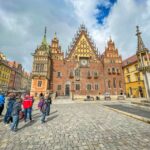
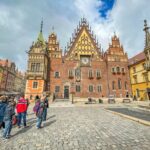
- Wrocław Market Square and Town Hall: The City’s Center of Gravity
- Salt Market Square: Trade, Names, and What the Streets Tell You
- St. Elizabeth’s Church: Architecture and a Tower View Plan
- Hansel and Gretel Houses: When a Legend Sits on the Street
- Wrocław University and the Fencer Fountain: Education and Public Space
- Wrocław Market Hall and the Workday Feel of the Center
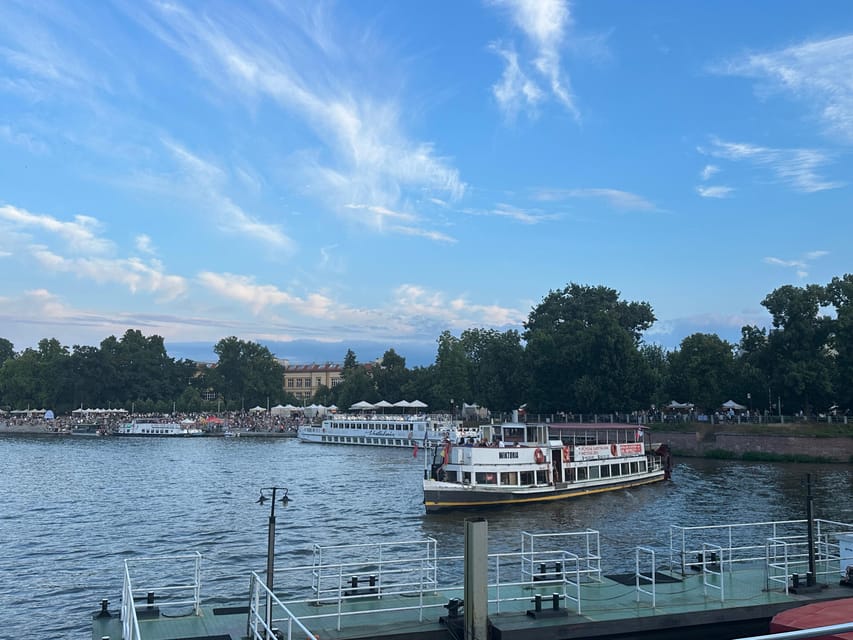
- Sand Island and Tumski Bridge: Moving Toward Cathedral Island
- Wrocław’s Gnomes and Cathedral Island: Oldest Parts First
- Wrocław Cathedral Finish: A Strong Ending Point
- Who This Tour Suits Best
- Should You Book This German Walking Tour?
- FAQ
- How long is the Wrocław group walking tour?
- What language is the live guide?
- Where does the tour start?
- Where does the tour finish?
- What sights are included on the route?
- Is it a walking tour?
- Is skipping the ticket line included?
- What happens if the weather is bad?
- Can I cancel for a refund?
- Is the tour wheelchair accessible?
Key points at a glance
- German live guide with professional clarity that keeps the stories easy to follow
- Two-hour highlight route that covers Wrocław’s best-known landmarks without dragging
- Skip-the-ticket-line option where entries require it
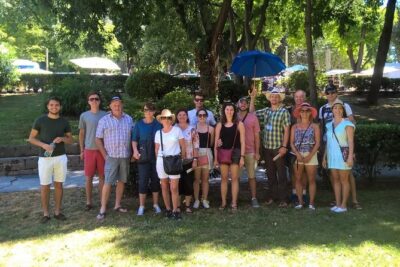
- Small-group feel and personal attention for questions along the way
- Weather-proof planning with guidance on what to wear and what happens in extreme conditions
A German-Language Walk That Helps You Read the City
Wrocław is one of those places where the details matter. If you only skim the streets, you miss why the buildings look the way they do and what those names actually refer to. This tour is built around keeping you moving while still making the sights make sense.
The biggest advantage is the German live guide. The tour is language-focused, so if you speak German or want German practice with real-world context, this is a practical way to do it. You’ll also have room for questions, which turns the walk from passive sightseeing into active learning.
The walking pace is worth thinking about. It’s a group city tour, so you’ll follow the rhythm of the group and the guide’s timing. If you want to linger for photos for a long time at every stop, plan on doing that on your own before or after the tour.
You can also read our reviews of more walking tours in Wroclaw

Is $33 Good Value for 2 Hours?
At $33 per person for a 2-hour guided walk, you’re paying for two things: time and structure. In a city like Wrocław, structure is what saves you from wandering in circles and guessing which landmarks are actually worth your attention.
This tour hits a lot of top stops that would take serious effort to line up yourself—Market Square, Town Hall area sights, St. Elizabeth’s Church, the Hansel and Gretel houses, Wrocław University, the Market Hall area, and the Cathedral Island finale. Even with just two hours, the route is paced to connect themes: city governance, architecture, education, and religious heritage.
Another value point: skip the ticket line is included. You’re not guaranteed to save time at every single stop (depends on what’s ticketed), but having that option usually helps the schedule stay smooth instead of stalling at entrances.
Starting at the Pillory: Get Oriented Fast
Every good city walk starts with a point that makes the map click. Here, you begin at the Pillory, then move into the historic core. That first segment matters because you’ll quickly learn how the center is laid out and where the key landmarks sit relative to each other.
From there, the tour leads you into the Market Square area. This is where Wrocław’s historic identity shows up at street level. You get to see the focus of civic life and the kind of architecture that still shapes how the city feels today.
If you’re the type who likes to understand a place early, the opening is a strong start. You’re not doing a random collection of buildings—you’re building a mental map while you walk.
Wrocław Market Square and Town Hall: The City’s Center of Gravity
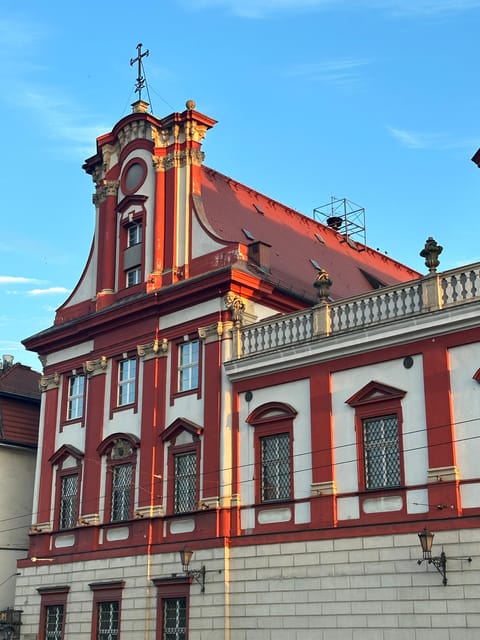
The walk into Market Square puts you in the heart of the old city. The town square isn’t just scenery—it’s where civic power and daily life overlap. With a guide on hand, you can notice patterns you’d likely miss alone, like how the street edges frame the landmark buildings.
The Town Hall stop is a highlight because it anchors the rest of the story. It’s the kind of landmark that can look impressive but vague if you don’t know what to look for. With a German-speaking guide, you’ll get explanations that connect the building to the city’s development and why it became such a centerpiece.
One practical tip: Market Square is an easy place to spot photo opportunities. If you want the classic shots, do them early while the group is gathering and before you’re moving again.
Salt Market Square: Trade, Names, and What the Streets Tell You
After Town Hall area sights, you continue toward Salt Market Square. The name alone nudges you toward the trade story—why certain squares existed, how goods moved, and why places like this became important enough to keep prominence through the centuries.
This stop is ideal for travelers who like meaning behind labels. The guide’s job here is to connect the square’s identity to the city’s bigger picture, so you don’t treat it as just another pretty corner.
The biggest benefit of including Salt Market Square is pacing. It breaks up the walk so the architecture stays interesting, but it still feeds the larger narrative about Wrocław as a trading and civic hub.
St. Elizabeth’s Church: Architecture and a Tower View Plan
Then comes St. Elizabeth’s Church (Elisabethkirche). This is one of Wrocław’s most recognized tall church landmarks, and the tour builds around that impact instead of rushing past it.
One of the listed included highlights is the view from its tower. That matters for two reasons. First, it gives you a different perspective on the city layout. Second, it helps you understand how the historic center is organized in relation to what you saw earlier.
A practical consideration: tower stops often involve stairs or uneven steps. The tour is wheelchair accessible, but not every specific point inside or on towers may match that. If you’re relying on mobility support, it’s smart to ask what sections are accessible when you join.
Hansel and Gretel Houses: When a Legend Sits on the Street
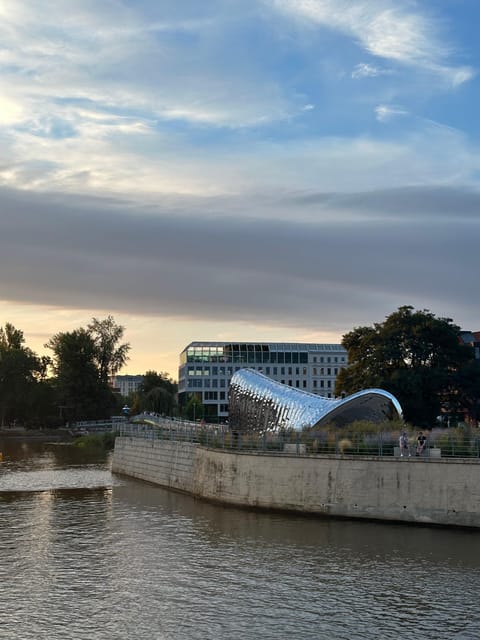
You’ll also visit the Hansel and Gretel houses. This is the kind of stop that works even if you’re not a “legend person.” The building facades are visually distinctive, and the story attached to them makes them memorable.
The real win here is how the guide connects the look of the buildings to the idea behind the nickname. Instead of treating the houses like a quick photo stop, you learn why the city points people there in the first place.
This is a good moment to slow down for photos. The houses are the sort of place you want at least one steady look, not just a glance while walking.
Wrocław University and the Fencer Fountain: Education and Public Space
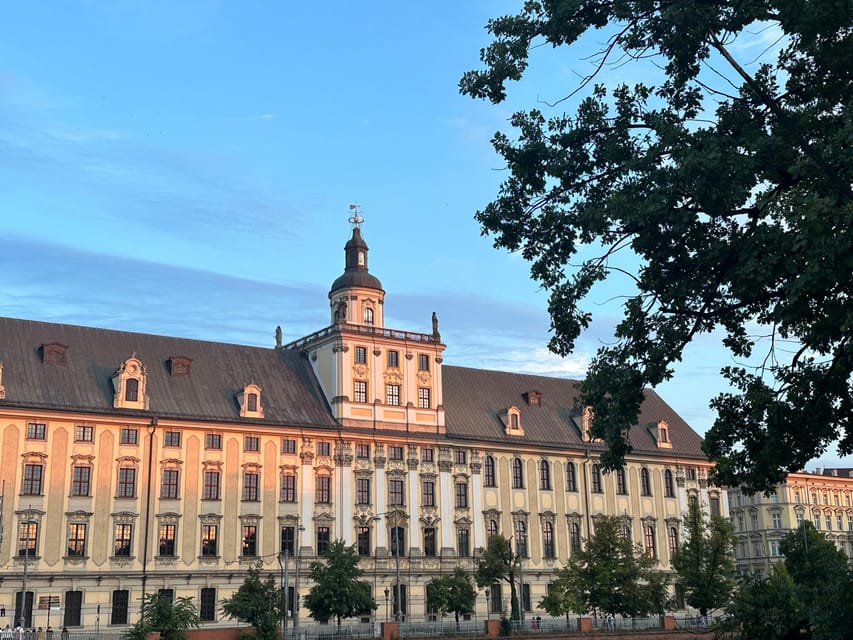
Next up is the University of Wrocław, described as one of the oldest universities in Central Europe. That’s not just trivia—it changes the tone of the tour because you shift from civic and religious landmarks to learning and institutions.
The guide explains why the university matters to Wrocław and what role it played over time. When you connect an old university to a city, you start seeing how ideas, people, and prestige ripple through the streets.
Then you’ll pass by the Fencer Fountain. This kind of public landmark adds texture to a walking tour. Churches and squares can feel heavy with grandeur; public art and quirky symbols help balance the mood and keep your attention engaged.
Wrocław Market Hall and the Workday Feel of the Center
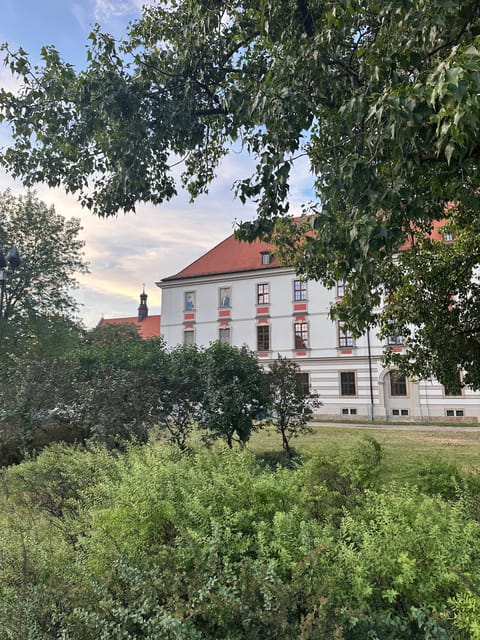
The itinerary includes Wrocław Market Hall, a historic building tied to local trade life. The advantage of having this stop on a guided route is that you get context for what you’re looking at: what makes the hall important, and why it continues to matter in the city’s rhythm.
This is also a nice change in pace. After earlier architecture and landmark viewing, Market Hall gives you a more “lived-in” feel. Even if you only glance inside, you’ll likely pick up how the building functions as a meeting point.
If you’re visiting in a busier season, Market Hall is the place where time can get easy to lose. You’ll want to balance your attention between what the guide is pointing out and leaving yourself enough time to wander a bit on your own after the tour.
Sand Island and Tumski Bridge: Moving Toward Cathedral Island
The tour continues toward Sand Island and then Tumski Bridge. These stops matter because they transition you from the dense civic center to a more “heritage and place” part of town.
Bridges are underrated for understanding a city. They show you how different areas connect, and they force you to notice sight lines. On this route, Tumski Bridge is part of the setup for the final historical core—Cathedral Island.
If you’re traveling with kids or anyone who needs frequent photo moments, this bridge segment tends to work well. It breaks the walk into sections and gives you a visible reason to pause.
Wrocław’s Gnomes and Cathedral Island: Oldest Parts First
One of the fun stops is Wrocław’s Gnomes. Wrocław is known for these playful details around the city, and having the tour guide point you toward them turns a scavenger-style moment into something you can actually understand and enjoy.
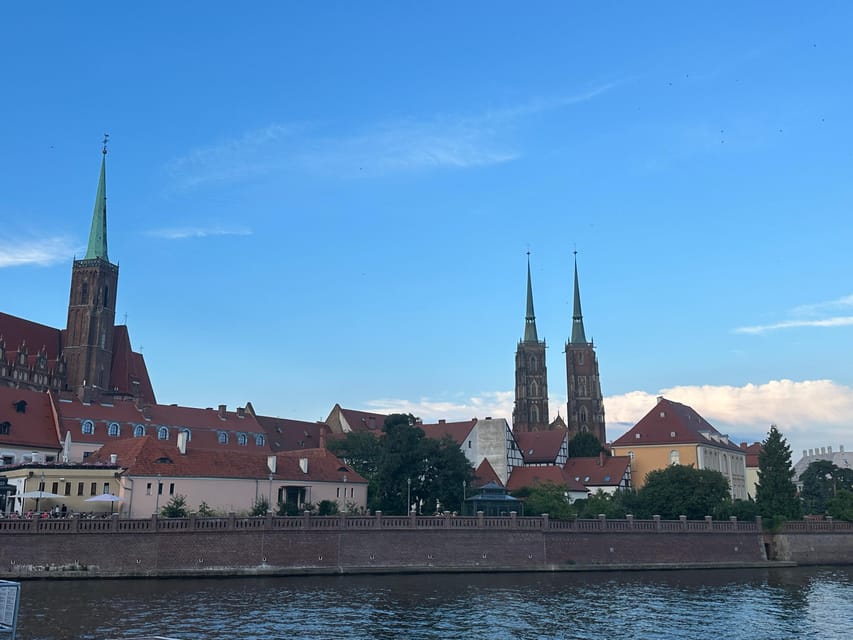
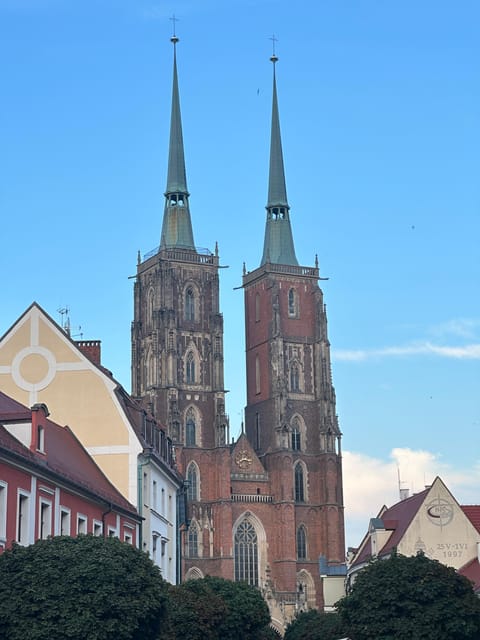
Then you reach Cathedral Island, described as the oldest part of Wrocław. This is where the tour’s themes converge. You’ve walked through civic life, trade landmarks, education, and public space—now you shift into religious heritage and older layers of the city’s identity.
This portion is often the emotional payoff of a short tour. The guide’s job here is to help you see the island as more than a viewpoint. It’s a historical anchor where Wrocław’s character feels older and more grounded.
Wrocław Cathedral Finish: A Strong Ending Point
The tour ends at Wrocław Cathedral—specifically finished at the Cathedral of St. John the Baptist (Собор святого Івана Хрестителя у Вроцлаві). Ending here is smart because it’s a dramatic landmark with a sense of closure.
If you want to keep momentum after the walk, this ending is practical. You can branch out from a major site rather than being dropped back into the middle of traffic. It’s also a good place to decide your next step: linger for photos, explore nearby streets, or plan a second visit to something you want to see longer.
If you’re curious about architecture, this final stop is also a strong cue. Seeing the cathedral after earlier stops—especially the church and the historic center—helps you compare styles and eras more clearly.
Who This Tour Suits Best
This is a great match if you:
- Want a German-guided introduction to Wrocław’s top sights
- Prefer a structured route over planning your own day
- Like getting context so buildings feel less random
- Appreciate a guide who can answer questions as you walk
It might not be your best fit if you:
- Want to spend long hours inside attractions rather than moving between highlights
- Need frequent long breaks every 10–15 minutes
- Expect a fully flexible pace where you can ignore the group entirely
Should You Book This German Walking Tour?
If you’re visiting Wrocław for the first time and want your day to feel organized without feeling rushed, I’d say yes, it’s worth booking. For $33, you get a strong selection of landmarks that map to the city’s identity, plus German live guiding and the added time-saving option of skip-the-ticket-line where applicable.
It’s also a good choice for travelers who like asking questions in real time. And if you’re worried about weather, the tour is designed for normal conditions and gives clear guidance for extreme ones.
If you’re short on time but want real understanding, this 2-hour walk is a solid way to start your Wrocław trip with your bearings.
FAQ
How long is the Wrocław group walking tour?
The tour duration is 2 hours.
What language is the live guide?
The live tour guide speaks German.
Where does the tour start?
The tour starts at the Pillory.
Where does the tour finish?
The tour finishes at the Cathedral of St. John the Baptist in Wrocław (Собор святого Івана Хрестителя у Вроцлаві).
What sights are included on the route?
The tour includes stops such as Wrocław Market Square, Wrocław Town Hall, Salt Market Square, St. Elizabeth’s Church, the Hansel and Gretel houses, the University of Wrocław, the Fencer Fountain, Wrocław Market Hall, Sand Island, Tumski Bridge, Wrocław’s Gnomes, Cathedral Island, and Wrocław Cathedral.
Is it a walking tour?
Yes, it’s described as a group city tour (walking tour).
Is skipping the ticket line included?
Yes, skip the ticket line is included.
What happens if the weather is bad?
The tours usually take place in all weather conditions. In extreme weather, the provider may cancel or postpone the tour, and you’ll be informed in good time with an alternative solution.
Can I cancel for a refund?
Free cancellation is available up to 24 hours in advance for a full refund.
Is the tour wheelchair accessible?
Yes, it is wheelchair accessible.