REVIEW · FERRARA
Ferrara: City Highlights Walking Tour with Local Guide
Book on GetYourGuide →Operated by Consorzio Visit Ferrara · Bookable on GetYourGuide
Ferrara doesn’t waste your time; it teaches as you walk. This 2-hour highlights tour strings together the city’s Middle Ages-to-Renaissance story through big sights and calmer pockets of green, all with a local guide who keeps the facts clear and the pace friendly. I especially like how the route connects symbols (the Estense Castle) to the planned Renaissance city (the Addizione Erculea), and how you get both palaces and a quieter cemetery-church stop. One thing to plan for: it’s outdoors most of the way, so bring an umbrella if rain is in the forecast.
You start with the best orientation Ferrara can offer: where power sat, how streets were drawn, and why certain buildings matter. You’ll finish with views and symbolism that make the city feel sized just right—walkable, readable, and surprisingly easy to follow. The main consideration is that entrance tickets aren’t included, so if an internal stop requires payment on the day, you’ll want to have a little extra budget ready.
In This Review
- Key moments worth planning for
- Ferrara’s Renaissance “read” starts before you even walk in
- Estense Castle: the symbol you can see right away
- Corso Ercole I d’Este and Biagio Rossetti’s Renaissance addition
- Palazzo dei Diamanti: planned Ferrara in a single stop
- Addizione Erculea strolling: human scale and great pacing
- Massari Park and the University Botanical Garden: a pause that makes the story breathe
- S. Cristoforo alla Certosa: cemetery history plus Renaissance church interior
- Piazza Ariostea: ending with the poet and the loggia
- The 2-hour pace: enough depth for a first look
- Price and value: $17 for a guided story, not just a route
- Who should book this walking tour in Ferrara?
- Should you book Ferrara’s City Highlights walking tour?
- FAQ
- How long is the Ferrara City Highlights walking tour?
- Where do I meet the guide?
- What language is the tour guide?
- Is an audio guide included?
- Are entrance tickets included?
- Is the tour wheelchair accessible?
Key moments worth planning for
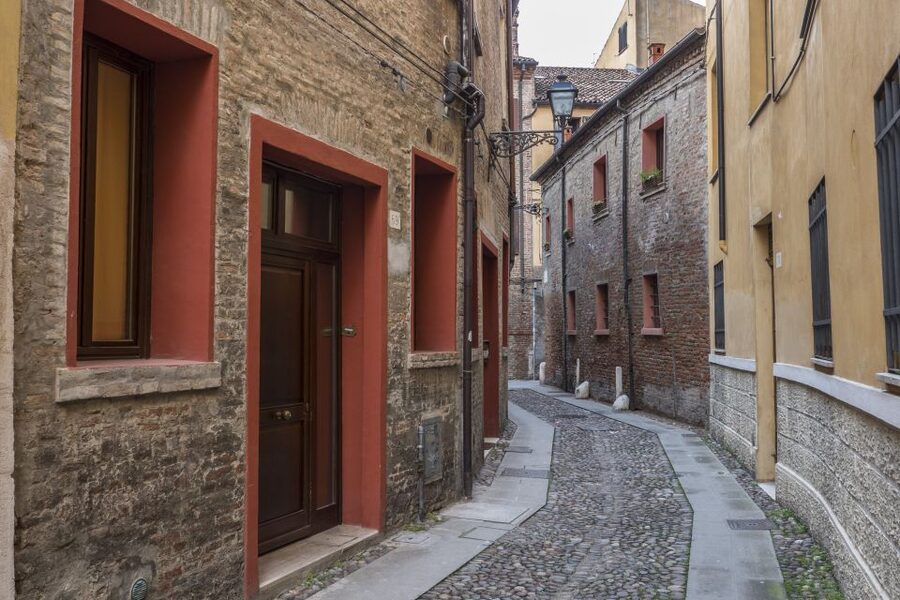
- Estense Castle courtyard meeting point near the loggia, for an easy start
- Corso Ercole I d’Este and the Renaissance addition linking castle to the north gate
- Palazzo dei Diamanti in the Addizione Erculea, Ferrara’s famous planned expansion
- Massari Park with centuries-old cedar trees and a quick reset before the churches
- S. Cristoforo alla Certosa and its Renaissance church visit inside a monumental cemetery setting
- Piazza Ariostea ending in front of the poet’s statue and loggia
Ferrara’s Renaissance “read” starts before you even walk in
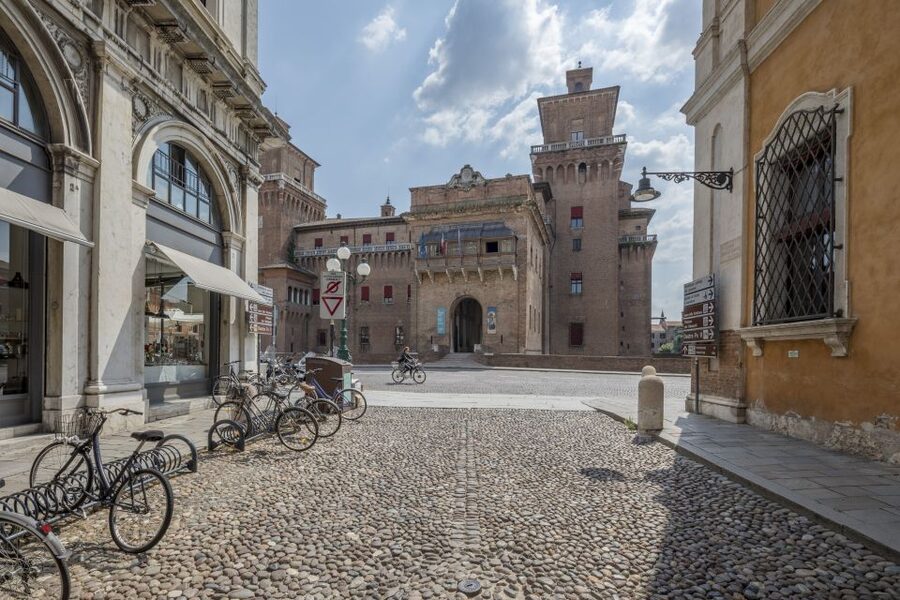
Ferrara can feel like a city built to be understood, not just admired. The reason this tour works so well is that it’s not a checklist—it’s a guided storyline through spaces that show how Ferrara evolved, from medieval authority to Renaissance planning. In other words, you don’t just see landmarks; you learn why the city’s layout and buildings relate to each other.
You’ll also feel the scale. This is a human-sized place where you can actually connect one stop to the next in your head, without sprinting across town. That matters in a 2-hour format, because the goal isn’t exhaustion—it’s getting bearings fast and leaving with a mental map you’ll use later.
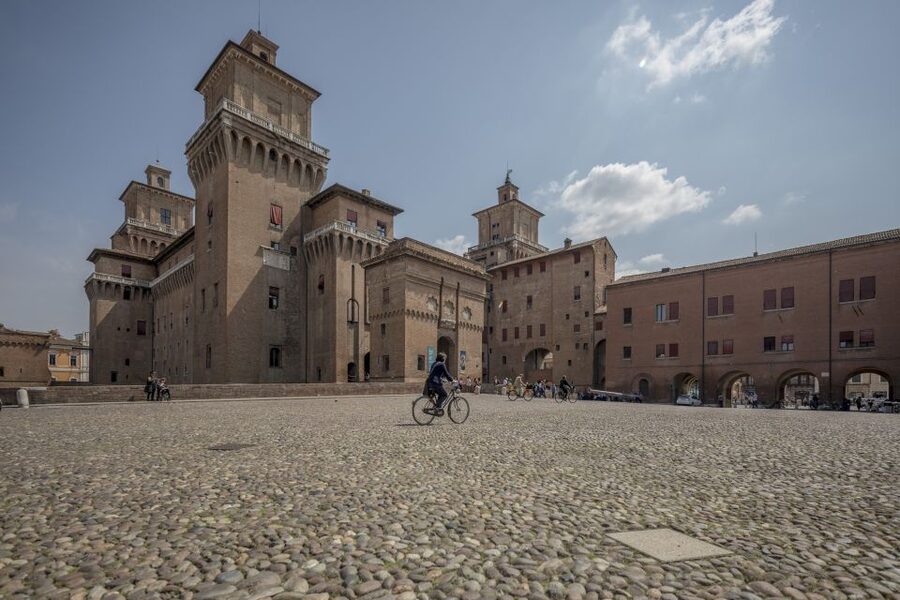
Estense Castle: the symbol you can see right away
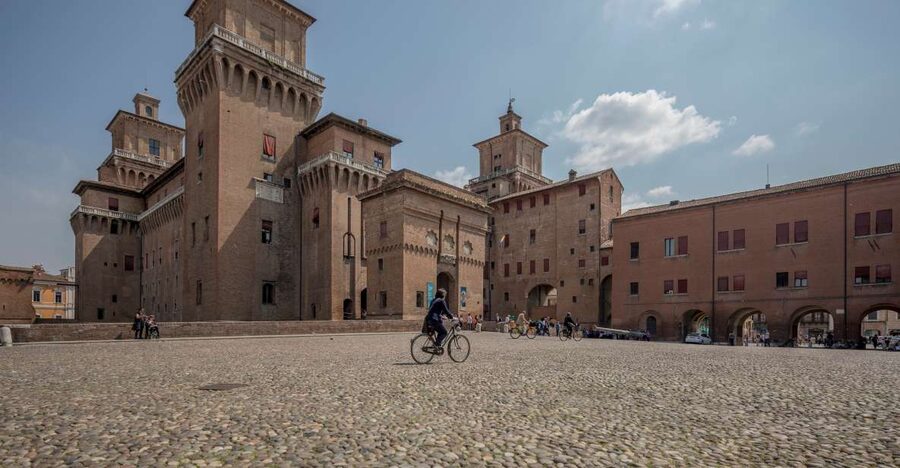
Most Ferrara tours start at a landmark. This one starts at the one that explains the whole city. You meet in the courtyard of Estense Castle, near the loggia, which is a smart setup: you get a sense of orientation before the route even begins.
From here, the guide points out the connections to Corso Ercole I d’Este, the road linking the castle to the north gate of the walls. It’s a small detail that turns into a big idea—power didn’t sit in isolation, it organized movement through the city. Even without going inside everything, you can understand the logic of the plan through what you can see and what your guide explains.
Corso Ercole I d’Este and Biagio Rossetti’s Renaissance addition
The highlight isn’t just the road itself. It’s how your route uses that road to introduce the Renaissance Addition commissioned by Ercole I d’Este, carried out with the Ferrarese architect Biagio Rossetti. That’s exactly the kind of specific naming that helps Ferrara feel real, not generic.
The tour treats this as the bridge between eras. You’re moving physically through the city, but the guide is also moving you from medieval patterns into Renaissance urban thinking. You’ll learn how the castle connects to the walled city and how this planned growth shaped the streets around you.
Why this matters for your day: it turns the walking into interpretation. Instead of just watching buildings go by, you start noticing relationships—how streets align, how expansions wrap into the city, and why certain areas developed when they did.
Palazzo dei Diamanti: planned Ferrara in a single stop
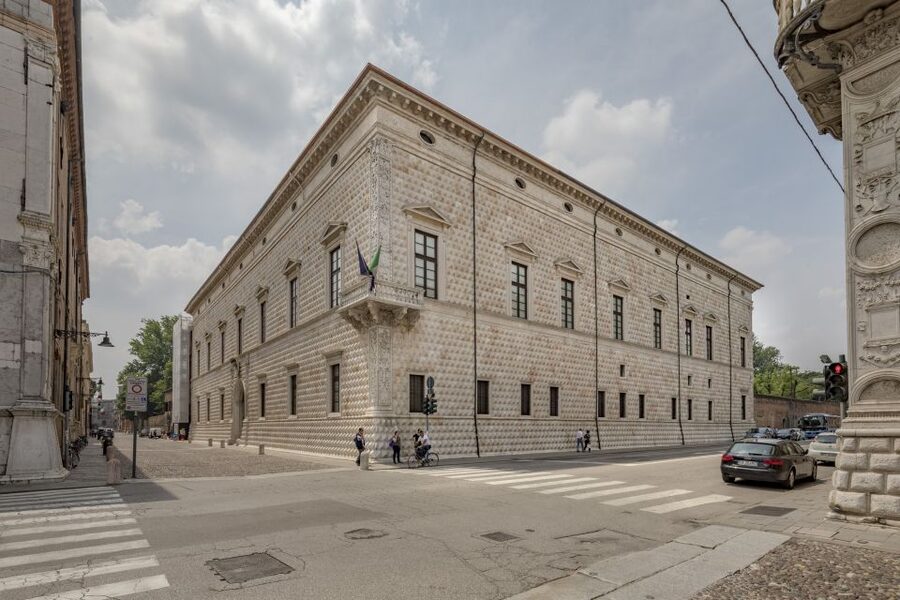
After the castle-road thread, you arrive at the original Palazzo dei Diamanti in the heart of the Addizione Erculea. This is where the tour slows down just enough to let the architecture land.
The Addizione Erculea itself is an end-of-the-15th-century urban expansion plan, and your guide uses the palazzo to make that planning visible. It’s one thing to hear about a “planned expansion,” but it’s another to stand in its center and look at how the building belongs to the design logic of its time.
This is also a nice moment to reset your eye. The palazzo helps you understand that Ferrara’s Renaissance isn’t only churches and squares—it’s also residences, civic identity, and the way cities choose to expand.
Addizione Erculea strolling: human scale and great pacing
Ferrara has a way of rewarding attention to layout. Walking between stops in the Addizione area feels like moving through an intentional stage set—built with structure, but still livable. That’s part of why the tour description emphasizes Ferrara as magical and human-sized, and you’ll feel that in the route.
Your guide keeps the pacing practical for a 2-hour loop, so you’re not stuck with long, silent stretches. Instead, you get short, pointed context that makes each sight click into the bigger story. This is especially helpful if you’re visiting for the first time and want to understand how Renaissance Ferrara differs from what you might know from other Italian cities.
One small consideration: if you’re the type who loves to linger and take lots of photos, you’ll probably want to plan a second self-guided loop afterward. The tour gets you oriented; it doesn’t replace time spent roaming.
Massari Park and the University Botanical Garden: a pause that makes the story breathe
Between the big monuments, the tour adds a calmer break in the form of Massari Park. The park is known in this route for its centuries-old cedars of Lebanon, plus rich vegetation facing the University Botanical Garden.
I like this stop because it balances the architecture with atmosphere. You’ve been learning about city planning and noble power; then you step into green space and let your brain cool down. It also helps you see Ferrara as more than stone—there’s a deliberate connection between civic identity and the natural spaces surrounding it.
If you’re traveling in warmer months, this is the spot where shade can feel like a gift. If you’re there in colder weather, you still get a pleasant pause without feeling like you’ve left the story behind.
S. Cristoforo alla Certosa: cemetery history plus Renaissance church interior
Next comes one of Ferrara’s most interesting contrasts. The nearby monumental complex of S. Cristoforo alla Certosa has been transformed over time into a Monumental Cemetery, but the complex still opens into a square where the arcades create a strong feeling of recollection.
This stop is powerful because the setting changes the tone. You’re not just ticking off a church—you’re stepping into a place where architecture holds memory, and your guide explains the layers. It’s also a good reminder that “history” isn’t only celebration. It’s also reflection.
Inside, you’ll have an internal visit to the Renaissance church, identified here as an ancient temple of the Carthusian monks called to Ferrara by Duke Borso d’Este in the mid-15th century. That date anchor matters. When you hear that the Carthusians were brought in at that time, the church stops feeling like a random stop and starts feeling like a chapter in the city’s evolution.
A practical note: church interiors can be cooler and dimmer than streets outside. Wear something you can comfortably layer.
Piazza Ariostea: ending with the poet and the loggia
To close, the tour heads to Piazza Ariostea, which ties the city’s identity to the great poet Ariosto. Here, you’ll see the statue standing over the central column, and the guide uses the setting to land the final ideas of the walk.
The finish point under the loggia flanking the green area is a smart way to end. It gives you a spot to pause, regroup, and think about what you just learned: Ferrara’s power centers, planned expansion, and spiritual buildings aren’t separate. They’re all part of one city-wide story.
I also like how this ending gives you “takeaway scenery.” Even after you leave, the plaza layout and symbolism make it easier to remember the route.
The 2-hour pace: enough depth for a first look
A 2-hour walking tour is a real test of pacing, because you can’t spend too much time anywhere. In this case, the route feels structured: castle orientation, planned city expansion sights, a green reset, then the church-and-cemetery complex, ending with a symbolic plaza.
Expect a steady walk with stops that are long enough for meaning, not long enough to stall your day. That’s a good match for travelers who want value without turning their afternoon into an all-day project.
If you want the best results, wear comfortable shoes and bring a light layer. Ferrara streets can feel pleasantly walkable, but you’ll still be on your feet. And yes—an umbrella is worth it on days when the forecast is uncertain.
Price and value: $17 for a guided story, not just a route
At $17 per person for a 2-hour tour, the value is in what you get with your guide-led narration. You’re not only buying a walk—you’re buying interpretation tied to specific names and places: Ercole I d’Este, Biagio Rossetti, the Addizione Erculea, Duke Borso d’Este, and the Carthusian connection.
Add to that the fact that there’s an Italian-speaking guide and an audio guide included in Italian. Even if you’re not deeply fluent, audio support can help you stay with the key points and keep moving without missing context during busy moments.
The main trade-off is the one you should plan for: entrance tickets aren’t included. So if a site you want to revisit later requires payment, you’ll handle that separately. For the tour itself, you’ll get the guided highlights and internal access noted in the itinerary details, but tickets are still something to consider financially.
Who should book this walking tour in Ferrara?
This tour fits best if you want a first-pass orientation that still feels specific. I’d put it at the top of the list for:
- First-time Ferrara visitors who want a clear map in their head by the end
- Travelers who like Renaissance cities but prefer practical explanations over vague sightseeing
- Anyone who enjoys a balance of big monuments and quieter pauses like Massari Park
- People who appreciate named history—if you like dates and figures, the tour’s references are the kind that stick
It’s also listed as wheelchair accessible, which is a big plus if mobility needs shape your planning. If you use a wheelchair or mobility device, you’ll still want to check the day’s conditions and cobblestone comfort level for your exact route, but the tour is explicitly marked as accessible.
Should you book Ferrara’s City Highlights walking tour?
I’d book it if you want to understand Ferrara quickly and correctly. For $17, you get a compact, guided route that connects Ferrara’s medieval roots to its Renaissance planning—without turning your day into a long marathon. The biggest reason to choose it is the way the guide ties each stop to a bigger idea, from Estense Castle to Palazzo dei Diamanti, then to S. Cristoforo alla Certosa and Piazza Ariostea.
Skip it only if you’d rather wander freely without any guided context at all, or if you already know Ferrara’s Renaissance city planning well and don’t need the route-based explanation. For most people, this is the kind of tour that helps you enjoy the city later because you’ll recognize what you’re seeing.
FAQ
How long is the Ferrara City Highlights walking tour?
The tour lasts 2 hours.
Where do I meet the guide?
You meet in the courtyard of Estense Castle, near the loggia.
What language is the tour guide?
The live guide speaks Italian, and the audio guide is also in Italian.
Is an audio guide included?
Yes, an audio guide in Italian is included.
Are entrance tickets included?
Entrance tickets are not included.
Is the tour wheelchair accessible?
Yes, the tour is listed as wheelchair accessible.