REVIEW · BELGRADE
Belgrade: 3-Hour Serbian History Walking Tour
Book on GetYourGuide →Operated by Serbian Adventure Factory · Bookable on GetYourGuide
Belgrade grabs you fast because history is written in the streets. This 3-hour walk strings together central landmarks and fortress views so you can understand why Belgrade keeps being fought over, remade, and reinterpreted. I especially like the way guides such as Marija and Pedja connect world politics to real buildings and street corners.
Two things I really love: the Skadarska Street / Skadarlija stroll and the time at Kalemegdan Fortress, where you get the bigger regional story in a place you can actually see. Ružica Church is also a standout stop, with its 15th-century character adding a calmer beat after the fortress roar of empires.
One drawback to plan for: it’s still a walking tour, about 4 kilometers in roughly three hours. If you hate walking or want long stays at each sight, you may feel a little rushed.
In This Review
- Key points you should know before you go
- Entering Belgrade at Terazije: where power meets everyday life
- Kneza Mihaila and Republic Square: a 19th-century spine through the city
- Skadarska Street (Skadarlija): Bohemian Belgrade on foot
- Student Park and Holy Archangel Michael: faith and everyday identity
- Kalemegdan Park and the Fortress: where the city’s border story becomes visible
- Ružica Church and the Monument to France: small stops with big context
- Price and pace for a 3-hour, ~4 km day
- Who this tour is best for (and who should skip it)
- What you’ll take away when you’re done
- Should you book this Belgrade history walking tour?
- FAQ
- How long is the Belgrade 3-hour Serbian History Walking Tour?
- How much does the tour cost?
- Where do I meet the guide?
- What sights will I see?
- Is this tour a lot of walking?
- What should I bring?
- What language is the tour guide?
- Is the tour wheelchair accessible?
- Where does the tour finish?
Key points you should know before you go
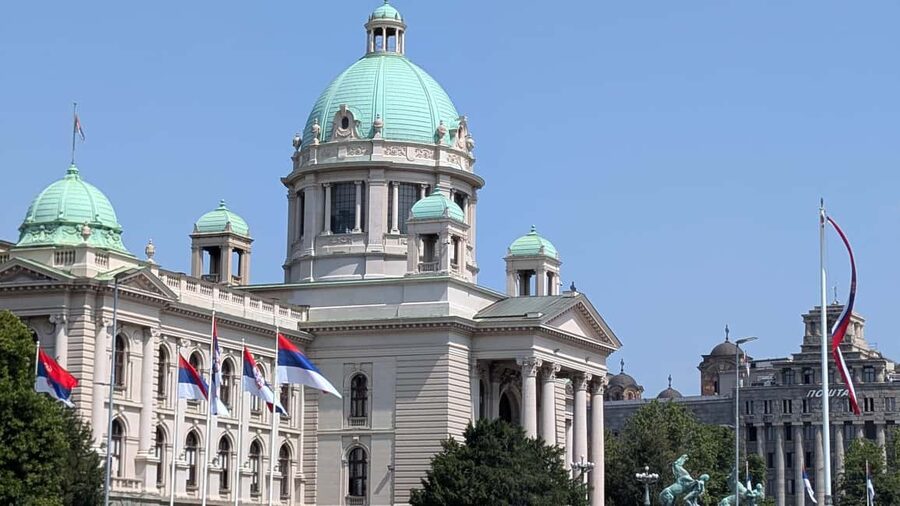
- Skadarska Street / Skadarlija gives you the Bohemian Belgrade feel in a short time window
- Kalemegdan Fortress turns the city’s crossroads story into something you can look at from the ground
- Military Museum is included within the fortress area, so the story isn’t just political
- Ružica Church (15th century) adds depth and a different mood from the fortress complex
- Question-friendly guiding stands out across guides like Marija, Pedja, Tibi, and Aleksander
Entering Belgrade at Terazije: where power meets everyday life
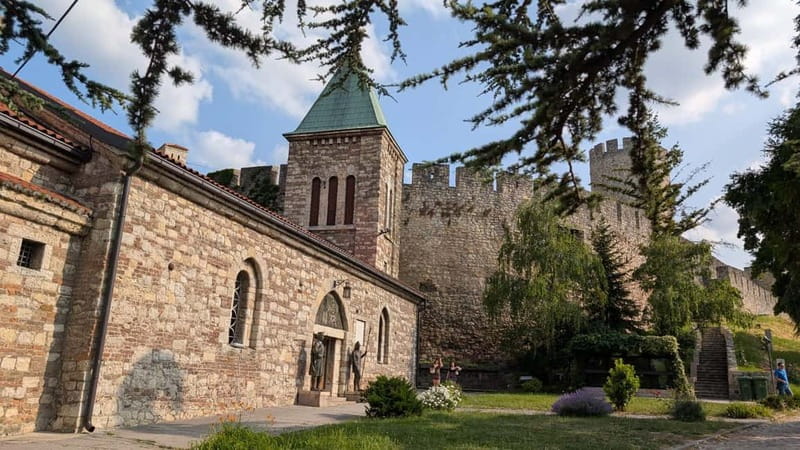
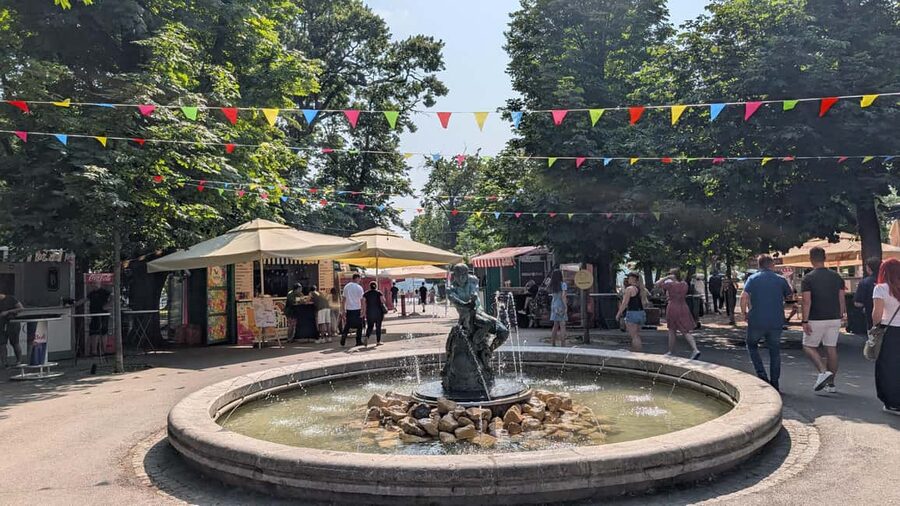
The tour begins at Terazije Square, next to the fountain, with the meeting point at Terazije 20. This is a smart start because it puts you in the city center right away, not out on the edge where history feels abstract.
Your first stop is the National Assembly area. You’ll get a guided orientation and some free time to look around, which helps you connect what you’ll hear later about borders and geopolitics to modern Belgrade’s political heartbeat. In my view, that opening matters: when you understand the present, the past stops feeling like a school lecture.
You can also read our reviews of more walking tours in Belgrade



Kneza Mihaila and Republic Square: a 19th-century spine through the city
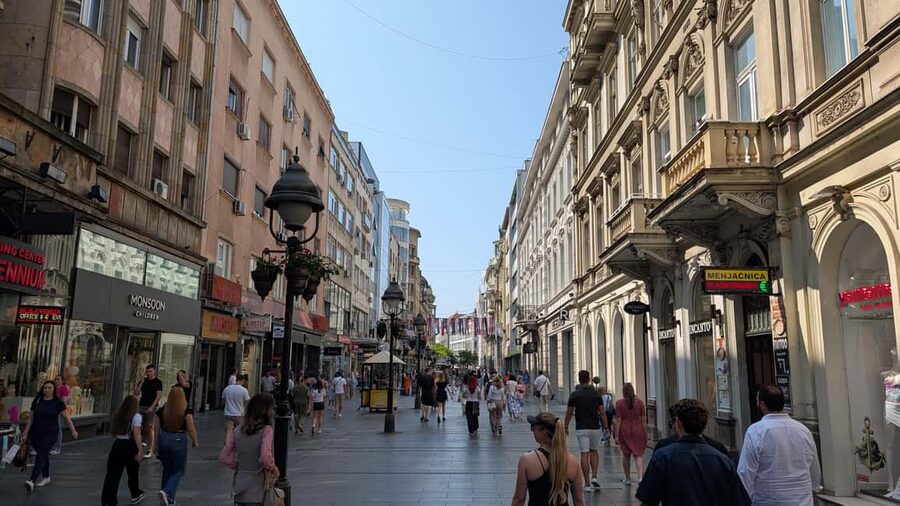
From the assembly area, the route heads along Kneza Mihaila, with a short guided walk. Kneza Mihaila is one of those Belgrade streets where you can feel how the city grew outward from the core. Even if you’re not a fan of “downtown shopping streets,” this section is useful because it sets the rhythm of the day: walk, stop, listen, then walk some more.
Next comes Republic Square. You’ll get guided sightseeing and a brief walk through the space. Republic Square is a great place to anchor the story, because it links national identity to architecture and public space. You’ll also start seeing how Belgrade’s “in-between” location—between east and west—shows up in the way different eras left their fingerprints.
Practical note: this is also where your pace matters. If you’re the type who likes photos every five steps, you may want to pick your moments so you don’t end up sprinting later.
Skadarska Street (Skadarlija): Bohemian Belgrade on foot
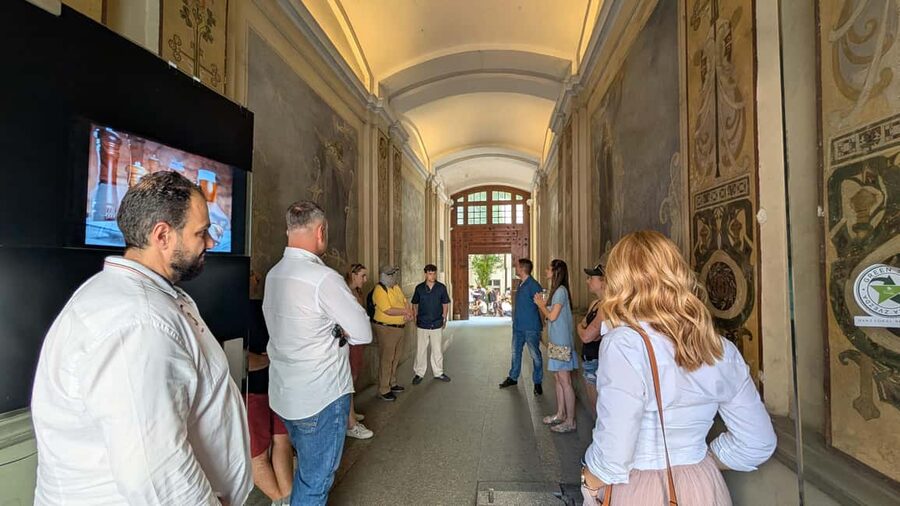
Skadarska Street is one of the most memorable parts of the route because it breaks the heavy political mood with something more human. You’ll have a photo stop and a guided segment here, so it’s not just walking past—it’s about understanding the cultural side of the city.
This is where you’ll see how Belgrade doesn’t only talk about history through battles and borders. It also shapes it through cafes, neighborhood character, and street-life style. If you’re wondering what Belgrade feels like when it’s not being described in geopolitical terms, this is where you start getting that answer.
And since the group is on foot, the best photos come when you slow down and look sideways—street details, storefront rhythm, and small visual cues you’d miss from a car.
Student Park and Holy Archangel Michael: faith and everyday identity
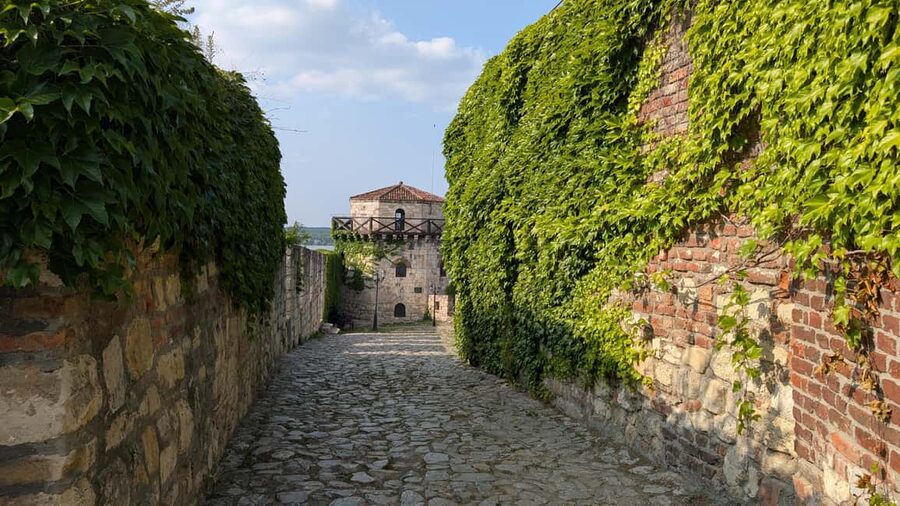
From Skadarska Street, you move toward Student Park and then to Holy Archangel Michael. There’s guided time and short walking here, so it doesn’t drag. The goal is to shift your brain from big-state story to lived identity.
Student Park gives you a breather from the central bustle. Even if you’re not there to rest, a park stop acts like a reset button, letting you absorb what you heard earlier without feeling like you’re “rushing to the next photo.”
Holy Archangel Michael is a visit stop with guided sightseeing. In a short tour, church interiors and their context can do a lot of work because religion in this region isn’t just about worship—it’s part of how communities remember themselves. You’ll likely come away with a better sense of why different empires and cultures left both political and cultural marks here.
Kalemegdan Park and the Fortress: where the city’s border story becomes visible
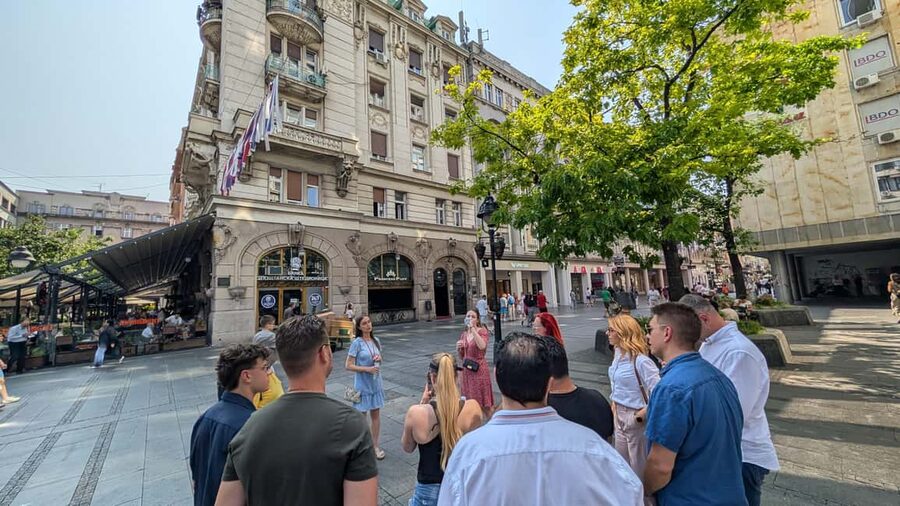
Now you get to one of the reasons people fall for Belgrade: the view and the scale from the fortress hill. You’ll spend time at Kalemegdan Park and then move into the Belgrade Fortress area with guided explanation, photo stops, and scenic viewing along the way.
This is also where the tour’s “why Belgrade matters” theme becomes real. Belgrade has sat at a border of civilizations for a very long time, and you’ll hear how groups like Celts, Romans, Byzantines, Ottomans, Austro-Hungarians, Germans, and Russians all fought over it. The point of doing this at Kalemegdan is simple: when you can see the river-and-city geography, the history sounds less like memorization and more like cause and effect.
Military Museum is included as part of the fortress experience. That inclusion helps keep the story grounded. You’re not only learning about politics; you’re also getting a sense of how conflict shaped the city’s physical spaces.
One practical consideration: fortress walks can feel uneven in places. Wear comfortable shoes, and don’t assume you can breeze through without slowing down on steps or rough patches.
Ružica Church and the Monument to France: small stops with big context
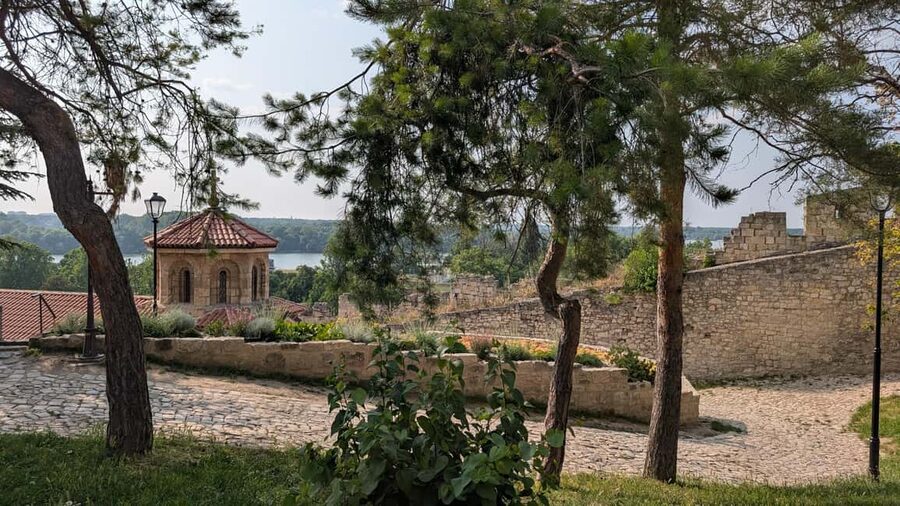
After the fortress, you’ll pause for Ružica Church. This is a photo stop plus a guided visit, and it’s specifically noted as a lovely church built in the 15th century. That detail is valuable because it pulls you out of the fortress momentum and into a more intimate timeline. A 15th-century church gives you a different lens on the same city—less about who controlled it at a given moment, more about what endured.
Then you’ll see the Monument of Gratitude to France. It’s listed as a sightseeing stop, with time built in. This is where modern alliances and memory start to show up, even after centuries of conflict. It’s a reminder that Belgrade’s story isn’t only about conquest; it’s also about how nations choose to commemorate.
Price and pace for a 3-hour, ~4 km day
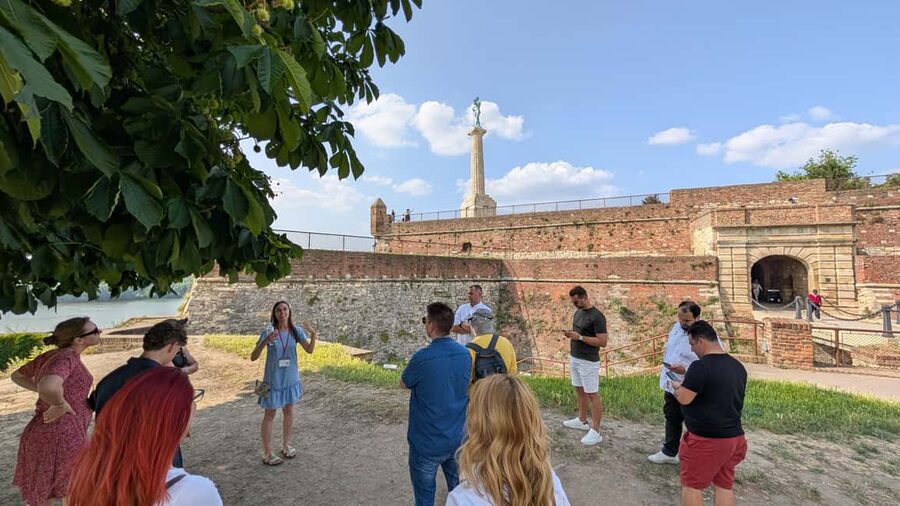
At $35 per person for three hours, this is priced like a solid introduction tour. The value is in the structure: you cover major central landmarks and then top it off with fortress views and Ružica Church, all while getting a guided explanation of world politics, geography, and geopolitics.
For your money, you’re not paying for a museum ticket or a long day bus ride. You’re paying for interpretation—someone tying together why the city’s location mattered, how that played out through different empires, and what that means for Belgrade today.
The pace is the trade-off. You’ll walk around 4 kilometers total. That’s not huge for a fit person, but you will be moving. If your ideal day includes slow museum browsing and long sits with coffee, plan on doing fewer other timed activities the same day.
Who this tour is best for (and who should skip it)
This is perfect if:
- You’re in Belgrade for the first time and want a map in your head after three hours
- You like history explained with real geography and politics, not just dates
- You want a route that hits both the city center and the fortress in one go
You might want to choose something else if:
- You dislike walking and can’t comfortably do about 4 kilometers
- You want long, quiet time inside multiple interiors without a group pace
What you’ll take away when you’re done
The strongest outcome of this tour is perspective. By the end, Belgrade stops being just a pretty river city. You’ll have a clearer understanding of how empires collided here, and why the rivers and the border position kept turning Belgrade into a strategic prize.
Guides are consistently praised for explaining complex topics clearly and answering lots of questions during the route. You’ll also get that local-feeling element from guide styles—stories and city insight are mentioned across guides such as Tibi, Pedja, Marija, Aleksander, Jovana, and Predrag. For me, that matters because the same monuments can feel flat without a human storyteller to connect them to everyday life.
One more practical win: the tour ends at Rajićeva Shopping Center. That finish helps you keep the momentum going with food and browsing right after, rather than hauling yourself back across town.
Should you book this Belgrade history walking tour?
Yes, if you want a high-quality first taste of Belgrade’s “why” in just three hours. The $35 price feels fair because you’re getting guided context across major sights—Skadarska Street, Kalemegdan Fortress, Military Museum, Ružica Church—and the geography ties it all together.
If you’re hesitant because you hate walking, don’t guess. Check that ~4 km will feel comfortable for you. If it will, this is one of the best ways to turn a short stay into a city you understand, not just a city you pass through.
FAQ
How long is the Belgrade 3-hour Serbian History Walking Tour?
The tour lasts 3 hours.
How much does the tour cost?
It costs $35 per person.
Where do I meet the guide?
Meet at Terazije Square next to the fountain.
What sights will I see?
You’ll walk down Skadarska Street, explore Kalemegdan Fortress, encounter the Military Museum, and visit Ružica Church (built in the 15th century). The route also includes stops for the National Assembly, Kneza Mihaila, Republic Square, Student Park, Holy Archangel Michael, and the Monument of Gratitude to France.
Is this tour a lot of walking?
Yes. It’s a walking tour of around 4 kilometers.
What should I bring?
Bring comfortable shoes.
What language is the tour guide?
The live tour guide is English.
Is the tour wheelchair accessible?
Yes, it is wheelchair accessible.
Where does the tour finish?
The tour finishes at Rajićeva Shopping Center.