REVIEW · COLMAR
Colmar: Unusual Walking Tour with a local guide
Book on GetYourGuide →Operated by Bretzel&Fun · Bookable on GetYourGuide
Two hours can change how you see Colmar. This unusual walking tour mixes medieval street life with German Imperial monuments, told by a friendly local guide. I love the small group feel (limited to 6) and the way guides keep the stories lively, funny, and easy to follow. One watch-out: it’s not suitable for people with mobility impairments, since it’s a proper walking tour through older streets.
You meet at the Bruat Fountain in Parc du Champ de Mars, then head into the old city before crowds take over. I also like that the tour is designed as a first-day orientation: you get your bearings fast, plus practical ideas for what to do and where to eat after the walk.
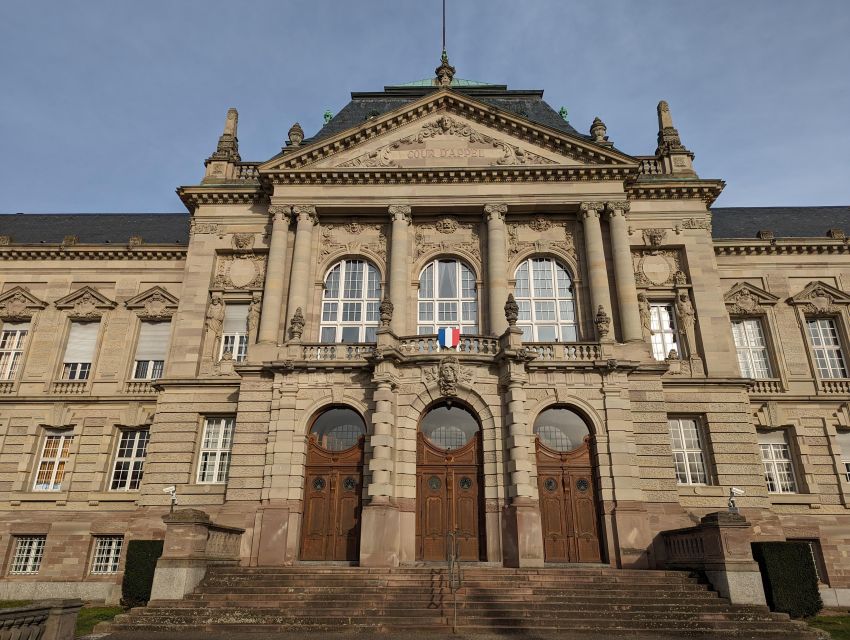
You’ll cover more than the usual postcards, too. Expect stops around la Petite Venise using side streets to avoid the densest foot traffic, then a focus on Auguste Bartholdi’s statues, followed by the southern district’s big-ticket Imperial-era sights like the Cour d’Appel, Chateau d’Eau, and Colmar’s Central Train Station.
In This Review
- Key Points You’ll Care About
- Why This Unusual Colmar Walk Hits So Well
- Bruat Fountain Start: Getting Oriented Without Wasting Time
- Medieval Colmar: Life Behind the Tight Streets
- Petite Venise Without the Crowd Squeeze
- Bartholdi Statues: Colmar’s Heroes in Plain Sight
- The Southern District’s German Imperial Wonders
- How the Guide Really Improves Your Walk
- Food and Drink Tips That Actually Help
- Pacing, Rain, and What to Bring
- Price and Value: What $41 Buys in Real Terms
- Who This Tour Fits Best (and Who Should Skip It)
- Should You Book This Colmar Tour?
- FAQ
- Where does the tour start?
- How long is the walking tour?
- How much does it cost?
- How many people are in the group?
- What languages are offered?
- Is the tour suitable for mobility impairments?
- Can I cancel, and do I pay immediately?
Key Points You’ll Care About
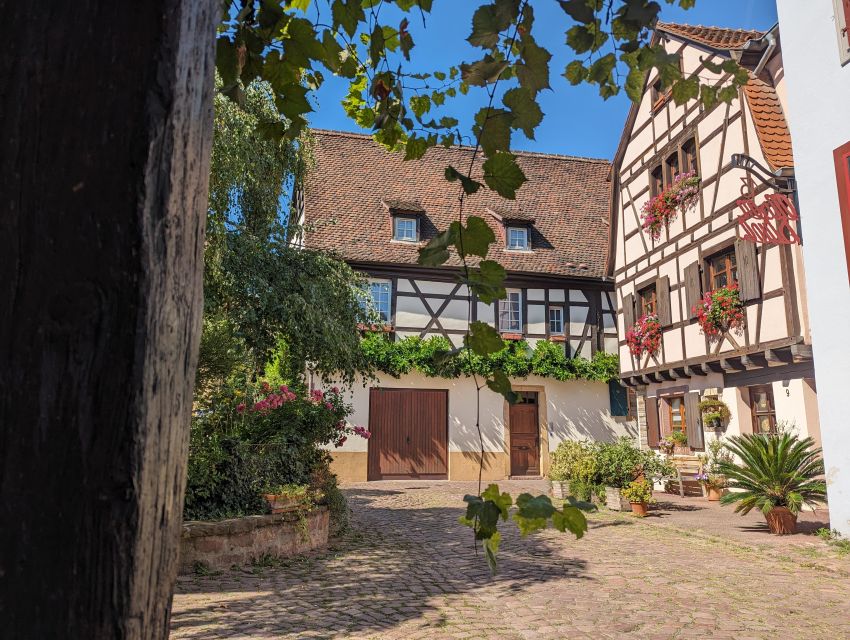
- Medieval Colmar, explained like you’re walking through it rather than reading a script
- Petite Venise via quieter side streets, so you’re not trapped in the heaviest crowds
- Auguste Bartholdi statues tied to Colmar’s heroes and the man behind the Statue of Liberty
- German Imperial-era architecture in the southern district, including major landmarks
- Small group (max 6) means more questions and a calmer pace
- Food and drink recommendations from your guide to extend the day beyond the tour
Why This Unusual Colmar Walk Hits So Well
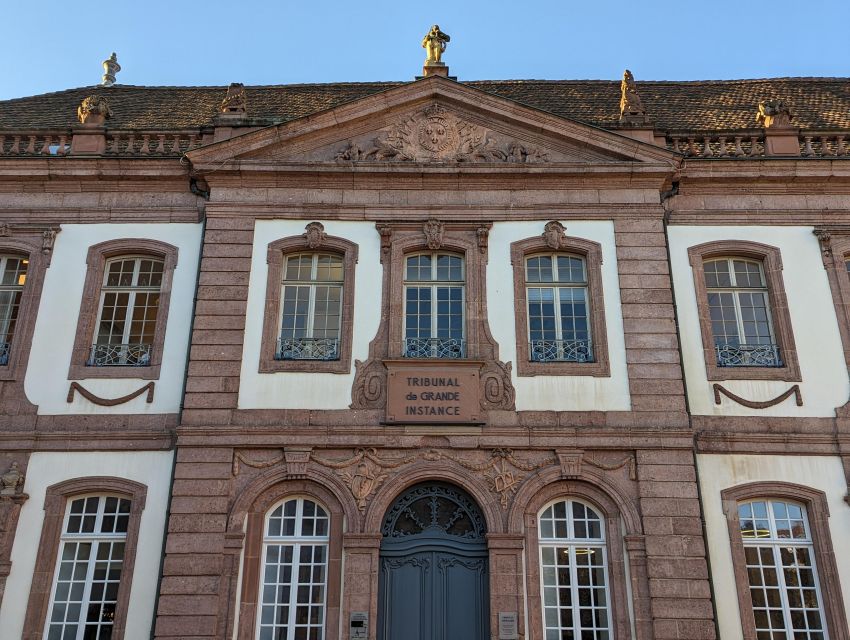
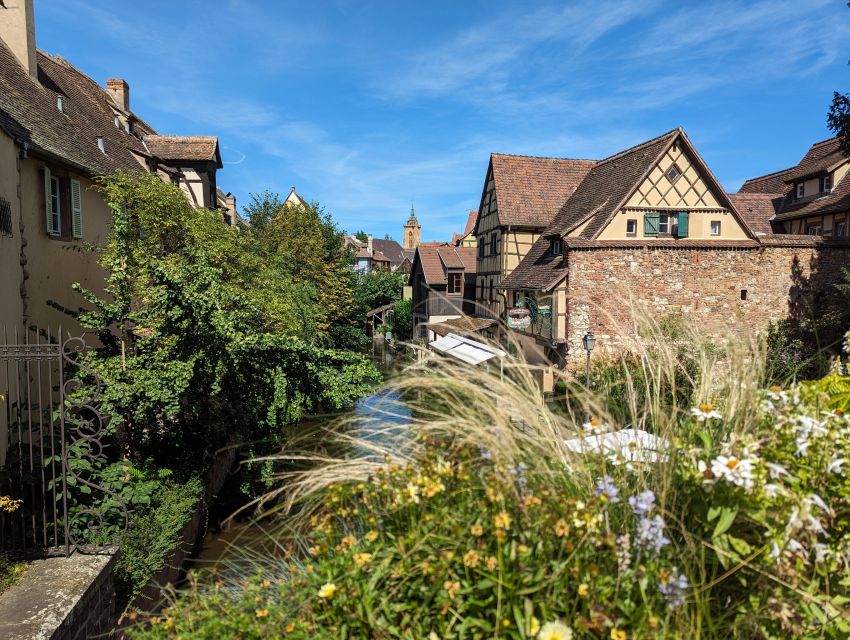
Colmar can look pretty at first glance, especially around the water and the half-timbered facades. But what makes this tour worth your time is how quickly it turns pretty into understandable. You stop seeing a city as a set of buildings and start noticing how people lived, worked, and argued over centuries.
I like that the tour balances two sides of Alsace: the medieval world you can still read in the streets, and the later Imperial-era phase that left oversized, confident monuments. That mix helps you grasp why Colmar feels like it belongs to both France and Germany without needing a lecture.
There’s also a practical angle. The guide doesn’t just point things out; they show you what to look for—symbols, street layouts, and architectural clues that you’d miss on your own. If you’re the kind of traveler who wants your second walk to be better than your first, this is a strong start.
You can also read our reviews of more walking tours in Colmar

Bruat Fountain Start: Getting Oriented Without Wasting Time
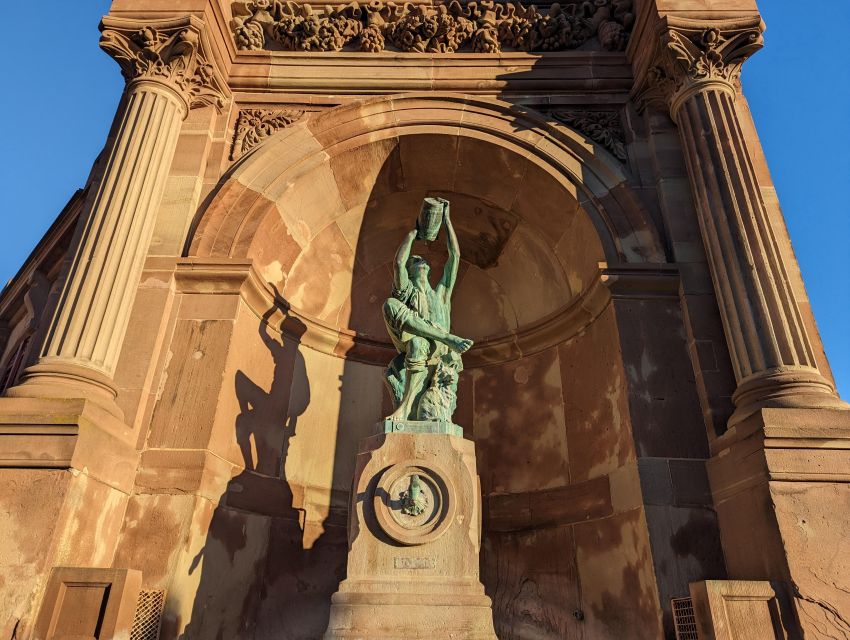
The meeting point is the Bruat Fountain, right in Parc du Champ de Mars. This matters more than it sounds. Starting there gives you a clear, recognizable anchor before you hop into older lanes where navigation can get tricky.
The tour runs for 2 hours, which is a sweet spot in a compact city like Colmar. Long enough to connect the dots between different districts, but short enough that you’re not stuck indoors or exhausted before dinner.
The group is small (up to 6), and that usually means the guide can keep a smooth pace without stretching the route too thin. If you’ve ever been on a “walk-and-rush” tour, you’ll appreciate this one’s calmer rhythm.
Medieval Colmar: Life Behind the Tight Streets
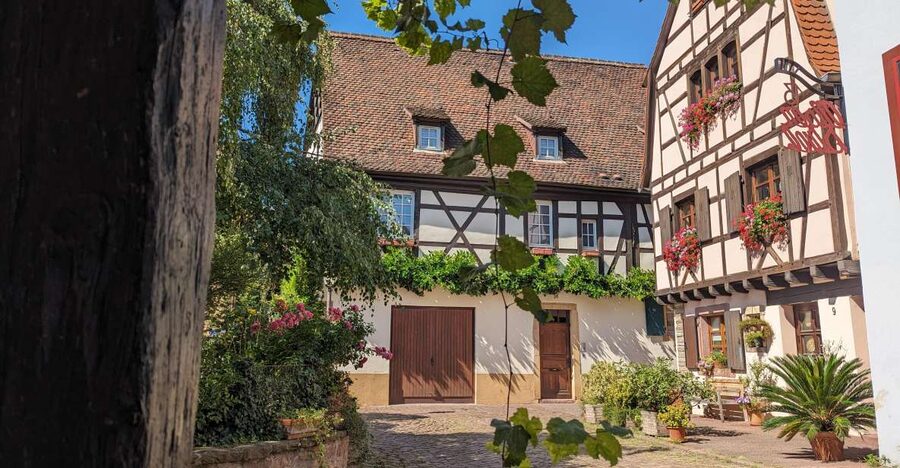
You begin in the medieval city, and the focus is on everyday life in the Middle Ages. Instead of listing dates, the guide shares anecdotes that help you picture how people in Alsace lived and organized their world. That storytelling approach is a big part of the high marks the tour gets.
As you walk, you’ll be asked to notice small things: the way buildings sit close together, how the street shapes guide movement, and how old signage or architectural choices can reflect what mattered at the time. These are the kinds of cues that make a self-guided stroll more satisfying afterward.
I also like the way the tour frames Colmar’s past as part of a bigger Alsace story—especially the back-and-forth history between France and Germany. Even when you don’t know every detail, the guide’s explanations help you understand why the city’s identity feels layered.
Petite Venise Without the Crowd Squeeze
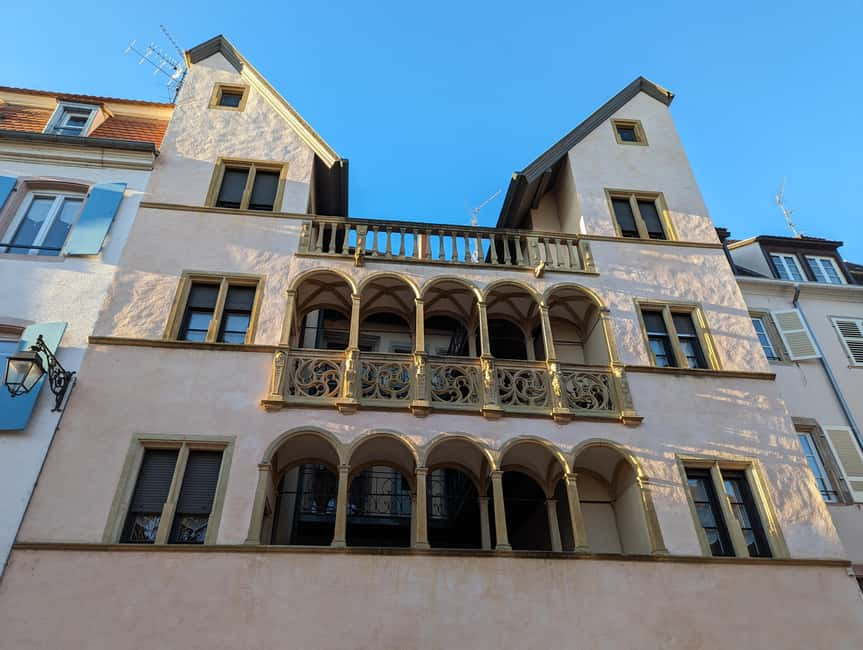
Yes, you’ll see the area people call la Petite Venise. But the point here is how you see it. The tour steers you through smaller lanes and avoids the most crowded flow, so you can actually look at what makes the district special.
Petite Venise is often treated like a single photo stop. This tour treats it like a living neighborhood with a feel you can sense—water reflections, narrow streets, and the contrast between decorative facades and the practical routes locals use.
If you want classic charm but hate feeling herded, this approach is exactly the sweet spot. You still get the magic, just with more air in your experience.
Bartholdi Statues: Colmar’s Heroes in Plain Sight

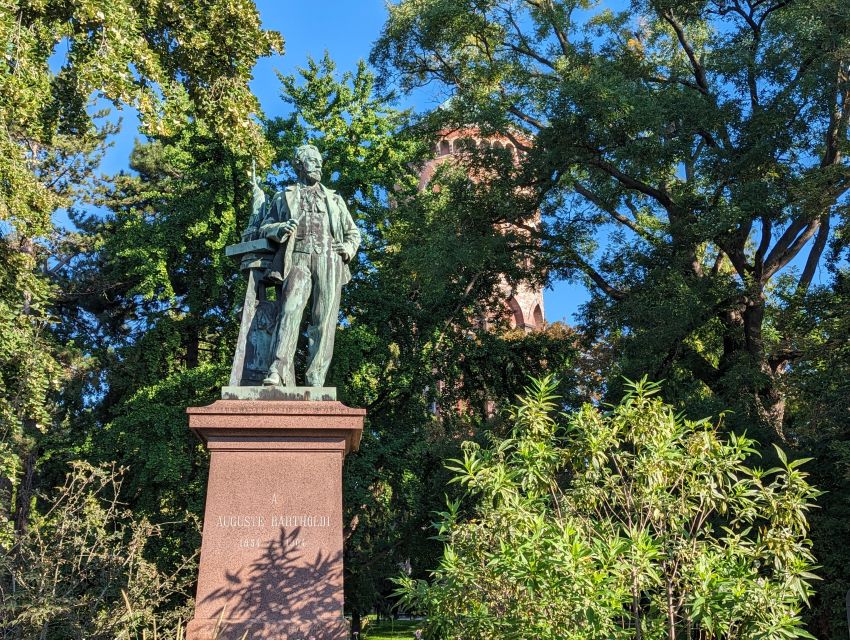
One of the tour’s standout themes is Auguste Bartholdi’s statues. Bartholdi is famous for the Statue of Liberty, but the clever trick here is tying that fame to Colmar’s local identity. You don’t just see statues; you learn why they matter to the city’s pride and memory.
These monuments act like a thread across the walk. They help you understand that Colmar doesn’t just preserve old buildings—it also spotlights the people it considers important. The guide connects Bartholdi to Colmar as a homegrown influence, which makes the statues feel less like random sculpture and more like civic storytelling.
I also like that the tour keeps this theme grounded. You’re not asked to admire from a distance; you’re guided toward meanings you can carry with you as you move between districts.
The Southern District’s German Imperial Wonders
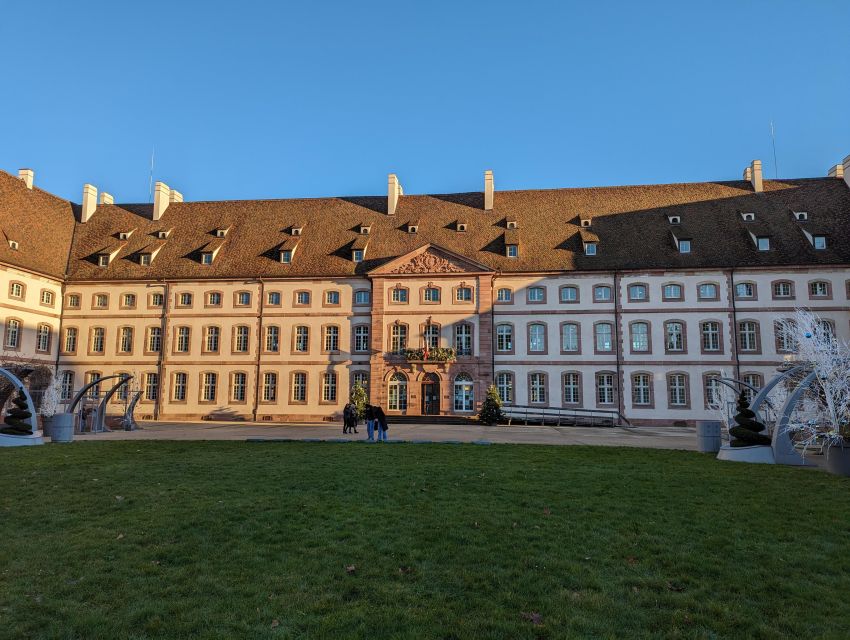
Then the tour shifts into the southern district with a strong focus on the German Imperial era. This is where Colmar’s architecture starts feeling big and official—monuments that signal power, administration, and ambition.
You’ll visit major stops such as:
- Cour d’Appel, a monumental building that instantly changes your sense of scale
- Chateau d’Eau, the huge water-tower presence that feels almost theatrical in person
- Colmar’s Central Train Station, which gives you a practical sense of how rail and industry shaped the region
This section is valuable because it shows you a side of Colmar you can easily miss if you only linger in the postcard core. The old town can draw all your attention, but these Imperial-era landmarks explain why the city looks and functions the way it does today.
Also, the guide’s explanations tie these sights to the larger Alsace history between France and Germany. You start to see the buildings as part of political identity, not just architecture.
How the Guide Really Improves Your Walk
The tour’s small-group setup isn’t just about comfort. It directly improves the experience because it makes questions possible. Multiple guests praised the guide for answering freely and keeping the conversation engaging, even when the group had mixed interests and ages.
I’ve found that the best city guides do two things: they point out what’s easy to miss, and they explain why it mattered. The feedback on this tour repeatedly mentions the combination of facts with humor and a relaxed delivery. That’s a big deal in a 2-hour format, where you either get a story you can follow or you get a blur of information.
Guides referenced in the feedback include Nicolas and Nicholas, and at least one guest mentioned Adam by name. Different people, same theme: local pride plus clear explanations in French and English.
One practical bonus: after the walk, the guide sends local recommendations for how to spend the rest of your time in Colmar. That’s especially useful if you’re there for only a day or two.
Food and Drink Tips That Actually Help
This is a walking tour, not a restaurant crawl, so you won’t leave with a full meal included. But you will get direction on where to eat and drink—helpful in a city where the most convenient options aren’t always the best.
The tour’s description also promises tips on local places, and guests mention the guide giving solid suggestions that go beyond the tourist zones. In one account, a guest also described winery stops and tastings as part of their experience. If that’s something you care about, you’ll get the best result by asking your guide what food-and-drink moments are planned for your specific departure.
Either way, your goal after the tour is simple: use the guide’s guidance to eat somewhere that matches the history and mood you just learned. Alsace flavors are a big part of the region’s identity, and Colmar makes it easy to build an excellent day around that.
Pacing, Rain, and What to Bring
Colmar walks well, but this tour is still outdoors and still involves uneven old streets. A rainy day doesn’t stop it—at least one guest said they enjoyed it in bad weather—so plan for the fact that the city can be damp and slippery.
Wear comfortable shoes. Bring a light rain layer. And give yourself enough time afterward to wander, not to rush to the next appointment. The best effect of this kind of tour is what happens after: you start seeing details on your own and you don’t waste your best daylight chasing the wrong route.
Price and Value: What $41 Buys in Real Terms
The price is $41 per person for 2 hours with a local guide in a small group capped at 6. On paper, that’s not a bargain. In practice, it’s good value because you’re buying three things that are hard to replicate alone.
First, you’re paying for interpretation: the guide connects medieval streets, Bartholdi’s public presence, and German Imperial-era monuments into one story. That connection is what turns a walk into learning you can remember.
Second, you’re paying for navigation and timing. Avoiding the densest Petite Venise crowds doesn’t just save comfort—it saves your chance to really look. Third, you get practical follow-up help. A guide’s restaurant and activity suggestions can easily make the difference between an average day and a great one.
For most visitors, this tour is a smart way to spend your first morning or early afternoon in Colmar. It’s not the only thing to do, but it’s the one that helps everything else feel easier.
Who This Tour Fits Best (and Who Should Skip It)
This tour is ideal if you want:
- A strong first introduction to Colmar and Alsace
- A guided explanation of why the city feels Franco-German rather than just French or German
- More than just photos—street-level meaning, architecture cues, and story-based context
It also suits families with kids who can handle a story format. One review mentioned a 15-year-old having a great time, which suggests the guide can keep things moving without turning it into a dry lecture.
Skip it if you need mobility-friendly routes. The tour is not suitable for people with mobility impairments, which you should take seriously. In old-city areas, accessibility can change block by block, and this one is clearly built for typical walkers.
One extra note: a guest said the tour was dog friendly. That’s not stated in the main activity details, so if you’re traveling with a dog, it’s worth checking directly before you go.
Should You Book This Colmar Tour?
I’d book this tour if you’re trying to get more meaning out of Colmar in less time. It’s especially useful when you want a clear overview: medieval streets, Petite Venise in a smarter way, Bartholdi’s public footprint, and the big Imperial-era monuments in the southern district.
It’s also a good fit if you like guides who use humor and answer questions instead of doing a one-way talk. In a city this compact, that kind of interaction can be the difference between seeing places and understanding them.
Only skip if you need accessibility or if you’d rather spend your time purely wandering without structured stops. For everyone else, it’s a solid way to start your day with clarity, then go enjoy Colmar on your own with better eyes.
FAQ
Where does the tour start?
You meet at the Bruat Fountain in the middle of Parc du Champ de Mars.
How long is the walking tour?
It lasts about 2 hours.
How much does it cost?
The price is $41 per person.
How many people are in the group?
The tour is limited to a small group of up to 6 participants.
What languages are offered?
The live guide offers the tour in French and English.
Is the tour suitable for mobility impairments?
No. It is not suitable for people with mobility impairments.
Can I cancel, and do I pay immediately?
There is free cancellation up to 24 hours in advance for a full refund, and the option to reserve now and pay later is available.