REVIEW · BATH
Bath: City Walking Tour with Optional Roman Baths Entry
Book on GetYourGuide →Operated by Footprints Tours · Bookable on GetYourGuide
Bath is best understood on foot. This walking tour strings together Bath Abbey, Pulteney Bridge, and the Roman Baths into one smart route, guided by friendly locals like Tom and George who make the city easy to read. I especially like the way the day balances big monuments with the small details that explain why Bath looks the way it does.
I also love the Royal Crescent stop, because it gives you a clear view of Georgian grandeur without turning the experience into a museum marathon. Add in the Circus and you’ll see how Bath’s planners thought in bold, architectural shapes.
One consideration: it’s still a walking tour. You’ll cover quite a bit in 1.5–2 hours, and if you choose Roman Baths entry, crowd levels can affect how smoothly you move through the site.
In This Review
- Key things I’d focus on before you book
- Start at Bath Abbey: Perpendicular Gothic in the Heart of Town
- Pulteney Bridge to Les Mis: A Palladian Moment You Can Actually Walk
- Roman Baths Optional Entry: Hot Springs, Artifacts, and the Real Roman Legacy
- Pump Rooms and Upper Assembly Rooms: Georgian Life Beyond the Facade
- Royal Crescent and the Circus: Where Georgian Scale Becomes Real
- Pacing, Group Energy, and How to Get the Most From 1.5–2 Hours
- Price Value at About $26: What You’re Really Paying For
- Best Time to Go and Practical Tips for a Smoother Walk
- Who This Walking Tour Suits Best
- Should you book this Bath walking tour?
- FAQ
- How long is the Bath walking tour?
- What’s the price per person?
- Does the tour include entry to the Roman Baths?
- What are the main places the tour covers?
- Where does the tour start?
- What language is the guide?
- Is the guide included, or is it self-guided?
- Can I book a private group?
- Is the tour refundable if I change my mind?
- If I add Roman Baths entry, should I plan extra time?
Key things I’d focus on before you book

- Bath Abbey as your starting anchor with perpendicular gothic architecture front and center
- Optional Roman Baths entry tied to the hot geothermal spring phenomenon
- Royal Crescent scale (30 Grade-1 listed houses) so the Georgian layout really lands
- Circus architecture explained in a way that helps it make sense on the street
- Guides who keep it fun in real conditions with humor and clear pacing, even on wet days
Start at Bath Abbey: Perpendicular Gothic in the Heart of Town
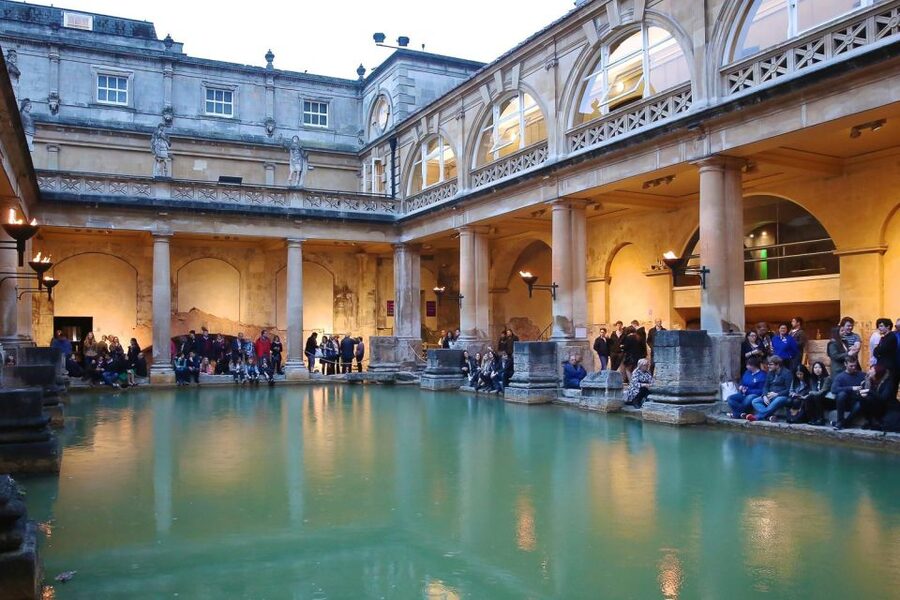
Most Bath “highlights” tours jump around. This one starts where it should: Bath Abbey in the city center, so you get an instant sense of scale and style. The big win here is the abbey’s perpendicular gothic look—those strong vertical lines that make the building feel tall, crisp, and structured rather than heavy.
What I like about opening at the abbey is that it sets a theme for the rest of the walk. Bath isn’t one era. It’s a stack of periods, and starting with medieval grandeur makes the later Georgian architecture feel like a deliberate shift, not just a random sequence of pretty buildings.
If you’re the type who likes asking why something looks the way it does, this stop is a good match. A guide-led format means you can translate what you’re seeing into context right away—what changed, what people valued, and why Bath became Bath.
Tip: Wear shoes with grip. Even a short tour in Bath’s streets means a lot of footwork, and you’ll want your steps to feel steady.
You can also read our reviews of more walking tours in Bath



Pulteney Bridge to Les Mis: A Palladian Moment You Can Actually Walk
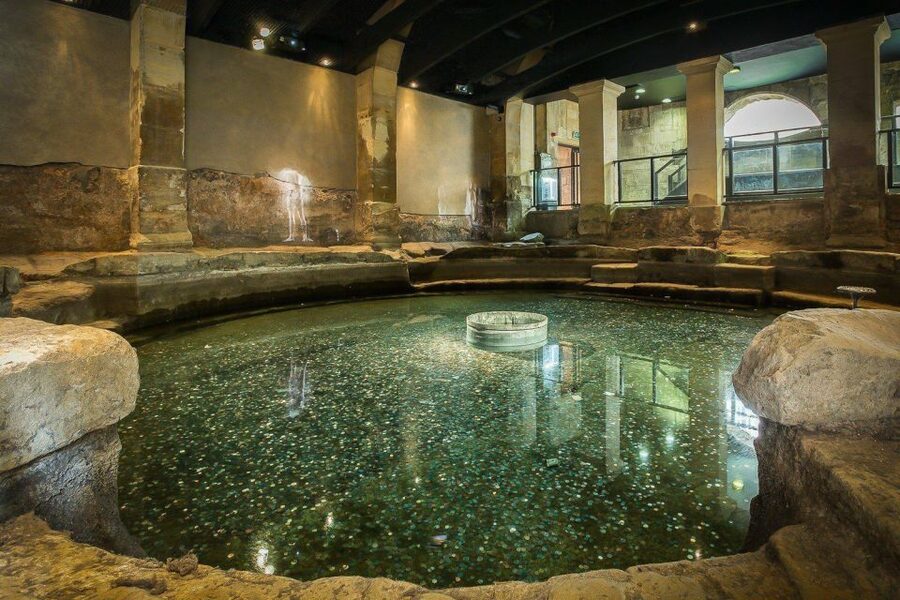
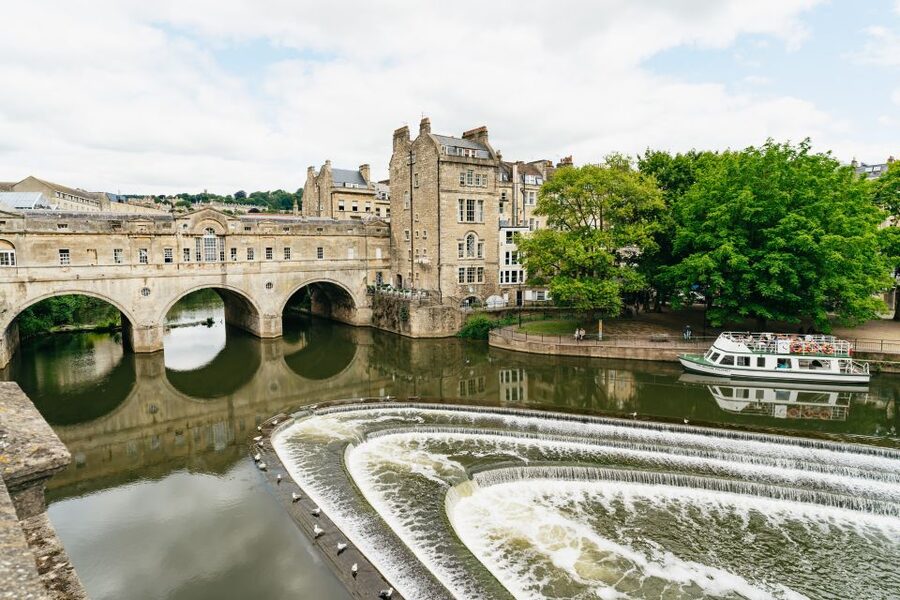
Next up: Pulteney Bridge, famous for its Palladian design. This is one of those Bath spots you’ve probably seen in photos, but the guided approach helps you understand what you’re looking at instead of just admiring the postcard angle.
There’s also a pop-culture hook. Pulteney Bridge appears as a recognizable setting in Les Misérables, so it’s easy to connect the architecture to something you already know. Even if you’re not a film buff, that connection makes the bridge memorable.
On a walking route, this stop works for a practical reason too: bridges slow you down just enough to let the city open around you. You’ll see how Bath uses stone, water, and geometry together. It’s not just a crossing—it’s a design statement.
Good to know: Don’t rush your photos here. The bridge is where the tour’s architectural thread becomes obvious.
Roman Baths Optional Entry: Hot Springs, Artifacts, and the Real Roman Legacy

If you choose the optional ticket, the tour moves to the Roman Baths. This is where Bath’s story gets physical. You’re not just looking at buildings; you’re seeing the legacies left by the Romans and the world behind their daily routines.
The standout concept is the hot geothermal spring phenomenon. That’s the engine behind the site, and it’s the reason Roman Bath (the name and the reputation) makes sense. The experience also includes fascinating items and remains, so you can connect the romance of the setting to real objects and evidence of how the place functioned.
One practical advantage: the Roman Baths entry is handled as part of the tour package when you select that option, which many people find helps the visit feel smoother. Inside, the ticket setup can include an audio guide, so you’re not stuck relying only on the guide’s live commentary once you reach the galleries.
Possible drawback: crowding can slow you down. If you’re sensitive to busy spaces, consider timing your entry for earlier slots when the site may feel less packed.
Pump Rooms and Upper Assembly Rooms: Georgian Life Beyond the Facade
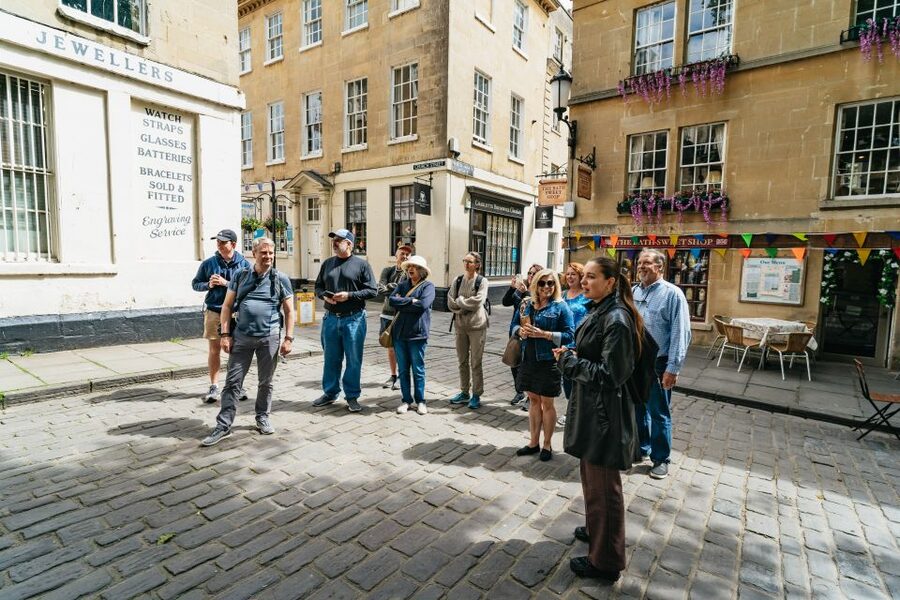
After the Roman section, the tour pivots toward Georgian Bath—the period that turned the city into a showpiece. A key link in that story is the walk from the central Pump Rooms toward the Upper Assembly Rooms.
This part matters because Bath’s architecture wasn’t just about pretty streets. It was about social ritual. Assembly Rooms connect to performances, meetings, and the public side of polite society. Pump Rooms connect to health, tourism, and the everyday culture that sprang up around the spa tradition.
When you see these places through a guide’s lens, you start reading the city like a stage set with roles. Where people gathered changes the way you interpret the building. And in Bath, that’s a big deal because the city’s design encourages strolling, meeting, and lingering.
Comfort note: this is still on foot, so you’ll want to pace yourself. If your energy runs low, it’s better to pause briefly than to push too fast.
Royal Crescent and the Circus: Where Georgian Scale Becomes Real

Now for the heart of Georgian Bath: Royal Crescent and the Circus. The Royal Crescent is described as 30 Grade-1 listed houses, and on this walk that scale is the point. From the outside, you get a clear picture of how Georgian architects tried to create harmony through repetition, rhythm, and height.
The guide value here is interpretation. It’s easy to admire the crescent for its beauty. It’s more interesting (and more memorable) when someone points out what makes it work: the symmetry, the proportions, and the way it commands a whole vista.
Then comes the Circus—another signature Bath design, and one that tends to feel more mysterious until you understand the concept behind it. A guided stop helps you look at the shape without getting lost in details. You’ll learn what makes it feel like an architectural “master move” rather than random curves in stone.
Tip: If you’re planning to see inside other buildings later, this is the moment to mentally bookmark which exteriors you want to revisit.
You can also read our reviews of more city tours in Bath
Pacing, Group Energy, and How to Get the Most From 1.5–2 Hours
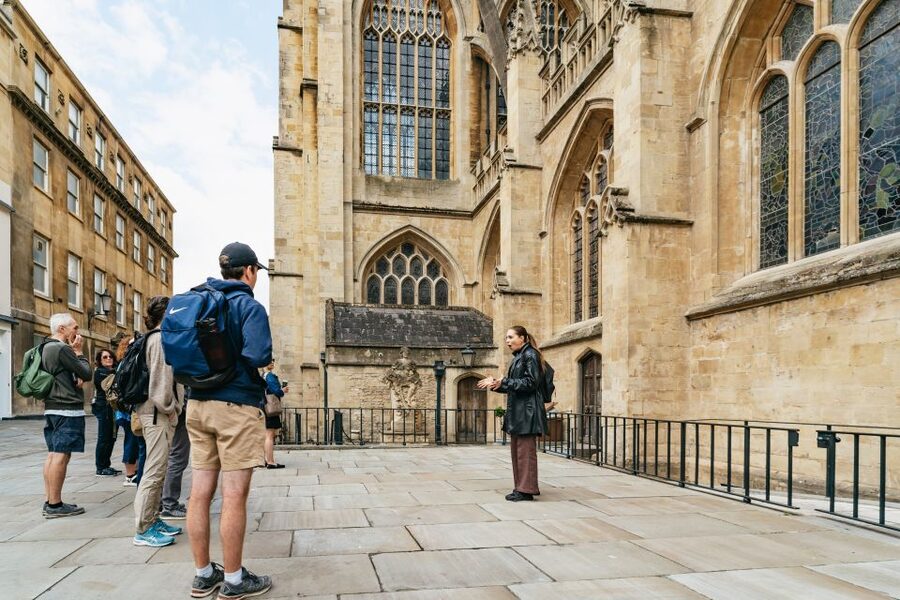
The tour runs about 1.5–2 hours, which is a sweet spot if you want a greatest-hits tour without losing half your day. The route is designed so you can cover the city center highlights while still getting explanations that help your eyes do the work.
From the way guides are described, you’ll likely get two things that make the time feel worthwhile:
- a friendly, approachable tone (people name guides like Jamie, Ewan, and John for keeping it engaging)
- a sense of pacing that balances stops with movement
Weather can be part of the deal. One person even noted the group had umbrellas and still had a fun experience. If it’s rainy, treat it as normal Bath weather and dress for it. A raincoat and grippy shoes beat a damp scramble.
Important reality check for timing: if you add Roman Baths entry, plan for more than 2 hours total. Some notes suggest a longer overall time once you include the Baths itself.
Price Value at About $26: What You’re Really Paying For
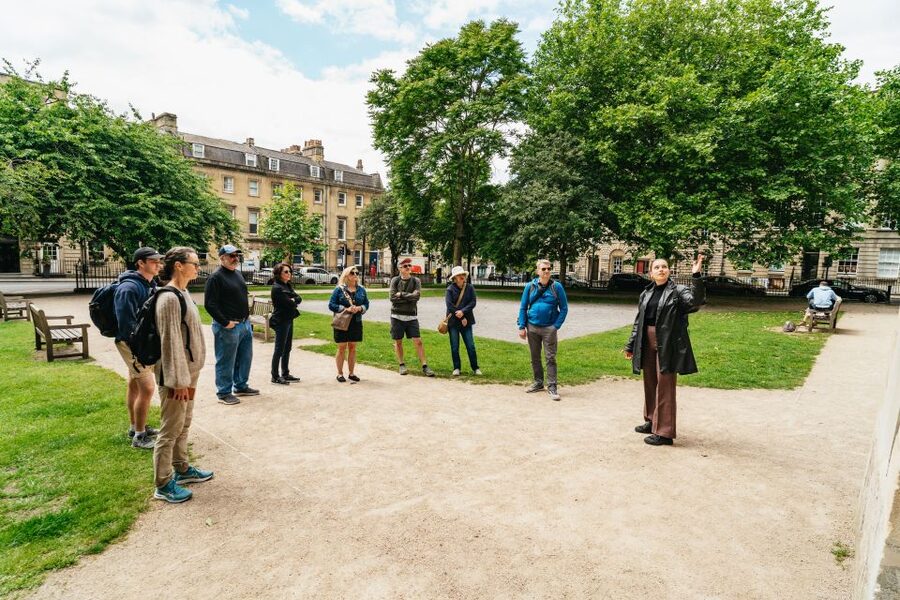
At $26 per person, this tour is priced like an efficient “Bath orientation.” That’s not a bad thing. The value comes from bundling several major sights into one guided walk, instead of forcing you to bounce between ticket lines and independently figure out what’s what.
You also get guide time, plus a donation to Bath Abbey included in the package. That’s the kind of small detail that matters: it signals you’re not just collecting icons for photos—you’re supporting an active historic site.
The optional Roman Baths entry is where value gets especially clear. If the Roman Baths are on your must-see list, selecting that option helps you avoid the headache of planning the visit as a separate step.
Watch-outs for value:
- If you’re only interested in one landmark, you might feel you’re paying for the “rest.”
- If you strongly dislike crowds, you may want to time the Baths carefully, because the whole experience is affected by how busy the site is when you arrive.
Best Time to Go and Practical Tips for a Smoother Walk
You’ll usually have more pleasant walking conditions earlier in the day. One booking note highlighted that a morning slot can mean calmer streets and a smoother experience. If you can choose, that’s the kind of decision that makes the tour feel easier.
Also, don’t underestimate how much you’ll walk just to connect the stops. Bath’s center is compact, but you’re still moving. Bring:
- Comfy shoes (Bath involves lots of stone and some sloping streets)
- Weather protection (umbrellas show up for a reason)
- a water plan (you may not want to stop too often, but you’ll be glad you thought about it)
If you care about architecture, you’ll get extra enjoyment when you slow down for a few seconds at each stop and ask a simple question: what does this design do for the people who lived here?
That one habit turns a walk from sightseeing into understanding.
Who This Walking Tour Suits Best
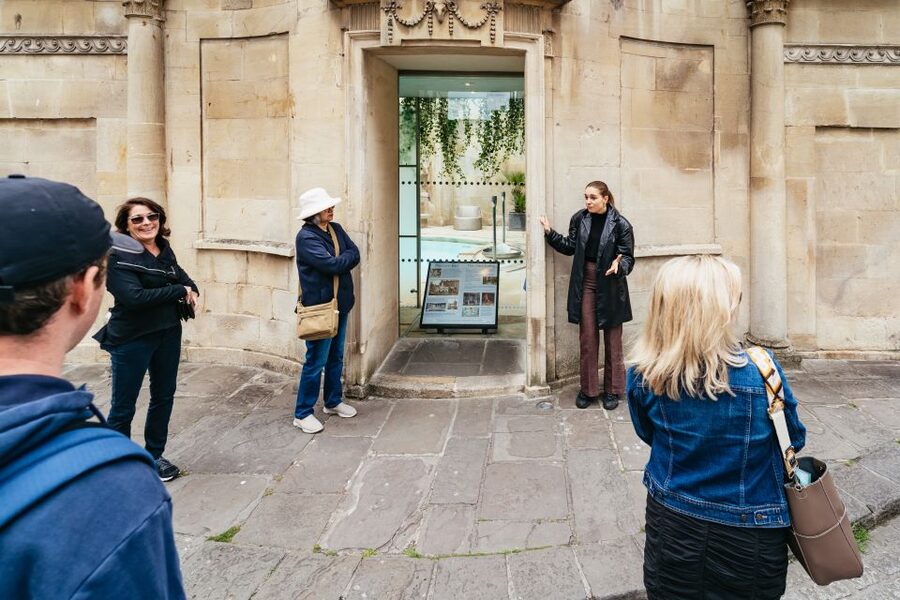
This is a great choice if you:
- want a high-impact introduction to Bath in about two hours
- care about architecture more than shopping
- want the Roman Baths experience without building a complicated plan
- like guides who tell stories in a way that doesn’t feel like school
It’s also a solid fit for mixed groups—people with different interests—because the tour balances major monuments with interpretive explanations.
If you’re traveling with kids, you may appreciate that the route includes quick, recognizable landmarks and keeps things moving. If you’re traveling as a couple, it also works well because the stops are iconic without requiring long lines of waiting.
Should you book this Bath walking tour?
I’d book it if your goal is to understand Bath fast and see the places you’ll talk about later. Starting at Bath Abbey, walking to Pulteney Bridge, and then transitioning into Georgian Bath with the Royal Crescent and Circus gives you a strong “before and after” feeling: you start with medieval structure and end with 18th-century confidence.
I’d think twice only if you know you hate crowds and you’re choosing the Roman Baths entry option. In that case, picking a calmer time slot matters more than any other choice.
Overall, at $26 for a guided walk that hits the city’s biggest architectural highlights—and potentially adds Roman Baths when you select the option—it’s strong value.
FAQ
How long is the Bath walking tour?
It runs about 1.5 to 2 hours. You’ll want to check availability for the specific starting times.
What’s the price per person?
The price is $26 per person.
Does the tour include entry to the Roman Baths?
Entry to the Roman Baths is included only if you select the option that adds Roman Baths entry.
What are the main places the tour covers?
You’ll see Bath Abbey, the Roman Baths (with optional entry), the Royal Crescent, the Circus, and you’ll walk on Pulteney Bridge.
Where does the tour start?
The meeting point may vary depending on the option booked.
What language is the guide?
The live tour guide is in English.
Is the guide included, or is it self-guided?
A live tour guide is included.
Can I book a private group?
Yes. Private group options are available.
Is the tour refundable if I change my mind?
No. This activity is non-refundable.
If I add Roman Baths entry, should I plan extra time?
Yes. The Roman Baths part takes additional time beyond the walking portion, so plan for a longer total visit.
If you want, tell me what time of day you’re visiting Bath (morning or afternoon) and whether you plan to add Roman Baths entry. I’ll help you choose the best setup for your schedule.