REVIEW · BEIJING
Beijing: Hutong Culinary Walking Tour with 15+ Tastings
Book on GetYourGuide →Operated by Fun Beijing Travel · Bookable on GetYourGuide
Chow down through Beijing’s Hutong backstreets. This Dongsi-based walking tour pairs a calm Hutong alley stroll with 15+ local tastings, plus your English guide explains what you’re eating and how locals eat it. It runs about 3 to 4 hours, starting at Dongsi Subway Station Exit B, where your guide holds a sign with your name.
I love two things right away. First, the sheer amount and variety: sesame cakes, ma hua fried twists, soup dumplings, jar yogurt, jianbing pancakes, steamed rice cakes, malatang, baijiu, and end-stage Xinjiang lamb skewers are all in the mix. Second, the guide actually adjusts the route to your comfort level, so you can lean classic (cozy Beijing snacks) or go bold with surprises like donkey burger or 1000 year old egg, guided by people like Jimmy, Lucy, and Mike who are known for making the tour feel personal.
One drawback to plan for: some stops can be spicy or truly adventurous, and baijiu is not subtle. If you want only mild flavors or you know you’ll balk at items like intestines, you’ll want to speak up early so the guide can steer you toward a substitute.
In This Review
- Key Highlights You’ll Feel Quickly
- Entering Beijing Hutongs From Dongsi Exit B
- The 3–4 Hour Flow: Walk, Learn, Eat, Repeat
- Sesame Cakes, Ma Hua, and Jingwei-Style Snack Basics
- Pancakes, Rings, and Rice Cakes: Beijing’s Comfort-Snack DNA
- Regional Detours: Cross Bridge Noodles and Yunnan Origins
- Malatang and Baijiu: The Bold-Flavor Threshold
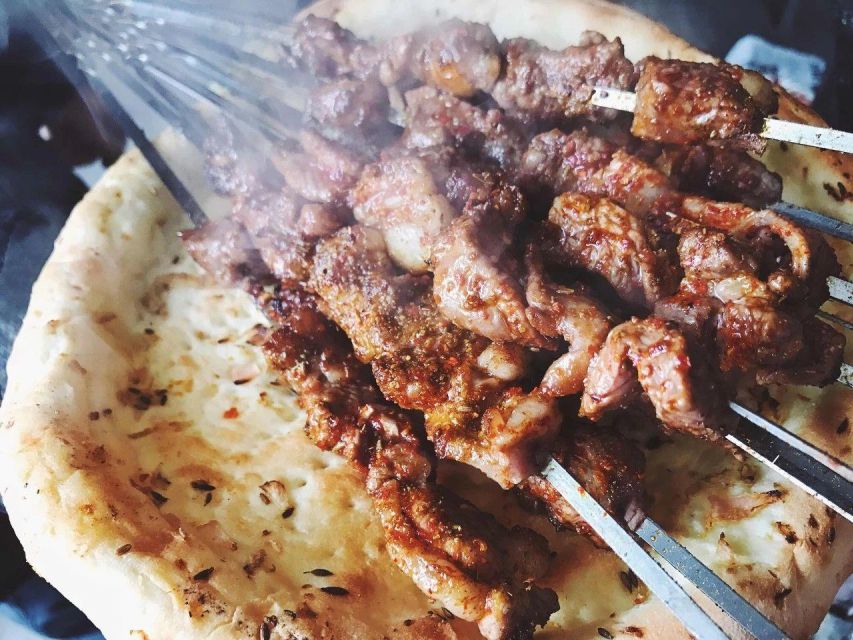
- Xinjiang Lamb Skewers: The Final Bite That Feels Like a Meal
- When Adventure Takes Over: Donkey Burger to Intestine Soup (With Options)
- What the Best Guides Do: Personalization and Fast Fixes
- Price and Value: $76 for 15+ Tastings That Actually Add Up
- Practical Tips So You Enjoy Every Stop
- Who This Beijing Hutong Food Tour Is Best For
- Should You Book This Hutong Culinary Walking Tour?
- FAQ
- Where does the tour meet?
- How long is the Beijing Hutong culinary walking tour?
- How many tastings are included?
- What languages are offered?
- Is this a private tour?
- Is hotel pickup and drop-off included?
- Can the guide adjust the food stops for my preferences?
- If I do not want adventurous items, can I request alternatives?
- What if plans change or I need to cancel?
Key Highlights You’ll Feel Quickly
- Meet at Dongsi Exit B and get moving fast in quiet Hutong lanes with context, not just food hopping
- 15+ tastings across multiple local stalls and small restaurants, with plenty of walking time to earn them
- Guide-built choices for classic bites or bold picks, with preference-based stop changes
- Hutong eating etiquette and snack origins taught alongside what’s on your table
- A strong finish with malatang (hot-spice soup) and Xinjiang lamb skewers, often with nang bread
- Adventure options with swaps if you want to avoid the most challenging items
Entering Beijing Hutongs From Dongsi Exit B
This tour starts where real daily life is close to the surface: the Hutong neighborhoods near Dongsi. You’ll meet at Dongsi Subway Station Exit B, and the guide will be holding a sign with your name. That small detail matters. It’s one less stress point in a city where navigating station exits can feel like a test.
From the start, the walk isn’t just a warm-up. Your guide leads you through quieter Hutong alleys and uses the streets as a classroom. You’ll get stories about Hutong life, plus how culinary traditions grew from neighborhood routines, not from restaurant marketing.
And yes, you’ll be learning while you eat. That’s the sweet spot of this kind of tour: you don’t just collect dishes. You start connecting the flavors to place and habit.
You can also read our reviews of more walking tours in Beijing
The 3–4 Hour Flow: Walk, Learn, Eat, Repeat
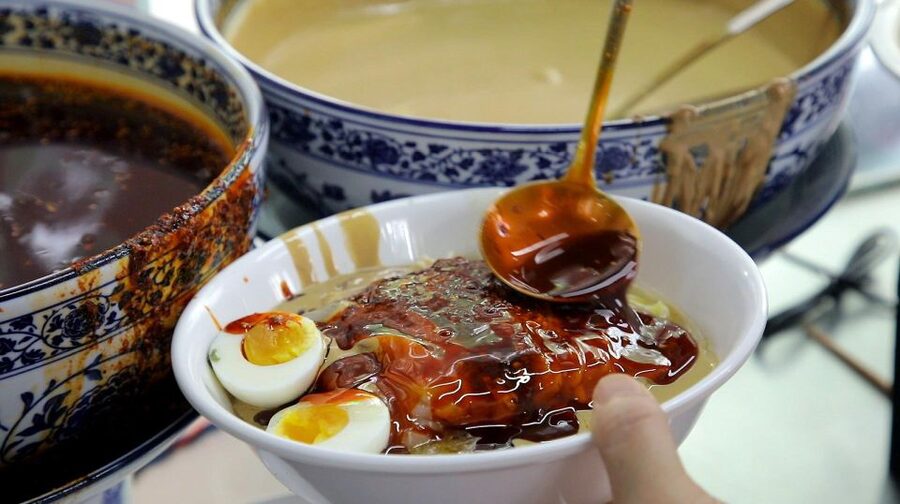
The structure is simple, and that simplicity is part of the value. You’ll be walking around roughly 3 hours of feasting time, with snacks served in a sequence that keeps you full without turning the day into a sprint. The tour is described as safe and fun, and the reviews also point to stops being close to each other, with food served quickly at each place.
A typical rhythm looks like this:
- You begin with a guided Hutong stroll and short lessons on food culture and eating etiquette.
- You then hit local snack spots in a plan that can change daily based on your preferences.
- You’ll add sweet items and savory comfort food as you go, before building toward warmer, heavier flavors like hot spicy soup and dumplings.
- The later part often leans into bold, filling “meal-like” bites and ends with Xinjiang lamb skewers and bread.
Because stop locations vary daily, don’t expect a single fixed checklist in the exact order. The win here is that your guide adjusts, and they aim to cover classic Beijing targets plus regional surprises.
Sesame Cakes, Ma Hua, and Jingwei-Style Snack Basics
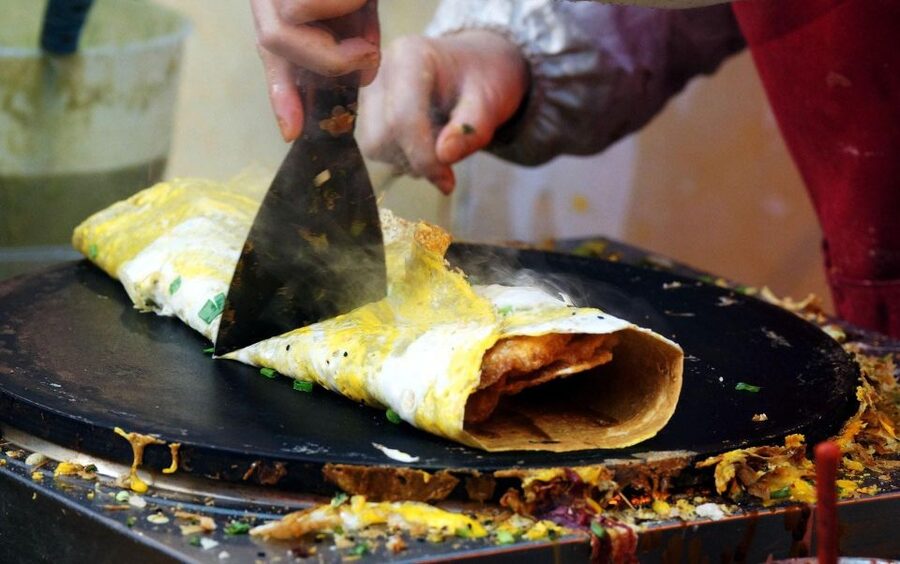
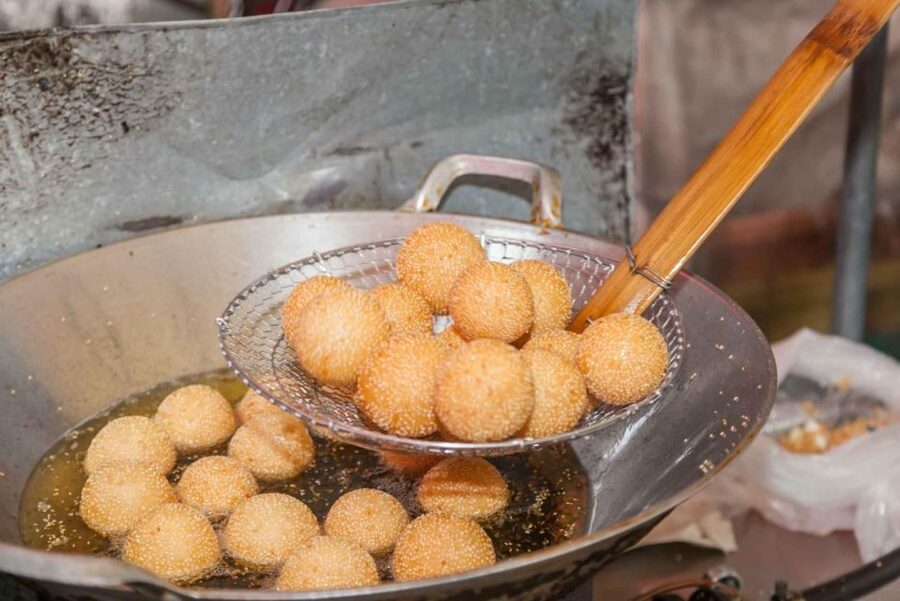
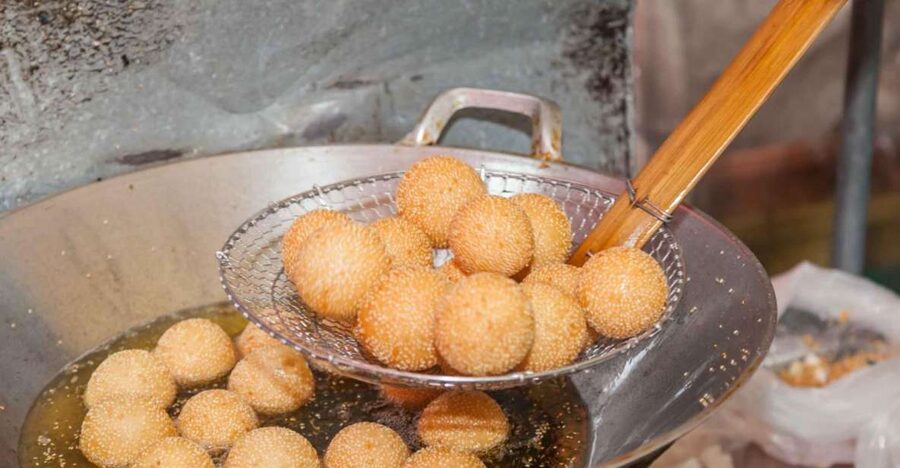
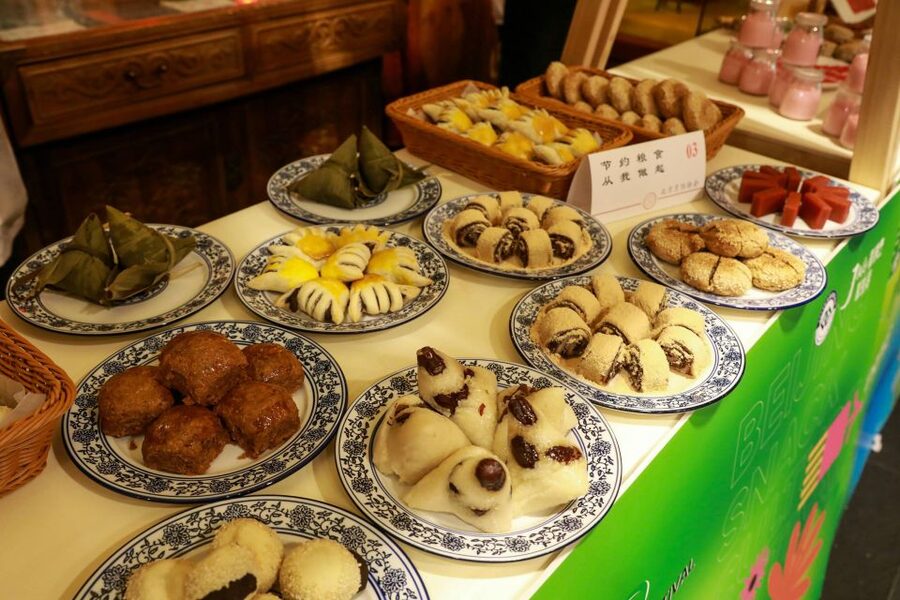
The tour’s early course is about getting your bearings in Beijing snacking. If you start with something like sesame cake, you get an immediate sense of the neighborhood sweet-salty logic. Sesame seeds, often with honey as a sweetener, make a snack that feels substantial but not heavy.
Next you might try ma hua, the fried dough twist. It’s one of those snacks that makes you understand why street food is everywhere. It’s cheap, fast, and built for eating on the move, but it still has texture you notice in every bite.
Then comes the dumpling moment many people remember. Soup dumplings can be on the list, and your guide will explain what you’re looking for and how to handle them as a snack-course dish. That etiquette piece is practical. When you’re eating something that’s broth-filled, learning the right pace saves you from mistakes.
You may also get Beijing jar yogurt, which is a totally different vibe than fried snacks. It helps balance the day. You’re not just chewing; you’re resetting your palate so the next stop doesn’t feel like a food blur.
Pancakes, Rings, and Rice Cakes: Beijing’s Comfort-Snack DNA
By the mid-tour stage, the tasting list often shifts into crispy, griddle, and chewy territory.
Jianbing is usually on the route: a Beijing fried pancake that’s cooked quickly and served hot. It’s a key local flavor because it turns everyday breakfast into a street-food ritual you can learn in real time. If you’ve ever watched people eat jianbing fast on the sidewalk, this is your chance to understand what makes it satisfying beyond the novelty.
Another common stop type is the crispy fried ring, described as a popular household snack. These ring-shaped bites are the kind of snack that tastes simple but has a clean, addictive crunch.
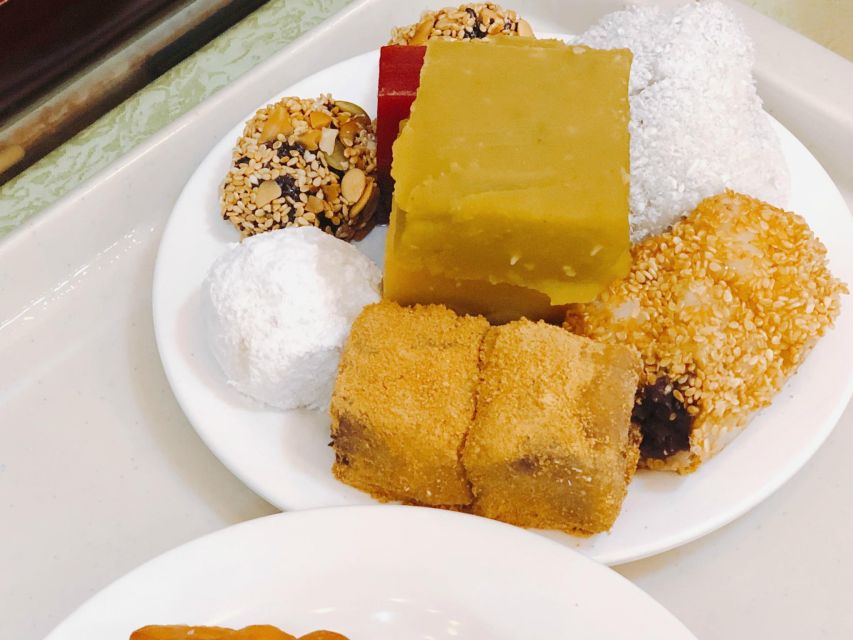
Then you may see steamed rice cakes with sweet stuffing. This is where the tour adds a gentle sweetness that won’t knock you out before the later heavier items. It’s also a reminder that Beijing snack culture includes dessert snacks that are part of everyday life, not a special occasion.
If you’re the type who likes to learn through texture, this middle chunk is your best section of the day.
Regional Detours: Cross Bridge Noodles and Yunnan Origins
Beijing has its own flavors, but the tour doesn’t pretend every dish is purely Beijing-only. Cross Bridge Rice Noodles may appear, and it’s specifically noted as originating from Yunnan province.
That matters because it shows you how Chinese food traditions travel and adapt. You’re standing in Beijing, tasting something with a different origin story, and learning how regional culinary identity can still fit into a local neighborhood meal routine.
It’s also a relief if you’re worried that the tour will feel repetitive. Noodles, dough, pancakes, and soups keep your senses engaged.
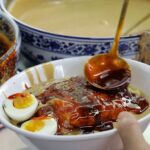
Malatang and Baijiu: The Bold-Flavor Threshold
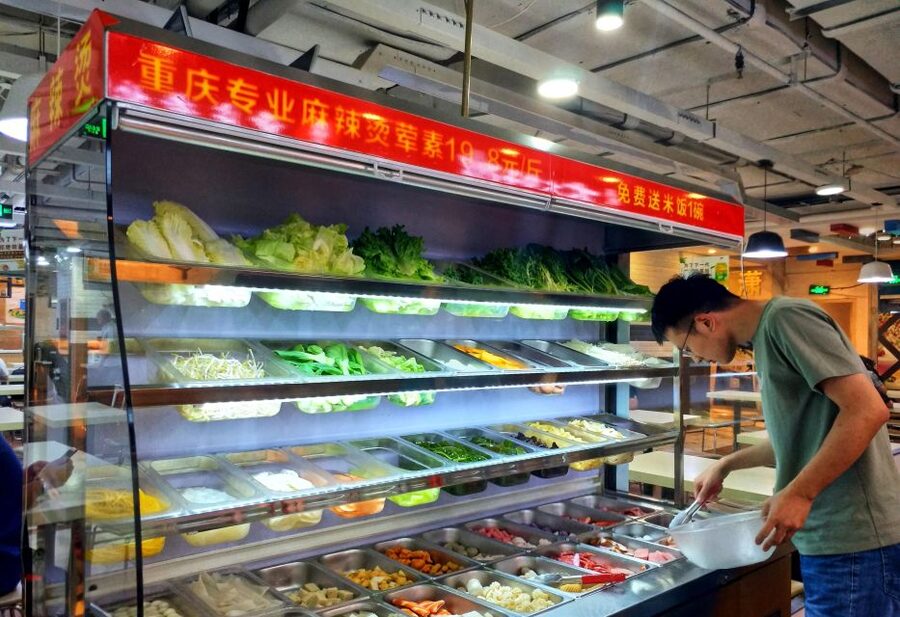
Later in the tour, the flavor temperature often rises—sometimes literally.
Malatang is one of the listed possibilities. It’s a type of hot pot member with a spicy soup base, and the tour description notes a mix of ingredients such as vegetables, meats, seafood, and noodles. This is where you can expect real heat and a heavier flavor profile than the earlier crisp snacks.
Then there’s baijiu, a colorless Chinese liquor typically around 35% to 60% alcohol by volume. If you’re cautious with alcohol, think of baijiu as optional learning. It’s part of the culture lesson, and your guide’s job is to help you understand how locals relate to it.
One practical tip: if you plan to try baijiu, slow down your pace for the spicy items. The order matters for comfort.
Xinjiang Lamb Skewers: The Final Bite That Feels Like a Meal
The tour’s ending segment often brings you to a more filling, savory finale: Xinjiang lamb skewers, sometimes paired with nang bread and vegetable kabobs.
This matters for value and satisfaction. You’re not just collecting snack-size tastes at this point. Lamb skewers give you protein and a richer “meal” feeling, which is why so many guides and tours choose a savory finish when the day already includes plenty of dessert and fried snacks.
It also adds regional variety to the Beijing-heavy start. You get a sense of how the broader Chinese food universe shows up in one neighborhood walk.
When Adventure Takes Over: Donkey Burger to Intestine Soup (With Options)
One of the tour’s biggest strengths is honesty about range. If you’re an adventure food person, tell your guide. The tour description explicitly says you might get surprises like donkey burger, fried liver, intestine soup, and 1000 year old egg. Even bamboo worm can appear, but it’s noted as at your cost.
If you’re worried about comfort level, you’re not trapped. A review included a key detail: you can ask for a substitute meal if you don’t fancy the challenge. That’s exactly the moment to speak up. Don’t wait until you’re staring at the dish.
For me, the best part of this “bold” system is that your guide adjusts stops for your preferences from the beginning. You aren’t forced into a single group taste philosophy.
What the Best Guides Do: Personalization and Fast Fixes
The private-group format helps, but the real difference is how guides manage the day. Several guides were singled out for tailoring and making people comfortable.
For example, Jimmy is noted for taking extra care with a family that had a vegetarian child, including vegetarian dishes. That’s a big deal because many food tours either skip vegetarian needs or end up with only one safe option.
Lucy also gets mentioned for making the tour feel like a guided neighborhood mission, including practical and fun additions like street food stops and explanations along the way. People also mention guides like Anson, Allen, Mike, and Jay for adjusting preferences on the fly and giving helpful Beijing context while keeping the pace smooth.
If you want the experience to feel less like “eat quickly, move on,” this is where it happens. A guide who reads your reactions can decide where to spend more time and where to simplify the tasting.
Price and Value: $76 for 15+ Tastings That Actually Add Up
At $76 per person for 3 to 4 hours and 15+ tastings, the value comes from density. Many tours try to hit 8 to 10 stops, and you end up with more walking than tasting.
Here, the math is straightforward: 15 tastings spread across about 3 hours means you’re averaging a tasting every 10 to 15 minutes, plus you’re getting guided storytelling and etiquette education. You also get bottled water and local soft drinks included.
If you add optional hotel pickup and drop-off (with private transfer if you choose it), the practical convenience becomes part of the value too. Meeting at Dongsi Exit B is easy for people who are already near there, but pickup can be worth it if you’re coming from far across the city.
This is the kind of tour where you should arrive hungry. The best value only happens if you let the tasting list land.
Practical Tips So You Enjoy Every Stop
Here’s how to get the most out of the day without suffering through it.
Go hungry, not hungry-hype. The tour is built around full tastings, including dumplings and heavier soup and skewers at later stops. If you eat a big meal right before, you’ll cut your enjoyment in half.
Tell your guide your comfort line upfront. Classic bites or bold picks is the key lever. If spice is an issue, say so before malatang shows up.
Plan for alcohol choice. Baijiu is part of the list. You can still enjoy the tour even if you choose not to drink, but asking about your comfort early helps the guide manage the pacing.
Expect variation. Stops can change daily. That’s not a drawback; it’s how the tour stays flexible and preference-based.
Wear shoes you can walk in. You’re moving between multiple spots in a Hutong area. Even if distances feel short, it’s still a walking tour.
Who This Beijing Hutong Food Tour Is Best For
This tour fits you if you want:
- A walk that teaches you how Hutongs and snack culture connect
- A guided tasting list with enough variety to avoid boredom
- A chance to try big-name Beijing bites like soup dumplings and jianbing without hunting down places yourself
- Real personalization, including accommodation of dietary needs when possible
It may not fit you if:
- You only want bland, no-spice food and don’t want to discuss substitutions
- You dislike the idea of trying multiple small dishes in one afternoon
- You hate the concept of alcohol tasting like baijiu
The tour is designed for safe fun, but it’s still a food-focused outing with cultural curiosity baked in.
Should You Book This Hutong Culinary Walking Tour?
I’d book it if you’re in Beijing for a short time and you want to understand the city through food, not through a checklist of monuments. The combination of 15+ tastings, English-guided Hutong context, and preference-based routing is what makes it feel efficient.
If you can handle a little spice and you’re curious about at least a few adventurous options, you’ll likely have a top highlight day. If not, you still have a path. Speak up early and ask for substitutions, and lean classic with your guide’s help.
For many people, the biggest win is this: you leave full, informed, and with a clearer sense of what Beijing snacks really are.
FAQ
Where does the tour meet?
The meeting point is Dongsi Subway Station Exit B. Your tour guide will hold a sign with your name on it.
How long is the Beijing Hutong culinary walking tour?
It lasts 3 to 4 hours.
How many tastings are included?
You get 15+ food tastings included.
What languages are offered?
The tour has a live English speaking guide.
Is this a private tour?
Yes, it’s listed as a private group.
Is hotel pickup and drop-off included?
Pickup is optional. If you choose it, the guide will hold a sign with your name waiting in your hotel lobby, and private transfer is included.
Can the guide adjust the food stops for my preferences?
Yes. The guide adjusts stops based on what you want, whether you prefer classic bites or bold picks.
If I do not want adventurous items, can I request alternatives?
The tour includes some adventurous surprises, and you can ask for a substitute meal if you do not fancy certain challenging items.
What if plans change or I need to cancel?
You can cancel up to 24 hours in advance for a full refund, and there is also a reserve now & pay later option.