REVIEW · MALAGA
Walking Tour of Malaga’s Historic Center
Book on Viator →Operated by Malaga Adventures · Bookable on Viator
Malaga’s center tells a tight story. In about 1 hour 45 minutes, this guided walk connects the big monuments and street life of Malaga in a way that feels quick, friendly, and easy to repeat on your own later. You’ll see the Roman theatre, the Alcazaba viewpoints, the Malaga Cathedral nickname people remember, plus the main square and market that locals actually use.
I especially like the pace and the format. It’s a small group capped at 30, it’s offered in English, and you’re mostly looking at exteriors, so you can keep moving without being stuck in long lines for entrances you might not want. If your guide is someone like Kevin or Ruben, you’ll get clear, human explanations and practical pointers for what to do next.
One caution: pay close attention to the exact meeting point. The start is near Pirámide de Cristal on C/ Alcazabilla, and one guest report said the instructions around the cathedral meeting reference were confusing, so arriving early helps a lot.
In This Review
- Key highlights you’ll care about
- A 1 hour 45 minute historic-center walk that actually fits your day
- Meeting near Pirámide de Cristal and avoiding the start-line headaches
- Teatro Romano de Málaga: the quick orientation stop that sets the theme
- Alcazaba from the outside: you still get the why, not the tickets
- Malaga Cathedral, nicknamed Manquita: the exterior that makes people stop
- Plaza de la Constitución: the main square break that anchors the route
- Iglesia de San Juan Bautista: a nickname-driven stop that feels local
- Mercado Central de Atarazanas: the planned inside look (with time to wander)
- La Calle Larios: finishing on the main drag so you can keep going
- Price and value: why $12.09 can be a smart buy
- How to make the most of it (without overdoing it)
- Who should book this Malaga historic-center walk?
- Should you book?
- FAQ
- How long is the walking tour of Malaga’s historic center?
- Where do I meet, and where does the tour end?
- Is the tour offered in English?
- Do we enter the Alcazaba and the Malaga Cathedral?
- Is there a time to visit the market inside?
- What if the weather is bad or I need to cancel?
Key highlights you’ll care about

- Small group feel: capped at 30 people, so questions are realistic and the walk stays smooth.
- Exteriors only, low friction: you won’t enter the Alcazaba or the cathedral, which keeps the timing simple.
- Short, useful stops: each major landmark gets about 15 minutes, with a planned breather at the market.
- Atarazanas Market break: around 10 minutes to look around inside Mercado Central de Atarazanas.
- Ends in the right place: the tour finishes on Calle Marqués de Larios, so you can keep strolling immediately.
- Shade-friendly walking: narrow streets often mean you’ll catch shade along the way.
A 1 hour 45 minute historic-center walk that actually fits your day
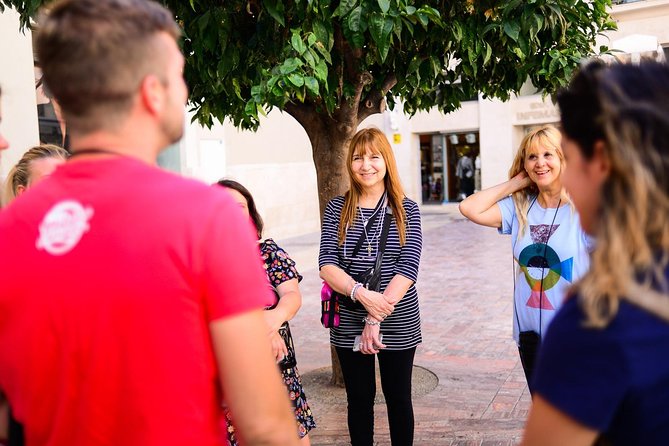
If your Malaga plan is packed, this kind of guided loop is gold. You’re not trying to see everything. You’re getting the meaning of the place fast, with enough landmarks that the city stops feeling like a blur of buildings.
This is also a smart way to start your trip. Malaga has layers—Roman, Moorish, and Christian—and walking between them helps your brain connect the dots. By the time you reach the market and the main shopping street, you’ll have context for what you’re looking at and why it matters.
The price is modest for what you get: a guide, a structured route, and time at the city’s most recognizable stops. At $12.09 for about 1 hour 45 minutes, you’re paying for direction and interpretation, not for monument entrances you’d have to buy separately anyway.
You can also read our reviews of more walking tours in Malaga



Meeting near Pirámide de Cristal and avoiding the start-line headaches
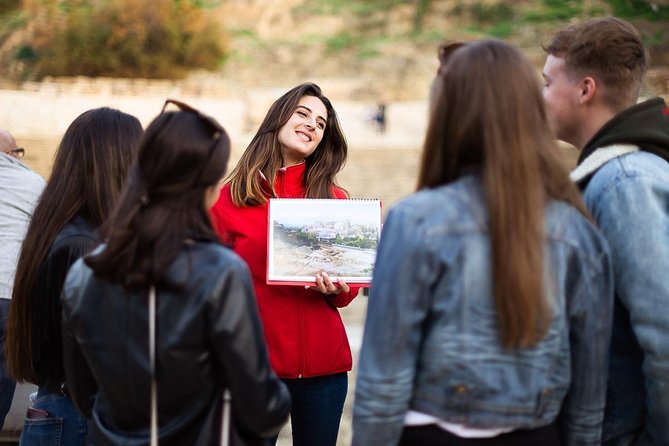
The tour starts at Pirámide de Cristal on C/ Alcazabilla (Distrito Centro). That matters because Malaga’s historic center is walkable, but it’s also easy to miss a precise corner if you arrive five minutes late.
My practical advice: give yourself extra time, especially if you’re arriving from a bus stop or you’re using maps on your phone. Use the exact address area as your anchor, then look for your guide’s group once you’re there.
If you’re the type who hates stress, this is where the small group cap helps. Once you find the group, it stays manageable. And when you finish on Calle Larios, you’ll be in a lively, easy-to-reach spot for continuing on your own.
Teatro Romano de Málaga: the quick orientation stop that sets the theme
The walk begins with the Teatro Romano de Málaga area, and the tour is designed so you end up finishing in front of the Roman theatre and the Alcazaba. That creates a nice narrative arc: first you’re introduced to the monuments, then you see how they relate to the city’s bigger story.
The Roman theatre stop works well even if you’re not going inside. You still get the idea of what the structure was for and how it fits into Malaga’s topography. The wording around special guests of the city also signals that the guide will bring local context, not just dates and facts.
Potential drawback: because you’re not entering, your photos will be mostly exterior and from street level. That’s fine for orientation, but if you’re hoping for a full interior experience, plan a separate visit later on your own.
Alcazaba from the outside: you still get the why, not the tickets

Next you shift toward the Alcazaba. This is an outside explanation only, so you’re not paying for entry and you’re not getting stuck in a monument queue. For many first-time visitors, that’s a relief. You get the story without the time cost.
What I like about focusing on exteriors is that your eyes learn the shape first. You’ll understand why the Alcazaba is so important to Malaga’s identity, and you’ll start noticing the strategic thinking in how the area is positioned.
One consideration: if you love architecture enough to want the full walkway routes and interior details, outside viewing may feel a bit limited. Still, it’s a very good way to decide whether you want to go back later for a deeper self-guided visit.
Malaga Cathedral, nicknamed Manquita: the exterior that makes people stop
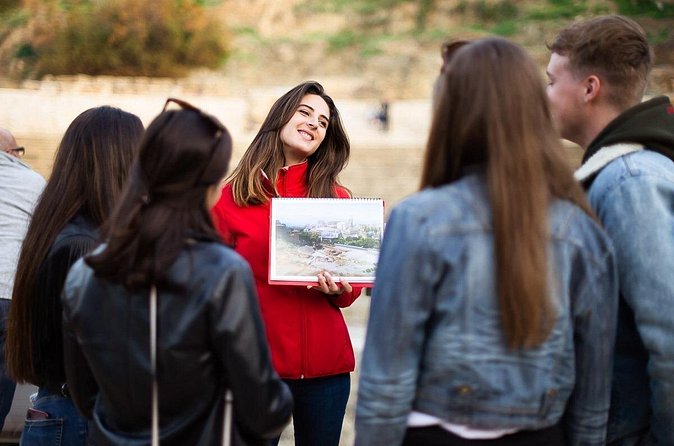
The Malaga Cathedral, known by the nickname Manquita, is one of those landmarks you spot and then want explained. This tour keeps it exterior—no entry—so you can move on while you get the meaning behind the nickname.
This is the sweet spot for casual history. You don’t need to buy a ticket today to understand why people talk about the cathedral the way they do. You learn how it became a recognizable part of Malaga’s skyline and why it’s a conversation starter.
A caution to keep in mind: one guest report mentioned confusion around an entrance reference near the cathedral. If you’re using the tour points as a guide for a later self-visit, double-check you’re locating the correct working entrance for tickets and access.
Plaza de la Constitución: the main square break that anchors the route
Then you hit Plaza de la Constitución, the city’s main square. A stop like this is more than a photo moment. It helps you reset your direction and recalibrate what the walk has been connecting.
Squares are where cities breathe. Malaga’s main square is the kind of place you can use as a mental landmark: once you understand where this sits, everything else gets easier to find later. And since this stop is timed, you won’t feel rushed or stuck.
Since the tour doesn’t focus on interiors here, the value is in the guide’s quick context—why the square matters, and what you’re likely to notice once you’ve been told what to look for.
Iglesia de San Juan Bautista: a nickname-driven stop that feels local

The tour includes Iglesia de San Juan Bautista (San Juan). The description points to a special structure and a nickname, and that’s exactly the kind of detail that makes a short stop memorable.
Religious buildings in old cities often blend in visually until someone gives you the label people actually use. Once you know the nickname or the structure’s defining trait, you start seeing it immediately on your own—both in Malaga and on future trips.
Practical note: because the time at each stop is short, this is best as an introduction. If this church’s style grabs you, you’ll likely want a return visit later when you can linger without the group pace.
Mercado Central de Atarazanas: the planned inside look (with time to wander)
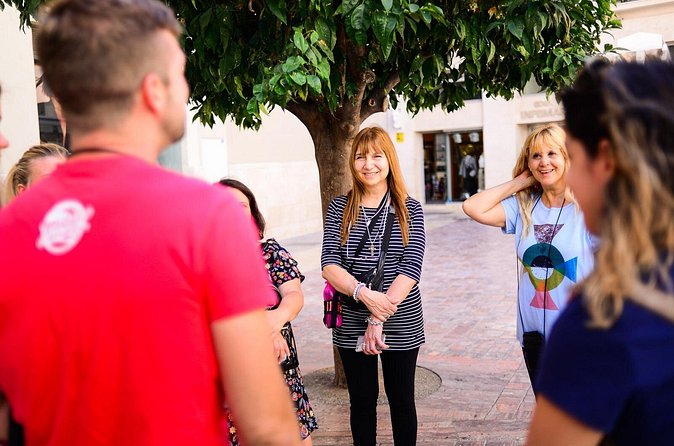
One of the most useful parts of this walk is the break at Mercado Central de Atarazanas. The market is described as having a very special structure and history, and you’ll get that context before you’re given time to explore inside.
You only get about 10 minutes inside, but that’s exactly enough to do the fun part: look for what’s worth buying or photographing. If you’re hungry, it’s also a trigger moment. You’ll know where to come back when you have more time to eat properly instead of rushing.
My advice: use the inside break strategically. Scan for what looks best to you, then decide whether you want to return later. With only 10 minutes, you’ll have a better experience if you don’t try to read every sign.
La Calle Larios: finishing on the main drag so you can keep going
The tour wraps up on Calle Marqués de Larios. This is a very practical ending because it’s a straightforward place to continue exploring without needing another map puzzle.
The guide frames the street with history and curiosities, so it’s not just a photo line. You learn what shaped the street as Malaga’s main promenade and why it feels like a central spine to the city.
Also, narrow historic streets often mean shade at different points during the walk. One comment you’ll see in feedback is that the route stays comfortable thanks to the street layout, which can make a big difference on warm days.
Price and value: why $12.09 can be a smart buy
Let’s talk value in plain terms. You’re paying for:
- a guide who organizes time across several landmarks,
- an English-speaking explanation at each key stop,
- a walk that ends in a strong location for self-guided continuation,
- and a structure that avoids monument entry costs you may not want on day one.
You’re not paying for entry to the Alcazaba or the cathedral. That’s part of the value math. If you add those tickets yourself later, you can choose when you’re ready and how much time you want.
For many first-time visitors, this format is ideal. You’ll get enough orientation that later independent visits feel more rewarding. And if your schedule is tight, exteriors plus context is often the best use of limited time.
How to make the most of it (without overdoing it)
I’d treat this tour like the foundation layer of your Malaga day. It’s not competing with a full museum plan. It’s setting you up to roam smart afterward.
A simple game plan:
- Bring comfortable shoes and expect lots of close-up walking.
- Take photos, but don’t spend the entire 15 minutes trying to perfect a shot.
- Use the market stop to decide what you want to do next: snack now if you can, or plan a proper meal later.
If you like guides who keep things interactive and friendly, this one is designed for that style. People highlight that the tour doesn’t feel stiff, and guides named like Kevin or Ruben are specifically praised for making explanations land.
Who should book this Malaga historic-center walk?
Book this if you:
- want an organized introduction to Roman theatre, Alcazaba, Manquita, and the city core in under two hours,
- prefer outside views with context instead of monument interiors,
- like small-group tours and clear guidance over wandering randomly,
- want a smooth finish on Calle Larios so the rest of your day stays easy.
You might skip or pair it with another visit if you:
- already know Malaga well and want deep interior access,
- want long time in any one monument, since each stop is brief by design,
- are expecting a lot of ticketed entry experiences, because the Alcazaba and cathedral are not entered.
It’s also popular enough that it’s commonly booked about 17 days in advance, so if you have specific dates, don’t wait until the last minute.
Should you book?
Yes, if you want a low-stress way to understand Malaga fast. This tour is built for orientation: key landmarks, short explanation stops, and a final landing on Calle Larios where you can keep moving. At $12.09 with a guided English route and a small-group size, it’s the kind of value that pays off later when you’re exploring on your own.
My biggest reason to book is simple: exteriors only doesn’t mean you get less. It means you get to keep your day flowing. And if you’re lucky with your guide—names like Kevin and Ruben come up for a reason—you’ll leave with the city’s stories in your head, not just pictures on your phone.
FAQ
How long is the walking tour of Malaga’s historic center?
The tour lasts about 1 hour 45 minutes.
Where do I meet, and where does the tour end?
You meet at Pirámide de Cristal, C/ Alcazabilla, 4 (Distrito Centro), 29015 Málaga. The tour ends on Calle Marqués de Larios on the route down toward Calle Larios.
Is the tour offered in English?
Yes. The tour is offered in English.
Do we enter the Alcazaba and the Malaga Cathedral?
No. The tour explains both monuments from the outside only, and it does not include entrance into the Alcazaba or the cathedral.
Is there a time to visit the market inside?
Yes. You get a short break (about 10 minutes) to explore inside Mercado Central de Atarazanas.
What if the weather is bad or I need to cancel?
The experience requires good weather. If it’s canceled due to poor weather, you’ll be offered another date or a full refund. There is also free cancellation up to 24 hours in advance for a full refund.