REVIEW · ULM
Ulm: City Center Walking Tour with Minster Visit
Book on GetYourGuide →Operated by Ulm/Neu-Ulm Touristik GmbH · Bookable on GetYourGuide
Ulm is a city where medieval streets still feel close. This guided walk strings together the old center, modern “new center” buildings, and the towering Ulm Minster in just 1.5 hours.
I especially like the professional guide approach: you get clear, practical explanations plus lots of little anecdotes, and the humor shows up naturally. I also love that the route tackles both the Fishermen’s & Tanners’ Quarter and the Ulm Minster, so you’re not just looking at buildings—you understand why they matter. One thing to plan for: the Minster tour can be limited if events are scheduled, and during specific construction dates you may only see it from the outside.
Hitting Ulm’s main sights feels like switching gears on purpose. You’ll pass the historic town hall with its richly ornamented astronomic clock and the extravagant facade painting, then move into the heart of the city where newer buildings signal the Medieval Meets Modern idea. The downside is mainly timing around the cathedral: guided interior access isn’t guaranteed during the construction window.
In This Review
- Key highlights you’ll care about
- Getting oriented at Tourist-Information Ulm (and keeping the walk easy)
- The town hall stop: astronomic clock and facade art you can actually read
- Medieval Meets Modern in Ulm’s center: newer buildings with a message
- Fishermen’s & Tanners’ Quarter: narrow streets, bridges, and jetties
- Ulm and Neu-Ulm context: how the guide ties two cities together
- Ulm Minster: tallest spire in Germany, plus interior explanations when allowed
- Pacing and route logic: how 1.5 hours works for a first visit
- Price and value: why $11 can feel like a bargain here
- Who this tour is best for (and who should consider something else)
- Should you book the Ulm city center walking tour with Minster visit?
- FAQ
- How long is the Ulm city center walking tour with Minster visit?
- Where do I meet the guide?
- What languages is the tour offered in?
- Is the tour wheelchair accessible?
- Can I always enter the Ulm Minster during the tour?
- Does the tour run rain or shine?
- Are large bags or luggage allowed?
- How much does it cost, and can I get a refund?
Key highlights you’ll care about
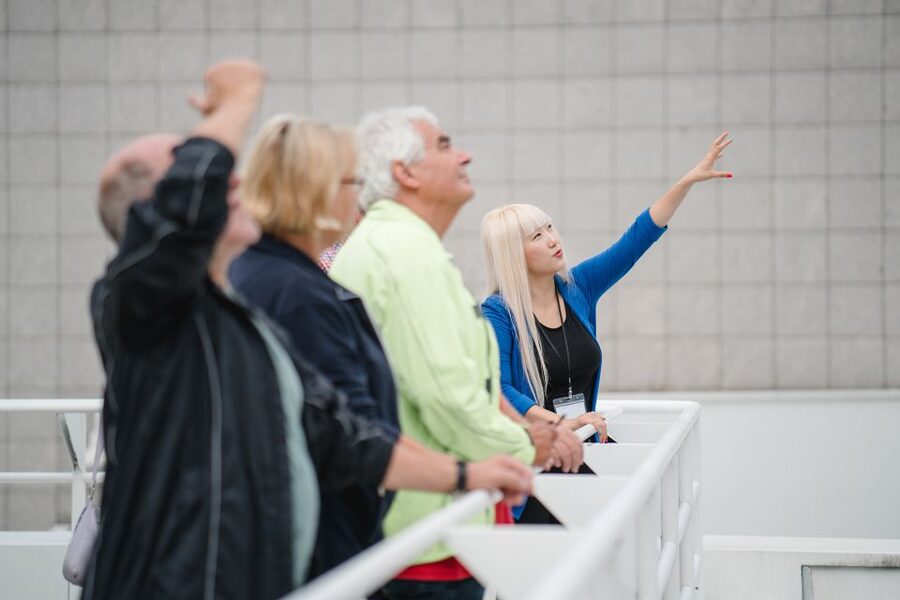
- Ulm Minster visit with the tallest church spire in Germany, plus guide-led interior explanations when available
- Fishermen’s & Tanners’ Quarter with narrow old streets, bridges, and jetties that match medieval scale
- Ulm Town Hall stop focused on the ornamented astronomic clock and facade painting
- Medieval Meets Modern moments: recently built architecture in the middle of the city
- Ulm and Neu-Ulm context that ties the two places together with historical and contemporary facts
- Fast, efficient pacing for a 1.5-hour tour that still hits the core sights
Getting oriented at Tourist-Information Ulm (and keeping the walk easy)
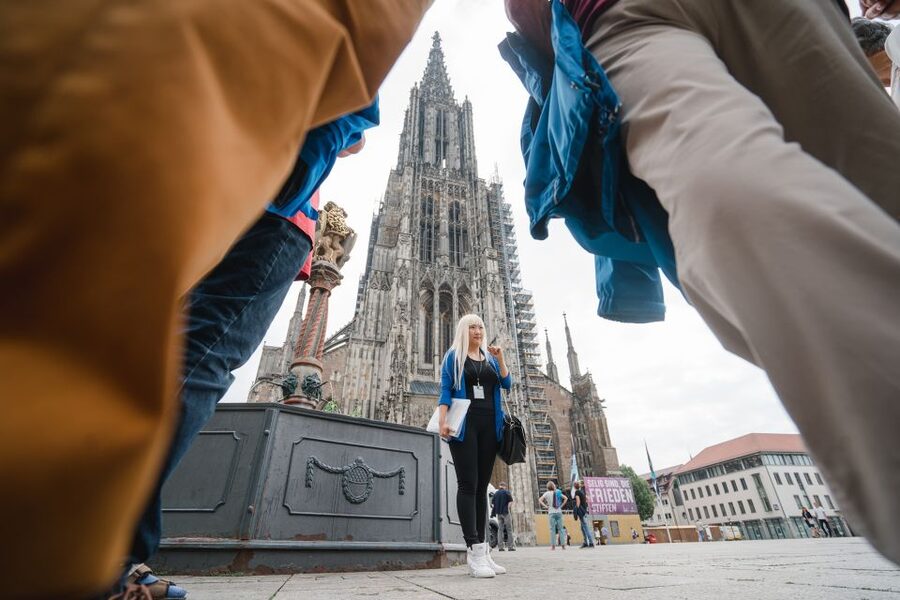
The tour meeting point is at Tourist-Information Ulm, and they ask you to arrive 15 minutes early. That matters because the group needs to assemble, get instructions, and start on time—especially if weather is changing.
The pace is built for a first look. At 1.5 hours, you’re not signing up for an all-day hike. You’ll cover the center on foot, learn what you’re seeing, then have enough time after the tour to explore on your own. And yes, it’s rain or shine, so bring something light for wet streets and slick sidewalks.
The overall feel is “city center, not museum-only.” You’re walking through real neighborhoods—streets with the old narrow scale—and then you jump to major landmarks. It’s a smart way to get bearings fast.
The town hall stop: astronomic clock and facade art you can actually read
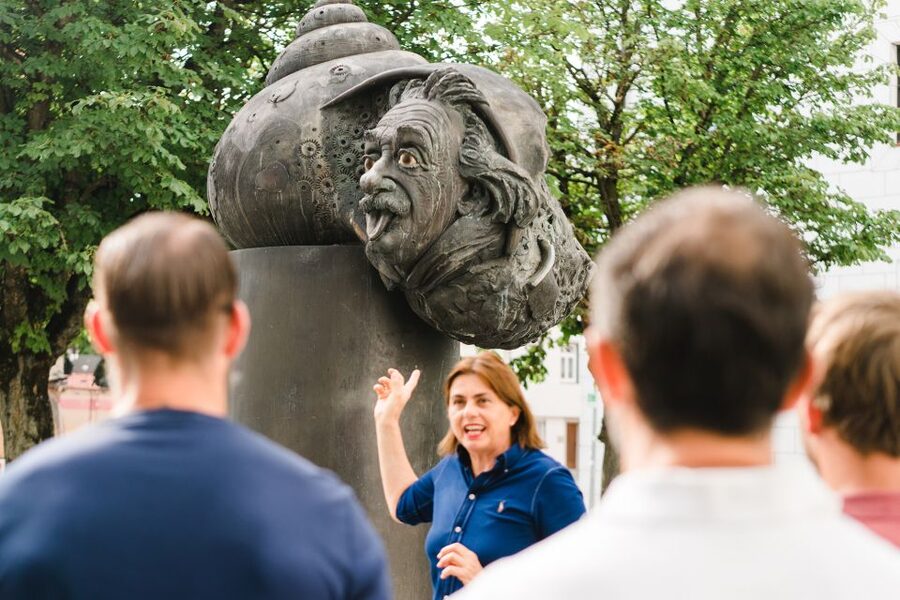
A big early anchor is the historic town hall, where the focus is on two details: the richly ornamented astronomic clock and the extravagant facade painting. Even if you’re not the type who hunts for clocks, this stop is worth it because the guide gives you the context that turns decoration into meaning.
Here’s why it’s valuable: clocks like this aren’t just pretty. They reflect how the city thought about time, order, and public life. The guide-led explanations help you see the town hall as something more than a background building for photos.
The facade painting also earns attention because it tends to be overlooked when people zip past. With a guide, you’ll know what you’re looking for before you look—so you can spend your time noticing rather than guessing.
Practical tip: if you like architectural detail, use the town hall stop to slow down. That’s where you’ll get the highest “see more” payoff in the whole loop.
Medieval Meets Modern in Ulm’s center: newer buildings with a message

One reason this tour doesn’t feel dated is that it doesn’t freeze Ulm in the Middle Ages. The guide highlights the motto Medieval Meets Modern, and you’ll see several newly erected buildings in the heart of the city that play tribute to modern architecture.
Why I think this matters: it prevents the common mistake of treating a historic place like a theme park. You’ll walk through the same area where everyday life keeps updating, and you’ll understand the city’s logic for blending old identity with contemporary design.
This section works especially well if you’re the type who likes cities that still function, not just cities that preserve. You’ll get a clearer sense of where Ulm stands today, and why you might want to return later for an independent walk.
Fishermen’s & Tanners’ Quarter: narrow streets, bridges, and jetties
Then the tour shifts into one of the most historic parts of the center: the Fishermen’s & Tanners’ Quarter. Expect narrow old streets, plus the kind of walking that feels close to the ground—almost like you’re shrinking the scale in your mind.
What makes this part “worth it” isn’t just age. It’s the layout cues: you’ll walk along bridges and jetties, and those crossing points help you understand how the area worked in earlier centuries. The guide’s historical and contemporary facts give shape to what would otherwise be a scenic walk.
This is also where the group energy usually clicks. People tend to lean in when the streets get tighter and the city feels more hands-on. If you enjoy urban texture—street width, turning points, and the way buildings hug the route—this quarter delivers.
Small consideration: because the streets are older and narrower, you’ll feel the crowding more. If you’re someone who prefers wide sidewalks, keep that in mind. For most people, it’s a plus because it makes the past easier to imagine.
Ulm and Neu-Ulm context: how the guide ties two cities together
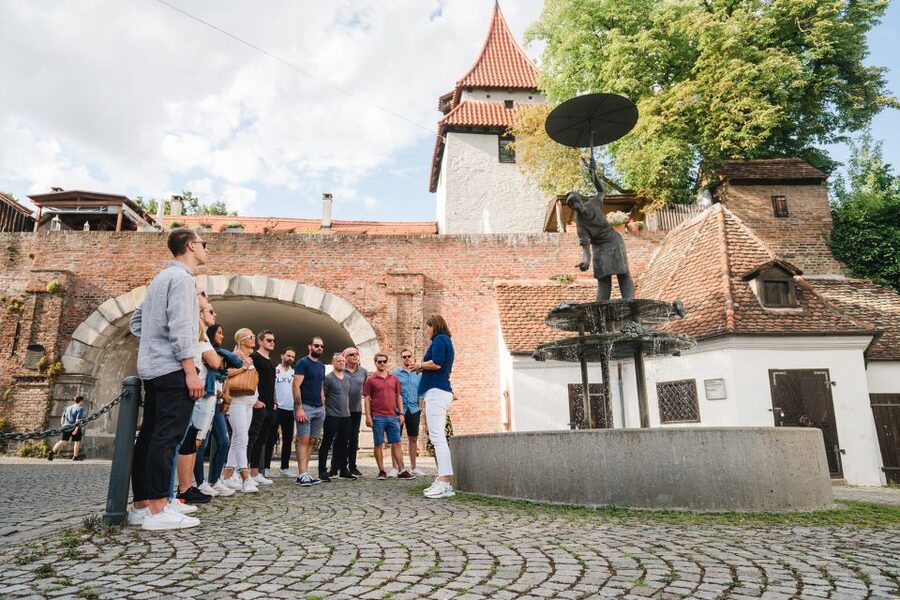
The tour is designed to cover historical and contemporary facts about both Ulm and Neu-Ulm, not just one side. Even if you don’t spend days comparing them, this context helps you see the bigger picture.
Here’s how that typically pays off for you: it makes your photos more meaningful. A landmark doesn’t just become a stop on a list; it becomes evidence of the city’s development pattern. When you leave the tour, you’re more likely to notice signage, river-adjacent areas, and modern architecture choices without needing someone to explain everything from scratch again.
If you’re short on time in the region, this is a practical way to get the “why” behind the places you’ll see.
Ulm Minster: tallest spire in Germany, plus interior explanations when allowed
The centerpiece is the Ulm Minster, the Lutheran church with the tallest church spire in Germany. The guide doesn’t just point upward for a quick look; the focus is on the Minster’s construction and the beauty of the interior.
When the interior visit is available, this stop is the highest payoff of the tour. A big building like this can be overwhelming on your own. With a guide, you’ll learn what to pay attention to, and you’ll understand more of the structure and design choices that make it such a famous landmark.
One important limitation: the tour of the cathedral is only possible if there are no events taking place. On top of that, between January 7, 2026, and Easter 2026, guided tours of the cathedral will not be possible due to construction work. In that date window, you can still view the cathedral from the outside, but you shouldn’t plan on an interior guided visit.
Practical move: if your travel dates land in that construction period, still go. Outside viewing can still be rewarding, and you’ll still get the full tour that leads you there. Just adjust expectations for the inside portion.
Pacing and route logic: how 1.5 hours works for a first visit
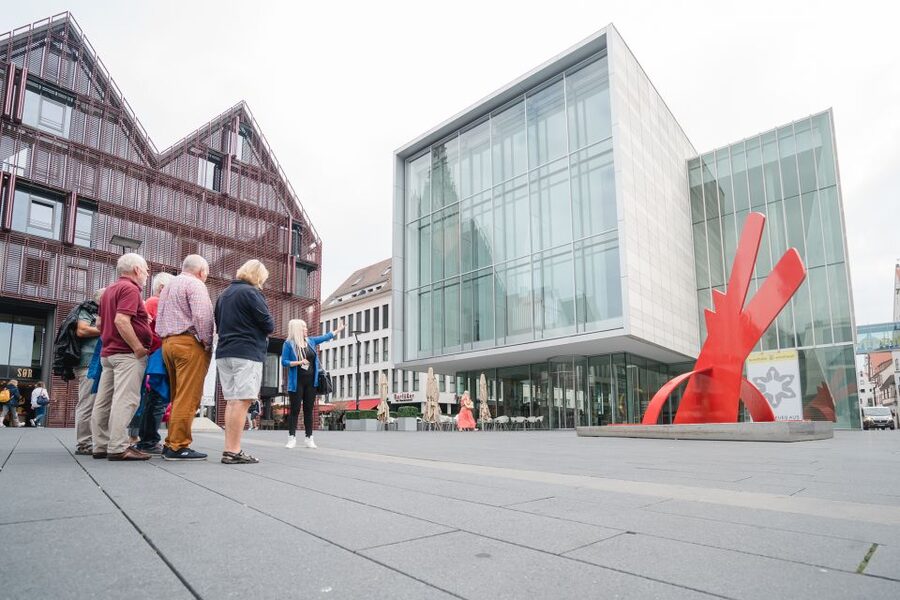
This is a short tour for a reason. At 1.5 hours, you can pair it with other plans the same day without feeling like you spent your whole trip stuck in one area. It also means the guide can keep momentum: you move from town hall details to the historic quarter to the Minster without long gaps.
For you, the smart strategy is simple:
- Use the tour to learn the main story beats of Ulm’s center.
- After the Minster stop, decide which part you want to linger over (often the narrow streets or the facade details).
If you’re traveling with limited time, this tour’s structure is a good fit. It gives you the essentials: a historic civic landmark, an old neighborhood feel, and the major cathedral centerpiece.
Price and value: why $11 can feel like a bargain here
At $11 per person, this tour’s value comes from what’s included: a professional guide for the full walk. In a short time window, you also get access to interpretations that you’d struggle to recreate on your own—especially at the town hall clock and during the Minster stop.
You’re not paying mainly for “standing near famous buildings.” You’re paying for someone to explain what you’re looking at, and to connect the old center with newer architecture under the Medieval Meets Modern theme. That’s the key value driver.
It’s also good value if you’re not fluent in German. The guide works in German and English, so you can actually follow along instead of relying on guesswork or partial signage.
Who this tour is best for (and who should consider something else)
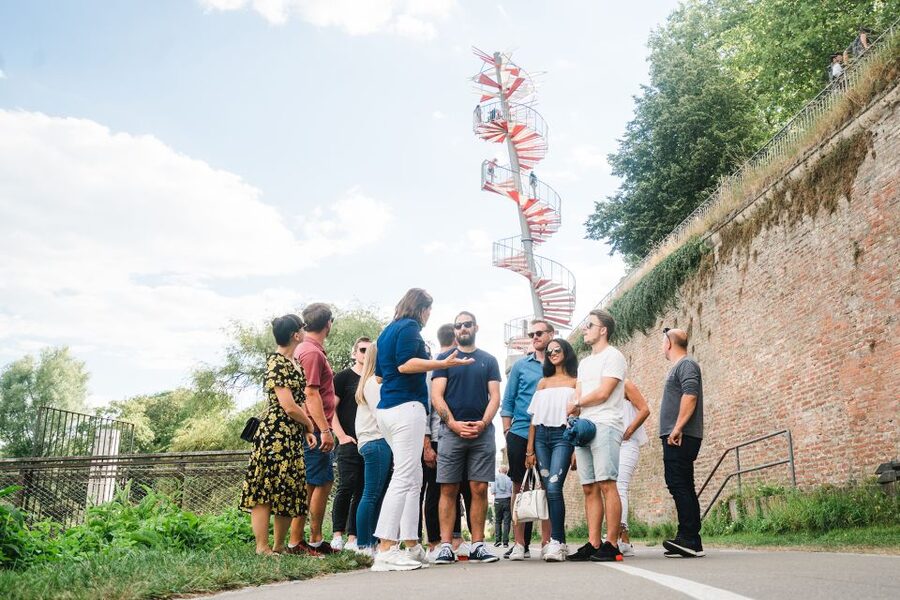
This tour is a strong match if you:
- Want a tight overview of Ulm’s historic center without planning a complex self-guided route
- Like guided explanation for big landmarks like the Ulm Minster
- Enjoy street-level history, especially the narrow feel of the Fishermen’s & Tanners’ Quarter
- Prefer learning from a guide who can keep things informative without turning it into a lecture
Consider another option if:
- You’re traveling during the January 7, 2026 to Easter 2026 construction period and the Minster interior is your top priority
- You strongly dislike walking on older, narrower streets where crowding and turns can feel tighter
Should you book the Ulm city center walking tour with Minster visit?
I’d book it if you want a high-impact Ulm introduction in 1.5 hours. The mix of civic landmark (town hall clock and facade painting), historic neighborhood streets (bridges and jetties), and the big cathedral moment makes it a practical, well-rounded plan.
Just make sure your dates line up with the Minster situation. If you’re traveling in the construction window or there might be an event, go in with flexible expectations about inside access. If the interior visit is available, this is the kind of guided stop that turns a famous exterior into something you’ll actually remember for the details.
If your goal is to understand Ulm quickly and then explore at your own pace afterward, this tour fits that exact job.
FAQ
How long is the Ulm city center walking tour with Minster visit?
The tour lasts 1.5 hours.
Where do I meet the guide?
You meet at Tourist-Information Ulm. Plan to arrive 15 minutes early.
What languages is the tour offered in?
The guide speaks German and English.
Is the tour wheelchair accessible?
Yes, it is listed as wheelchair accessible.
Can I always enter the Ulm Minster during the tour?
No. The guided cathedral tour depends on whether there are events taking place. Also, between January 7, 2026, and Easter 2026, guided tours of the cathedral will not be possible due to construction work, so you can view it from the outside.
Does the tour run rain or shine?
Yes. This tour takes place rain or shine.
Are large bags or luggage allowed?
No. Luggage or large bags are not allowed.
How much does it cost, and can I get a refund?
It costs $11 per person, and you can cancel up to 24 hours in advance for a full refund.