REVIEW · COBH
Titanic Trail Guided Walking Tour Cobh
Book on Viator →Operated by The Titanic Trail Ltd · Bookable on Viator
Cobh puts the Titanic story on your footsteps. In just about one hour, this guided walk ties Cobh’s maritime and emigrant past to the Titanic and Lusitania, with a historian-style narration that keeps the town feeling real. It’s the kind of tour that helps you look at monuments and harbor views and actually understand what they meant.
I love that you don’t just get ship facts. You hear how Cobh’s role in migration and social history shaped people’s lives, not only the passengers’ journeys. I also like the practical pacing: it’s built for a short visit, with stops that make sense if you’re on a tight schedule.
One possible drawback is sound quality. On busier days, street noise and projection can make it harder to catch every word, so pack patience and plan for occasional distractions.
In This Review
- Key points at a glance
- Why the Titanic Trail in Cobh works so well
- Getting your bearings: the Commodore Hotel start and the 1-hour pace
- What you’ll learn on the Titanic Trail: Titanic, Lusitania, and Irish hardships
- Cork Harbour viewpoints plus St. Coleman’s Cathedral (and the hill factor)
- Guide quality: why narration style matters on a walking tour
- Price and value: $36.30 for a short, structured history walk
- Weather, sound, and what can affect your comfort
- Who this tour suits best in Cobh
- Should you book the Titanic Trail guided walking tour in Cobh?
- FAQ
- Where does the Titanic Trail guided walking tour in Cobh start?
- How long is the walking tour?
- What does the tour cost?
- Is the tour offered in English?
- Do I get a mobile ticket?
- Is the tour guided by someone with historical training?
- Is the walk suitable for people with moderate physical fitness?
- Can kids join the tour?
- Is the experience private or shared?
- What happens if the weather is poor?
Key points at a glance
- Historian-trained narration that connects ships to Cobh’s daily life and hardship
- Titanic and Lusitania links explained in a way that’s easy to follow on foot
- Cork Harbour views plus major landmarks that help you understand the geography
- St. Coleman’s Cathedral as a dramatic end point, with the walk being a bit hilly
- A short, focused tour that works well for cruise-day timing or quick stays
- Small-group feel based on typical tour sizes you may encounter
Why the Titanic Trail in Cobh works so well
Cobh has a special advantage over most Titanic-related stops: it’s not a museum first. It’s a working seaside town with steep streets, harbor angles, and real stone buildings that frame the stories. Once you’re standing in the right spots, you can see why ships mattered here—not as abstract history, but as part of how people left, returned, and built communities.
What makes this tour feel worthwhile is the way it connects big events to human context. You’ll hear about maritime history and the emigrant experience, then watch those themes snap into place as you move through Cobh. The guide approach is also a big plus: narration is designed to sound like a historian’s explanation, not a script read at speed.
And yes, the Titanic connection is central—but it’s not the only thread. You’ll also hear about the Lusitania, plus other topics such as Spike Island and the Carpathia sinking. That broader set of stories helps the town feel connected to the whole pattern of early 1900s sea travel and conflict, not just one disaster.
Getting your bearings: the Commodore Hotel start and the 1-hour pace
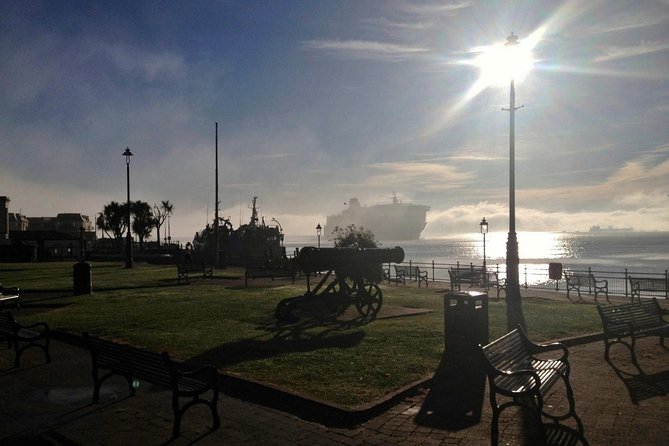
The tour starts at the Commodore Hotel, 4 Westbourne Pl, Ballyvoloon (P24 WR60), and it ends back at the meeting point. That matters more than it sounds. You don’t waste time figuring out how to get between points, and you can drop the tour cleanly into a day already planned around the port area.
You’ll be walking as you go, with an overall duration of about 1 hour. That makes it a strong pick if you’re doing Cobh as a cruise stop. In the same day, it’s also realistic to pair it with a short trip into Cork by train, since the train station sits right at the port area and Cork is about a 24-minute train ride away.
The route is described as suitable for people with moderate physical fitness, and multiple accounts note that Cobh has hills. If you’re steady on your feet but not into steep climbs, this is still manageable, just take it slow and wear supportive shoes.
Finally, you’ll receive a mobile ticket, and the tour language is English. If you’re traveling independently, that simple setup reduces friction.
What you’ll learn on the Titanic Trail: Titanic, Lusitania, and Irish hardships
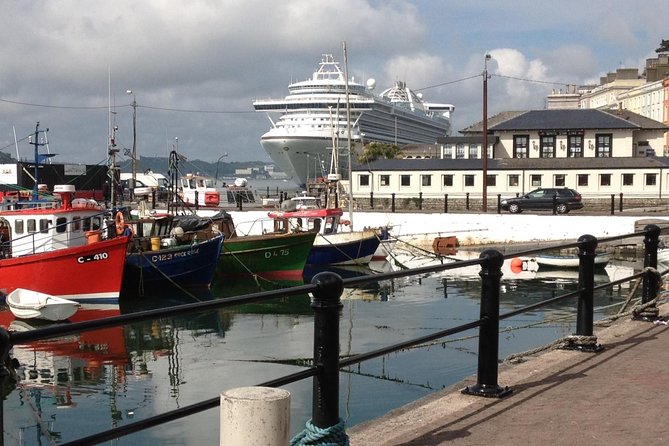
This is where the tour earns its money. The guide narration focuses on more than what happened. It emphasizes why Cobh mattered, and what maritime life meant for local people and emigrants.
You’ll learn about Cobh’s ties to the Titanic, including the well-known fact that Titanic made its last stop in Cobh to pick up passengers before crossing the Atlantic. That detail is powerful when you hear it while looking at the harbor setting—it turns a line from a book into something you can picture.
You’ll also get the Lusitania connection. The Lusitania story fits naturally into the larger discussion of maritime travel and the dangers of the era, especially during wartime. On top of that, the narration touches on immigration and emigrant themes. It’s an important balance: it keeps the focus from staying locked only on passengers and instead includes what it meant to leave Ireland during those years.
Other topics you should expect to hear include:
- Spike Island, which comes up as part of the region’s history
- The Carpathia, mentioned in connection with Titanic’s aftermath
- Social history, including how ships and migration shaped everyday life
One of the most praised parts of the experience is storytelling style. Guides on this route often mix humor with historical explanation, and they’ll point to monuments and features you might otherwise walk past without noticing. If you like learning through a guide who can answer follow-up questions, this format is a good match.
And if you’re a first-timer to Cobh, this tour helps you avoid the common problem of seeing Titanic-related signs without any sense of the bigger picture.
Cork Harbour viewpoints plus St. Coleman’s Cathedral (and the hill factor)
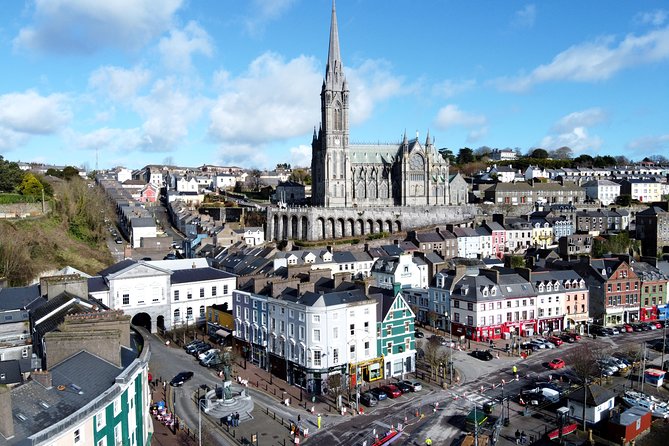
A key promise of the tour is that you’ll see Cork Harbour and St. Coleman’s Cathedral. In practice, that means you’ll spend part of your hour getting your bearings in relation to the water and then working toward the cathedral area, which several accounts flag as a noticeable climb.
Cobh’s setting is built on slopes, so plan for a bit of huffing and puffing. The good news: this isn’t a long trek. It’s short enough that you can manage it even if your fitness is “normal tourist” level. Still, if you know hills slow you down a lot, bring extra time and don’t treat this like a flat urban walk.
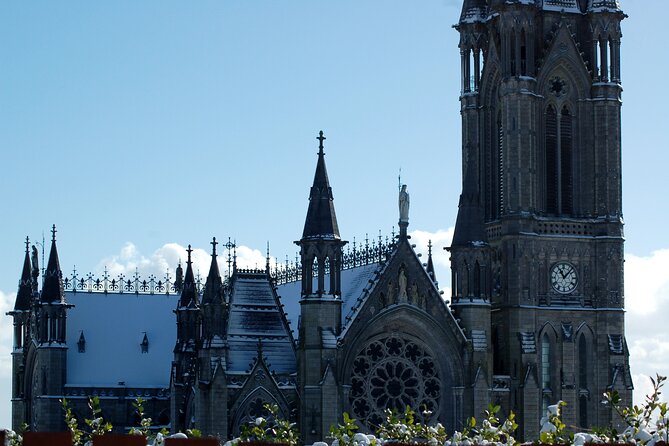
The cathedral stop also helps the tour land emotionally. St. Coleman’s Cathedral isn’t just a pretty building to glance at; it becomes a place where the history you heard can feel more grounded. One guide even spoke about the cathedral’s bells and bishops, tying cultural landmarks to the wider story of the town.
If the weather is rough, remember the cathedral climb can feel tougher. Add a layer you can move in, and consider a rain shell. Cobh weather can change quickly.
Guide quality: why narration style matters on a walking tour
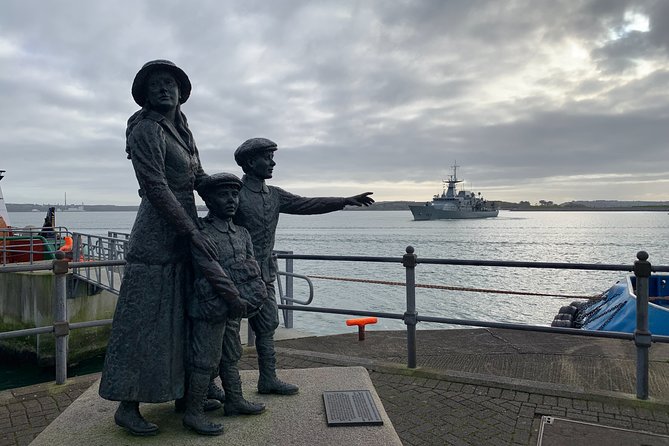
This is a guided experience where the guide is the product. One big reason the ratings are so high is that guides are described as friendly, locally rooted, and able to explain complex history in plain language.
You may meet different guides on different dates. Names that come up in accounts include Donagh, Catherine, Eddie, Dennis, Pat, and Maureen. The most consistent theme across names is that the guides can tell the story with both details and personality—mixing historian-style context with personal touch.
Now, here’s the practical side. Some accounts mention audio issues, especially when the group is moving between stops or when street noise is high. That’s not a reason to skip the tour—it’s just a reminder that in-town walking tours aren’t always studio-quiet. If you’re sensitive to hearing, try to stay closer to the guide and keep an eye out for the moments when they pause to point things out clearly.
If you’re the type who likes to ask questions, this setup can be satisfying. The narration includes context on immigration and maritime events, and then you can get direct answers on what you’re seeing around you.
Price and value: $36.30 for a short, structured history walk
At $36.30 per person, you’re paying for something that works on a short timeline. You’re not paying for a full-day museum ticket day. You’re paying for a guided walk that turns scattered Titanic signage, harbor views, and memorials into a coherent story.
What you get for the money includes:
- A guided public tour format with historian-style narration
- A mobile ticket
- About 1 hour of guided walking
- An admission ticket included, based on the tour listing details
For many visitors, the best value is time. If you’re in Cobh for a cruise stop, an hour can be the difference between seeing the waterfront properly and rushing through it. If you’re on a longer trip, it’s still a solid “get your bearings fast” move. You’ll come away with names, dates, and themes that make the rest of the town easier to read.
The other value: this tour doesn’t stop at one ship. The Titanic and Lusitania connections, plus wider emigration and hardship themes, help you understand why Cobh became important in the first place.
Weather, sound, and what can affect your comfort
This experience requires good weather, so build flexibility into your day. If it’s canceled due to poor conditions, you’ll be offered a different date or a full refund.
Sound is the other reality check. Some accounts mention hearing the guide can be hard when background noise is high and when the guide is speaking in one direction. If you know you struggle with outdoor audio, do yourself a favor and:
- Stand where you can see and hear the guide best
- Bring a light layer for breezes and quick temperature shifts
- Wear shoes you trust on hilly ground
Rain plus wind is where Cobh walks can turn unpleasant fast. Even if the route is short, you’ll feel the weather on your skin. Plan for it.
Who this tour suits best in Cobh
This guided walking tour is a good fit if you want:
- A first visit to Cobh with a clear story thread
- Titanic and Lusitania context connected to Ireland’s emigrant past
- A short plan that doesn’t steal most of your day
It’s also a solid pick if you like history delivered with local humor and direct answers. Multiple guide names show up across accounts, but the common thread is a friendly, personal delivery style.
One more practical match: the tour lists a moderate physical fitness level. If you’re comfortable with short hills and walking on uneven town streets, you’ll be fine. If you struggle with steep climbs, you might still enjoy the story, but you’ll want to consider other ways to see the cathedral area with less uphill walking.
Should you book the Titanic Trail guided walking tour in Cobh?
If you’re trying to decide in one sentence: book this when you want a guided Cobh orientation that makes the Titanic story make sense.
I’d lean yes if:
- You’re in Cobh briefly and want a tight, structured plan
- You care about the Titanic connection but also want broader context like emigration and social history
- You like asking questions and getting a guide who can explain what you’re seeing
I’d think twice if you:
- Know you have trouble hearing speech in noisy outdoor areas
- Are looking for a low-effort, flat walking experience
- Want a lot of indoor time rather than an on-foot route
If you go in expecting a short walk with a strong narrative focus, you’ll get real value.
FAQ
Where does the Titanic Trail guided walking tour in Cobh start?
The tour starts at the Commodore Hotel, 4 Westbourne Pl, Ballyvoloon, Cork, P24 WR60, Ireland.
How long is the walking tour?
It runs for about 1 hour.
What does the tour cost?
The price is $36.30 per person.
Is the tour offered in English?
Yes, the tour is offered in English.
Do I get a mobile ticket?
Yes. The tour uses a mobile ticket.
Is the tour guided by someone with historical training?
Yes. The narration is provided by a historian-trained guide.
Is the walk suitable for people with moderate physical fitness?
Yes. The tour is listed for travelers who have a moderate physical fitness level.
Can kids join the tour?
Yes, children must be accompanied by an adult.
Is the experience private or shared?
It is described as a private tour/activity. Only your group participates.
What happens if the weather is poor?
The experience requires good weather. If it’s canceled due to poor weather, you’ll be offered a different date or a full refund.