REVIEW · PULA
Pula: Historic Walking Tour with Local Guide & City Views
Book on GetYourGuide →Operated by Acta Est Fabula · Bookable on GetYourGuide
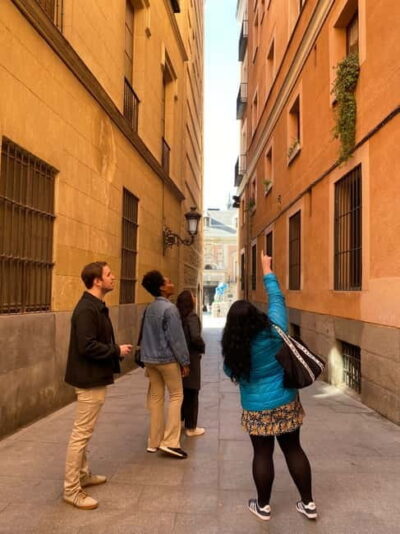
Pula is history you can cover on foot. I love how this tour starts at Pula’s Roman Amphitheatre and turns it into more than a postcard stop, with stories that go past the obvious. I also like the farmer’s market timing, because it gives you a local angle on how Istrians live and trade.
One thing to consider: entrance fees are not included, so if you want to step inside the Amphitheatre, expect an extra cost. This is also a 90-minute to 2-hour walking experience, so comfortable shoes matter. The upside is that with Marina—licensed and experienced in Istria—you can steer the conversation toward culture, nature, lifestyle, or food.
If you’re traveling in German (the live guide works in German), this format is a smart way to build confidence fast. You’ll get a clear route, plus enough flexibility that the tour feels personal rather than scripted.
In This Review
- Key points
- Starting at the Arena entrance: where your walk makes sense
- Pula’s Amphitheatre story: more than gladiator games
- Twin, Hercules, and Sergii gates: the city’s Roman skeleton
- The farmer’s market stop: Istrian food as local culture
- Forum square, August temple remains, and the goat on the flag
- Making it personal with Marina: flexible topics, real questions
- Time on the clock: 90 minutes to 2 hours at a comfortable pace
- Price and value: why $29 can work well here
- Practical tips to get the most out of the route
- Who should book this walking tour?
- Should you book this Pula historic walking tour?
- FAQ
- Is the tour guided by a live guide, and what language is it in?
- How long is the walking tour?
- Where do we meet for the tour?
- Are entrance fees included?
- Can the tour be customized to my interests?
- Is the tour wheelchair accessible?
- Is private group service available?
- What’s the cancellation policy?
- Is there a reserve and pay later option?
Key points
- Begin at the Arena entrance and get oriented right where the story is
- Roman Amphitheatre context that reaches beyond gladiator talk
- Three surviving city gates: Twin, Hercules, and Sergii
- Stop at Pula’s farmer’s market for Istrian produce and local habits
- Forum square highlights: August temple remains, Venetian city hall, and the goat on the regional flag
- Flexible focus—you can steer the tour topics during the walk
Starting at the Arena entrance: where your walk makes sense
Your meeting point is listed as Am Eingang in Arena, unter dem Holzdach. In plain terms, you’ll meet at the Arena area at the entrance under the wooden shelter roof, so you can find the group without hunting around side streets.
This start matters because the Roman Amphitheatre is the strongest visual anchor in Pula. Once you see where you are, everything else gets easier to place—especially when you’re learning how Roman infrastructure still shapes how you experience the city today.
I like that the tour doesn’t waste time. You’re not waiting for the guide to “catch up” with the highlights later. You begin with the biggest landmark, then follow a path that naturally leads into older city areas.
Pula’s Amphitheatre story: more than gladiator games
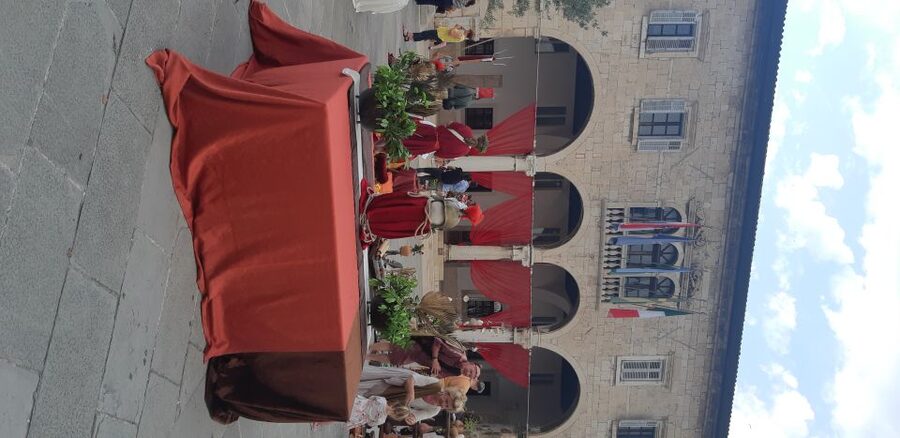
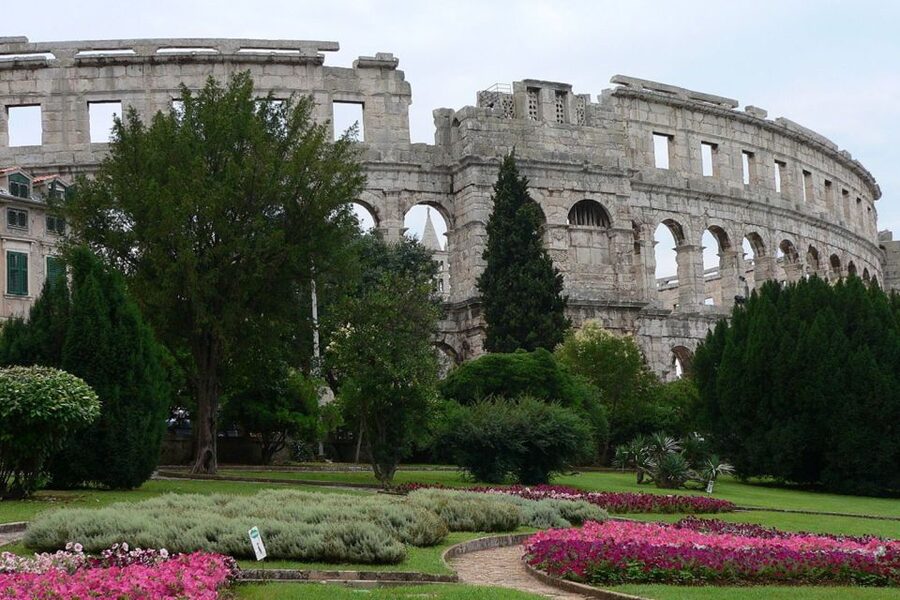
The walk starts at Pula’s Roman Amphitheatre, and the guide explains what it was built and used for—explicitly noting that it goes beyond gladiator games. That’s a key difference from a basic sightseeing stop, where the story often stops at the headline.
You’ll also get the chance to choose whether to visit the Arena itself. One of the best parts of this format is that decision point. If you want to look closer and step into the site, you can. If you’d rather keep the focus on the surrounding streets and city layers, you can do that too.
Even if you’re not a hardcore history person, this stop works because it’s structured. You get the “why” first (purpose and use), then you move outward. The city stops feeling like separate attractions and starts feeling like a connected place.
Twin, Hercules, and Sergii gates: the city’s Roman skeleton
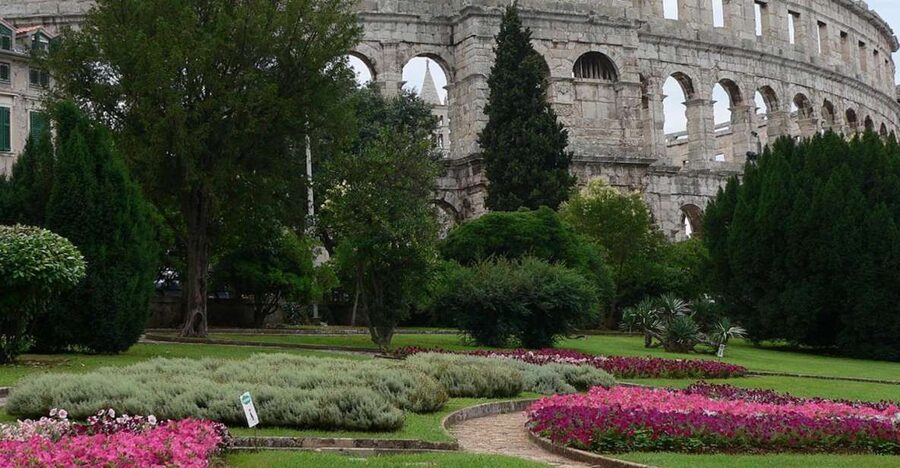
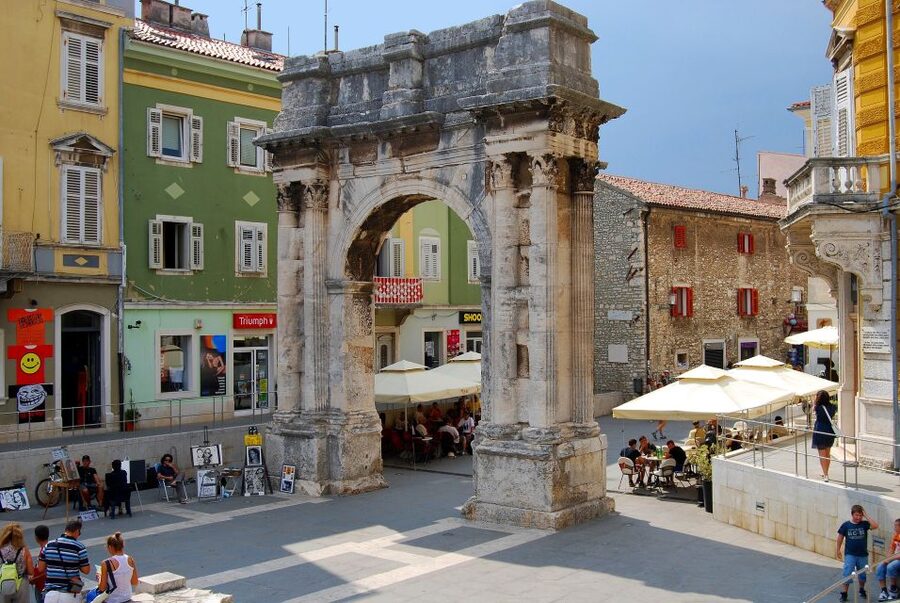
After the Amphitheatre, the route continues to antique parts of Pula, including three Roman city gates that are still standing: the Twin, Hercules and Sergii gates. For me, this is where the tour earns its keep.
City gates are easy to miss if you’re walking with blinders on. On a guided walk, you don’t just see stone; you learn why those gates mattered and how you can read details in the structure. The preserved elements are specifically called out as something the guide uses to explain the story behind them.
The value here is perspective. Once you understand the gates, you understand the city’s logic—how people would have moved in and out, and how Pula’s layers of different cultures kept reusing and redefining spaces over centuries. You also start noticing patterns in street layout and building scale that you’d otherwise overlook.
The farmer’s market stop: Istrian food as local culture
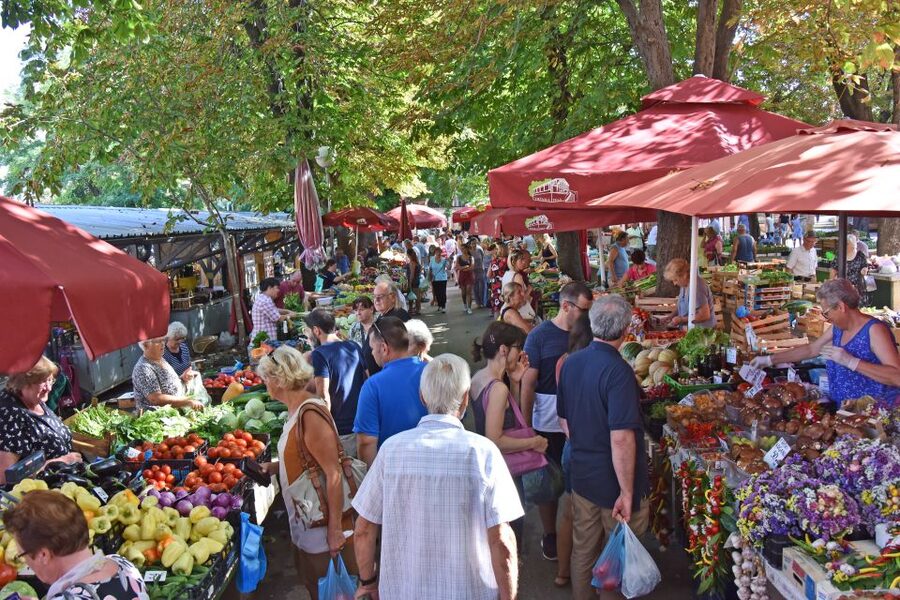
A foodie-friendly part of this tour is the stop at the Pula farmer’s market. The point isn’t just to buy something—it’s to see where locals buy and sell products native to Istrian soil.
That changes how you experience the rest of the walk. Instead of treating food as an optional activity you fit in later, the market gives you context for what you’ll see and eat in the area. It’s also a practical moment: you’re walking with a guide who can point you toward what locals consider normal and worth seeking out.
From a “should I do this” standpoint, it’s worth deciding what kind of traveler you are. If you like meeting people through food and watching daily routines, this stop is a highlight. If you’re short on time or not interested in markets, you might still appreciate it for the local trade angle and the way it ties into the Roman forum stop later.
Forum square, August temple remains, and the goat on the flag
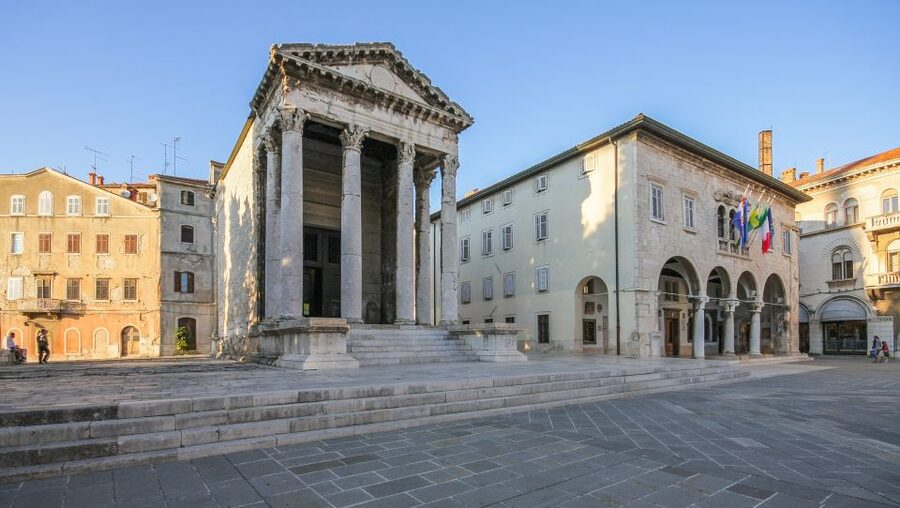
Next up is Forum square. The guide frames it as the Roman version of a farmer’s market—and also the heart of every Roman city. That’s a clever setup, because it connects two eras with one idea: trade in the open and civic life in the center.
On site, you’ll see remains of the August temple. You’ll also admire the Venetian city hall, which sets up Pula as a place shaped by more than one empire and more than one building style. For many first-time visitors, this is the moment where Pula stops being “Roman” and becomes “layered.”
Then comes the fun detail: a goat on the regional flag. The tour includes an explanation of why the goat is there, which is exactly the kind of alternative fact that makes a walking tour feel different from a checklist. Small stories like this are how you remember a city, not just how you photograph it.
Making it personal with Marina: flexible topics, real questions
This tour is built around one guide, Marina, a licensed tour guide in Istria with 18+ years of experience. She specializes in guiding German-speaking guests, and that matters. Language is not just convenience here—it affects how much you can ask and how clearly you can understand the details.
What you can steer is also clearly stated. You can focus on whatever interests you most: local lifestyle, culture, nature, or food. That’s a big deal on a tour like this, because Pula has a lot to show, and a good guide helps you pick a thread you actually care about.
The experience is also described as open to questions, and the tour format fits small-group pacing. Even when the group is small, you still get the benefit of someone looking over the route with you, explaining the visible details and guiding your attention to what matters.
If you want a city overview with a human voice instead of a one-size-fits-all script, this approach fits well.
Time on the clock: 90 minutes to 2 hours at a comfortable pace
The duration is listed as 90 minutes to 2 hours. That range is useful because Pula’s big landmarks are spread out enough that the walk is real, but compact enough that you’re not trapped for half a day.
This length is ideal if you’re doing Pula for the first time and you want orientation plus highlights. It also works when you’re combining it with other activities later, since you’re not burning an entire day on walking.
A practical note: entrance fees are not included. If you decide to visit the Arena, your total “time commitment” could feel slightly longer depending on how you handle that stop. But the tour is structured so the main story flows even if you keep the focus on the walk and exterior views.
Price and value: why $29 can work well here
The price is listed as $29 per person. For that, you’re paying for a live local guide and a guided route that connects multiple “wow” points: the Amphitheatre, city gates, market life, and Forum square landmarks.
A big value factor is cohesion. The tour isn’t just a set of separate ticket sights; it links Roman-era spaces with market culture and later Venetian elements. That means you’re not walking in circles trying to connect the dots yourself.
The one cost that’s not included is entrance fees. So the true value depends on what you decide at the Arena. If you’re happy with the guided story and views from outside, your costs stay predictable. If you want to enter, plan for additional charges on top of the $29.
For German-speaking travelers, the guide’s specialization adds more value too. Clear explanation beats guessing, especially when you’re learning street-by-street context.
Practical tips to get the most out of the route
A walking tour lives or dies on small choices, and this one has a few built in through what it covers.
- Wear comfortable shoes. You’ll be moving for up to 2 hours through older streets and landmark areas.
- Bring a camera, but also pause for the stories. The tour’s best moments often come from what the guide points out in details.
- If you care about food, show up hungry—or at least curious. The market stop is part of the experience, not a random detour.
- If you like options, pay attention when you’re offered the choice about visiting the Arena. That’s your chance to shape the day.
Also, arrive at the meeting point with a little buffer time. Am Eingang in Arena, unter dem Holzdach is specific, and once the walk starts, the pace is part of the fun.
Who should book this walking tour?
This tour is a great match if you are:
- Traveling in German and want a live guide who specializes in that language
- Interested in Roman Pula but want more than the headline version
- Food-minded and curious about how local life shows up at a farmer’s market
- The type who likes small explanations—like how the goat ties into regional identity
It may be less ideal if you:
- Want a fully inside, museum-heavy day (this is a walking route with walking time)
- Don’t want market stops at all
- Are strictly avoiding any extra spending beyond the tour price (entrance fees are not included)
Should you book this Pula historic walking tour?
Yes—if you want a smart first look at Pula with context. The combination of Roman Amphitheatre, visible city gates (Twin, Hercules, Sergii), and a market stop gives you variety that still feels connected. And with Marina guiding German-speaking guests for years, you’re getting an experienced local voice that’s comfortable answering questions and adjusting the focus.
I’d especially book it if you like learning by walking: you’ll see landmarks, then immediately understand what they meant and how the city’s later layers fit around them.
FAQ
Is the tour guided by a live guide, and what language is it in?
Yes. The tour includes a live tour guide and the language is German.
How long is the walking tour?
It lasts about 90 minutes to 2 hours.
Where do we meet for the tour?
The meeting point is Am Eingang in Arena, unter dem Holzdach.
Are entrance fees included?
No. Entrance fees are not included.
Can the tour be customized to my interests?
Yes. You can focus on topics that interest you, such as local lifestyle, culture, nature, or food.
Is the tour wheelchair accessible?
Yes, it is listed as wheelchair accessible.
Is private group service available?
Private group availability is offered.
What’s the cancellation policy?
You can cancel up to 24 hours in advance for a full refund.
Is there a reserve and pay later option?
Yes. You can reserve now and pay later.