REVIEW · PULA
Pula: Historic Walking Tour with Local Guide & City Views
Book on GetYourGuide →Operated by Acta Est Fabula · Bookable on GetYourGuide
Pula makes a lot more sense on foot. This tour is led by Marina, a licensed guide from Pula with strong German and a knack for adding insider context, not just dates. I like that she can shape the walk toward your interests, and the stop choices help you see the city like a local. One thing to consider: at 1.5 hours, it’s packed, so you’ll want to decide in advance what you care about most.
My favorite part is the mix: you start at the Roman Amphitheatre and then keep moving through the city gates, a farmers market, and the Forum square instead of doing one long photo stop. It’s the kind of route that turns “I saw Pula” into “I understand Pula,” especially with the stories about people, trade, and what different cultures left behind. The only real catch is that it’s German only, so plan accordingly if you’re not comfortable with German.
In This Review
- Key highlights you’ll actually feel during the walk
- Start at the Arena entrance under the wooden roof
- A 90-minute, German-led walk that can be tailored to your mood
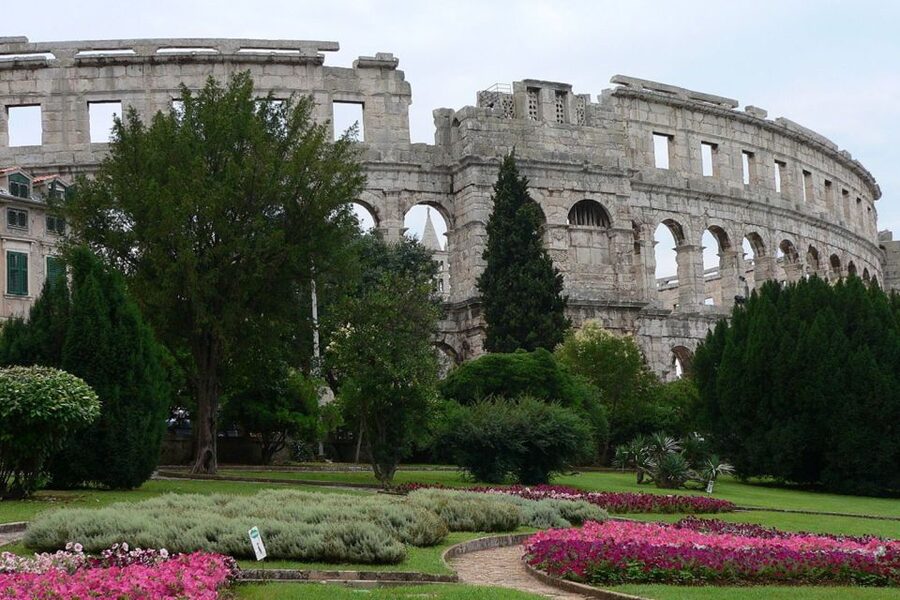
- The Roman Amphitheatre: more than a gladiator photo stop
- Twin, Hercules, and Sergii gates: three Roman entrances still in front of you
- Pula farmers market: Istrian products and local trading in real life
- Forum square, August temple remains, and Venetian city hall with the goat
- Price and value: is $28 fair for 1.5 hours?
- Who should book this Pula walking tour?
- Should you book this Pula walking tour?
- FAQ
- What language is the tour in?
- How long is the walking tour?
- How much does it cost?
- Where does the tour start?
- Does the price include entrance fees?
- Is the tour wheelchair accessible?
- What is the cancellation policy?
Key highlights you’ll actually feel during the walk
- Marina the licensed guide with 18+ years in Istria and a personal, story-driven approach
- Roman Amphitheatre explained as more than gladiator entertainment
- City gates still standing: Twin, Hercules, and Sergii
- Istrian farmers market with a real look at what locals buy and sell
- Forum square including August temple remains and the Venetian city hall goat story
Start at the Arena entrance under the wooden roof
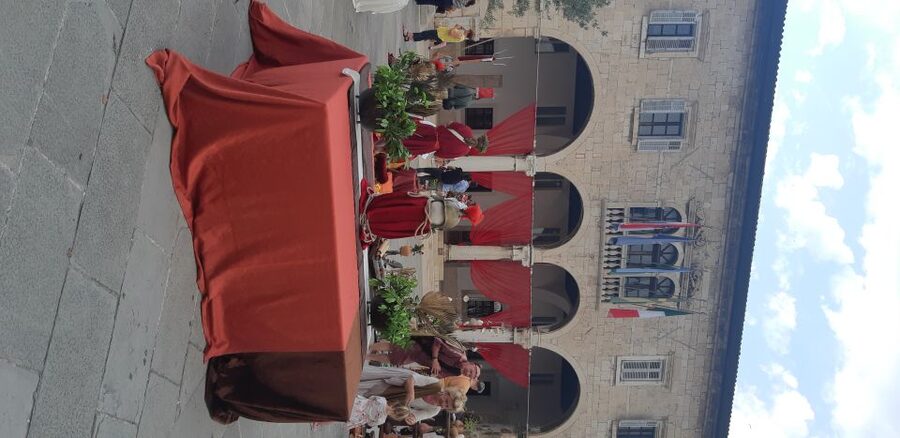
The tour begins at the Am Eingang in Arena, unter dem Holzdach meeting point, right at Pula’s best-known Roman landmark. That location matters because your first “aha” comes immediately: you’re already standing in the center of the story, not trying to piece it together later.
From there, the route is built for smooth orientation. You’ll walk from the Amphitheatre into older parts of town, where the street layout helps you understand how Pula functioned across different eras. Since the activity ends back at the meeting point, you don’t have to worry about complicated end-of-tour logistics.
The walk is wheelchair accessible, which is a real plus for anyone who wants the city context without feeling stuck. Just note it’s still a city walk: you’ll be on your feet for the full 90 minutes, so wear shoes you trust.
A 90-minute, German-led walk that can be tailored to your mood
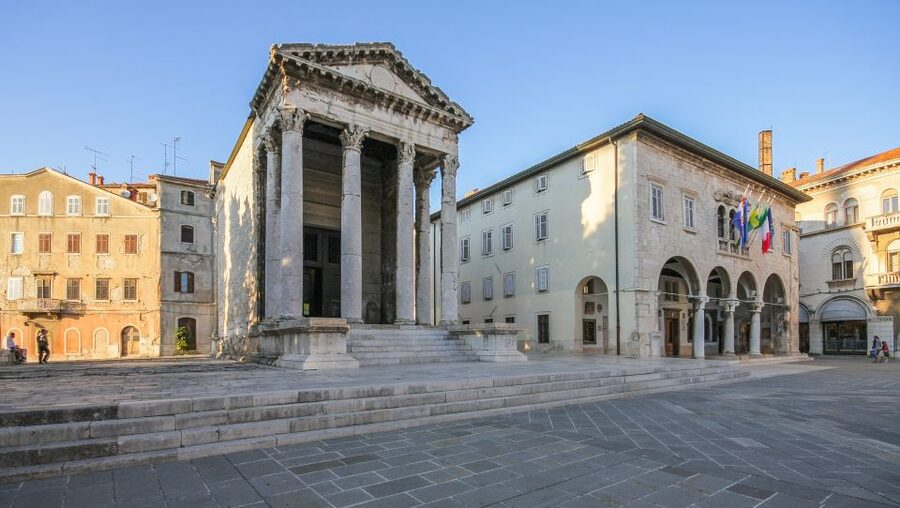
This isn’t a rigid script tour where you get only one version of Pula. Marina works specifically with German-speaking guests, and she’s experienced enough to steer the conversation if you want more about day-to-day life, food, nature, or culture.
That flexibility is useful because Pula can feel like two cities at once: Roman stone everywhere, and a very modern Istrian vibe in the markets and streets. A good guide helps you connect those layers, and Marina’s focus on “what people did here” shows through in how the itinerary is arranged.
You’re also getting something that’s often missing on fast sightseeing tours: “alternative facts.” Instead of only repeating the common highlights, you’ll get side stories that make the place feel lived-in—like why certain details are still remembered, or how trade and civic life shaped the city.
The Roman Amphitheatre: more than a gladiator photo stop
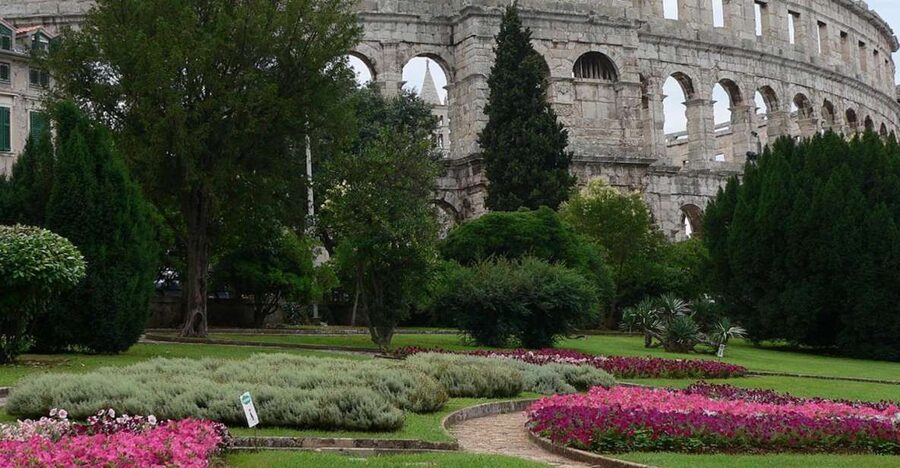
You’ll start by looking closely at Pula’s Roman Amphitheatre, and the explanation goes past the usual gladiator headline. You’ll learn what it was built for and how it was used, and that changes the way you see the building once you’ve heard the full context.
What I like about this stop is how quickly it gives you footing. The Amphitheatre isn’t just impressive; it’s a big clue to the kind of civic culture that existed here. Once you understand its purpose, the rest of the walk makes more sense—because you’re no longer viewing isolated monuments.
Also, you’ll likely spend time spotting preserved details and structures around the venue. Even in a short tour, that’s a smart strategy. It keeps you from rushing through and helps you come away with specific mental images, not just a “nice building” impression.
And yes, the views help too. Pula’s Roman core sits in a way that lets you keep getting visual confirmations of where streets and city structures lead next.
Twin, Hercules, and Sergii gates: three Roman entrances still in front of you
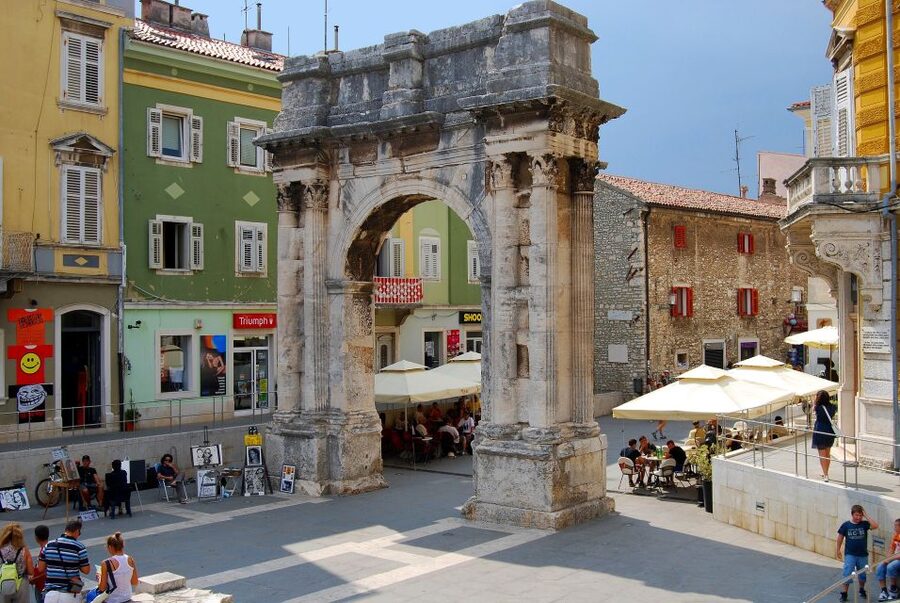
After the Amphitheatre, the walk leads naturally into other antique parts of the city—especially the Roman gates that are still standing. The tour highlights three: Twin Gate, Hercules Gate, and Sergii Gate.
This is one of the strongest choices in the itinerary. Gates are small compared to big monuments, but they tell you how a city worked. You see the entrances that shaped movement, trade, and access. Marina’s explanation of the stories behind these gates makes them feel more like civic infrastructure than just old stone props.
Another smart element is the emphasis on preserved details. When a guide points out what’s still visible and connects it to the broader timeline, you start noticing patterns. That turns the walk into a guided “read” of the city—where each gate becomes a paragraph in the same story.
If you like architecture, street-level details, or just figuring out how cities were organized, this section is where you’ll feel the tour earning its price.
Pula farmers market: Istrian products and local trading in real life
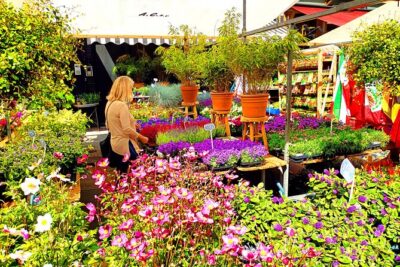
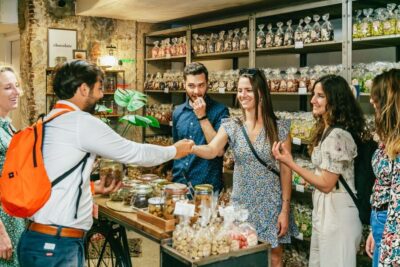
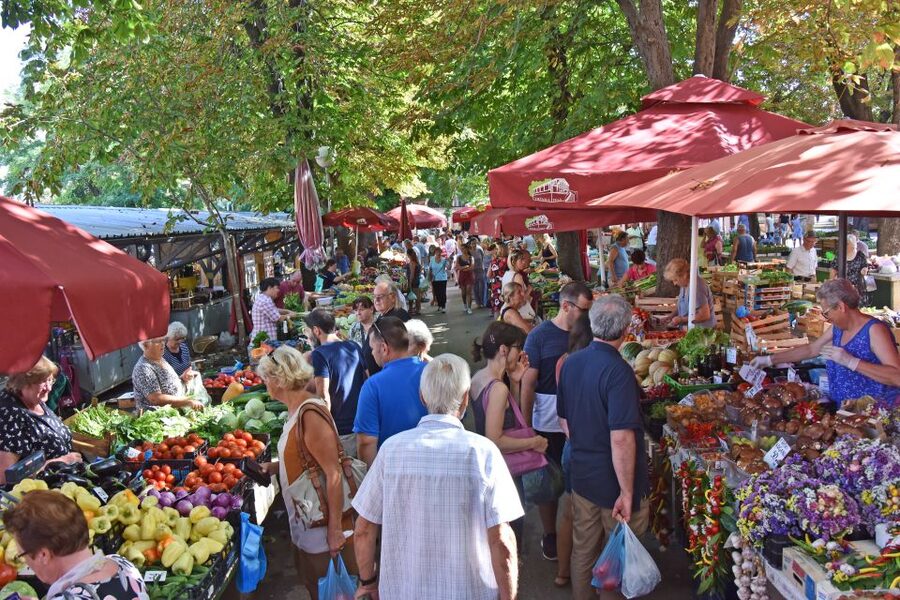
One of the most enjoyable parts is the stop at the Pula farmer’s market, a place where locals buy and sell products native to Istrian soil. This isn’t just a brief photo moment. It’s a practical window into how food and local identity connect.
As a foodie and a cook, Marina brings the conversation into something tangible: what people actually choose, what “local” means here, and how the market fits into the rhythm of daily life. Even if you don’t plan to buy anything, you’ll likely walk away with a better sense of what to look for later when you’re eating on your own.
This stop also works as a contrast point. Roman Pula is heavy on stone and form. The market section brings you back to everyday decisions—what’s fresh, what’s seasonal, what gets traded. That contrast is why the tour feels complete instead of one-dimensional.
If you’re traveling with someone who isn’t as interested in monuments, this market stop is the safety net. It gives a different kind of value: local flavor, local context, and a sense of how people live now.
Forum square, August temple remains, and Venetian city hall with the goat
Next up is the Forum square, which you’ll hear described as the Roman version of a beloved market-style center—but with deeper civic weight. In the Roman world, the forum was the heart of city life, where commerce and public affairs overlapped.
Here, you’ll see remains related to the August temple, and you’ll also admire the Venetian city hall. This mix is important. Pula didn’t develop in a straight line under one culture. The result is a city where layers overlap, and the tour helps you notice those overlaps without turning it into a confusing lecture.
One of the most memorable moments comes with the goat on the regional flag. Marina uses the setting to explain why that symbol appears, which is exactly the kind of detail that makes a place feel more personal than standard sightseeing.
This stop also helps you “place” yourself. Once you’ve walked through gates and the Amphitheatre, the Forum square gives you the city’s social center. It’s where your understanding starts to click: entrances bring people in, monuments show civic power, and markets and forums explain how daily life moved.
Price and value: is $28 fair for 1.5 hours?
At $28 per person for a 1.5-hour guided walk, the value is mostly about what’s included: a licensed local guide and a route that hits multiple major highlights without wasting time on transfers. Entrance fees aren’t included, so if you plan to pay for any specific ticketed sites on your own, budget that separately.
What makes the price feel fair is the density of the route. In 90 minutes, you get:
- the Amphitheatre explained beyond gladiators
- three Roman gates (Twin, Hercules, Sergii)
- a farmers market stop grounded in Istrian products
- the Forum square context plus August temple remains and the Venetian city hall
That’s not just sightseeing volume. It’s narrative structure. The guide connects monuments to how people lived, traded, and organized public life. That’s the part that tends to lead to the strongest satisfaction.
Also, the tour is in German, which can be a deciding factor for many people. If you’re German-speaking, you’re not paying for interpretation—your guide is the expert who can answer questions directly, which adds real value.
Finally, the pricing works well if you’re on a tight schedule but still want more than a “big sights” checklist. If you want slow wandering with lots of time for cafés, you may want a longer stay and add unstructured exploration on top.
Who should book this Pula walking tour?
This tour is a great fit if you:
- prefer a guided walk that explains what you’re seeing, not just where it is
- want German commentary with local, firsthand context
- like city history when it’s tied to real life—food, trade, symbols, and civic spaces
- enjoy street-level viewing of Roman architecture, especially gates and built forms
It may be less ideal if you:
- don’t speak German (the tour is German only)
- want a long, slow pace with extended time inside ticketed sites (the duration is 1.5 hours, and entrances aren’t included)
- dislike walking for about an hour and a half in an urban setting
Should you book this Pula walking tour?
Yes, if your goal is to understand Pula fast, accurately, and with a guide who can answer real questions. The route makes smart use of time: you begin with the Amphitheatre, then keep building context through the city gates, and you end with civic and market life at the Forum.
I’d book it especially if you care about the “why” behind details, like the symbolism connected to the goat on the regional flag, or how the Forum relates to market life across eras. And if you want to talk about local lifestyle and food, this tour’s market stop gives you something you can carry into your own meals afterward.
If you’re unsure, here’s the simplest decision rule: book it when you want structure and meaning more than extra free time. Skip it if you only want to pick off a couple photos and move on.
FAQ
What language is the tour in?
The tour is guided in German.
How long is the walking tour?
It lasts about 1.5 hours.
How much does it cost?
The price is $28 per person.
Where does the tour start?
It starts at the Am Eingang in Arena, unter dem Holzdach meeting point.
Does the price include entrance fees?
Entrance fees are not included.
Is the tour wheelchair accessible?
Yes, the tour is listed as wheelchair accessible.
What is the cancellation policy?
Free cancellation is available up to 24 hours in advance for a full refund.