REVIEW · KIGALI
Kigali: Walking Tour with a Local Guide
Book on GetYourGuide →Operated by NuttinTODO · Bookable on GetYourGuide
Kigali changes fast when you walk it with Gloria. This 150-minute Kigali walking tour is a smart way to connect the dots between Rwanda’s past and the way the city moves today. You’ll cover major stops with a local guide’s context, plus time in places like Biryogo’s car-free food street and the Inema Arts Centre, with chances to grab snacks and ask real questions.
I especially love the way the route mixes important sites with everyday Kigali scenes. You get a thoughtful stop at the Belgian Peacekeepers Memorial, then you’re back on the streets where you can browse arts and crafts and get a feel for how people live and shop. The second thing I like is the human pace: the tour feels friendly and practical, with a guide who’s warm, fun to talk to, and willing to tailor the walk if you’ve already seen certain areas.
One possible drawback: there’s a motorbike or taxi transfer between stops (you’ll take it from the art center area to the memorial area). If you don’t like riding in short hops—or you want an entirely foot-only experience—plan for that.
In This Review
- Quick hits you’ll care about
- Price and what $30 gets you in Kigali
- Meeting point: where to start without stress
- The guide: why Gloria-style warmth matters on a walking tour
- Step-by-step: what each stop feels like and what to watch for
- Biryogo Car Free Food Street: walking room and local market life (20 minutes)
- Belgian Peacekeepers Memorial: solemn context with practical browsing (30 minutes)
- Inema Arts Centre: art, local snacks, and a chance to linger (30 minutes)
- Downtown: a guided walk that ties the day together (30 minutes)
- The short motorbike/taxi hop: how to handle it comfortably
- Customizing your walk: lake views and Nyamirambo viewpoints
- What to bring so the day feels easy
- Weather reality: rain or shine, plan for both
- Who this walking tour is best for
- The one thing to decide before you book
- Should you book this Kigali walking tour?
- FAQ
- How long is the Kigali walking tour?
- Where is the meeting point?
- What’s included in the $30 per person price?
- Is the tour offered in English?
- Does the tour run in rain?
- Will we take any rides during the tour?
- What should I bring?
Quick hits you’ll care about
- Local storytelling you can use: explanations that help you understand Kigali beyond the signs.
- Arts stops with real snack time: Inema Arts Centre includes street food and local snacks.
- Belgian Peacekeepers Memorial as a focal point: photo stop plus a chance to shop in the area.
- Car-free street energy: Biryogo Car Free Food Street is built for walking and lingering.
- You can steer the walk: the itinerary can be customized toward viewpoints and lake time.
- Short transfers when needed: a motorbike/taxi move saves time and keeps the day realistic.
Price and what $30 gets you in Kigali

At $30 per person for 150 minutes, this is one of those prices that makes sense if your priority is orientation plus meaningful stops. You’re not just buying “seeing stuff.” You’re paying for a professional English-speaking guide, a walking route, and an itinerary that can be adjusted based on what you want to focus on.
Kigali is a modern, walkable city in many areas, but it’s also spread enough that doing everything efficiently on your own can cost you time (and nerves). A guided walking tour helps you get your bearings fast—especially if it’s your first day. And because the tour includes market time and arts-crafts browsing, your money isn’t only going toward walking; it’s also paying for the context that makes those places click.
Bring cash. You’ll likely want to pay for small purchases, snacks, and photos along the way. The tour itself includes the guide and walking, but your spending on market items and street food will be on you.
Meeting point: where to start without stress

You’ll meet at the roundabout of Radisson and Kigali Heights, at the fountain and the statue. This is a good choice for first-timers because it’s specific and recognizable. Also, starting near Kigali Heights helps the tour feel organized—you’re not wandering around looking for a guide while your day is ticking away.
If you’re nervous about being late, arrive a few minutes early. Kigali is orderly, but a walking tour lives and dies by timing. Even a short delay can mess up the flow, especially once the day includes a short motorbike/taxi transfer between stops.
The guide: why Gloria-style warmth matters on a walking tour
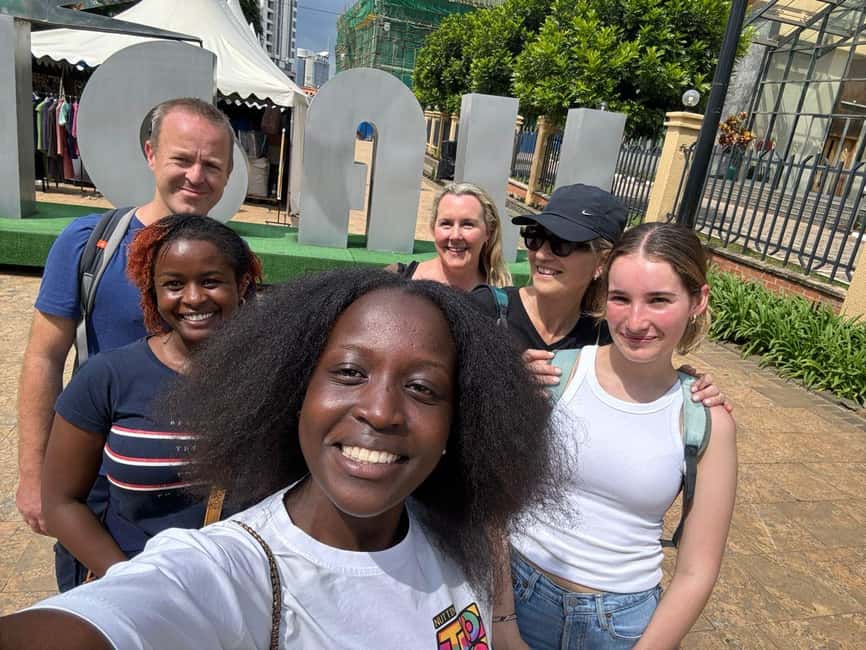
A walking tour lives or dies with the guide. The best part here is the combination of warmth and professionalism—so you can ask questions without feeling like you’re holding up a lecture. If you get Gloria as your guide, you’re in for a friendly day where she shares history and culture with real enthusiasm, answers follow-up questions, and keeps the pace comfortable.
That matters because Kigali isn’t a place where “just visiting” is the same as understanding. The Belgian Peacekeepers Memorial, and potentially other memorial sites, are places where context changes how you experience the moment. A good guide also helps you handle practical stuff—like what to expect on the streets, how to move around, and what’s worth your time.
Step-by-step: what each stop feels like and what to watch for
Biryogo Car Free Food Street: walking room and local market life (20 minutes)
The tour starts with a visit to Biryogo Car Free Food Street, with photo time and guided walking. This is where Kigali feels like Kigali: people moving, chatting, browsing, and eating. The car-free setup makes it much easier to slow down. You’re not threading through traffic while trying to take photos.
Expect a mix of street-level sights plus an arts and crafts market visit. The key value here is perspective. Without a guide, it’s easy to treat markets like a place to snack and snap pictures. With a guide, the same place becomes about how the city supports small business and how local culture shows up in everyday choices.
What to watch for: take your time with photos, but keep an eye on your water bottle. If it’s warm, you’ll burn energy quickly during the first walk section.
Belgian Peacekeepers Memorial: solemn context with practical browsing (30 minutes)
Next is the Belgian Peacekeepers Memorial. You’ll have a photo stop, and you’ll also pass through an area where you can shop and browse arts and crafts. This stop has a different emotional tone than the market street. The memorial invites you to slow down and pay attention.
The practical takeaway is this: memorial sites in cities like Kigali are not only landmarks. They’re part of how people remember, teach, and reflect. A guided explanation helps you avoid the common trap of missing meaning because you’re busy just reading what’s on the stone.
What to watch for: dress respectfully and move calmly. Even if you feel hungry or curious (markets do that), treat this stop as a moment to focus.
Inema Arts Centre: art, local snacks, and a chance to linger (30 minutes)
Inema Arts Centre is one of the tour’s more playful stops. You’ll get photo time, sightseeing, and free time, plus street food and local snacks. This is the section where you can breathe a little and let Kigali’s creative side show through.
Why this matters: art spaces help you see the city’s energy in a different way than monuments do. You’re still learning, but the learning is lighter—how people create, how they sell, and what they want visitors to notice.
If you’re the type who likes talking to makers or asking how something is made, this is the stop where that curiosity feels welcome. It’s also a good moment to refuel before the final walking section.
What to watch for: if you want to try snacks, do it during the free-time window. That way you’re not delaying the group when the guide moves you along.
Downtown: a guided walk that ties the day together (30 minutes)
The tour ends in Downtown, with visits, a guided tour, sightseeing, and a final walking section. This is where you’ll see the city’s present-day rhythm—streets, storefronts, and the feeling of Kigali as a working modern capital.
By the time you reach Downtown, the early stops give you something to compare. Markets show daily life. The memorial shows memory and context. Inema shows creativity. Downtown then becomes the “now” that turns those lessons into something you can actually picture in your head.
What to watch for: wear comfortable shoes for this last stretch. Even if the tour isn’t long, walking adds up when you’re also stopping for photos and snacks.
The short motorbike/taxi hop: how to handle it comfortably
One important logistics note: the guide uses a motorbike or taxi to move between the art centre area and the Belgian Peacekeepers Memorial. This isn’t unusual in Kigali, and it keeps the day realistic. Without that hop, you might spend too long in transit and lose time at the places that matter.
If you’re concerned, plan for it instead of hoping you’ll avoid it. Comfortable clothing helps. Also, keep your phone and camera secured—especially when you’re getting on and off quickly.
Good news: the tour is designed around this transfer, so it shouldn’t feel chaotic. The guide’s job is to make sure you’re comfortable and moving safely from place to place.
Customizing your walk: lake views and Nyamirambo viewpoints
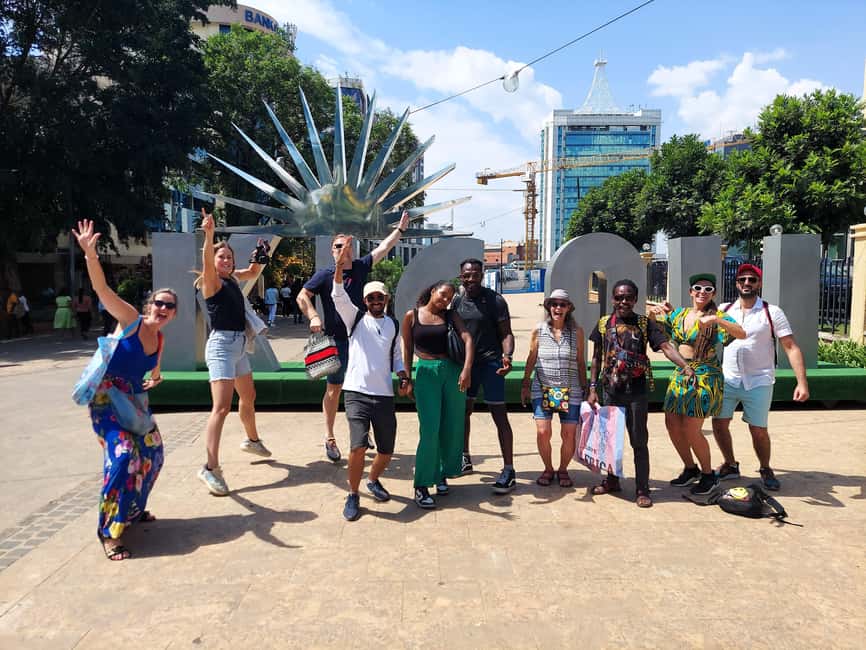
The tour isn’t fixed in stone. You can customize the foot walk to match what you care about. If you want nature time, you can add Nyarutarama Lake. If you want neighborhood texture and viewpoints over the hills, you can explore Nyamirambo and its charming alleyways.
This flexibility is where the tour becomes extra valuable. Kigali has layers. If you only see the “main sights,” you miss the small routes that explain what the city is like to live in. Adding a neighborhood or a lake stop gives you that last piece of the puzzle—especially if you like walking for views rather than just landmarks.
My advice: if you’re short on time, choose one customization (lake OR neighborhood) rather than trying to cram everything in. The tour is 150 minutes total, so your best results come from picking the vibe you want most.
What to bring so the day feels easy
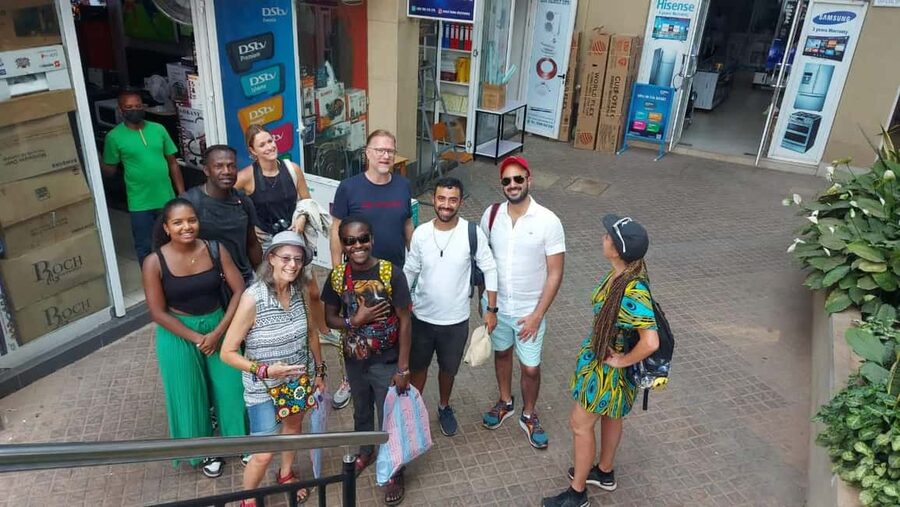
You’ll have a better experience if you show up ready to walk and snack without hassle. Bring:
- Comfortable shoes
- Hat
- Camera
- Water
- Cash
That cash item matters more than it sounds. Between arts and crafts markets and local snacks, you’ll probably want to buy something small or pay for refreshments. Also, having cash on hand keeps the tour smooth if you decide you want an extra drink or snack.
Weather reality: rain or shine, plan for both
The tour operates rain or shine. That means you should dress for the forecast, but also assume you’ll get some damp moments if the weather turns.
The practical move: shoes that can handle wet streets, and a hat that can handle wind or sudden sun breaks. If you’re photo-focused, bring your camera with a simple plan to protect it if it starts raining hard.
Who this walking tour is best for
This tour fits best if you want:
- a first-day orientation to Kigali
- a guided mix of markets, art, and memorial context
- a route that’s not only monuments, but also how people live
It’s also a strong pick for solo travelers because the format is friendly and structured: meet at a clear spot, follow a guide, and stop often enough to ask questions and regroup.
It is not suitable for children under 10, and it’s not recommended for people over 70. That’s likely due to walking time and the motorbike/taxi transfer.
The one thing to decide before you book
Before you go, decide what you want most:
- Do you want history focus around memorial sites?
- Or do you want a city intro with arts and neighborhood texture?
- Or do you want nature time with Nyarutarama Lake or a Nyamirambo viewpoint?
Because the tour can be customized, your priority should guide your choices. This is how you get a day that feels personal instead of generic.
Should you book this Kigali walking tour?
I think you should book if you’re craving an efficient, human-sized way to understand Kigali without doing it all solo. The best reason is the combination: a local guide who can explain what you’re seeing, plus stops that balance memory with everyday life and creativity.
If you dislike any motorbike or taxi transfer, or if you want a strictly foot-only walking day with no rides at all, then look for a different option. Otherwise, this tour is a smart start for Kigali—especially if you like asking questions and seeing the city through someone who knows where the stories live.
FAQ
How long is the Kigali walking tour?
The duration is 150 minutes.
Where is the meeting point?
You meet at the roundabout of Radisson and Kigali Heights, at the fountain and the statue.
What’s included in the $30 per person price?
It includes a professional guide, a customizable itinerary, and the walking tour.
Is the tour offered in English?
Yes. The live guide speaks English, and they may assist with basic translations in Kinyarwanda.
Does the tour run in rain?
Yes. The tour operates rain or shine.
Will we take any rides during the tour?
Yes. The guide will use a motorbike or taxi to move from the art centre to the Belgian memorial.
What should I bring?
Bring comfortable shoes, a hat, a camera, water, and cash.