York’s history turns corners every two hours. This walk through York uses a local guide to connect the Minster, the Shambles, the medieval city walls, and darker legends without you needing to plan a route. I love the way it’s built like a story you can actually follow on foot, and I love that you get off the main drag to places many visitors miss. One drawback to plan around: key interior stops like York Minster and York Castle Museum are not included in the ticket price, and you only see a section of the walls.
The tour is also paced well for a 2-hour format. Guides such as Nick (and James, in other time slots) come across with a clear voice, good people skills, and plenty of room for questions. I’d put this tour in the category of first-day help: it helps you understand what you’re looking at so your next steps around York feel easier.
The main thing to calibrate is expectations. If you’re hoping for a long, wall-to-wall wall walk, you may find it shorter than you’d like since the route takes in only one segment. And if you want to go inside big-ticket sites, budget a bit extra for entry tickets.
In This Review
- Key highlights you’ll feel on the walk
- A 2-Hour Orientation Walk Through York’s Roman to Victorian Layers
- Where You Start by York Minster: Constantine the Great at Minster Yard
- York Minster and the Minster-Guides Option: Biggest Gothic Cathedral in Northern Europe
- The Castle Motte and Medieval Levels: Bloody Stories at 1069 and Beyond
- Shambles: The Butchers’ Street, St Margaret Clitheroe, and Why It Still Looks Busy
- St Cuthbert’s Church and the Devil’s Door Myth
- York City Walls: Roman Defences, Danish Earthworks, Sieges, and Victorian Changes
- Constantine the Great, Christianity, and York’s Roman Visitors
- The Black Swan at Hungate: Local Characters, Battle Links, and Black Cats
- Merchant Taylors’ Hall and Shambles Market: How Guilds Made York Work
- Monk Bar, Ogleforth, and King’s Square: Gates, Street Names, and Jorvic
- York Castle Museum and Dick Turpin: The Tour’s Best Setup for a Follow-Up
- Price and Value: Is $18.02 Worth It?
- Who This Walking Tour Fits Best
- Quick practical notes before you go
- Should You Book J & M York City Walking Tours?
- FAQ
- How long is the J & M York City Walking Tours tour?
- Is the tour offered in English?
- What is included in the ticket price?
- Is admission to York Minster included?
- Is admission to York Castle Museum included?
- Do you walk along York City Walls?
- Where does the tour start and where does it end?
- How big is the group?
- Can I use a mobile ticket?
- Is there free cancellation?
- Is the tour dependent on weather?
Key highlights you’ll feel on the walk
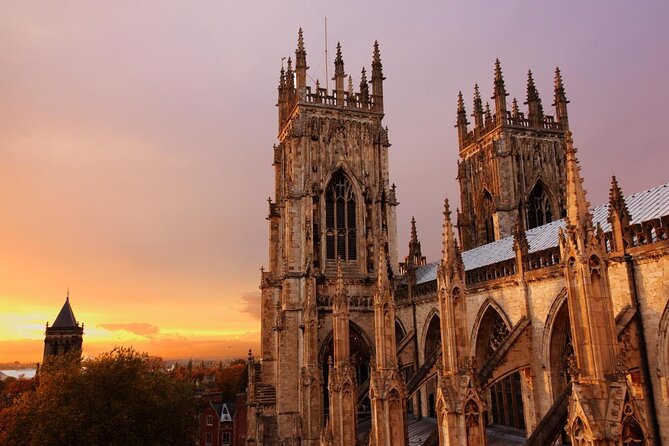
- A 2,000-years-in-2-hours storyline that moves from Romans and Danes to medieval trade and Victorian changes
- York Minster focus with an option: you’re near the cathedral, but Minster admission isn’t included
- The Shambles and old religious sites like St Cuthbert’s Church, including the legend around the Devil’s Door
- City Walls section view: Roman defences, Danish earthworks, sieges, plus nearby historical neighborhoods
- Castle-era and Dick Turpin material that points you toward York Castle Museum (entry not included)
- Small-group feel with a maximum of 30 people, which helps the guide keep questions flowing
A 2-Hour Orientation Walk Through York’s Roman to Victorian Layers
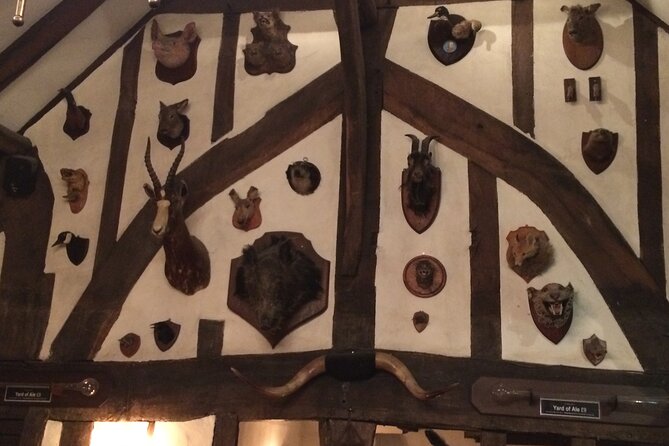
York is the kind of city where the streets feel like pages from a history book. This walking tour gives you the book’s table of contents fast. In about two hours, you’ll move from the Roman groundwork of the city to later medieval life, then toward castle stories and Victorian era changes. The result is practical: once you know what each area used to be, York stops looking random.
The big value here is the guided connection between landmarks. York Minster isn’t treated as just a photo stop. The Shambles is more than crooked lanes. The walls aren’t just scenery. The guide ties each stop to the wider York story, including Roman and Danish layers, medieval guild life, and later alterations.
Also, you don’t have to solve navigation. The route is designed for wandering: winding streets, tight historic quarters, and clustered sights. That matters because York’s old center can be surprisingly easy to “over-walk” in the wrong direction if you’re trying to plan everything yourself.
You can also read our reviews of more walking tours in York



Where You Start by York Minster: Constantine the Great at Minster Yard
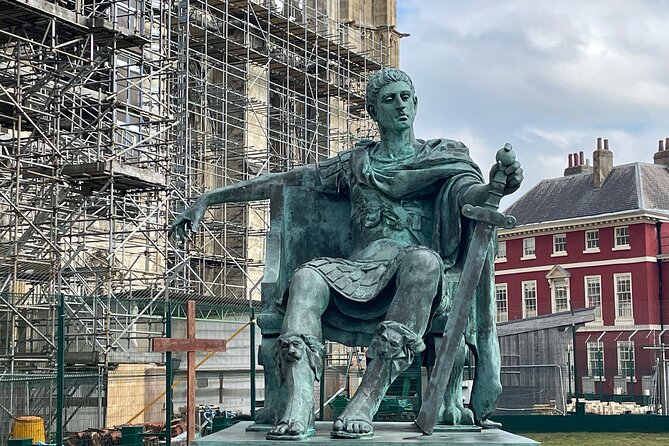
You kick things off at 4 Minster Yard, York YO1 7JB, at the Constantine the Great area by York Minster. It’s a smart start point. You’re positioned right where York’s story keeps resurfacing: the Minster zone, easy walking access, and close links to the Shambles.
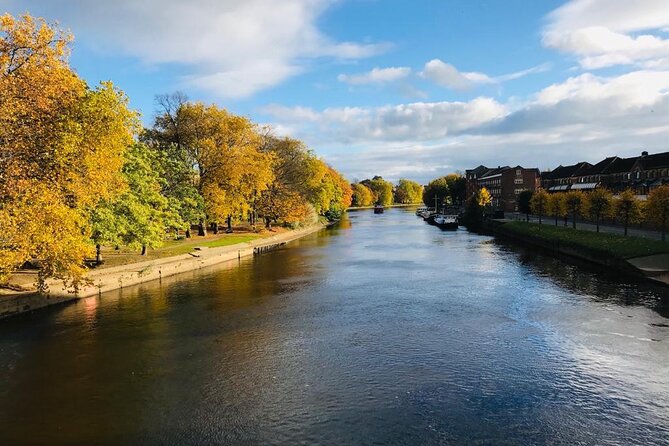
Starting here also sets the tone. The guide uses this area to frame what York is about: walls and gateways, the Minster, older streets like the Shambles, river links, and castle-era remnants. From the first minutes, you’re being oriented rather than dropped into a list of buildings.
If you like starting tours early in your day, this one is especially handy. It gives you a mental map, so you can return on your own afterward with more confidence about where to spend time.
York Minster and the Minster-Guides Option: Biggest Gothic Cathedral in Northern Europe
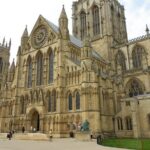
York Minster is your first major featured stop. You’ll spend about 20 minutes in this phase, and the cathedral is the largest Gothic cathedral in Northern Europe. The tour highlights how long the building took—252 years—which instantly changes how you look at its scale.
A key practical point: Minster admission is not included. That doesn’t make the stop less useful. It just means you’ll decide on the spot whether you want to pay for an inside visit. The tour notes that there are Minster guides inside and that those tours last about an hour. So, if you’re the type who loves interiors and stained glass, you can plan to extend your day.
Even if you don’t go in, this is still a great stop for context. The guide’s job here is to help you understand why the Minster matters to York’s identity—religious power, civic pride, and the long timeline of construction.
The Castle Motte and Medieval Levels: Bloody Stories at 1069 and Beyond
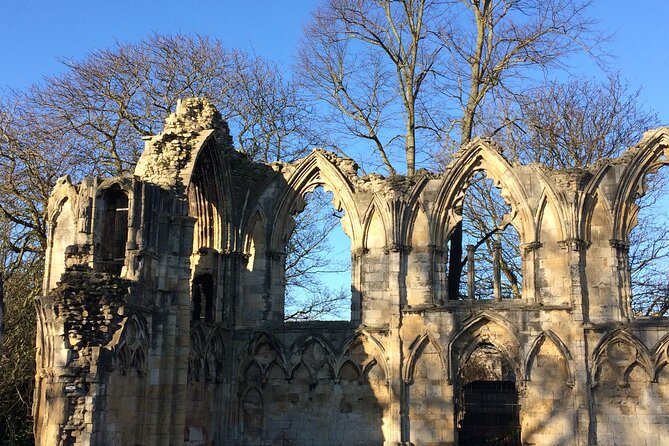
After the Minster area, the route shifts toward castle ground. You’ll walk around the motte of the castle built in 1069. This is where the tour turns from “architectural history” to “who lived and what happened” history. You’re guided through the grounds with the kind of grim storytelling York is good at: bloody and dark secrets, and the reminder that castles were not just big views—they were power in a small space.
Then you go down into the medieval levels of the city. This is one of my favorite kinds of walking-tour moments because York’s old “bottom layers” can be easy to miss unless someone points them out. Here, the guide focuses on the richest guild in York and how traders helped drive the city’s prosperity. The tour also calls out the role of women in this guild, which adds a level of human detail that many landmark-only tours skip.
Drawback to keep in mind: since this tour is built around stories, you’ll likely move along at a steady pace. If you stop to read everything yourself, you might feel rushed unless you take notes and revisit later.
Shambles: The Butchers’ Street, St Margaret Clitheroe, and Why It Still Looks Busy
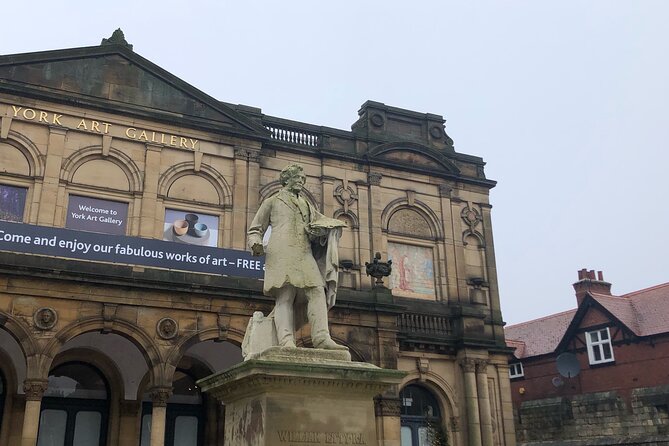
The Shambles is next, and it’s short—about 10 minutes—but it’s set up to matter. You’ll hear it described as the street of the Butchers, then you’ll be shown the shrine of St Margaret Clitheroe.
Shambles works best when you understand what made it central: old commercial life built into the street layout. The tour’s approach helps you see why this street survived and why it became the kind of place visitors remember even when they can’t name the details.
Admission here is free, and that’s a win. You’re paying for the guide’s storytelling, not for a ticket window. If you’re trying to decide what to do with limited time in York, this is a high-impact use of your two hours.
You can also read our reviews of more city tours in York

St Cuthbert’s Church and the Devil’s Door Myth
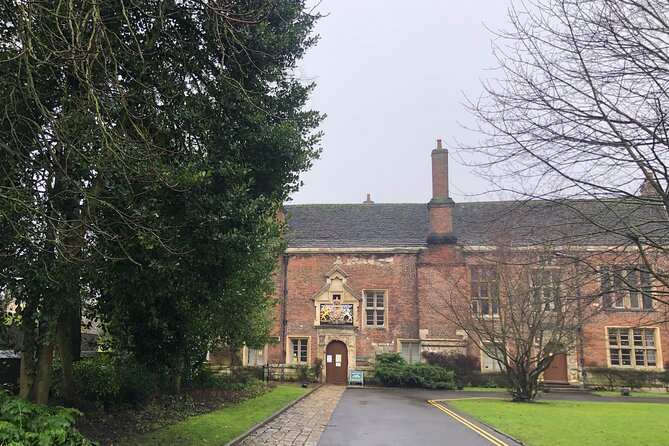
St Cuthbert’s Church gets about 6 minutes, and it’s one of those “blink and you miss the real reason it’s famous” stops. You’ll learn that the church is partially built from Roman brick work, and that it includes Saxon and Norman architecture. That mix is York’s style: layers stacked close together.
Then you hit the tour’s playful side: the church has a feature called the Devil’s Door. The guide unravels the truth behind the myth. Whether you already enjoy legends or you’re skeptical by default, this kind of stop is worth it because it explains why the story exists in the first place.
If you like architecture but hate feeling like a museum guard, this is a good balance. The church’s details get explained in plain language, not academic trivia.
York City Walls: Roman Defences, Danish Earthworks, Sieges, and Victorian Changes

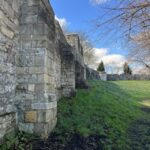
One of the tour’s signature stops is York City Walls, with about 15 minutes here. You’ll see a section where you can spot Roman defences, Danish earthwork, and learn about sieges and later Victorian alterations.
This is another value-packed stop because walls teach you how a city defended itself—and how later eras reused or reshaped that defensive layout. You’ll also pass by the old Jewish quarter area of the city, which adds depth beyond the stones.
A planning note: a previous comment highlighted disappointment for people expecting more wall walking. In this tour’s format, you’re seeing a segment, not a full ring. If the walls are your main obsession, plan to follow up on your own afterward.
Constantine the Great, Christianity, and York’s Roman Visitors
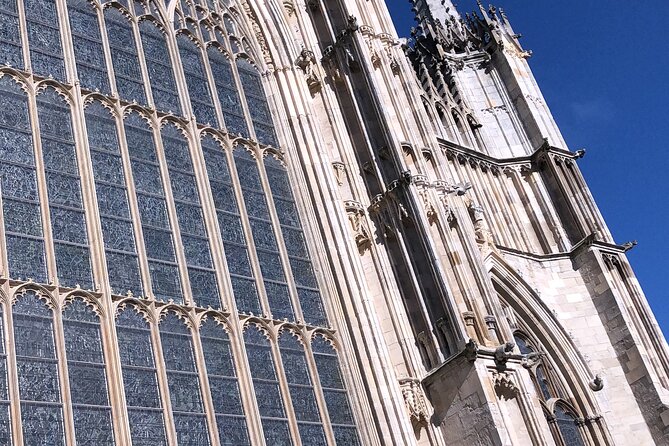
You’ll also pass a Statue of Constantine the Great and learn about York’s origins and visiting emperors, then connect that to Constantine’s effect on Christianity and York. That’s a useful way to understand York’s Roman-era relevance without getting lost in dates.
You’re not stuck in lecture mode here. The tour ties the Roman thread to what you’ll see later—especially the idea that York kept changing hands and kept rebuilding.
The Black Swan at Hungate: Local Characters, Battle Links, and Black Cats
The Black Swan stop is quick—about 5 minutes—as you enter the old Hungate parish area. You’ll hear about the Black Swan and its famous residents, plus links to the battle of Quebec. Nearby, you might spot a building whose architecture reflects Irish heritage, and there’s a chance to see York’s famous black cats.
This is the kind of stop I appreciate because it brings York into focus as a living city, not just a collection of old rocks. Even if you never stop for a meal here, the framing helps you understand why people remember certain pubs and streets: names carry stories.
Also, it keeps your walking rhythm from getting too heavy. After walls and guilds, this kind of human scale stop is a breather.
Merchant Taylors’ Hall and Shambles Market: How Guilds Made York Work
You’ll pass Merchant Taylors’ Hall on the city walls route. This part is short—around 4 minutes—but it connects guilds to York’s economic center. You’ll learn about the Taylors’ significance to the city and their role today.
Then you’ll move to Shambles Market, around 5 minutes, to see the market and understand its significance in York’s economic growth.
These stops are easy to underestimate if you only think of York as a cathedral city. But trade is how York had the money to build, expand, and leave behind the kind of streets and institutions that still stand. If you want one reason this tour feels more satisfying than a pure sightseeing loop, it’s because the guide keeps returning to who benefited from prosperity and how that shows up in the built environment.
Monk Bar, Ogleforth, and King’s Square: Gates, Street Names, and Jorvic
Next, you’ll visit Monk Bar, about 5 minutes. The tour frames it as one of six gates in York, explaining its role in city defences. You’ll also hear the legend of the Wild men of York and some of the bar’s more gruesome uses. Even if you’re not a legend person, gates and punishment stories are part of the medieval logic of the place.
Then comes Ogleforth, about 5 minutes along a Saxon street. You’ll learn about the Dutch House and how architecture changed after the Great Fire of London. The tour also mentions the emergence of insurance policies tied to that shift—useful context if you’ve ever wondered why certain buildings in England seem to follow specific styles.
Finally, you reach King’s Square, around 5 minutes. The guide connects street names to history, points out Viking heritage, and explains the city center of Jorvic. This is an “aha” stop. It turns York’s street grid into a clue trail.
York Castle Museum and Dick Turpin: The Tour’s Best Setup for a Follow-Up
The last featured stop is York Castle Museum. You’ll see it from the outside and get stories tied to prison reform and how the building was used in the past. You’ll also hear the myth and stories behind the real Dick Turpin.
This stop lasts about 7 minutes, and again, admission is not included. The outside framing still works well, though. It gives you the narrative hooks so, if you decide to pay for entry later, you’ll walk in already knowing what to look for.
One practical benefit of ending near this zone: you can easily keep exploring afterward without backtracking. York’s major sights are close enough together that a good route planning isn’t required.
Price and Value: Is $18.02 Worth It?
At about $18.02 per person for roughly two hours, this is priced like a budget-friendly introduction, not a premium museum tour. And that’s fair—because you’re not paying for lots of entries. The tour includes no free inclusions, and Minster and York Castle Museum admissions are not included.
So where does the value come from? From interpretation.
You’re paying for a guide to connect:
- Roman, Danish, medieval, and Victorian layers
- religious sites and street-level trade life
- legends (Devil’s Door, Wild men) with real context
- how guild power shaped York’s growth
That’s exactly the kind of “spend money to save time” value that works well on a first visit. If York is one-stop-and-done for you, this tour helps you make better choices afterward. If you plan to return, it helps you return smarter.
Also, the tour’s format suggests decent group management. With a maximum of 30 travelers, and with guides like Nick specifically noted for clear explanations and good pacing, you should expect a conversation-friendly walk instead of a rushed cattle herding session.
Who This Walking Tour Fits Best
This tour is a strong match if:
- you want a first-day orientation in York’s old center
- you enjoy history that has stories attached, not just facts
- you like walking between sights rather than taking lots of transport
- you’re interested in York’s mix of Roman, medieval, and later changes
It’s also a good fit for independent travelers who hate route planning. The itinerary is structured so you get variety without needing maps every ten minutes.
If you’re only interested in one or two headline interiors and prefer long stays inside them, you might feel the tour is too “wide” for your taste. But even then, it can still work as a way to decide which interiors deserve your money.
Quick practical notes before you go
You’ll receive a mobile ticket, and the tour is offered in English. The meeting point is by Constantine the Great at Minster Yard, and the end point is at Parish of All Saints, Pavement High Ousegate (with the note that the end point may vary). The tour also allows service animals and is near public transportation, which is helpful if you’re fitting it around trains and buses.
And yes, this is a weather-dependent outdoor walk. If conditions are poor, the tour may be canceled and you’d be offered a different date or a refund.
Should You Book J & M York City Walking Tours?
If you’re visiting York and you want your time to feel organized without feeling boxed in, I’d book this. For a modest price, you get a guided chain of sights that explains why the city looks the way it does. The highlights—York Minster area framing, Shambles, St Cuthbert’s Devil’s Door myth, the city walls segment, and the lead-in to Dick Turpin at York Castle Museum—cover the main emotional and historical beats.
Book it especially if it’s your first morning in town or you only have a short window. Just go in knowing you’ll pay separately if you want to go inside York Minster and York Castle Museum, and that the walls are shown in a section rather than as a full circuit.
FAQ
How long is the J & M York City Walking Tours tour?
It runs for about 2 hours.
Is the tour offered in English?
Yes, the tour is offered in English.
What is included in the ticket price?
The tour includes guided walking; it does not list any free inclusions.
Is admission to York Minster included?
No. York Minster admission is not included.
Is admission to York Castle Museum included?
No. York Castle Museum admission is not included.
Do you walk along York City Walls?
Yes. The tour includes a section of the medieval walls.
Where does the tour start and where does it end?
It starts at 4 Minster Yard, York YO1 7JB (Constantine the Great area). It ends at Parish of All Saints, Pavement High Ousegate, York YO1 8RZ, and the end point may vary.
How big is the group?
The tour has a maximum of 30 travelers.
Can I use a mobile ticket?
Yes. The tour offers a mobile ticket.
Is there free cancellation?
Yes. You can cancel up to 24 hours in advance for a full refund, but cancellations less than 24 hours before the start time are not refunded.
Is the tour dependent on weather?
Yes. It requires good weather, and if it’s canceled due to poor weather, you’ll be offered a different date or a full refund.