REVIEW · HANOVER
Hannover: Crime Walking Tour
Book on GetYourGuide →Operated by Hannover Marketing & Tourismus GmbH · Bookable on GetYourGuide
Crime stories get real on Hanover streets. On this Hannover crime walking tour, you follow landmark sites tied to infamous cases and hear how crime shaped the city, while picking up context for major sights along the way.
I especially like the on-the-ground storytelling—background on criminal history delivered at the original locations. I also like that the guide threads in well-known Hanover stops like Kröpcke so the walk feels like more than just a crime lecture.
One caution: it’s not suitable for people with claustrophobia, and the themes are heavy enough that you’ll want to be comfortable with darker historical material.
In This Review
- Key highlights you should know
- How Hannover turns famous crimes into a walkable story
- Tour 1: Königsmarck to Haarmann and the crime locations you’ll actually see
- The cases you’ll discuss on Tour 1
- Where you go during Tour 1 (and why those stops matter)
- What to watch for during Tour 1
- Tour 2: When Hanover holds its breath and crime changes the city’s memory
- The kinds of events you’ll connect
- Why the Ihme Center stands out
- Steintorviertel: the city’s rough-and-real side
- Price and value for a 2-hour guided crime walk
- The guide experience: what you can realistically expect
- Practical details that affect your comfort
- Who should book (and who might skip)
- Should you book the Hannover Crime Walking Tour?
- FAQ
- FAQ
- How long is the Hannover crime walking tour?
- Where do I meet for the tour?
- What language is the guide?
- Does the tour run in bad weather?
- Is it wheelchair accessible?
- Is it suitable for children?
- What should I bring?
- Does the tour cover famous Hanover sights?
Key highlights you should know
- Original locations tied to well-known Hanover cases, not just generic retellings
- Tour choice matters: Tour 1 focuses on specific crimes; Tour 2 connects crime to how the city remembers
- Fritz Haarmann and the Hanebuth legend are central parts of the story on Tour 1
- You pass Georgsplatz, Leibnizufer, Hanebuth-Gang, Clevertor Prison, and Kröpcke on Tour 1
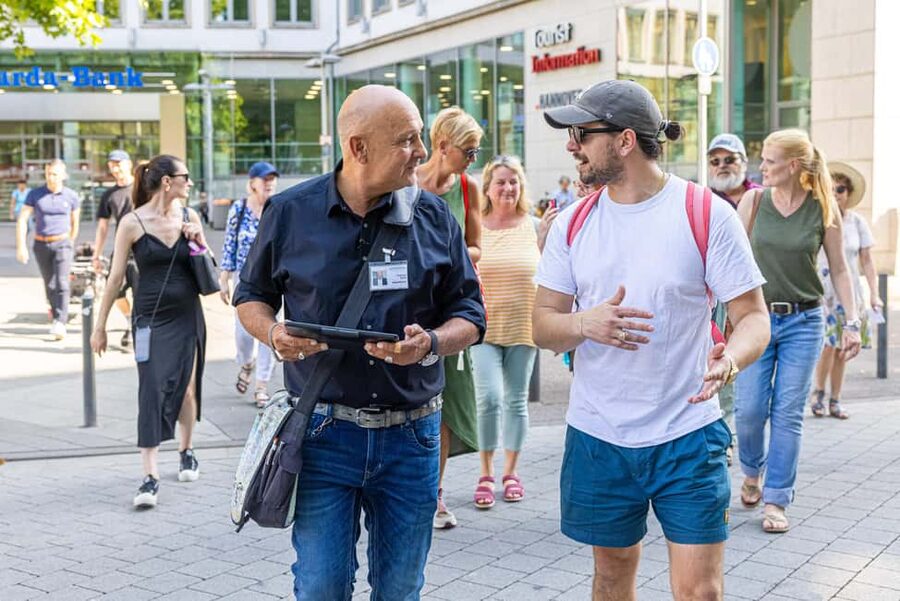
- Guides run the show in German, and in at least one praised run the guide was named Thomas
- The experience is designed to be rain or shine with comfortable-walking expectations
How Hannover turns famous crimes into a walkable story
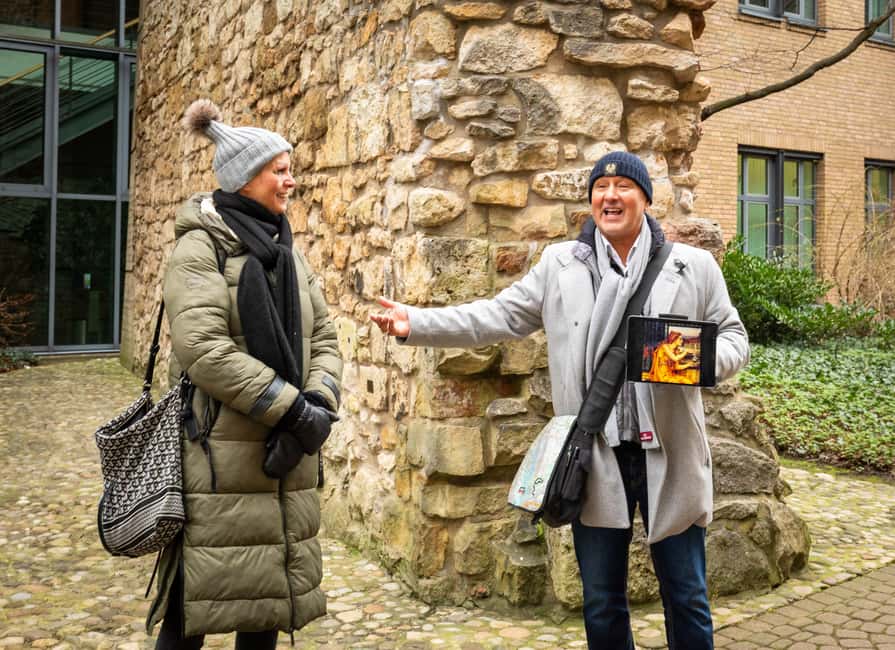
This tour works because it doesn’t treat crime like a TV script. Instead, you move through Hanover’s streets and squares and get an explanation of what happened, why people reacted the way they did, and what the city’s physical layout says about the era.
You’ll cover multiple cases and famous names connected to Hannover, and the guide keeps bringing you back to specific places. That matters because it changes the vibe from scary-to-watch to understandable-in-real-life. You also get city orientation along the way: you’ll pass major landmarks so you leave with both story context and practical bearings.
The duration is short—2 hours—so you’re not stuck for half a day. It’s long enough for the guide to connect the dots, but short enough to stay alert and engaged, even if the weather is cold and wet.
You can also read our reviews of more walking tours in Hanover

Tour 1: Königsmarck to Haarmann and the crime locations you’ll actually see

Tour 1 follows a clear, case-based path through the city center and old town of Hanover. The theme is simple: you hear background on criminal history at the original locations, then you connect that to what you’re seeing around you right then.
What I like here is the way the tour uses questions to pull you in. You’ll hear things like how a case involved a body found in a leash, what details surrounded where Haarmann got into trouble, and where people claimed the Hanebuth camp was located (at least according to legend). Those aren’t just trivia—they’re the kind of prompts that make the story stick.
The cases you’ll discuss on Tour 1
As you walk, the guide covers several named cases and people. Expect discussion of:
- Jeweler Düe and the Mauss case
- Christine Fricke, described through the case of a husband killer
- The Königsmarck Affair
- Jasper Hanebuth, tied to robbery murders
- Fritz Haarmann, labeled as a murderer and police informer
- Christian Friedrich Lorenz, discussed as a family killer
That lineup is the heart of why Tour 1 is so appealing if you like structured storytelling. It’s not random street haunting. You get a set of recognizable case threads, and the guide keeps returning to them as you pass each stop.
Where you go during Tour 1 (and why those stops matter)
Tour 1 takes you past several specific places that help anchor the stories:
Georgsplatz
This is a good entry point into the old-town feel. You’ll typically use early minutes to set context—what Hanover looked like, how the city functioned socially, and how the cases fit into that world. It’s also a spot where you can usually recalibrate mentally before the guide starts layering in the more intense parts of the history.
Leibnizufer
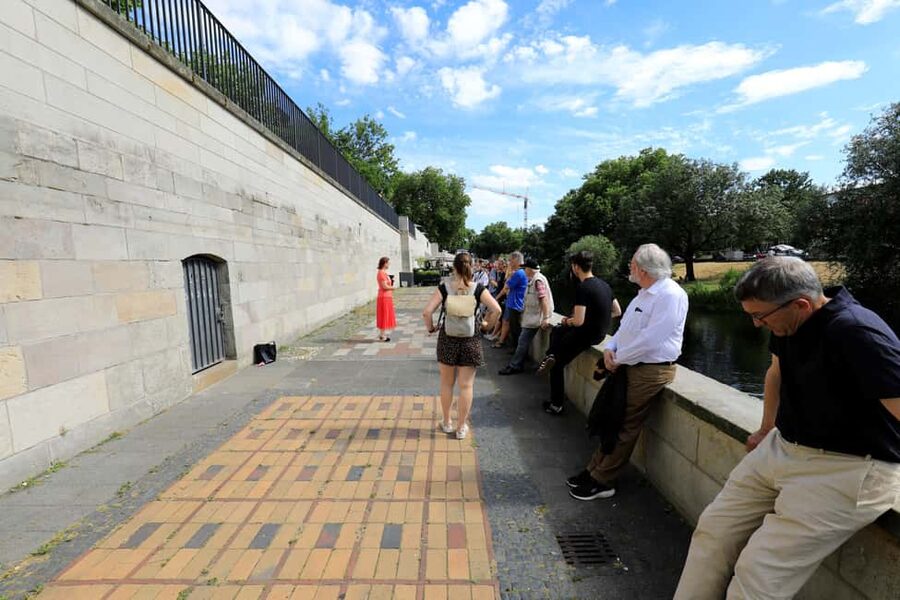
Strolling along the water edge gives the walk a natural rhythm. It also helps you grasp how the city’s geography shaped daily movement. Even when you’re hearing grim details, the setting makes the explanation easier to visualize.
Hanebuth-Gang
This stop is named for one of the key figures from the tour’s legend and case material. When a street or passage carries a name like this, you’re seeing history in a literal form: the city preserves memory in its own signage and layout.
Clevertor Prison
This is where the tone typically shifts toward institutions and enforcement. Even if you already know the names, hearing the discussion in a prison-adjacent context gives you a stronger sense of how policing and justice worked in that period—more systems, less rumor.
Kröpcke
Kröpcke is a major central reference point in Hanover. Ending or threading through here is smart because it helps you rejoin the modern city. You finish with a landmark you can navigate to later, and the contrast between today’s busy square and past events makes the stories feel more grounded.
What to watch for during Tour 1
Because Tour 1 focuses on multiple cases, the guide’s pacing matters. You’ll want to stay present for the early context, since later details connect back to it. Also, this isn’t a silent museum-style route—expect live guide interaction. In one strongly praised run led by Thomas, the storytelling included roles and participation, which is a great sign you’ll be pulled into the narrative instead of just walking behind a lectern.
Tour 2: When Hanover holds its breath and crime changes the city’s memory
Tour 2 has a different feel. Instead of following one case list like a timeline, you look at how criminal events became part of Hanover’s collective memory. The tour language is careful: it aims to discuss incidents without over-dramatizing them, while still paying attention to what’s unusual and memorable.
This tour is a good choice if you like the social side of history—the idea that crime doesn’t vanish when a headline fades. It can shape public attitudes, security conversations, and how people interpret certain places.
The kinds of events you’ll connect
On Tour 2, the guide brings up examples like:
- a fatal attack on a police officer
- security-related incidents at the main train station
- a high-profile robbery
Even with just these categories, you can see the tour’s angle. You’re not only learning about offenders and victims; you’re also learning about how the city responded, adapted, and remembered.
Why the Ihme Center stands out
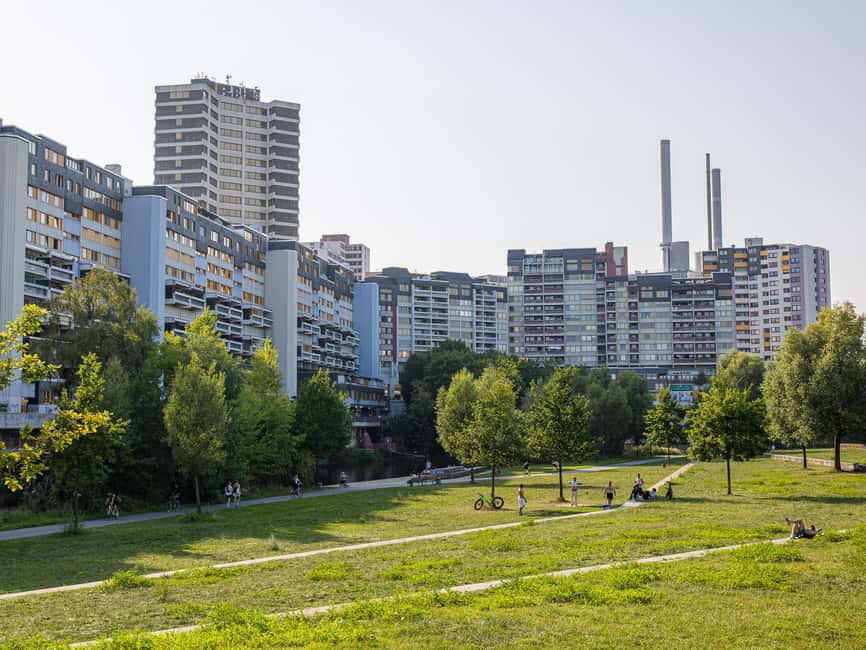
One of the tour’s most intriguing named stops is the Ihme Center. In the 1980s, it was discussed as a possible retreat or temporary storage facility for the Red Army Faction (RAF). That lingering association is part of what keeps the place wrapped in mystery, and you’ll get the context behind why people linked it to those rumors and fears.
Steintorviertel: the city’s rough-and-real side
Tour 2 also includes the Steintorviertel district, described as colorful and fascinating—while still showing Hanover’s rougher edge. That’s a practical storytelling advantage. You experience the neighborhood rather than just hearing about it, and you get a sense of why certain areas can carry different reputations over time.
If you’re the type of traveler who loves understanding a city’s mood—how neighborhoods feel and why they’re remembered—Tour 2 is the smoother fit.
Price and value for a 2-hour guided crime walk
The price is $22 per person for a 2-hour guided walking tour in German. For that cost, you’re getting more than a casual stroll. You’re paying for a guide who connects multiple named cases, explains background, and ties the story to real places you pass.
Here’s how I think about value on a tour like this:
- You’re not paying just for entertainment. You’re paying for interpretation at the locations, where context matters.
- You’re getting multiple anchor points in one session: Hanover squares and sights like Kröpcke, plus case-linked stops.
- The time is efficient. Two hours is enough to feel like you learned something, but not enough to exhaust your attention.
If you’re comparing it to self-guiding crime walks, the big upgrade is the guided explanation—especially when it includes legend questions like the Hanebuth camp or case details like the body found in a leash. Those are the kinds of pieces that are hard to assemble correctly on your own.
The guide experience: what you can realistically expect
This is a live guided tour with a German-speaking guide. The walking style is built for people who can follow along while walking, not for those who need frequent long breaks.
In the reviews you can see a pattern: people praised how engaging the guide was, with humor and details that turned heavy material into something you could actually follow. One guide named Thomas got repeated praise, including for keeping the tour lively and for using participation (roles and involvement).
That doesn’t mean every session will feel identical. But it does tell you the format leans toward storytelling, not dry facts.
Practical details that affect your comfort

A few logistics items directly affect whether the tour feels good in real life:
- Bring comfortable shoes. You’ll be walking through the city center and old town.
- Plan for rain or shine. This is an outdoor walk.
- The tour is wheelchair accessible, which is an important plus if you need that support.
- It’s live and in German, so plan on understanding German for the full effect.
- Not suitable for children under 16, and it’s not suitable for people with claustrophobia.
If the claustrophobia piece is on your radar, take it seriously. Even if you’re not in a closed building for long, crime tours can still bring you into tighter pedestrian situations near certain historic spots.
Who should book (and who might skip)
Book this tour if you:
- want a story-driven way to learn Hanover beyond monuments
- like historical crime that stays connected to places
- want to combine case information with classic stops like Kröpcke
- enjoy a guide who can mix humor with hard topics
Skip it if you:
- need something kid-friendly or light. The tour isn’t aimed at children under 16.
- have claustrophobia and worry about walking in tighter areas.
- only want architecture and art. You’ll get sights, but crime is the main engine.
Also, if you’re choosing between the two versions, pick based on your mood. Tour 1 is for named cases and location-driven storytelling. Tour 2 is for how crime becomes memory and shapes neighborhoods.
Should you book the Hannover Crime Walking Tour?

Yes, I’d book it if you enjoy walking tours that teach you something real and specific, not just where to take photos. At $22 for 2 hours, you get a compact dose of historical crime context tied to recognizable Hanover locations—plus the chance to see central sights like Kröpcke in a new way.
Choose Tour 1 if you want the case list and the “questions you’ll get answered” style. Choose Tour 2 if you prefer a broader city-memory angle, including the Ihme Center RAF connection and the mood of Steintorviertel.
FAQ

FAQ
How long is the Hannover crime walking tour?
It lasts 2 hours.
Where do I meet for the tour?
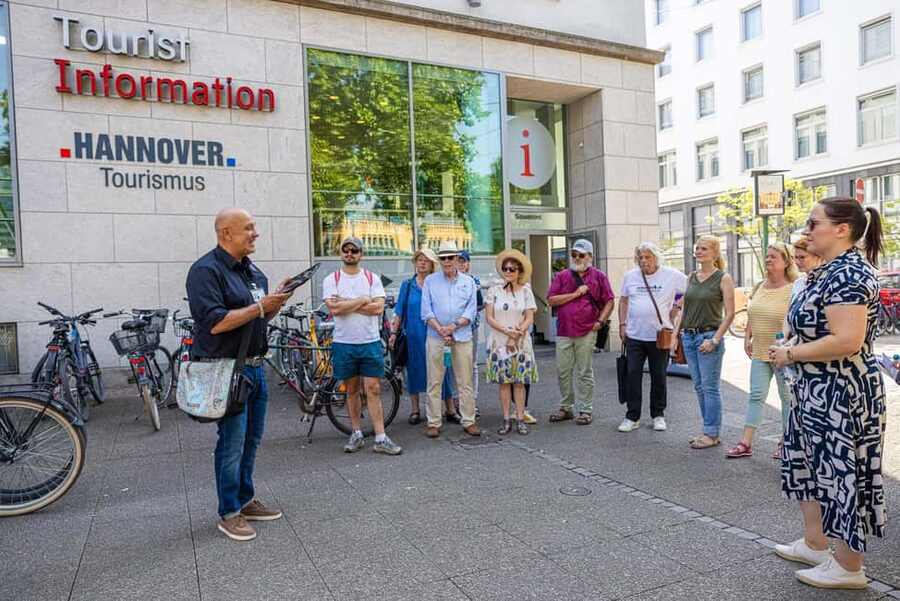
You meet at Hannover Tourism – Info point.
What language is the guide?
The tour guide speaks German.
Does the tour run in bad weather?
Yes. It takes place rain or shine.
Is it wheelchair accessible?
Yes, the tour is listed as wheelchair accessible.
Is it suitable for children?
No. It is not suitable for children under 16.
What should I bring?
Wear comfortable shoes, since it’s a walking tour.
Does the tour cover famous Hanover sights?
Yes. While the focus is crime, the guide also provides information on well-known Hanover sights such as Kröpcke.