REVIEW · HANOVER
Hanover: Crime Walking Tour
Book on GetYourGuide →Operated by Hannover Marketing & Tourismus GmbH · Bookable on GetYourGuide
One street. One story. One shocking turn. This Hanover crime walking tour uses original locations to explain how notorious cases unfolded in the city center.
I especially like the way the guide ties real places to named cases, not just vague folklore. It turns stops you’d normally pass by into points on a crime map, including prisons and central landmarks.
The one drawback: it’s not suitable for kids under 16 and it’s also not a good match if you have claustrophobia.
In This Review
- Key things to know before you go
- A Hanover crime tour that maps notorious cases onto real streets
- Price and time: what $19 buys you in 2 hours
- From Königsmarck to Haarmann: the route and what each stop adds
- Georgsplatz: where the tour starts feeling like a city-level case file
- Leibnizufer: stepping into the parts of town you’d recognize
- Hanebuth-Gang: a name that already sounds like a clue
- Clevertor Prison: when the city sight is also part of the crime story
- Kröpcke: closing with a central landmark instead of leaving you on the edge
- The case files you’ll hear: Haarmann, Hanebuth, and more named incidents
- Jeweler Düe and the Mauss case
- Christine Fricke: husband killer
- The Koenigsmarck Affair
- Jasper Hanebuth: robbery murders
- Fritz Haarmann: murderer and police informer
- Christian Friedrich Lorenz: family killer
- 07/03/1989 IRA claim of responsibility for an attack on British targets
- Why this tour works: original locations plus sightseeing that actually stays relevant
- Practical fit: who should book, and who should skip
- Small details that make or break the experience
- Should you book the Hanover Crime Walking Tour?
- FAQ
- How long is the Hanover: Crime Walking Tour?
- Where does the tour start?
- Where does the tour end?
- What language is the tour guide?
- Is the tour wheelchair accessible?
- Does the tour run in bad weather?
- What should I bring?
- Is it suitable for children?
- Is it suitable for people with claustrophobia?
Key things to know before you go
- Original locations in Hanover’s city center and old town connect the cases to what you can actually see.
- Two hours is long enough for a solid story arc, short enough to keep it enjoyable on your trip.
- German-only live guide means you’ll get the most if you’re comfortable in German.
- You’ll pass major landmarks like Georgsplatz, Leibnizufer, Clevertor Prison, and Kröpcke.
- Multiple infamous cases are covered, from Fritz Haarmann to the 07/03/1989 IRA claim.
- Comfortable shoes matter because it’s a walking tour and it runs rain or shine.
A Hanover crime tour that maps notorious cases onto real streets

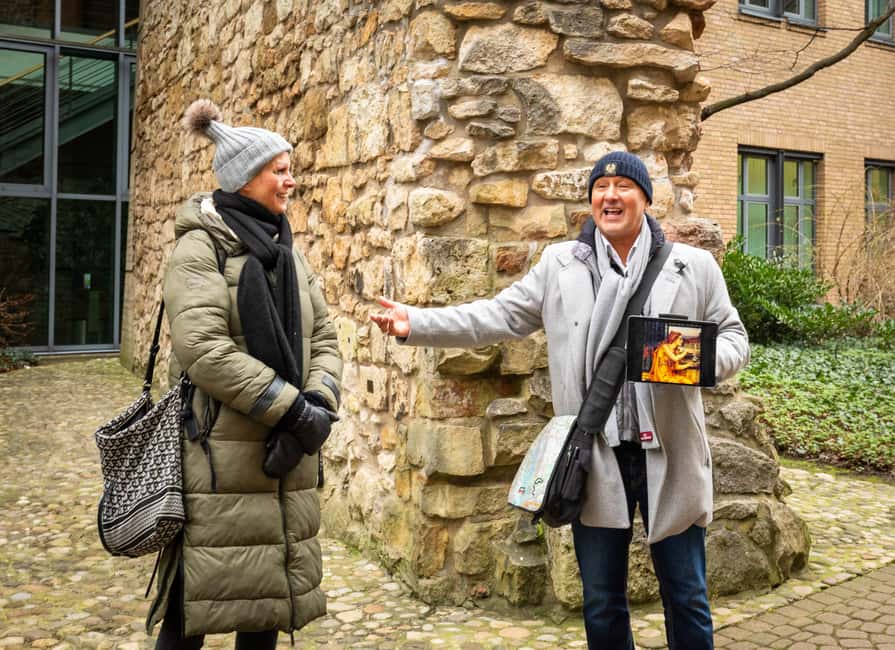
If you like history that feels specific, this tour has the right vibe. Instead of a lecture in a room, you’re on foot through Hanover, with the guide pointing at where events happened and then explaining the case behind each stop.
What makes it fun is that the tour doesn’t treat crime as a single topic. It treats it like a chain of people, motives, and moments. You hear about murderers, fraud cases, prisons, and famous incidents, then you get the city sightseeing at the same time. You’re basically doing two things in one: a walking tour of key sights and a guided tour through criminal case stories.
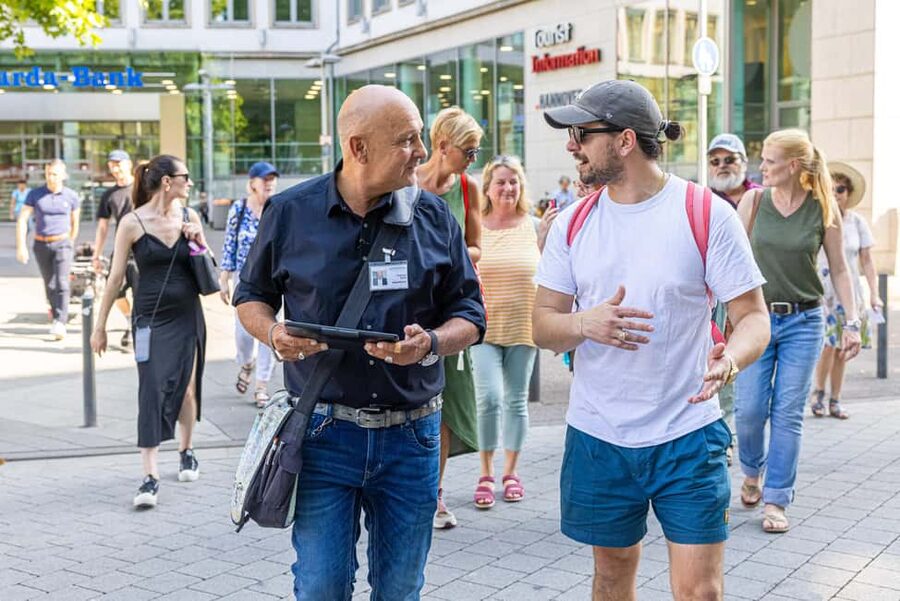
I also appreciate the practical structure. The tour moves through the old town and city center, so you’re not zigzagging across far-flung neighborhoods just to hear one small story. The pacing works for a 2-hour experience that’s meant to be active, not exhausting.
You can also read our reviews of more walking tours in Hanover

Price and time: what $19 buys you in 2 hours
At $19 per person for a 2-hour guided walk, you’re paying for a focused, story-led tour instead of paying for a museum ticket plus extra transport. The big value is that the guide handles the narrative and the local context, so you don’t have to assemble the pieces yourself.
This also matters because the content is case-based. You’ll hear about multiple well-known criminal cases, and the tour is designed to keep those stories tied to what you’re seeing outside. That’s a better use of time than reading about cases after the fact, since the locations act like cues that help you remember what you learned.
One more reason the price makes sense: it’s rain or shine and includes the guided portion only. There’s no added “must-buy” layer described here, which keeps the experience straightforward. You can walk in, get the explanation from a live German guide, and walk out with a new way to see the city.
From Königsmarck to Haarmann: the route and what each stop adds

The walk runs through Hanover’s city center and old town, and you’ll pass several named spots. The way they’re used is the key: each location helps the guide tell a specific part of the crime story.
Georgsplatz: where the tour starts feeling like a city-level case file
Georgsplatz is a strong opening point because it’s the kind of place where you can quickly orient yourself before the stories get darker. This is where the tour establishes the theme: historical crimes connected to actual Hanover locations.
If you’re trying to decide whether this kind of tour is for you, your first minutes here usually make the difference. You’ll get the sense that the guide is building a thread from place to place, not just listing names.
Leibnizufer: stepping into the parts of town you’d recognize
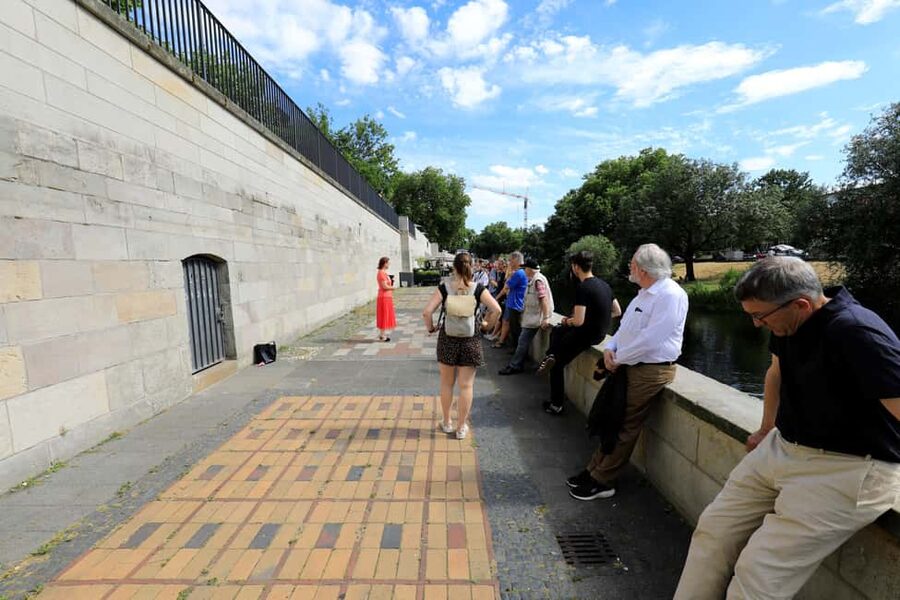
From Georgsplatz, you move toward Leibnizufer. This stop works well because water-adjacent areas and central streets give you a natural rhythm for listening and walking. You’re still in the real city, but the guide shifts your attention to how the criminal cases intersect with ordinary public space.
This is also where you’ll likely start noticing how the tour adds context to what you see. Even if you’ve been to Hannover before, it can change how you interpret a familiar area.
Hanebuth-Gang: a name that already sounds like a clue
One of the thematic anchors is Hanebuth-Gang. The tour uses this kind of named location to make the stories feel local and grounded. Instead of hearing about a suspect as a distant name, you hear about the case in a place that carries the label.
You’ll also explore the idea of legends alongside the case history. The tour explicitly raises questions like where the Hanebuth camp is said to be, including the hint that legend plays a role in how people retell these stories. That mix can be unsettling, but it also keeps the storytelling from becoming flat.
Clevertor Prison: when the city sight is also part of the crime story
Clevertor Prison is one of the most important stops on the walk because it’s a direct link to the justice system side of the stories. The tour doesn’t only focus on criminals and incidents; prisons show you how the city dealt with crime and how punishment and detention fit into the overall picture.
This is also where the mood of the tour can feel more intense. If you prefer crime stories that stay broad and less graphic, you’ll still likely learn a lot here, but be ready for a more serious tone because the subject is literal confinement.
Kröpcke: closing with a central landmark instead of leaving you on the edge
Kröpcke is a great finish point because it’s central and easy to understand in terms of city life. After hearing about murders, fraud, and major incidents, you come back to a very public Hanover space.
That contrast is part of what makes the ending satisfying. You’re reminded that these cases happened in the same streets where people still meet, shop, and move through daily life. It’s a subtle way the tour teaches you to see history without turning Hanover into a dark theme park.
The case files you’ll hear: Haarmann, Hanebuth, and more named incidents
The tour covers multiple named criminal cases, each framed around what the guide explains at the original locations. Here’s what you can expect to be part of the story.
Jeweler Düe and the Mauss case
You’ll hear about the Jeweler Düe and the Mauss case. The tour places these alongside other notorious cases, so you get variety: not only violence, but also fraud-related crime and how different types of criminal cases were understood in their time.
Christine Fricke: husband killer
Christine Fricke’s case is included with a clear theme: the husband killer. Expect the guide to connect the story to what makes the case memorable and how the city’s places relate to the narrative.
The Koenigsmarck Affair
The Koenigsmarck Affair is another named story on the walk. This is one of the cases that helps the tour stay more than a straight line of sensational headlines. You’ll hear how the affair fits into Hanover’s wider story of crime and public attention.
Jasper Hanebuth: robbery murders
Jasper Hanebuth’s case is presented as robbery murders. Because the tour includes a place name like Hanebuth-Gang, you’ll likely spend time connecting the case to the Hanover streets linked to the story.
Fritz Haarmann: murderer and police informer
Fritz Haarmann is the kind of name that draws people in. This tour includes him explicitly and describes him as a murderer and police informer. That combination alone signals you’ll hear about contradictions and how people’s roles can blur in crime stories.
You may also hear the tour’s style of storytelling in questions like where Haarmann got up to mischief. It keeps the narrative active, like you’re being guided through clues as you walk.
Christian Friedrich Lorenz: family killer
Christian Friedrich Lorenz’s story is included as a family killer. This adds a different angle to the tour’s crime spectrum, reminding you the cases aren’t all the same type of harm or motive.
07/03/1989 IRA claim of responsibility for an attack on British targets
In addition to older historical cases, the tour also includes a more modern incident: 07/03/1989, when the IRA claimed responsibility for an attack on British targets. This gives the tour a timeline effect. You start to see how the city’s stories of crime aren’t only about centuries ago.
Why this tour works: original locations plus sightseeing that actually stays relevant

A lot of walking tours can feel like two separate activities glued together: here’s a sight, here’s a story, and they barely connect. This one tries to connect them continuously.
The guide builds explanations around what you’re seeing. For example, prison-themed stops help you understand the criminal justice angle, while central landmarks like Kröpcke anchor the stories in everyday Hanover life. Even if you’re mostly there for the crime angle, you’ll still get value from the sight explanations.
There’s also a strong educational tone. The experience is described as offering exciting background information from criminal history, which matters because it keeps the tour from being only shock value. You’re learning how crime stories were shaped, remembered, and tied to places.
And based on what people value, the guide seems to manage group energy well. One of the most-liked points is that group size feels comfortable and you’re actively included. That inclusion matters on a tour like this. If you only hear names and dates without any chance to engage, it can start to feel like noise. Here, you’re more likely to keep up and actually absorb what you’re hearing.
Practical fit: who should book, and who should skip

This is a crime tour, so you should choose it based on your comfort with dark subject matter and your desire for storytelling tied to specific locations.
You’ll likely enjoy it if:
- you like historic crime stories that are tied to real places
- you enjoy walking and want a 2-hour plan that covers multiple topics
- you want Hanover sightseeing without doing a standard highlights-only route
You should skip it if:
- you’re traveling with kids under 16, since it’s not suitable for them
- you have claustrophobia, since it’s explicitly not suitable
- you don’t speak German, because the live guide is German and there’s no other language listed
If you’re unsure, consider your tolerance for crime details and your willingness to stay focused while walking through old town streets. Comfortable shoes help a lot, but your mindset matters more than your footwear.
Small details that make or break the experience
A few “how it feels” notes are worth taking seriously before you go:
- It runs rain or shine. Pack accordingly. A light rain layer and grippy shoes can turn an uncomfortable day into a great one.
- It’s a walking tour, so you’ll want comfortable shoes more than anything else.
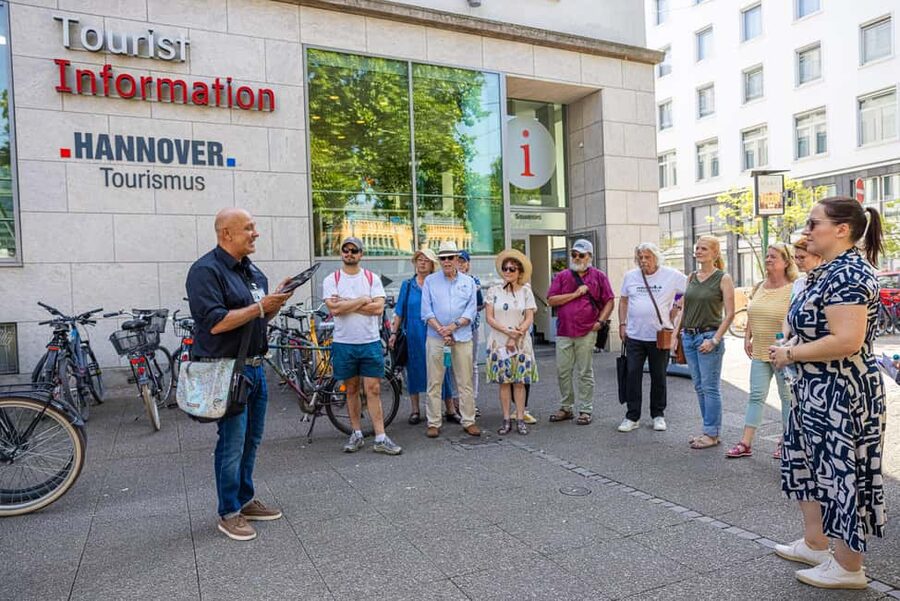
- The tour ends back at the meeting point, Hannover Tourism – Info point. That makes it easier to plan what you do next, since you’re not dropped far away.
Also, keep the duration in mind. Two hours can fly by if the guide keeps the pace. It can also feel long if you’re mentally drained. This one is designed to balance story and movement, so you’re not stuck standing in one spot for too long.
Should you book the Hanover Crime Walking Tour?

If you want a Hanover experience that’s different from the usual architecture-and-markets route, this is a smart pick. The price is reasonable for a live guided walk, and the format is built around named crimes and original locations, not vague storytelling. You’ll see central Hanover stops like Georgsplatz and Kröpcke, and you’ll learn connected case stories that make the city feel like a timeline you can walk through.
My main caution is comfort and fit: it’s German-only, it’s not suitable for under 16, and it’s not for people with claustrophobia. If those boxes work for you, I’d book it. If not, it may be better to choose a standard city tour where the tone matches your needs more closely.
FAQ
How long is the Hanover: Crime Walking Tour?
The tour lasts 2 hours.
Where does the tour start?
It starts at Hannover Tourism – Info point.
Where does the tour end?
The tour ends back at the meeting point.
What language is the tour guide?
The live tour guide speaks German.
Is the tour wheelchair accessible?
Yes, the tour is wheelchair accessible.
Does the tour run in bad weather?
Yes. It takes place rain or shine.
What should I bring?
Bring comfortable shoes.
Is it suitable for children?
No. It is not suitable for children under 16.
Is it suitable for people with claustrophobia?
No. It is not suitable for people with claustrophobia.