REVIEW · DENVER
Gaslights, Graves, & Gold: Terrors of Denver Ghost Tour
Book on Viator →Operated by Denver Terrors By US Ghost Adventures · Bookable on Viator
Denver’s old streets have their own haunted script. This is a small-group Denver ghost tour that leans hard into Capitol Hill atmosphere, with stops built around real landmarks and the spooky tales tied to them, including the Colorado State Capitol and 1920s-era hotel history.
I love two things most: the tour uses documented accounts of hauntings and paranormal activity, and the pace stays personal because it’s capped at 15 (with a stated maximum of 35). I also like that you’re not just hearing random campfire stories—you walk past recognizable pieces of the neighborhood, and the guide connects them to what makes Denver tick.
One possible drawback: the experience can feel more like history-with-chills than a full-on fright show. If you want nonstop scares or the kind of paranormal proof that convinces skeptics, the 1-hour format may leave you wanting more intensity.
In This Review
- Key highlights that make this tour worth your time
- Denver ghost tour energy: why Capitol Hill works so well
- Price and time: what you’re really paying for
- Meeting at 200 E Colfax Ave: logistics that affect your comfort
- Stop 1: the 1894 Colorado State Capitol and the ghost stories in its halls
- Stops 2 and 3: 1920s luxury hotel history, scandal, and strange encounters
- Stop 4: an early-1900s speakeasy where death stories took center stage
- Stop 5: an English art-gallery inspired apartment house and the idea of lingering souls
- Stop 6: the Father’s Day Massacre site and Denver’s modern skyline memories
- Guides make or break the spooky factor: Jessica, Jacob, Kevin, Lauren, Walt
- How scary is it: the sweet spot between history and chills
- Who should book this Denver Terrors ghost tour
- Should you book? My honest take for first-time Denver visitors
- FAQ
- What is the duration of the Gaslights, Graves, & Gold: Terrors of Denver Ghost Tour?
- How much does the Denver ghost tour cost?
- Where does the tour start and where does it end?
- How big is the group?
- What’s included in the tour price?
- Is there free cancellation?
Key highlights that make this tour worth your time
- Capitol Hill, on foot: you see a classic Denver stretch instead of riding around in a van.
- Colorado’s 1894 State Capitol: learn why people talk about basements and hallways.
- 1920s luxury hotel tales: scandal, mystery, and strange encounters linked to tenants.
- Speakeasy history from the early 1900s: stories tied to illegal activity and death.
- Iconic skyline stop tied to the Father’s Day Massacre: Denver’s darker past meets modern city views.
- Guides bring the tone: names you may meet include Jessica, Jacob, Kevin, Lauren, and Walt, with styles ranging from playful to serious.
Denver ghost tour energy: why Capitol Hill works so well
Capitol Hill is one of the easiest parts of Denver to understand at night. The streets feel old in a way that doesn’t need special effects. You’re walking among structures with visible age—brick, stone, and the kind of grand facades that make stories feel believable even if you don’t fully buy the paranormal angle.
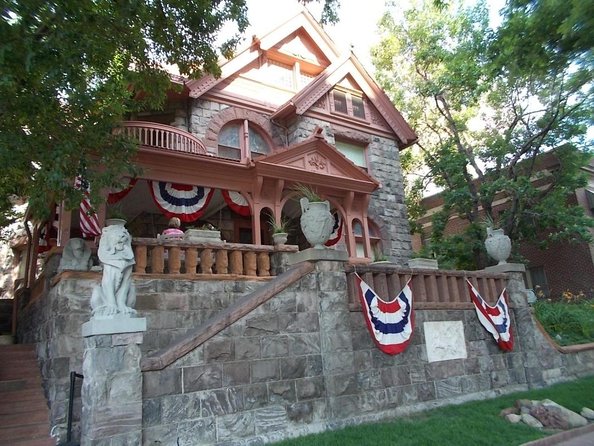
That setting matters because this tour’s payoff is a mix: you get real landmarks plus ghost myths wrapped around them. The highlight list also points to famous local stops like the Molly Brown House, and the tour is clearly built to give you that classic Denver sightseeing layer while you’re also hunting for creepy details.
If you like your haunted entertainment with a side of local context, this is an easy fit. It’s also a good choice if you’re traveling with people who might not want a full horror-movie vibe but do want to see the city at night and hear the legends.
You can also read our reviews of more tours and experiences in Denver.


Price and time: what you’re really paying for
At $32 per person for about 1 hour, you’re buying a focused walking tour, not a long evening program. That short length is part of the value: you get multiple stops tied to different eras—late 1800s/early 1900s, the 1920s hotel boom, speakeasy years, and the more modern 1990s incident—without turning your night into a marathon.
You’re also paying for guide labor and research. The tour includes professional, courteous guides and “intensely researched” true stories of history, plus documented accounts of hauntings and paranormal activity. In plain terms: you’re not just getting vibes. You’re getting a person whose job is to connect the dots between Denver buildings and the stories people repeat.
One practical thought: at this price, you should go in expecting a well-run, story-driven walk. If you’re hoping for a theatrical production or a long stretch of spooky “equipment-based” ghost hunting, you might find the format too light. The best way to enjoy it is to treat it like guided legend-hunting, not a paranormal lab session.
Meeting at 200 E Colfax Ave: logistics that affect your comfort
The tour starts at 200 E Colfax Ave and ends back near the meeting point, so you don’t have to plan a second transport puzzle at the end of the night. It’s described as near public transportation, and you get a mobile ticket, which makes check-in simpler than printing paper in a hotel room.
There is also a comfort factor: the tour lists moderate physical fitness. In real-world terms, that means wear shoes you can walk in for an hour, and don’t count on the tour being stroller-friendly or fully flat. Several stops are outdoor, and the Denver evening can get chilly, especially in shoulder seasons.
If you get motion-sensitive or dislike crowds, aim to come ready for a walking group. This tour is capped at a small size (15) even though the maximum is stated as 35, but it still has enough people to keep it social.
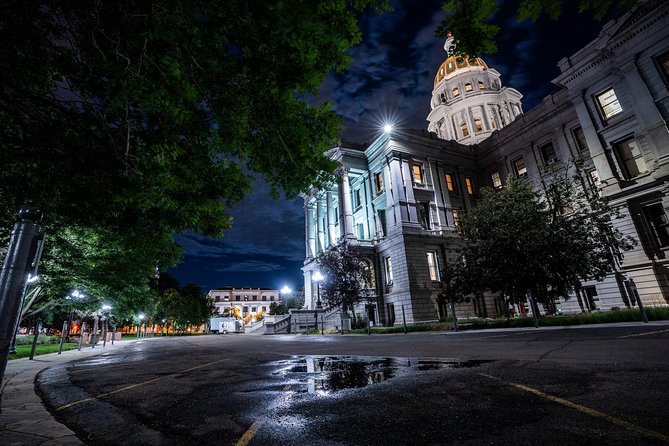
Stop 1: the 1894 Colorado State Capitol and the ghost stories in its halls
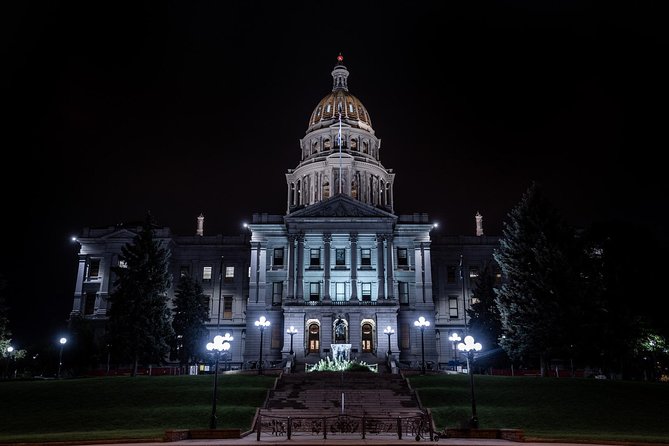
The first major anchor is the Colorado State Capitol, built in 1894. You’ll hear how the building’s design and past use feed the ghost myths—especially around the idea that spirits linger in basements and hallways.
What I like about starting here is that it sets the tour’s tone right away. The State Capitol isn’t just a pretty landmark; it’s a symbol of authority. That contrast—public power on the surface, darkness and rumor below—helps the stories land.
What to expect at this stop:
- You’ll focus on history tied to the building, not just general creepiness.
- The guide’s job is to make you look at details—entryways, corridors, and the kind of institutional spaces where legends grow.
- The mood stays “spooky and informed,” not “jump-scare chaotic.”
A small consideration: if you don’t enjoy government-building architecture or you want the tour to start with the most intense paranormal claims first, you may need a minute to warm up. But for most people, this is a strong opening because it frames the whole neighborhood as a storybook.
Stops 2 and 3: 1920s luxury hotel history, scandal, and strange encounters
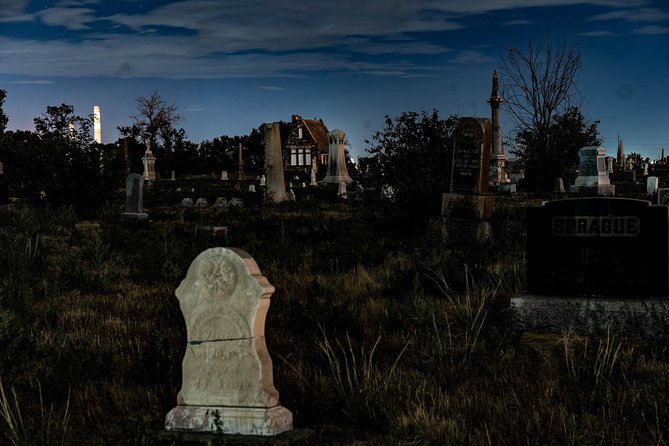
Two itinerary entries focus on a historic luxury hotel opened in the 1920s. In both, the emphasis is on scandal, mystery, and the idea that tenants experienced strange encounters.
Even if the listing has the same description repeated, the underlying point for you is clear: the tour spends time with the kind of Denver structures where secrets feel believable. The 1920s vibe matters because it’s an era people associate with glamour and undercurrents. In a ghost story, that combination often turns a building into a character.
What you’ll likely get here:
- Stories connected to the building’s past reputation.
- A sense of “you can feel the history” when you look at the way these hotels were built.
- A shift from the formal grandeur of a capitol to the more private, human world of hotel life.
Potential drawback to keep in mind: a few people felt the ghost element wasn’t convincing or felt lighter than other ghost tours. So if you’re the type who needs strong paranormal evidence to stay engaged, this hotel section might feel more myth-and-history than proof.


Stop 4: an early-1900s speakeasy where death stories took center stage
Next up is a site that operated as a speakeasy in the early 1900s. The tour frames it around illegal and unsavory activities, and it brings in tales of death that people link to the location.
This stop tends to work well because speakeasies are already story-friendly. Alcohol, secrecy, and danger are easy raw ingredients for legend. When your guide ties that to specific historical context, the ghost stories feel less random and more like “what could have happened here.”
What to pay attention to while you’re walking:
- How the guide connects the illegal nightlife era to the physical spaces around you.
- The way the story tone changes—often darker, more dramatic, and less polite than the capitol opening.
If you’re traveling with kids, speakeasy stories might land in the “creepy but educational” zone. If you’re traveling with adults who want a calmer night, this is the part where you might mentally dial expectations toward heavier themes.
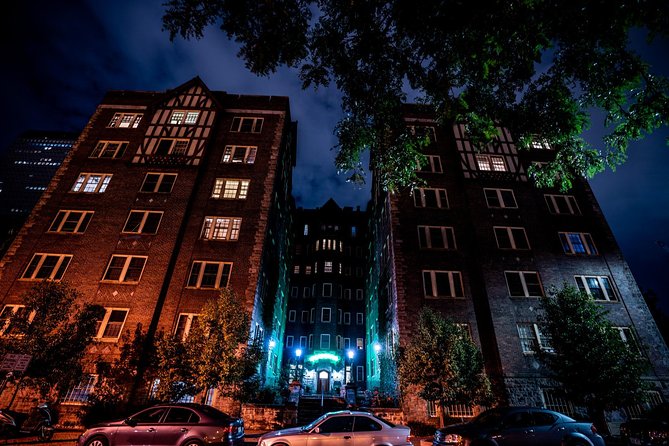
Stop 5: an English art-gallery inspired apartment house and the idea of lingering souls
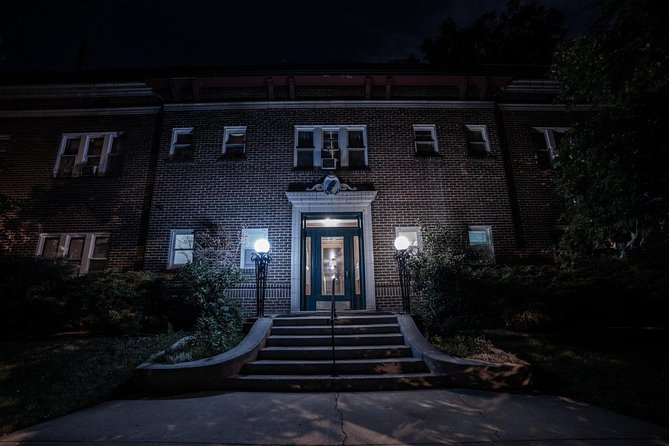
Another stop focuses on an apartment house designed after an English art gallery. The tour describes it as fashionable and highlights claims of ghostly activity, with some believing the spirits are the remaining souls of past residents.
I like this stop because it shifts the ghost lens from big institutions and public buildings to home life. Hotels and speakeasies are about events. Apartments are about everyday routines. Ghost stories about apartment buildings often feel more personal, as if the building itself remembers who lived there.
What to expect:
- Architectural references that help you imagine the setting.
- A ghost narrative that leans into the feeling of “someone stayed behind.”
If you enjoy urban legends that are tied to ordinary places, this is one of the more satisfying stops. If you want the tour to focus on the most infamous massacre-linked paranormal claims, you might feel this is the calmer, more atmospheric section—but it’s still part of the overall creepy pattern.
Stop 6: the Father’s Day Massacre site and Denver’s modern skyline memories
The tour ends with one of Denver’s most iconic skyline buildings, tied to the Father’s Day Massacre in the 1990s. Many people claim paranormal activity as a way to explain odd encounters visitors report.
This is the stop that often gives the tour its punch. The prior locations can feel like stories from a textbook. This one brings it closer to modern memory. When you mix recent tragedy with older legend-making, the result is unsettling in a different way.
What to do at this point:
- Slow your walking pace enough to actually look at the building.
- Listen for how the guide frames the massacre event and then transitions into the paranormal claims.
A caution for expectation-setting: if you’re strictly chasing the most terrifying claims, the tour’s overall tone still won’t turn into a horror movie. It’s a walk-and-tell experience. The real effect comes from the stories layered onto the city you can see.
Guides make or break the spooky factor: Jessica, Jacob, Kevin, Lauren, Walt
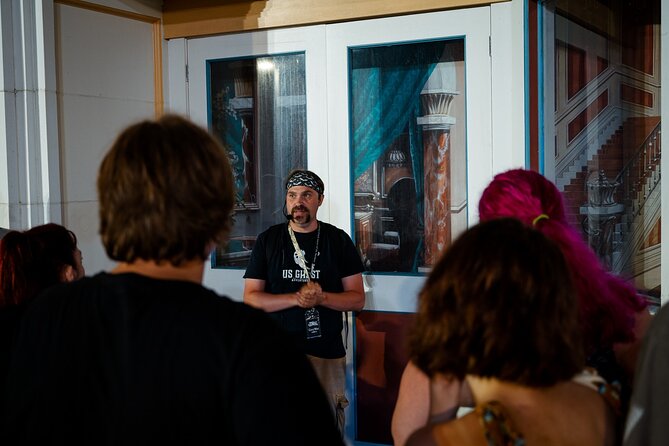
One of the strongest parts of this tour is the human element. People repeatedly mention specific guides and how their storytelling style changes the experience.
Here are a few examples of guide strengths that show up in the feedback pattern:
- Jessica is described as energetic and engaging, mixing history with spooky details and humor.
- Jacob is praised for combining area history with haunting stories and staying fun while keeping the group interested. Some accounts also mention he brought in photos from sightings.
- Kevin gets credit for sharing tons of information and showing previous photos related to haunting sightings.
- Lauren is noted for great stories and facts at a steady hour-long pace.
- Walt is mentioned for wonderful stories and local history, with an extra effort that made the tour feel better than expected.
The balanced truth: you can also run into delivery issues on any walking tour. A couple of unhappy reports mention guides being unprepared, referencing a phone for notes, or even a missed show at the start. Those aren’t the norm based on the overall rating, but they are real enough that you should treat the tour like an event: show up a few minutes early, and if anything feels off, contact the provider right away.
How scary is it: the sweet spot between history and chills
This is not sold as a lab-grade investigation. It’s built for people who want the fun of ghost stories plus the grounding of documented accounts of hauntings and paranormal activity.
So here’s the practical expectation:
- You’ll get creepy details, eerie atmosphere, and myths tied to real Denver spaces.
- You won’t necessarily get a consistent level of convincing paranormal proof.
- For some, the experience hits just right: spooky but entertaining, with humor and good pacing.
- For others, it can feel less exciting or rushed because the whole evening is about an hour.
If you like “spooky images,” you may enjoy the parts where guides share photos tied to sightings. If you’re the type who wants intense fear or strong paranormal confirmation, you may end up rating it as “interesting but not scary enough.”
That doesn’t make it bad. It just means you’re shopping for a different style of ghost tour.
Who should book this Denver Terrors ghost tour
This tour is a great match if you:
- Want a walkable Denver ghost tour through recognizable Capitol Hill landmarks.
- Enjoy history that you can see in buildings, not just hear in a lecture hall.
- Like guides who keep the tone light enough for families or mixed-age groups.
It’s also a solid option if you’re a Denver newcomer or even a local who wants to see the city in a different way. Multiple guides are praised for connecting neighborhood history to haunting stories, including household names like the Molly Brown House on the highlights side.
You might skip it if you:
- Want an all-out fright show or a long, heavy paranormal investigation.
- Get bored by history-first storytelling.
- Have very specific needs around mobility or accessibility that aren’t addressed in the tour info. The only fitness guidance given is moderate physical fitness, and one negative account claimed the experience did not match expectations for accessibility.
Should you book? My honest take for first-time Denver visitors
If you’re planning your Denver trip and you want one night activity that’s close to the action, this is an easy yes. For $32 you get a guided walking route around major landmarks on Capitol Hill, plus ghost myths tied to real buildings like the 1894 State Capitol and the skyline stop connected to the Father’s Day Massacre.
Book it if you’re excited by the idea of learning stories you can’t un-hear once you see the places. Bring good walking shoes. Wear layers for the evening. And if your definition of a great ghost tour is proof-heavy or scare-constant, adjust your expectations before you go.
If you want a fun, spooky stroll with real Denver context, Denver Terrors is worth a slot in your itinerary.
FAQ
What is the duration of the Gaslights, Graves, & Gold: Terrors of Denver Ghost Tour?
The tour runs for about 1 hour.
How much does the Denver ghost tour cost?
It costs $32.00 per person.
Where does the tour start and where does it end?
The tour starts at 200 E Colfax Ave, Denver, CO 80203, USA and ends back at the meeting point.
How big is the group?
It is described as a small-group tour capped at 15 people, with a stated maximum of 35 travelers.
What’s included in the tour price?
Included are professional and courteous guides, intensely researched true stories of history, and documented accounts of hauntings and paranormal activity.
Is there free cancellation?
Yes. You can cancel for a full refund up to 24 hours before the experience starts, and cancellations within 24 hours are not refunded.