REVIEW · FRANKFURT
Frankfurt on Foot Daily Walking Tour in English
Book on GetYourGuide →Operated by Frankfurt on Foot · Bookable on GetYourGuide
Frankfurt can feel like a big city at first. This walk turns it into a clear story, with easy pacing and major sights in one loop, from the Römerberg to Jewish memorials. One thing to consider: you’ll cover real ground on mostly outdoor streets, so comfortable shoes matter.
I like how the tour balances postcard views with the hard parts of 20th century history. You’ll see the Book Burning Memorial and the Stolper Steine (Stumble Stones) alongside standout architecture like the Kaiserdom. The day also comes with restroom and a snack break, which helps when you’re moving for about three hours.
Because it runs 365 days a year and stays in English, it’s an easy first booking for a Frankfurt visit. It’s also wheelchair accessible, and strollers are welcome, so the format works for more people than you might expect. If you want maximum museum time or lots of indoor stops, this is still mainly a walk and photo breaks kind of experience.
In This Review
- Key highlights you’ll actually feel
- Römerberg Start: Where the Tour Begins and How It Sets the Tone
- 3 Hours on Foot: The Walking Pace and What Easy Really Means
- Römerplatz and the Römer: Frankfurt’s Old Town Center in Plain Sight
- Rebuilt Altstadt: How Frankfurt Rebuilt Its Identity
- Book Burning Memorial and the Stolper Steine: Memory You Can Walk Past
- Alt Nikolai and the Kaiserdom: Church Exteriors That Still Tell the Story
- House Wertheim and Eisener Steg: The Best Contrast Stops
- Karmeliter Cloister’s Jörge Ratgeb Paintings: When You Can See Them
- Jewish Holocaust Memorial Wall, Anne Frank Details, and Why This Stop Matters
- Medieval Jewish Cemetery and the Ghetto Wall: Reading the City’s Defensive Past
- Klein Markt Halle Produce Hall: The Food Stop That Feels Local
- Price and Logistics: Is $35 Worth It for a 3-Hour Walk?
- Who This Tour Suits Best (and Who Might Want Something Else)
- Should You Book Frankfurt on Foot?
- FAQ
- How long is the Frankfurt on Foot Daily Walking Tour in English?
- Where is the meeting point?
- Is the tour available every day?
- What language is the tour in?
- Does the price include entry fees?
- Are there restroom and snack breaks?
- What should I bring?
- Are children allowed?
- Is the tour wheelchair accessible?
Key highlights you’ll actually feel
- Römerberg orientation fast: start right by the historic city core and get a useful map in your head
- Hard-history stops, handled thoughtfully: the Book Burning Memorial, Stolper Steine, and Holocaust Wall are central, not tacked on
- Iconic church exteriors: Alt Nikolai and the Kaiserdom are worth seeing even when you cannot go inside
- River views with an easy payoff: Eisener Steg gives skyline angles and museum-lined banks in one shot
- Jewish Frankfurt sites in one flow: ghetto wall, medieval cemetery (outside), and the memorial wall with Anne, Margot, and Edith Frank
Römerberg Start: Where the Tour Begins and How It Sets the Tone
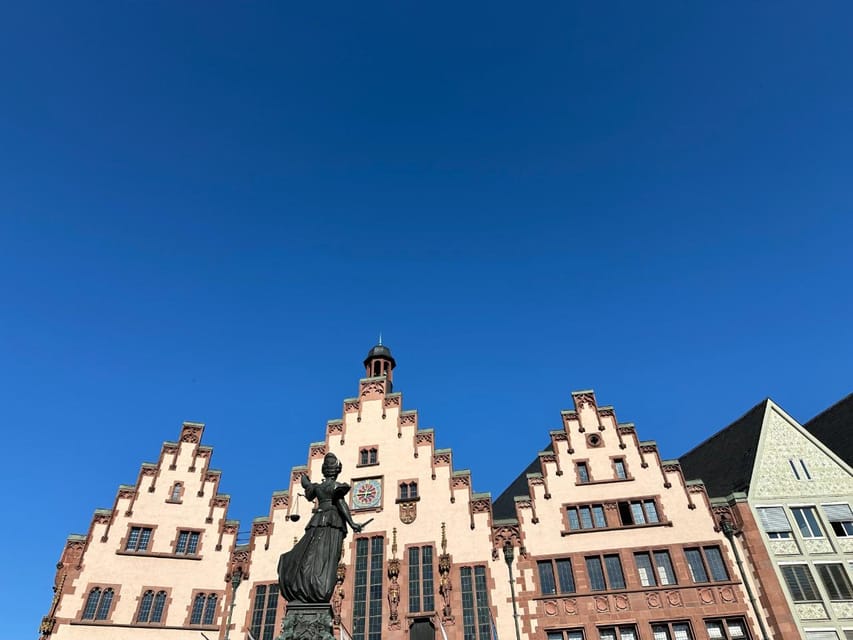
The tour meeting point is on the Römerberg, directly across from the Tourist Info and in front of the Binding Schirn Pub, on the street. Your guide will be holding a sign that says Frankfurt on Foot Walking Tours.
That location matters. Römerberg is the natural “hub” of the old town, so you start with landmarks that help everything else click into place. In a short 3-hour visit, that first connection is half the battle.
You can also read our reviews of more walking tours in Frankfurt

3 Hours on Foot: The Walking Pace and What Easy Really Means
This is described as an easy, 3-hour walking tour with no transportation used. You should still plan for a solid walk across historic streets, and the tour notes suggest children 12 and under should be fine with about 7 km of walking.
What makes it feel easy is the structure. You get WC breaks and a snack break built into the day, so you’re not just power-walking for three hours straight. Also, the route is designed around central stops, which keeps transfers simple.
Bring comfortable shoes. Cobblestones and slick patches can happen around old town, and a little footing caution goes a long way.
Römerplatz and the Römer: Frankfurt’s Old Town Center in Plain Sight
One of the first anchors is the Römer and Römerplatz. The Römerplatz is the old town square, and the Römer itself has served as city hall since 1405.
This is more than a pretty facade. When you understand why this space mattered—civic life, power, announcements—it becomes easier to read the rest of the city. You’ll also get some of the best “first day in Frankfurt” photo moments right here.
Rebuilt Altstadt: How Frankfurt Rebuilt Its Identity
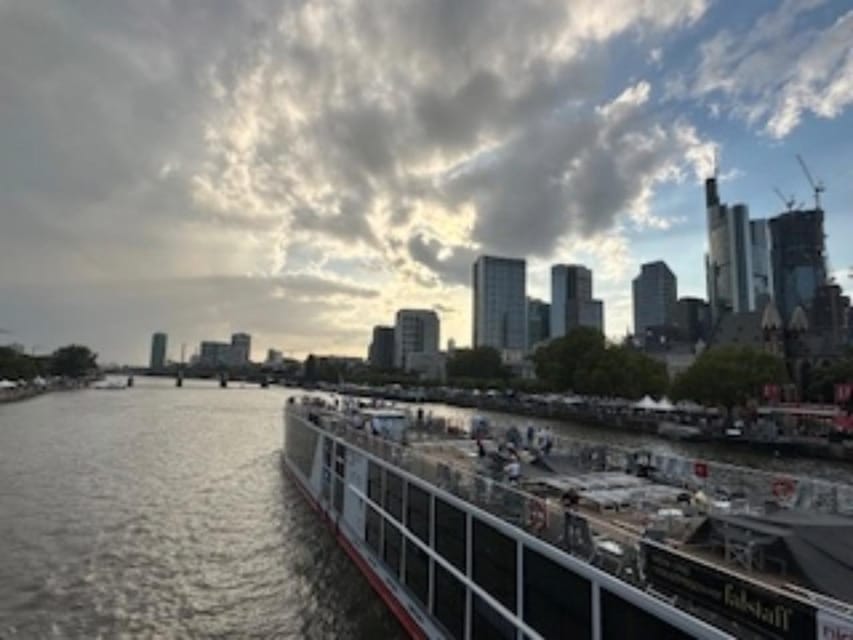
Next comes the New Altstadt and the story behind why it was rebuilt. Frankfurt didn’t just restore buildings for aesthetics; it restored a sense of place after devastation.
I like this stop because it gives you a clear lens for the whole tour: Frankfurt is a city that rebuilt, re-drew borders, and re-wrote meaning in its own center. You’ll notice the way the city balances restoration with modern life as you keep walking.
Book Burning Memorial and the Stolper Steine: Memory You Can Walk Past
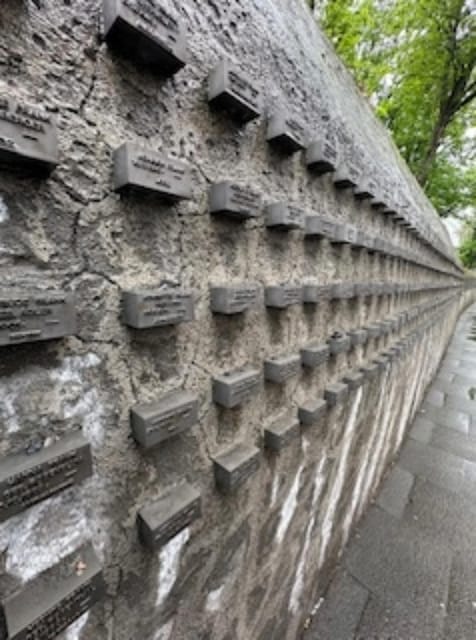
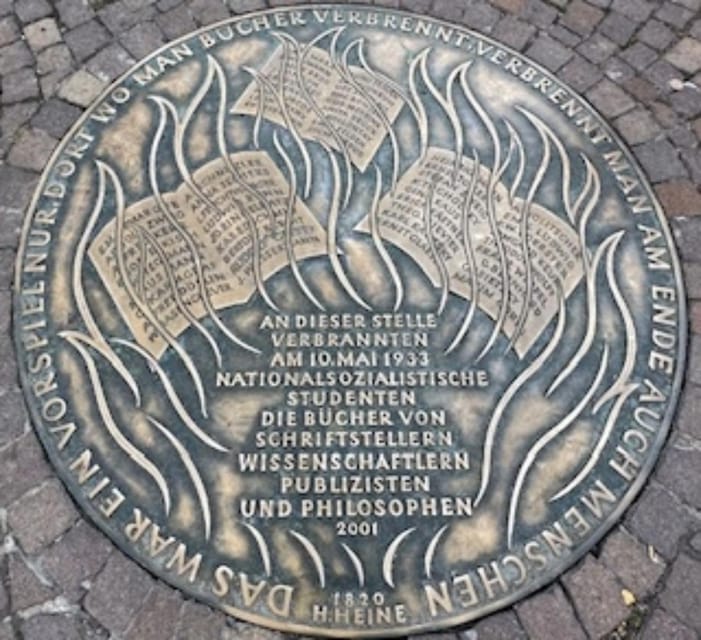
You’ll visit the Book Burning Memorial, a key site connected to the Nazi book burnings. It’s a stark stop, and it’s also one of those places where you can feel the weight of history quickly—no extra explanation needed to get the point.
Then you move to Stolper Steine (Stumble Stones), a unique way of remembering victims who were targeted and killed under the Nazi regime. What makes this format hit differently is that the memorials are embedded into daily streets. You don’t just look at history; you trip over it—literally and emotionally—in the middle of real urban life.
A good mindset here: slow down for a minute when you reach these areas. Your feet will keep moving, but your brain may need that pause.
Alt Nikolai and the Kaiserdom: Church Exteriors That Still Tell the Story
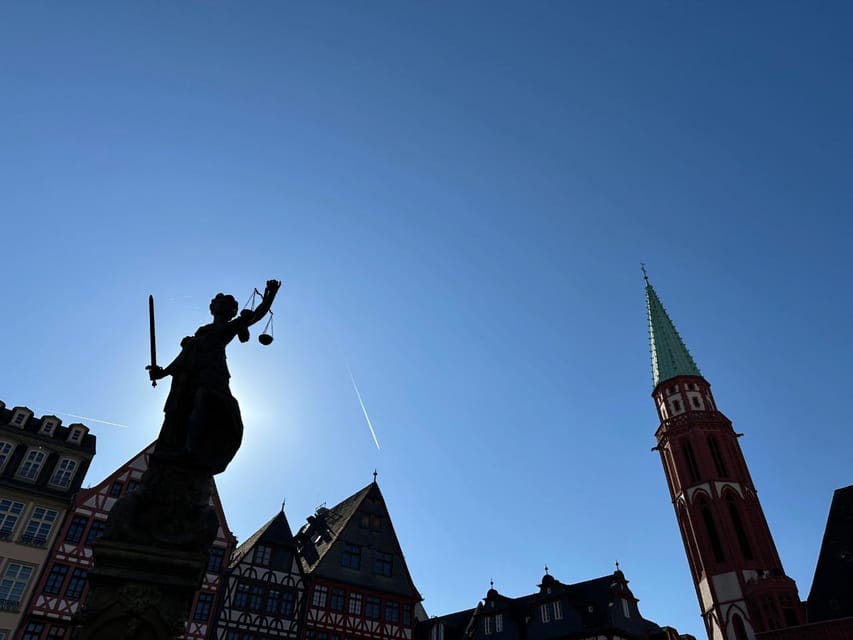
The tour includes Alt Nikolai Church (exterior only on Sundays) and the Kaiserdom, also known as St. Bartholomew (exterior only on Sundays & religious holidays). Even without entering, these stops are worth it.
Alt Nikolai Church dates to 1290, and the Gothic styling shows how long Frankfurt’s urban story stretches back. The Kaiserdom is tied to centuries of Coronations and Elections of the Holy Roman Emperor, which means this building wasn’t just religious—it was political theater at the top level.
If you happen to be there when entrances aren’t possible, don’t think you’re losing the experience. The exteriors are still powerful, and your guide can help you notice the right architectural cues.
House Wertheim and Eisener Steg: The Best Contrast Stops
Frankfurt gives you a great “old meets survival” moment with House Wertheim. It’s noted as the inner city’s only original half-timbered house left at the end of World War II.
That detail is huge. Half-timbered houses are often about tradition and craft, but this one also represents what remained and what had to be rebuilt. It’s one of those sights that makes you understand that history isn’t abstract—it’s physical.
Then you’ll cross to Eisener Steg, a pedestrian bridge over the Main River. This is where the tour starts paying dividends visually: you get skyline views and you can see the concentration of museums along the riverbanks.
If you like taking photos that include context (not just buildings), this stop is a strong one.
Karmeliter Cloister’s Jörge Ratgeb Paintings: When You Can See Them
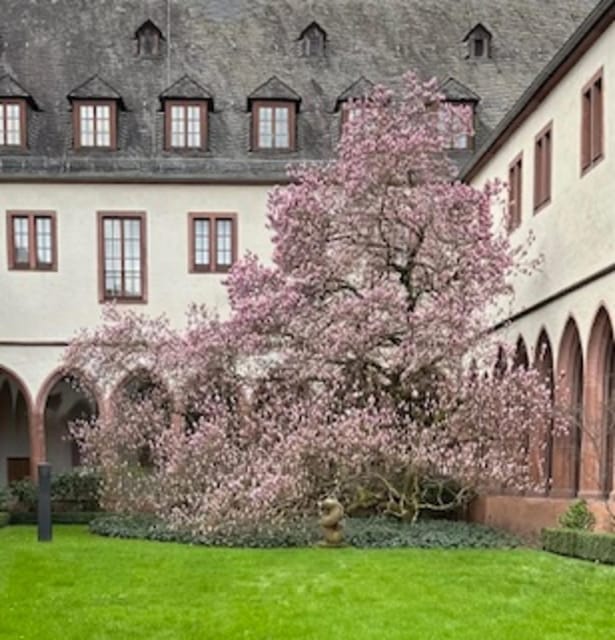
A standout cultural stop is the Jörge Ratgeb Wall Paintings in the Karmeliter Cloister. These are described as the largest religious wall paintings north of the Alps, painted in the early 1500s.
One practical note: they’re not available on some holidays. So on certain days, you might get an outside-the-space view or a different approach. Either way, this stop is worth it because it connects Frankfurt’s religious art to the wider history of Europe.
Jewish Holocaust Memorial Wall, Anne Frank Details, and Why This Stop Matters
This tour doesn’t dodge the difficult parts of history. You’ll visit the Jewish Holocaust Memorial Wall, a personal remembrance chosen by the city for approximately 12,000 Jewish citizens of Frankfurt who were killed in the Shoa. The wall includes Anne, Margot, and Edith Frank.
This is one of the most meaningful stops on the route because it ties names to a community and a place. It also makes it clear that the story of the Holocaust wasn’t distant. Frankfurt had neighbors, families, schools, and everyday life, and then that reality was destroyed.
Take your time here. If you’re the kind of person who writes names down or wants a minute of quiet, you’ll appreciate the space to do that.
Medieval Jewish Cemetery and the Ghetto Wall: Reading the City’s Defensive Past
You also visit the Medieval Jewish Cemetery, viewed from the outside, and the Jewish Ghetto Wall. The ghetto wall connects to city defenses in 1180 and later became part of the walls surrounding the medieval Jewish ghetto.
These stops shift your understanding of the city from “beautiful streets” to “built boundaries.” When you see the idea of defense and separation sitting in the urban fabric, it becomes easier to understand how oppression worked in everyday space.
If you’re traveling with kids, it can be a good moment for guided questions, but you’ll want to keep expectations realistic. This is serious subject matter.
Klein Markt Halle Produce Hall: The Food Stop That Feels Local
One favorite stop on the tour is Klein Markt Halle, a produce hall. It’s packed with fruits, vegetables, chocolate, pastries, cheeses, breads, meats, fish, and other delicacies from around the world.
This one is also not on Sundays and holidays, so plan on it being a bonus stop if your day is open. The tour itself includes a snack break, but snacks and drinks are described as optional (so you can decide how much you want to buy).
I like this stop because it gives Frankfurt texture. After the memorial sites and civic buildings, your senses need something normal—smells, tastes, and everyday commerce.
Price and Logistics: Is $35 Worth It for a 3-Hour Walk?
At $35 per person for a 3-hour English guided walk, the value is mostly in what you don’t have to pay for and what you learn fast. All entries are free, and the tour is designed with major exterior sights and guided context, so you’re not paying extra for admissions along the way.
You also get WC breaks and a snack break included. That matters because it keeps the experience comfortable and keeps the pace steady.
And since it runs 365 days a year, you’re not stuck playing calendar chess. For many visitors, that alone is worth something.
Who This Tour Suits Best (and Who Might Want Something Else)
This is ideal if you want a quick, human-sized overview of central Frankfurt without the stress of plotting your own route. It also fits well if you care about context: the tour covers the rebuilt city center and doesn’t avoid the Nazi era.
It’s a good choice for first-time visitors who want orientation and a clear sense of what to do after the walk. It also works for families: children 12 and under are free and welcome, with the note that they should be okay with walking about 7 km.
If you’re the type who wants nonstop indoor time, long museum hours, and lots of entry tickets, this may feel more like a guided walk with targeted stops than a full day of attractions. You’ll still learn a lot, but it won’t replace a dedicated museum visit.
Should You Book Frankfurt on Foot?
I’d book it if you want an efficient, meaningful intro to Frankfurt that includes both the iconic landmarks and the places tied to real memory. The mix of Römerberg history, river views from Eisener Steg, and Jewish memorial stops makes the tour feel like more than sightseeing.
Skip or swap it only if you strongly prefer museums over outdoor walking, or if you know you won’t handle heavy topics well. Otherwise, this is a solid, practical choice for a first morning or first afternoon in the city.
FAQ
How long is the Frankfurt on Foot Daily Walking Tour in English?
It lasts 3 hours.
Where is the meeting point?
Meet directly across from the Tourist Info on the Römerberg, in front of the Binding Schirn Pub, on the street. The guide has a sign that says Frankfurt on Foot Walking Tours.
Is the tour available every day?
Yes, it runs 365 days a year.
What language is the tour in?
The tour is only in English.
Does the price include entry fees?
Yes. All entries are free.
Are there restroom and snack breaks?
Yes. The tour includes WC breaks and a snack break.
What should I bring?
You should bring comfortable shoes.
Are children allowed?
Yes. Children 12 and under are free and welcome. The tour notes suggest they should be okay with walking about 7 km.
Is the tour wheelchair accessible?
Yes, it’s wheelchair accessible, and it is stroller friendly.